

Note: This article contains affiliate links. If you click on these links and make a purchase, I may earn a small commission at no extra cost to you. This helps support my research and content. Read my full affiliate disclosure here.
Repair Snapshot
Use a mechanic if the hydraulic line fitting is seized, access requires major transmission removal, or you cannot fully bleed the clutch system. A pro is also the safer choice if the problem may involve the clutch master cylinder, release bearing, or internal concentric slave cylinder.
This article is part of our Transmission and Drivetrain Maintenance & Repair Guides.
If your clutch pedal feels soft, sinks to the floor, or the transmission refuses to go into gear, a failed clutch slave cylinder may be the cause. On many vehicles, this hydraulic cylinder mounts on the outside of the transmission and pushes the clutch fork when you press the pedal.
Replacing an external slave cylinder is usually a manageable DIY repair if you have safe lifting equipment and can bleed hydraulic systems carefully. The main challenges are avoiding damage to the hydraulic line fitting, installing the new part in the correct position, and removing all air from the system afterward.
Before you start, confirm whether your vehicle uses an external slave cylinder or an internal concentric slave cylinder. This guide focuses on the more common external style. If your slave cylinder is inside the bellhousing around the transmission input shaft, replacement is much more involved because the transmission must be removed.
How the Clutch Slave Cylinder Works
In a hydraulic clutch system, pressing the clutch pedal moves the clutch master cylinder. That hydraulic pressure travels through a fluid line to the slave cylinder. The slave cylinder then extends a pushrod or piston to move the clutch fork, disengaging the clutch so you can shift gears.
When the slave cylinder leaks internally or externally, it cannot build or hold pressure correctly. You may notice a wet area near the cylinder boot, a dropping fluid level in the reservoir, poor disengagement, gear grinding, or a pedal that feels spongy or stays on the floor.
A bad master cylinder can create very similar symptoms, so inspect the full system before replacing parts. If fluid is leaking from the bellhousing area on a vehicle with an internal slave cylinder, or if the clutch still will not disengage after proper bleeding, the fault may be deeper than the external slave cylinder.
Signs the Slave Cylinder Needs Replacement
- Clutch pedal feels soft, spongy, or slowly sinks with steady pressure.
- Difficulty shifting into gear, especially reverse or first gear.
- Visible brake fluid leak near the slave cylinder, transmission case, or clutch fork area.
- Low fluid level in the clutch or brake fluid reservoir with no obvious master cylinder leak.
- Pedal stays near the floor and the clutch does not fully disengage.
If you see fluid leaking from the rubber dust boot or around the hydraulic fitting, replacement is usually the right move. Rebuilding is rarely worth the time on modern vehicles unless parts availability is limited.
Before You Begin
Confirm the Correct Part
Match the new slave cylinder to your exact year, make, model, engine, and transmission. Compare the mounting ears, line port location, bleeder screw position, and pushrod length before installation. Even small differences can cause fitment or clutch travel problems.
Check the Fluid Specification
Most clutch hydraulic systems use DOT 3 or DOT 4 brake fluid, but always verify the cap or service information. Never mix in power steering fluid, gear oil, or any unspecified hydraulic fluid.
Protect Paint and Plastics
Brake fluid damages paint quickly. Keep rags handy, wipe spills immediately, and rinse painted surfaces with water if fluid contacts them. Wear gloves and eye protection throughout the job.
Vehicle Setup and Access
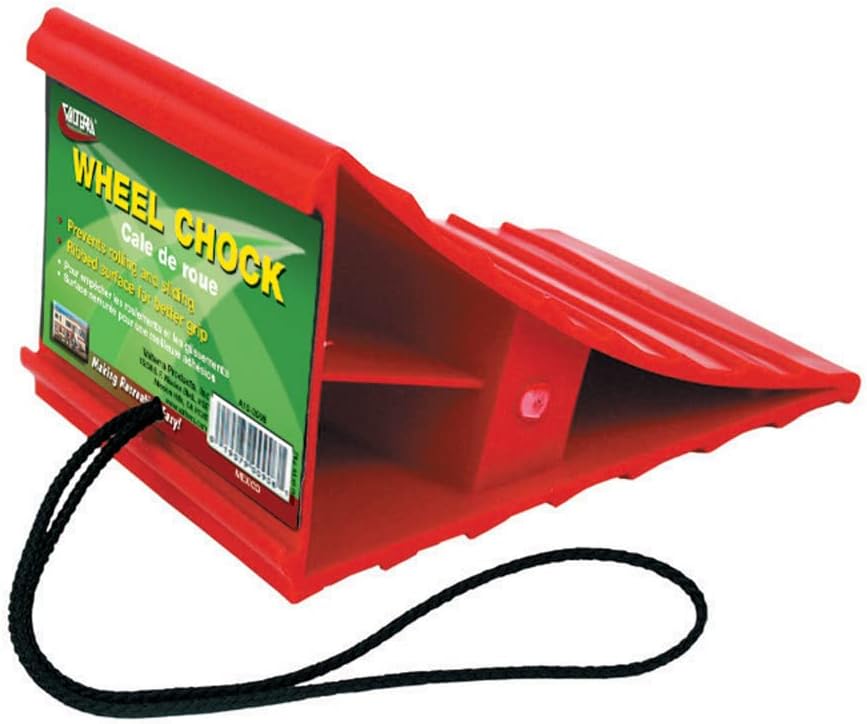
Park on level ground, set the parking brake, and chock the wheels. If the slave cylinder is easiest to reach from underneath, loosen any necessary wheel lug nuts slightly, raise the vehicle at approved lift points, and support it securely on jack stands. Never work under a vehicle supported only by a jack.
Locate the slave cylinder on the outside of the transmission or bellhousing. You may need to remove an intake duct, battery tray, splash shield, or front wheel for access. Take a photo of the line routing and cylinder position before disconnecting anything. That reference helps during reassembly.
Clean the area around the slave cylinder and hydraulic line with brake cleaner or compressed air if available. Removing dirt first reduces the chance of contamination entering the hydraulic system once the line is opened.
Removing the Old Clutch Slave Cylinder
Relieve Fluid Loss and Prepare for Disconnection
Remove the reservoir cap or loosen it slightly to monitor fluid level during the job. Place a drain pan under the slave cylinder. Some DIYers use a line clamp on flexible sections of the hydraulic hose, but only do this if the hose design allows it and the clamp will not damage the line.
Disconnect the Hydraulic Line
Spray penetrating oil on the fitting if it is rusty or stubborn. Use the correct flare nut wrench or line wrench whenever possible. This is important because slave cylinder line nuts round off easily with an open-end wrench. Once loose, carefully pull the line free and cap or cover the opening to limit contamination.
Some vehicles use a banjo bolt with sealing washers or a quick-connect fitting instead of a threaded flare nut. In those cases, remove the retainer exactly as designed and replace sealing washers if the system uses them.
Remove the Mounting Bolts
Unbolt the slave cylinder from the transmission or bracket. As you remove it, pay attention to how the pushrod contacts the clutch fork. On many systems, the pushrod will simply pull away from the fork. On others, there may be a clip or boot arrangement that needs to be transferred to the new unit.
Inspect Related Parts
Check the clutch fork, pivot area, and dust boot for damage, excessive wear, or contamination. If the fork is cracked, badly worn, or misaligned, replacing only the slave cylinder may not fix the problem. Also inspect the hydraulic line for corrosion, cracking, or swelling.
Tools That Make This Job Easier


Installing the New Slave Cylinder
Bench-prepare the New Part
Compare the old and new cylinders side by side. Make sure the bore size, pushrod, bleeder screw, and mounting points all match. If the new cylinder came with a shipping strap or retainer holding the rod in place, leave it installed until the cylinder is mounted unless the instructions say otherwise.
Position the Pushrod Correctly
Set the pushrod into the clutch fork pocket exactly as the old one sat. If it misses the fork or sits at an angle, the pedal may bind, the rod may pop out, or the cylinder may be damaged on the first pedal press. Take your time here, because this is a common installation mistake.
Bolt the Cylinder in Place
Install the mounting bolts by hand first to avoid cross-threading. Tighten them evenly. Use a torque wrench if factory torque specs are available for your vehicle. If no published spec is on hand, do not guess aggressively on small bolts threaded into aluminum housings, as overtightening can strip the case.
Reconnect the Hydraulic Line
Start the fitting by hand and make sure it threads smoothly. If it does not, back it out and realign it. Cross-threading the hydraulic port can ruin the new slave cylinder quickly. Tighten the flare nut snugly with the proper wrench, or install the banjo bolt and new sealing washers to the correct torque if that design is used.
If the system uses a retaining clip or quick-connect line, confirm the connection is fully seated and locked. Give the line a gentle tug after installation to verify it cannot pull back out.
Bleeding the Clutch Hydraulic System
Bleeding is the step that determines whether the repair actually works. Even a perfectly installed slave cylinder will not disengage the clutch if air remains in the hydraulic system. Keep the reservoir filled during the entire process. If it runs dry, air enters the master cylinder and you will need to start over.
Manual Two-person Bleeding
- Fill the reservoir to the correct level with fresh brake fluid.
- Attach a clear hose to the slave cylinder bleeder screw and place the other end in a clean container.
- Have a helper slowly press the clutch pedal and hold it to the floor.
- Open the bleeder screw to release air and fluid, then close it before the helper releases the pedal.
- Repeat until only clean fluid exits and the pedal begins to feel firm.
- Check the reservoir constantly and refill as needed.
Gravity or Vacuum Bleeding
Some systems bleed more easily with a vacuum bleeder or by letting fluid gravity-feed through the slave cylinder. A vacuum bleeder can be especially helpful when air is trapped in a high loop of the hydraulic line. Follow the tool instructions and continue until bubble-free fluid exits the bleeder.
Common Bleeding Problems
- The reservoir ran dry and introduced more air into the system.
- The bleeder screw threads are leaking air during vacuum bleeding.
- The pushrod is not seated correctly against the clutch fork.
- The clutch master cylinder is also failing internally.
- A line fitting is loose and drawing in air.
After bleeding, the pedal should feel consistent and return properly. Some vehicles require a final series of slow pedal strokes or a manufacturer-specific bleeding sequence, so consult service information for exact procedures if the pedal still feels weak.
Recommended Tools for This Job


Final Checks and Test Drive
Wipe the slave cylinder, hydraulic line, and surrounding area clean so any new leaks are easy to spot. Reinstall any splash shields, battery trays, air ducts, or wheels you removed. Lower the vehicle safely and top off the fluid reservoir to the correct mark.
Before starting the engine, press the clutch pedal several times and watch for smooth movement. If visible, observe the slave cylinder and clutch fork while a helper presses the pedal. The slave cylinder should move the fork evenly without leaking.
Start the engine and test engagement with the parking brake on. Shift into reverse and first gear. If the transmission still grinds or the vehicle creeps with the pedal fully depressed, the clutch may still have air in the system or another component may be faulty.
Take a short test drive in a safe area. Confirm that the clutch engagement point feels normal, shifts are smooth, and the pedal returns consistently. Recheck for leaks once the vehicle is back in the driveway.
Torque, Adjustment, and Vehicle-specific Notes
Always use factory torque specifications when available for slave cylinder mounting bolts, hydraulic fittings, banjo bolts, brackets, and any removed wheel hardware. Torque values vary widely by vehicle design, bolt size, and case material. Over-tightening is especially risky on aluminum transmission housings and brake hydraulic fittings.
Most modern hydraulic clutch systems are self-adjusting and have no manual free-play adjustment at the slave cylinder. If pedal height or engagement feels wrong after proper bleeding, look for a worn clutch, bent fork, failing master cylinder, or misinstalled pushrod rather than trying to adjust around the problem.
If your vehicle uses an internal concentric slave cylinder, replacement usually requires removing the transmission, clutch components, and often replacing the release bearing assembly at the same time. That is a different repair than the external slave cylinder procedure covered here.
Mistakes to Avoid
- Using the wrong fluid type or reusing contaminated old fluid.
- Rounding off the hydraulic line fitting with the wrong wrench.
- Cross-threading the line into the new slave cylinder.
- Installing the pushrod incorrectly against the clutch fork.
- Letting the reservoir run dry during bleeding.
- Ignoring signs that the clutch master cylinder or clutch assembly also has problems.
Avoid pressing the clutch pedal forcefully with the slave cylinder removed unless the service information specifically allows it. On some designs, this can overextend components or make installation more difficult.
When Replacement Will Not Fix the Problem
A new slave cylinder will not solve every clutch disengagement issue. If the pedal still feels wrong or the transmission still resists shifting after successful bleeding, the problem may be elsewhere in the system.
- The clutch master cylinder is bypassing internally.
- The clutch disc, pressure plate, or release bearing is worn or damaged.
- The clutch fork or pivot ball is bent, cracked, or seized.
- The hydraulic line is expanding under pressure.
- Air remains trapped in the system due to a difficult bleeding design.
If you replaced the slave cylinder because of a leak and the reservoir still drops, inspect the firewall area near the master cylinder, all line connections, and the bellhousing. Replacing parts one at a time without confirming the actual leak source can waste time and money.
Key Takeaways
- Use a flare nut wrench on the hydraulic fitting to avoid rounding it off during removal and installation.
- Make sure the slave cylinder pushrod is seated correctly on the clutch fork before tightening the mounting bolts.
- Keep the reservoir full the entire time you bleed the system or you may introduce more air and restart the process.
- Check for leaks and confirm smooth clutch disengagement before taking the vehicle on a normal road test.
- If the pedal still feels wrong after bleeding, suspect the master cylinder, clutch fork, or clutch assembly instead of the new slave cylinder.
FAQ
Can I Drive with a Bad Clutch Slave Cylinder?
It is not a good idea. A failing slave cylinder can suddenly lose hydraulic pressure, leaving you unable to disengage the clutch or shift safely. If the pedal goes to the floor, the vehicle may become difficult or impossible to drive.
Do I Need to Replace the Clutch Master Cylinder at the Same Time?
Not always, but it is smart to inspect it closely. If the master cylinder is leaking, old, or causing similar symptoms, replacing both cylinders together can save repeat bleeding and prevent another failure soon after.
How Do I Know if My Vehicle Has an Internal or External Slave Cylinder?
An external slave cylinder bolts to the outside of the transmission or bellhousing and usually pushes a visible clutch fork. An internal concentric slave cylinder sits inside the bellhousing around the transmission input shaft and generally requires transmission removal to replace.
Why Is My Clutch Pedal Still Soft After Replacing the Slave Cylinder?
The most common cause is trapped air in the hydraulic system. Other possibilities include a failing master cylinder, a loose fitting drawing in air, an incorrectly installed pushrod, or a worn clutch fork or clutch assembly.
Can I Bench Bleed a Clutch Slave Cylinder?
Some designs benefit from pre-filling or bench preparation, but many are installed dry and then bled on the vehicle. Follow the instructions that come with the replacement part and your service information for the correct method.
What Fluid Does a Clutch Slave Cylinder Use?
Most hydraulic clutch systems use DOT 3 or DOT 4 brake fluid, though the correct type varies by vehicle. Always use the fluid specified on the reservoir cap or in the owner information.
How Long Does It Take to Replace a Clutch Slave Cylinder?
For an external slave cylinder with decent access, many DIYers can complete the job in about 1.5 to 4 hours. Rusted fittings, cramped engine bays, and difficult bleeding can add significant time.
Need Parts for This Repair?
The right parts and supplies vary by vehicle.
Select your make and model to find compatible parts and accessories for your car.
Exact Fit
Parts that fit your make and model
Quality You Can Trust
Top brands and OEM quality options
Fast Shipping
Get the parts you need, delivered fast