

Note: This article contains affiliate links. If you click on these links and make a purchase, I may earn a small commission at no extra cost to you. This helps support my research and content. Read my full affiliate disclosure here.
Repair Snapshot
Use a mechanic if you are not comfortable removing a transmission, supporting the engine, or bleeding a hydraulic clutch. This job can become unsafe quickly without the right lifting equipment and vehicle-specific service information.
This article is part of our Transmission and Drivetrain Maintenance & Repair Guides.
Replacing a clutch release bearing is one of those jobs that sounds small but usually requires removing the transmission, which makes it a major repair for most DIY owners.
The release bearing, also called a throwout bearing, rides against the pressure plate fingers when you press the clutch pedal. When it wears out, you may hear a chirping, whirring, or grinding noise that changes as the clutch pedal is pressed or released. Because labor is the biggest part of the job, it is usually smart to inspect and often replace the clutch disc, pressure plate, pilot bearing, and related hardware while you are already in there.
This guide covers the general process for rear-wheel-drive and front-wheel-drive manual-transmission vehicles. Exact steps, fastener locations, and torque specs vary by make and model, so always compare this procedure to a factory service manual before starting.
Before You Start
Confirm the release bearing is actually the problem before pulling the transmission. A worn release bearing often makes noise only when the clutch pedal is depressed or as the pedal starts to move. Noise with the pedal released can point to an input shaft bearing, while slipping or shudder may suggest a worn clutch disc or hot-spotted flywheel.
Plan for downtime and workspace. You will need enough room to raise the vehicle safely, lower the transmission, and keep removed parts organized. Taking photos during disassembly helps a lot during reassembly, especially around brackets, wiring, and hydraulic lines.
- Read the vehicle-specific clutch and transmission removal procedure first.
- Verify whether your vehicle uses an external slave cylinder, internal concentric slave cylinder, cable clutch, or hydraulic clutch fork setup.
- Check whether the transmission fluid must be drained before axle or driveshaft removal.
- Decide in advance whether you are replacing only the bearing or installing a full clutch kit.
Symptoms and Inspection Points
Common Release Bearing Symptoms
- Chirping, whining, or grinding when the clutch pedal is pressed.
- Noise that changes with light pedal pressure.
- Rough clutch pedal feel or vibration through the pedal.
- Difficulty disengaging the clutch if bearing wear has damaged the fork or pressure plate fingers.
What to Inspect Once the Transmission Is Out
Once you gain access, do not stop at the bearing. Inspect the clutch fork for cracking, worn contact pads, or bent geometry. Check the pivot ball or pivot stud for wear. Inspect the pressure plate fingers for grooves where the old bearing rode. Look for oil contamination from a rear main seal or transmission input seal. Any of these issues can shorten the life of the new bearing.
Vehicle Preparation and Safety
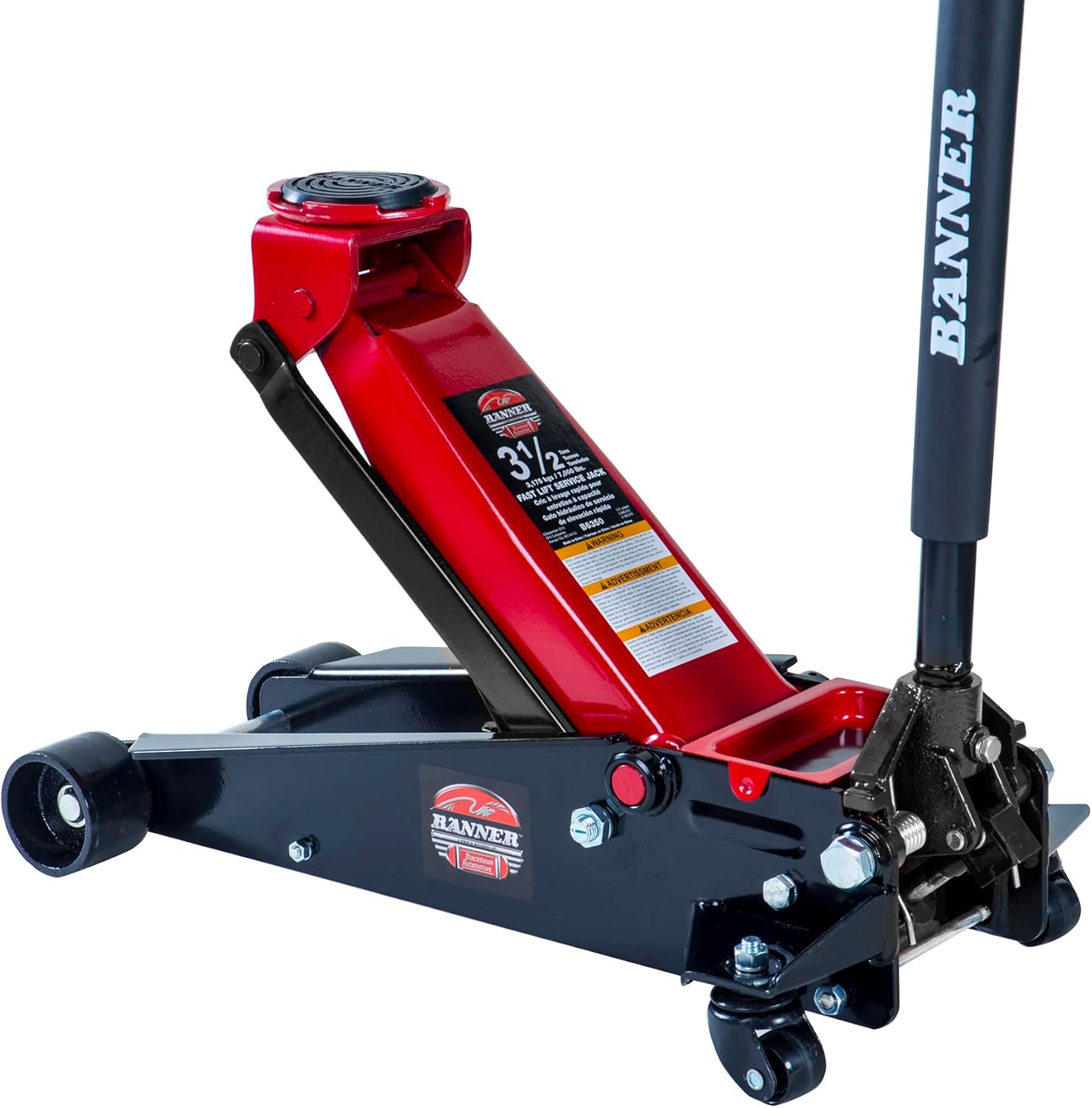
Park on a level surface, set the parking brake if the procedure allows, and chock the wheels. Disconnect the negative battery cable before touching starter or transmission wiring. Raise the vehicle and support it securely on jack stands placed at proper lift points. Never rely on a floor jack alone.
If the transmission or crossmember supports part of the engine and drivetrain, support the engine from above or below as required. A transmission jack is strongly recommended because a manual transmission can be awkward, heavy, and unstable during removal.
- Disconnect the battery.
- Raise and support the vehicle securely.
- Remove undertrays or splash shields as needed.
- Drain transmission fluid if your design requires it before axle or driveshaft removal.
- Label electrical connectors and brackets to avoid mistakes during installation.
Remove Components Blocking Transmission Access
The exact parts you remove depend on drivetrain layout. On a rear-wheel-drive vehicle, you may remove the shifter, driveshaft, exhaust sections, starter, speed sensor, reverse light connector, and transmission crossmember. On a front-wheel-drive vehicle, the job usually involves removing the battery tray, intake parts, shift linkage, starter, lower ball joint or suspension hardware, and one or both axle shafts.
Disconnect the clutch actuator carefully. On cable-operated systems, release cable tension and detach the cable from the fork. On hydraulic systems with an external slave cylinder, unbolt the slave cylinder from the bellhousing if possible and move it aside without opening the hydraulic line. If you must disconnect a hydraulic line or your vehicle uses an internal concentric slave cylinder, be prepared to bleed the system during reassembly.
Remove the starter and any inspection covers, then loosen bellhousing bolts while the transmission is still supported. Keep track of different bolt lengths and locations.
Tools That Make This Job Easier


Support and Remove the Transmission
Position the transmission jack under the transmission and secure it. Remove the transmission mount and crossmember if equipped. Double-check that wiring, ground straps, hydraulic lines, and shifter connections are free. With all bellhousing fasteners removed, gently work the transmission straight back from the engine.
Do not let the transmission hang on the input shaft. If it does not separate, something is still attached or the unit is bound on alignment dowels. Light prying at approved points may help, but avoid damaging the mating surfaces. Once the input shaft clears the clutch assembly, lower the transmission carefully.
Important Handling Tip
Manual transmissions are often heavier than they look, and their balance point can shift suddenly. Keep your body clear of the transmission path and never try to catch or stabilize a falling unit by hand.
Remove the Old Release Bearing
With the transmission out, locate the release bearing on the input shaft collar or attached to the clutch fork, depending on design. Most external-type bearings clip to the fork and slide off the transmission front bearing retainer or input sleeve. Internal concentric slave cylinder designs usually replace the bearing and slave cylinder as one assembly.
Inspect the old bearing for roughness, looseness, discoloration, grease leakage, or obvious noise when spun by hand. Also inspect the bearing guide tube, input shaft splines, clutch fork pivot, and fork contact points. If the guide tube is grooved or worn, replace it if serviceable. A new bearing installed on a damaged guide surface may fail quickly.
- Unclip or unbolt the release bearing according to design.
- Clean the input bearing retainer or guide tube with brake cleaner and a lint-free rag.
- Inspect the clutch fork and pivot ball for wear or cracking.
- Check pressure plate fingers for heat damage or wear grooves.
Decide Whether to Replace the Full Clutch Assembly
This is the point where many DIY owners choose to replace the clutch disc, pressure plate, and pilot bearing along with the release bearing. That is usually the best value because the transmission is already out. Reusing a worn clutch with a new bearing can mean doing the same labor twice.
Remove the pressure plate bolts evenly in a crisscross pattern to avoid warping. Pull off the pressure plate and clutch disc, then inspect the flywheel. If the flywheel surface is cracked, deeply scored, hot-spotted, or below service thickness, replace or resurface it according to manufacturer guidelines. Replace the pilot bearing or bushing if the vehicle uses one.
When Replacing Only the Release Bearing May Be Reasonable
- The clutch assembly is nearly new and confirmed to be in excellent condition.
- The flywheel and pressure plate fingers show no abnormal wear.
- There is no contamination from oil or gear lube.
- The fork, pivot, and guide tube are all serviceable.
Install the New Release Bearing
Compare the new bearing to the old one before installation. Check overall height, inner diameter, mounting style, and contact face shape. If your vehicle uses a concentric slave cylinder, compare mounting ears, bleeder location, and line fitting orientation.
Apply only a light film of the specified high-temperature clutch grease to the guide tube, clutch fork contact pads, and pivot ball where the service manual calls for lubrication. Do not overgrease. Excess grease can sling onto the clutch disc and cause chatter or slipping.
Clip or mount the new release bearing into place and make sure it moves smoothly along its guide. If you removed the clutch assembly, install the new pilot bearing first, then position the clutch disc and pressure plate using the alignment tool. Tighten pressure plate bolts gradually and evenly in a star or crisscross pattern to the manufacturer’s torque specification.
Torque Note
Torque specs vary widely by vehicle. Use the exact specifications for pressure plate bolts, flywheel bolts, bellhousing bolts, transmission mount fasteners, and axle or driveshaft hardware from the service manual. Some flywheel and pressure plate bolts are torque-to-yield and must be replaced rather than reused.
Recommended Tools for This Job


Reinstall the Transmission
Raise the transmission on the jack and align it carefully with the engine dowels and clutch disc splines. The transmission should slide in with controlled movement and mild wiggling. Do not use bellhousing bolts to pull the transmission into place if the input shaft is not aligned. Forcing it can bend the clutch disc hub, damage the input shaft, or crack the bellhousing.
Once the transmission seats fully against the engine, install bellhousing bolts finger-tight first, then torque them to specification. Reinstall the crossmember, mount, starter, wiring, shifter linkage, hydraulic components, exhaust parts, driveshaft or axles, and any removed brackets or shields.
If axles or driveshafts were removed, make sure seals are not damaged during installation. Refill the transmission with the correct fluid type and quantity if it was drained. Reconnect the battery only after all electrical connectors and grounds are back in place.
Bleeding and Clutch Adjustment
Hydraulic Clutch Systems
If you opened the hydraulic system or replaced a concentric slave cylinder, bleed the clutch using the vehicle’s recommended method. Keep the reservoir full throughout the process. Air in the system can mimic a bad clutch by causing incomplete disengagement, hard shifting, or a pedal that stays low.
Cable-operated Systems
For cable clutches, adjust free play if the system is adjustable. Too little free play can keep the bearing riding against the pressure plate fingers constantly, shortening bearing life. Too much free play may prevent full clutch disengagement.
- Verify normal pedal height and feel.
- Make sure the clutch disengages cleanly with the engine running.
- Check for fluid leaks at the slave cylinder, master cylinder, and hydraulic connections.
- Listen for abnormal bearing noise before road testing.
Final Checks and Road Test
Before lowering the vehicle completely, inspect for leftover tools, loose harnesses, and fluid leaks. Start the engine in neutral and listen with the clutch pedal released and then depressed. The previous noise should be gone, and the pedal should feel smooth and predictable.
During the road test, check engagement point, shifting quality, reverse gear engagement, and driveline vibration. If the transmission was removed from a front-wheel-drive vehicle, verify there is no axle seal leakage after the test drive. Recheck fluid level if the manufacturer recommends a hot or post-fill verification.
If Something Still Feels Wrong
- Hard shifting or gear clash may indicate incomplete clutch release, trapped air, or incorrect cable adjustment.
- A new noise with the pedal released may point to transmission input shaft issues rather than the release bearing.
- Chatter on takeoff may come from contamination, a damaged flywheel, or uneven pressure plate installation.
- A very low pedal often means hydraulic bleeding is incomplete.
Common Mistakes to Avoid
- Replacing the bearing without inspecting the fork, pivot ball, guide tube, and pressure plate fingers.
- Using too much grease on splines or the guide tube.
- Forcing the transmission into place with bolts instead of proper alignment.
- Skipping the pilot bearing when the clutch assembly is already apart.
- Reusing torque-to-yield bolts where replacement is required.
- Failing to bleed the hydraulic system fully after disconnecting a line or replacing a concentric slave cylinder.
Key Takeaways
- A clutch release bearing job usually means transmission removal, so replacing the full clutch kit is often the smartest move.
- Inspect the clutch fork, pivot ball, guide tube, pressure plate fingers, and pilot bearing before installing the new bearing.
- Use only the specified clutch grease in small amounts and never pull the transmission into place with bellhousing bolts.
- Bleed or adjust the clutch system correctly after reassembly so the new bearing is not kept under constant load.
FAQ
Can I Replace Just the Clutch Release Bearing and Keep the Old Clutch?
Yes, but it is usually only worth doing if the clutch assembly is very new and in clearly excellent condition. Because transmission removal is the hard part, most DIY owners replace the clutch disc, pressure plate, and pilot bearing at the same time.
What Noise Does a Bad Clutch Release Bearing Make?
A worn release bearing commonly makes a chirping, whining, or grinding sound that changes when you press the clutch pedal. The exact sound varies, but the key clue is that pedal movement affects the noise.
Do I Need to Resurface the Flywheel when Replacing the Release Bearing?
Not always, but if you remove the clutch assembly you should inspect the flywheel carefully. If it is cracked, scored, hot-spotted, or out of spec, it should be resurfaced or replaced according to manufacturer recommendations.
Should I Grease a New Release Bearing?
You should only apply grease where the vehicle manufacturer specifies it, usually a thin film on the guide tube, fork contact points, or pivot ball. Do not pack the bearing face or overgrease the area because grease can contaminate the clutch.
Can a Bad Release Bearing Damage Other Clutch Parts?
Yes. A failing bearing can wear grooves into the pressure plate fingers, overload the clutch fork, and create poor disengagement that stresses synchronizers during shifting. That is why a full inspection is important once the transmission is removed.
How Hard Is It to Replace a Clutch Release Bearing at Home?
It is generally a hard DIY job because the transmission must usually be removed and supported safely. The repair is much easier with a lift, a transmission jack, and a service manual for your exact vehicle.
Do Hydraulic Clutch Systems Need Bleeding After This Repair?
If you disconnected a hydraulic line, replaced a slave cylinder, or installed an internal concentric slave cylinder, yes. Any air left in the system can cause poor disengagement, hard shifting, and a soft or low clutch pedal.
Need Parts for This Repair?
The right parts and supplies vary by vehicle.
Select your make and model to find compatible parts and accessories for your car.
Exact Fit
Parts that fit your make and model
Quality You Can Trust
Top brands and OEM quality options
Fast Shipping
Get the parts you need, delivered fast