

Note: This article contains affiliate links. If you click on these links and make a purchase, I may earn a small commission at no extra cost to you. This helps support my research and content. Read my full affiliate disclosure here.
Repair Snapshot
Use a professional if the wiring fault is inside the transmission, requires valve body or internal harness work, or you cannot verify circuits with a wiring diagram and meter. A shop is also the safer choice if the vehicle has multiple communication codes or intermittent no-start and limp-mode issues.
This article is part of our Transmission and Drivetrain Maintenance & Repair Guides.
If your car has harsh shifts, stuck-in-gear behavior, limp mode, or transmission-related trouble codes, transmission control wiring is one of the first things to check. A damaged wire, corroded connector, poor ground, or blown fuse can interrupt signals between the transmission control module, powertrain control module, solenoids, speed sensors, and range switch.
The good news is that many wiring faults are external and repairable at home with a scan tool, a multimeter, and a vehicle-specific wiring diagram. The key is to diagnose the circuit methodically instead of replacing parts at random.
This guide walks you through how to inspect the harness, test power and ground, check continuity and voltage drop, repair damaged wiring properly, and confirm the transmission operates normally after the fix.
What Transmission Control Wiring Does
Modern automatic transmissions depend on electrical commands to shift correctly. The control module sends signals to shift solenoids, pressure control solenoids, torque converter clutch circuits, and receives feedback from speed sensors, transmission fluid temperature sensors, and the gear range sensor.
When the wiring between these parts becomes damaged, the module may lose power, lose ground, stop seeing sensor input, or fail to control solenoids. That can trigger trouble codes, hard shifting, delayed engagement, a flashing transmission warning, or a vehicle that stays in a fail-safe gear.
- External harness damage is common near the battery tray, underbody, radiator support, and transmission case.
- Heat, oil contamination, road salt, and rubbing against brackets can break insulation or corrode terminals.
- A bad electrical connection can mimic a failed sensor, failed solenoid, or even an internal transmission problem.
Common Symptoms of Transmission Wiring Problems
Electrical faults in transmission control circuits usually cause symptoms that come and go, especially with movement, temperature changes, or moisture. That intermittent behavior is a strong clue that wiring deserves close attention.
- Check engine light or transmission warning light
- Stored codes for shift solenoids, pressure control solenoids, speed sensors, or lost communication
- Harsh shifting, delayed shifting, no upshift, or stuck in one gear
- Transmission limp mode or reduced performance mode
- Gear indicator problems or incorrect PRNDL display
- Blown fuse that returns after replacement
- Problem appears after rain, after engine washing, or over bumps
If the transmission also slips mechanically, makes grinding noises, or has badly burnt fluid, wiring may not be the only issue. Electrical diagnosis still matters, but do not ignore signs of internal damage.
Safety and Preparation Before Testing
You may need to work under the vehicle and near a hot exhaust, spinning driveline parts, or battery power feeds. Park on level ground, set the parking brake, chock the wheels, and support the car securely on jack stands before going underneath.
Disconnect the negative battery cable before opening connectors for repair work. For live-voltage testing, reconnect the battery only when needed and keep hands, tools, and loose clothing away from moving parts.
- Use a proper wiring diagram for your exact year, engine, and transmission.
- Never pierce insulation unless absolutely necessary; back-probe connectors when possible.
- Do not test control modules or solenoid circuits with an incandescent test light unless the service information specifically allows it.
Start with Scan Tool and Code Data
Read All Stored and Pending Codes
Connect your scan tool and check the PCM, TCM, ABS, and body modules if your tool can access them. Write down every code, not just the transmission code that first caught your attention. Sometimes a low voltage or communication issue in another module points you toward the real wiring fault.
Look at Freeze-frame and Live Data
Freeze-frame data can show when the fault occurred, such as during a shift into third gear, at highway speed, or during warm-up. Live data helps you see whether the module is receiving believable input from the transmission range sensor, input and output speed sensors, and fluid temperature sensor.
Watch for Code Patterns
- Multiple solenoid circuit codes often point to a shared power feed, shared ground, or connector issue.
- A single sensor circuit code may indicate one damaged wire, a failed sensor, or a terminal fit problem.
- Communication codes can mean module power, module ground, or CAN wiring problems rather than a bad transmission itself.
Perform a Careful Visual Inspection
Before touching the meter, inspect the harness from the battery and fuse box area to the transmission. Many faults can be found visually, especially where the harness bends, rests on brackets, or passes near heat shields.
- Broken, melted, or rubbed-through insulation
- Green or white corrosion at connector terminals
- Oil-soaked connectors or fluid wicking into the harness
- Loose locking tabs or partially backed-out terminals
- Harness stretched tight after previous engine or transmission work
- Missing loom or clips allowing the harness to touch the exhaust or axle
- Aftermarket alarm, remote start, stereo, or trailer wiring splices near related circuits
Gently tug suspect wires near connectors. If the insulation stretches or the wire breaks internally, it may feel soft or separate under light pull. Pay extra attention to the main transmission bulk connector and any sections routed below the battery tray, where acid and corrosion are common.
Tools That Make This Job Easier


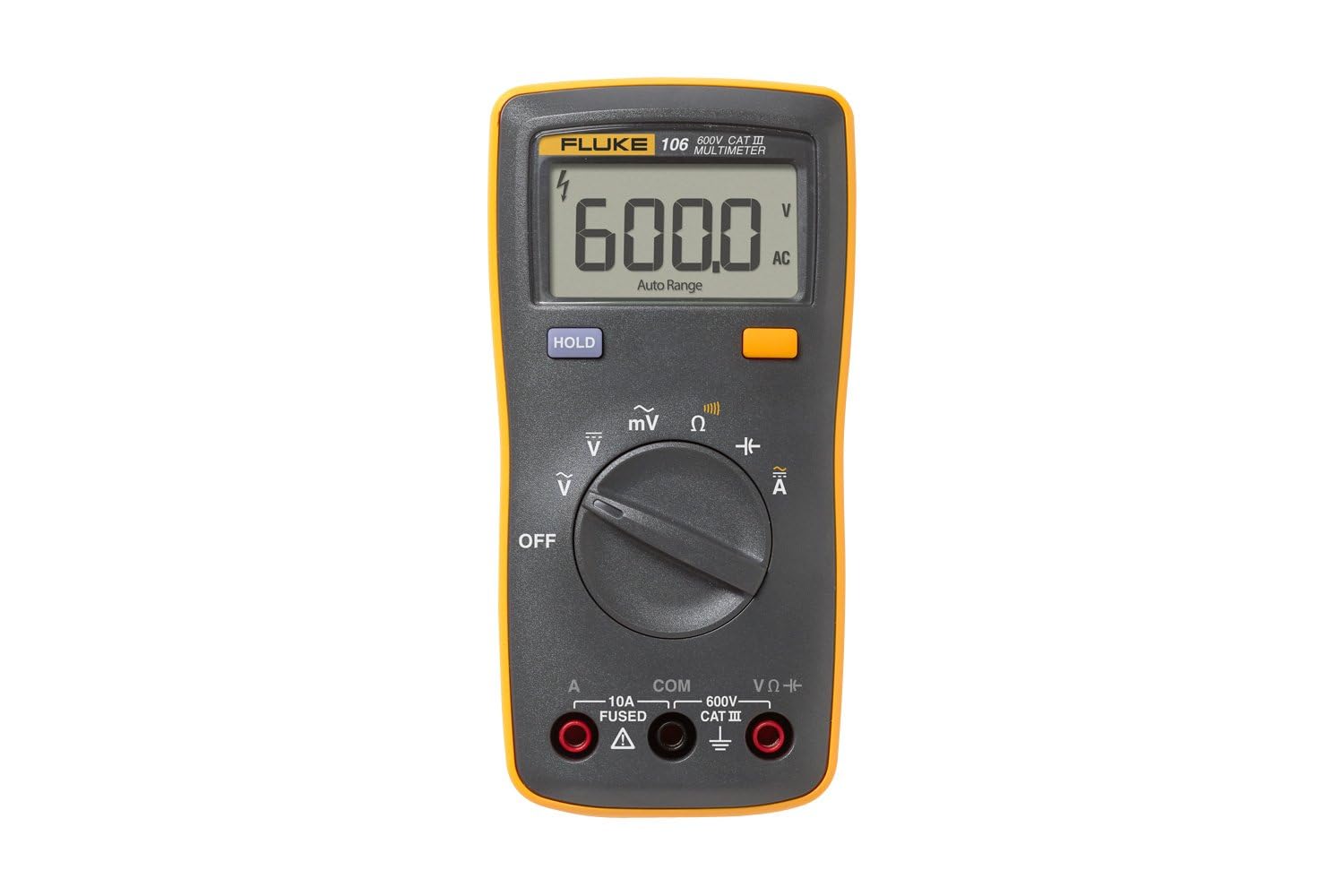
Check Fuses, Powers, and Grounds First
Many transmission circuit problems come down to missing power or poor ground. Always verify the basics before testing individual sensors or solenoids.
Test Related Fuses Correctly
Do not just look at a fuse. Use a multimeter or test light to verify voltage is present on both fuse terminals with the key in the required position. A fuse that is visually intact can still have a poor connection, and a blown fuse that returns immediately usually means a short to ground downstream.
Verify Module and Circuit Power
Using the wiring diagram, identify the power feed pins at the TCM or PCM and at the transmission connector if applicable. Back-probe the circuit and confirm battery voltage or specified reference voltage is present when commanded.
Verify Ground Integrity
Ground circuits can show continuity on a simple resistance test yet still fail under load. A voltage-drop test is better. With the circuit powered, measure voltage between the component ground and battery negative. In many cases, more than about 0.1 to 0.2 volts on a low-current ground is a warning sign, though always compare with service specs.
- If multiple circuits are dead, suspect a shared fuse, relay, splice, or ground point.
- If power is missing at the transmission connector but present at the fuse, trace the harness section in between.
- If a ground point is rusty or loose, clean it to bare metal, tighten it, and retest.
How to Test the Wiring with a Multimeter
Continuity Testing
Disconnect the battery and unplug both ends of the circuit before checking continuity. Measure resistance from one end of the suspect wire to the other. A very low resistance reading usually indicates the wire is intact, but compare with the vehicle’s service information and remember that continuity alone does not prove the circuit can carry load.
Short-to-ground Testing
With the circuit disconnected from the module and component, check resistance from the wire to chassis ground. If a power or signal wire shows continuity to ground when it should not, the insulation may be damaged and touching metal somewhere along the harness.
Short-to-power Testing
If a signal wire is showing unexpected voltage, disconnect related modules and check whether the wire is being fed by another circuit. This can happen where two wires melt together near the exhaust or where a previous repair used incorrect splice methods.
Voltage-drop Testing Under Load
A wire can pass continuity tests and still fail when current flows. For this reason, voltage-drop testing is one of the best ways to find corrosion, broken strands, or loose terminals. Measure from the source side of the wire to the load side while the circuit is active. Excessive drop means resistance in the wire, splice, or connector.
Wiggle Testing
While monitoring live data or meter readings, gently move the harness, especially near connectors and bend points. If the signal cuts out or the reading jumps, you have likely found an intermittent open or poor connection.
Pinpointing Common Failure Areas
Transmission wiring faults often show up in repeat locations. Checking these areas early can save a lot of time.
- Main transmission case connector exposed to heat, moisture, and road debris
- Harness brackets where vibration slowly rubs through insulation
- Battery tray area where acid and corrosion attack copper and terminals
- Engine-to-transmission movement points where wires flex under torque
- Areas near the exhaust crossover or catalytic converter
- Splice packs or shared ground junctions hidden in loom or tape
- Connector pigtails at speed sensors and range sensors
If you find a fault near one damaged area, inspect the surrounding section closely. It is common for several wires in the same loom to be heat-stiffened, brittle, or beginning to corrode under the insulation.
Recommended Tools for This Job


How to Repair Damaged Transmission Wiring Correctly
A proper repair should restore electrical integrity, moisture resistance, and harness support. Quick twist-and-tape fixes usually fail again because the transmission area sees constant heat, movement, and contamination.
Repair a Damaged Wire
- Disconnect the battery and expose enough harness length to work comfortably.
- Cut out all damaged or corroded wire until clean, bright copper is visible.
- Use the same gauge automotive wire or the closest factory-equivalent size and insulation type.
- Stagger multiple splices in the same harness so they do not create a large stiff bulge.
- Crimp with sealed butt connectors or solder properly if the repair method fits the vehicle and environment.
- Seal the repair with adhesive-lined heat-shrink tubing and rewrap the harness with loom or tape.
- Secure the harness away from the exhaust, sharp edges, and moving parts with clips or zip ties.
Repair or Replace a Connector
If terminals are green, loose, overheated, or oil-soaked, a connector pigtail is often the best fix. Match wire colors and pin positions exactly. Transfer one wire at a time so you do not mix up the circuit order.
Clean and Protect Terminals
Light corrosion can sometimes be removed with electrical contact cleaner and a terminal-safe cleaning tool. Severely pitted or loose terminals should be replaced. Use dielectric grease sparingly on weather-sealed connectors if recommended by the manufacturer.
Avoid household wire, open-barrel crimp guesses without the right tool, and unsupported solder joints in high-vibration areas. The repair needs to be as durable as the original harness.
Special Cases: Solenoid, Speed Sensor, and Internal Harness Faults
Not every transmission circuit problem is in the external harness. Some vehicles use an internal transmission harness that connects solenoids and sensors to the outside bulkhead connector. If your testing shows the external wiring is intact but the fault remains, the problem may be inside the pan or valve body area.
- An open or shorted solenoid can set a circuit code even if the external wiring is good.
- A failed speed sensor may produce an unrealistic signal that looks like a wiring issue until tested directly.
- Transmission fluid inside a connector can wick through the harness and contaminate terminals farther upstream.
- Internal harness repairs often require fluid draining, pan removal, and torque-sensitive reassembly.
If you are not comfortable opening the transmission pan or identifying internal harness routing, this is a reasonable point to hand the job to a professional.
Clear Codes and Confirm the Repair
After the wiring repair is complete, reconnect all connectors securely, reinstall any shields or clips, reconnect the battery, and clear all trouble codes. Do not skip the verification step. A repair is not finished until the circuit works consistently under real driving conditions.
Static Checks
- Confirm fuses remain intact.
- Verify scan data now shows normal gear range, sensor values, and no immediate code reset.
- Repeat wiggle testing at the repaired area while watching live data.
Road Test
Drive the vehicle long enough for the transmission to reach operating temperature and complete several upshifts and downshifts. Watch for proper shift timing, converter clutch engagement, and whether the warning light stays off. Re-scan afterward to make sure no pending codes have returned.
When Wiring Repair Will Not Solve the Problem
Transmission control wiring faults are common, but they are not the only cause of transmission trouble. If the circuits test good and the symptoms remain, you may be dealing with a failed solenoid, bad control module, valve body problem, hydraulic issue, or internal clutch damage.
- Burnt or contaminated transmission fluid
- Persistent slipping with no supporting electrical fault
- Metal debris in the pan
- Mechanical noise or no movement in one or more gears
- Module programming or relearn procedures required after repair
When the evidence points away from the harness, avoid replacing more electrical parts blindly. At that stage, advanced pressure testing or factory-level scan data may be needed.
Key Takeaways
- Start with codes, freeze-frame data, and a wiring diagram so you test the right circuit instead of guessing.
- Check shared fuses, power feeds, and grounds before condemning a sensor, solenoid, or control module.
- Use voltage-drop and wiggle testing to find intermittent opens, corrosion, and loose terminals that continuity tests can miss.
- Repair transmission wiring with correct-gauge wire, sealed splices, heat-shrink, and proper harness routing away from heat and abrasion.
- If the fault is inside the transmission or involves multiple module communication issues, a professional diagnosis is usually the safer choice.
FAQ
Can Bad Transmission Wiring Cause Limp Mode?
Yes. If the control module loses a critical sensor signal, solenoid circuit, power feed, or ground, it may command limp mode to protect the transmission. The vehicle may stay in one gear and set transmission-related trouble codes.
How Do I Know if the Problem Is Wiring or a Bad Solenoid?
Use a wiring diagram and meter to verify the circuit first. Check power, ground, continuity, shorts, and voltage drop from the module to the transmission connector and component. If the wiring tests good and the solenoid’s resistance or commanded response is out of spec, the solenoid becomes more likely.
Is It Safe to Drive with a Transmission Wiring Fault?
Usually not for long. A wiring fault can cause harsh shifts, limp mode, overheating, or sudden loss of proper gear control. Short trips for diagnosis may be possible, but continued driving can worsen transmission wear or leave you stranded.
What Trouble Codes Commonly Point to Transmission Wiring Issues?
Codes for shift solenoid circuits, pressure control solenoids, transmission range sensors, speed sensor circuits, module power supply, and communication faults can all involve wiring. Multiple circuit codes at once often suggest a shared power, ground, or connector issue.
Can I Repair the Wire with Electrical Tape Only?
No. Tape alone is not a durable repair in a hot, dirty, high-vibration transmission environment. Cut out damaged wire and use proper automotive wire, sealed splices or approved soldered repairs, heat-shrink tubing, and harness protection.
Why Does the Fuse Keep Blowing After I Replace It?
A repeatedly blown fuse usually means the circuit has a short to ground, a chafed wire, a melted harness, or a component with an internal short. Do not keep replacing the fuse without finding the fault, because that can damage the harness or module.
Do I Need to Disconnect the Battery Before Repairing Transmission Wiring?
Yes. Disconnect the negative battery cable before cutting, splicing, depinning, or unplugging connectors for repair. Reconnect it only when you need live-voltage testing or final verification.
When Should I Let a Mechanic Handle Transmission Wiring Diagnosis?
Get professional help if the fault is inside the transmission, the vehicle has multiple network communication codes, the wiring diagram is difficult to interpret, or you cannot safely perform live circuit testing. A shop is also a good choice if the problem remains after basic harness repairs.
Need Parts for This Repair?
The right parts and supplies vary by vehicle.
Select your make and model to find compatible parts and accessories for your car.
Exact Fit
Parts that fit your make and model
Quality You Can Trust
Top brands and OEM quality options
Fast Shipping
Get the parts you need, delivered fast