

Note: This article contains affiliate links. If you click on these links and make a purchase, I may earn a small commission at no extra cost to you. This helps support my research and content. Read my full affiliate disclosure here.
Repair Snapshot
Use a mechanic if rusted or seized parts require heat or cutting, if you are replacing press-in joints, or if an alignment cannot be performed immediately after the repair.
This article is part of our Suspension and Steering Maintenance & Repair Guides.
Replacing worn steering components restores control, tightens steering response, and helps prevent uneven tire wear or dangerous front-end looseness. Common wear items include outer and inner tie rods, drag links, idler arms, pitman arms, and serviceable ball joints that directly affect steering feel and wheel alignment.
The exact procedure varies by vehicle, but the workflow is similar: confirm which part is loose, measure or mark the old part’s position, remove the worn component without damaging nearby parts, install the new piece to spec, and get a professional alignment as soon as possible. If your vehicle uses press-in joints or has severe rust, this job can quickly move from doable to difficult.
Before You Start
Steering parts are safety-critical. Work on a level surface, chock the wheels, and support the vehicle securely on jack stands placed under approved lift points. Never rely on a floor jack alone.
Read the repair information for your exact year, make, model, and engine or suspension package before loosening anything. Torque values, cotter pin use, grease requirements, and whether hardware is one-time-use can vary significantly.
- Buy the exact replacement parts first and compare them to the originals before installation.
- Plan for a front-end alignment after any tie rod, drag link, center link, or adjustable steering linkage replacement.
- If you find looseness in more than one component, replace all worn parts in the same repair session when practical.
Diagnose Which Steering Component Is Worn
Common Symptoms
- Clunking or knocking when turning or going over bumps
- Steering wheel play before the wheels respond
- Vehicle wandering or needing constant correction
- Uneven tire wear, especially feathering on the front tires
- A loose or unstable feeling at highway speeds
How to Check for Play
Lift the front end safely so the tires are off the ground. Grasp each tire at the 3 and 9 o’clock positions and rock it in and out while watching the tie rod ends and steering linkage. Any visible lag, vertical movement at the stud, torn dust boots, or metal-on-metal looseness usually indicates a worn joint.
Have a helper move the steering wheel slightly left and right while you observe each connection point. Check outer tie rods first, then inner tie rods, relay or center links, idler arms, pitman arms, and steering knuckles. If the play is at 12 and 6 o’clock instead, inspect ball joints and wheel bearings too, since those can mimic steering looseness.
Replace only the confirmed failed parts, but if the matching side is just as loose or the boots are cracked and dry, it often makes sense to replace components in pairs.
Prepare the Vehicle and Record the Old Settings
Loosen the lug nuts slightly before raising the vehicle. Lift and support the front end, remove the affected wheel if needed for access, and spray penetrating oil on the castle nuts, jam nuts, adjusting sleeves, and tapered studs.
Before disassembly, mark the relationship of the old parts. This step is especially important for tie rods and any adjustable linkage because it helps keep toe close enough for a short trip to the alignment shop.
- Use a paint marker to mark jam nut positions and sleeve orientation.
- Measure the exposed thread length or overall assembled length from center to center where applicable.
- Count the exact number of turns needed to remove threaded tie rod ends or sleeves.
- Compare the new part to the old one for length, stud taper, bend, grease fitting location, and hardware.
Tools That Make This Job Easier


Remove the Worn Steering Component
Outer Tie Rod Ends and Similar Tapered-link Components
Straighten and remove the cotter pin, then remove the castle nut or locking nut from the stud. Loosen the tie rod jam nut before separating the joint if the component threads into an adjustable sleeve or inner tie rod.
Use a proper tie-rod separator or puller to break the taper loose from the steering knuckle or linkage arm. Avoid hammering directly on the threaded stud, since this can mushroom the threads and make removal harder.
Once the taper is free, unthread the component while counting turns exactly. Keep track of any sleeves, clamps, washers, and orientation marks.
Inner Tie Rods
If replacing an inner tie rod on a rack-and-pinion system, remove the outer tie rod first, then the bellows boot clamps and boot. Inspect the boot for tears and replace it if damaged. Use the correct inner tie rod tool to loosen the joint from the steering rack.
Some inner tie rods use a lock washer, staking feature, or threadlocker. Follow the service procedure closely so the replacement does not back out in use.
Idler Arms, Pitman Arms, Drag Links, and Center Links
These truck and body-on-frame components can be stubborn. Remove cotter pins and nuts first, then separate the tapered studs one at a time with the correct puller. For a pitman arm, you typically need a dedicated pitman arm puller after removing the center link connection and retaining nut at the steering gearbox output shaft.
Do not use heat near steering gear seals, rack boots, or rubber bushings unless the factory procedure specifically allows it. Excess heat can damage nearby components.
Install the New Steering Component
Install the new part in the reverse order of removal, using the measurements and marks you recorded. For threaded components, match the old installed length as closely as possible. If you counted removal turns, thread the new part on the same number of turns as a starting point.
Seat tapered studs fully in their mating holes, then tighten the nut with a torque wrench to the manufacturer’s specification. If the stud uses a castle nut and cotter pin, tighten to spec first, then continue only enough to align the cotter pin hole. Do not loosen the nut to line up the pin.
Install new cotter pins rather than reusing old ones. If the replacement component includes a grease fitting, install it now if it was packaged separately and make sure it is accessible once the wheel is back on.
Important Torque and Hardware Notes
- Always use the vehicle-specific torque specification for jam nuts, stud nuts, frame brackets, and steering gear connections.
- Replace any prevailing-torque nuts, pinch bolts, lock plates, or one-time-use hardware if the service information requires it.
- If threadlocker is specified on an inner tie rod or retaining fastener, use the correct grade and let it cure as directed.
- Do not grease sealed joints unless the part has a grease fitting.
Special Notes for Ball Joints and Press-In Components
Some steering complaints are actually caused by worn ball joints, and on many vehicles those joints must be pressed in or out of the control arm or steering knuckle. That procedure often requires a heavy-duty ball-joint press, adapters, and careful support of the suspension arm.
If your vehicle uses a press-in or riveted ball joint, follow the exact procedure for removing rivets or pressing the joint squarely into place. Misalignment during installation can damage the new joint or distort the control arm bore.
Many DIYers can handle bolt-on tie rod ends, but press-in joints, wheel hub removals, and seized suspension hardware are good reasons to hand the job off to a professional.
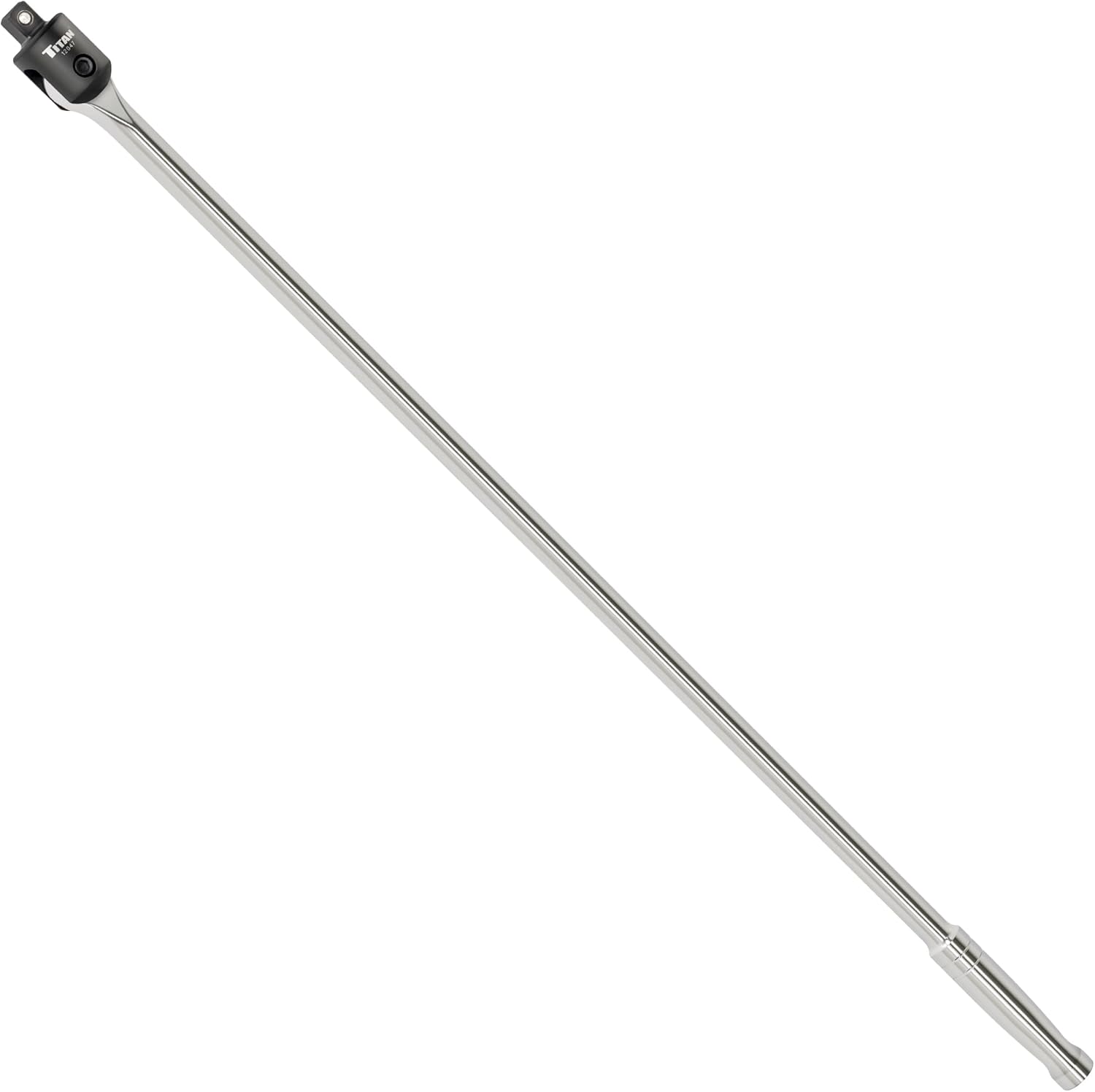
Recommended Tools for This Job


Grease, Recheck, and Reassemble
If the new parts are greaseable, add chassis grease until the dust boot just begins to swell. Do not overfill the boot to the point it distorts or pops the seal. Wipe off excess grease so you can later spot leaks or boot damage.
Reinstall the wheel, hand-tighten the lug nuts, lower the vehicle, and torque the lug nuts in the proper pattern. Turn the steering wheel lock-to-lock and watch for boot twisting, component interference, or contact with brake hoses, sway bar links, or wheel rims.
- Verify every castle nut has a fresh cotter pin installed.
- Make sure all jam nuts and sleeve clamps are tight.
- Check that boots are seated correctly and not pinched.
- Confirm grease fittings clear nearby components.
Set It Close Enough to Drive to Alignment
Any change to tie rod length changes toe. Matching thread count or exposed thread length is only a temporary setup, not a final adjustment. If the steering wheel is obviously off-center or the tires look toed in or out, do not drive at highway speeds until the settings are corrected.
A simple DIY toe check can help you get close enough for a short drive. Measure between the front edges of the front tires at hub height, then measure between the rear edges at the same height. Compare the numbers and adjust the tie rods evenly side to side if your design allows it. Keep the steering wheel centered during the process.
This is not a substitute for a professional alignment. Final toe, steering wheel centering, and any camber or caster adjustments must be set on alignment equipment.
Road Test and Final Inspection
Start with a slow test in a safe area. Listen for clunks, binding, or popping while turning the wheel from side to side. The steering should feel tighter and more predictable than before, with no unusual resistance.
After a short drive, recheck accessible fasteners, jam nuts, cotter pins, and grease boots. On greaseable components, look for grease pushing past the boot seal, which can indicate overfilling or a damaged boot.
Get a professional alignment immediately after the repair. Driving too long with incorrect toe can ruin front tires very quickly and may make the vehicle unstable in emergency maneuvers.
Mistakes to Avoid
- Skipping diagnosis and replacing the wrong component while the actual play remains elsewhere in the steering or suspension.
- Forgetting to loosen the jam nut before separating a threaded tie rod end.
- Damaging threads by striking the stud directly with a hammer.
- Reusing cotter pins or ignoring one-time-use hardware requirements.
- Guessing on torque values instead of using service information.
- Driving normally without a post-repair alignment.
Key Takeaways
- Confirm exactly which steering joint is loose before buying parts, since wheel play can also come from ball joints or bearings.
- Measure thread length, mark jam nuts, and count removal turns so the new linkage goes back close enough for an alignment trip.
- Torque every tapered stud and fastener to spec, then install fresh cotter pins and grease only parts designed to be serviced.
- Do not treat a tape-measure toe setting as final; schedule a professional alignment immediately after replacement.
- If parts are seized, press-fit, or heavily rusted, it is safer and often cheaper to let a shop finish the repair.
FAQ
Which Steering Components Wear Out Most Often?
The most common wear items are outer tie rod ends, inner tie rods, drag links, idler arms, pitman arms on older truck-style systems, and sometimes ball joints that affect steering stability. Rubber boots cracking and losing grease often accelerates wear.
Can I Replace Just One Tie Rod End, or Should I Do Both Sides?
You can replace only the failed side, but many DIYers replace both outer tie rod ends together if mileage is high and both parts are original. If one side is clearly worn and the other still feels tight, replacing only the bad part is acceptable.
Do I Always Need an Alignment After Replacing Steering Components?
Yes, if you replaced any adjustable steering linkage such as a tie rod, sleeve, drag link, or center link connection that affects toe or steering wheel position. Even if you match the old length carefully, it is only close enough for a temporary setup.
Is It Safe to Drive with Worn Steering Components?
It is risky. Worn joints can cause wandering, poor tire wear, and in severe cases a joint can separate. If the steering feels loose, clunks badly, or shows visible joint play, repair it before regular driving.
Should I Use a Pickle Fork to Separate Tie Rods and Ball Joints?
A pickle fork works, but it often destroys the dust boot, which is fine only if the part is being replaced. If you are trying to preserve the joint or nearby boots, a puller-style separator is usually the better choice.
How Tight Should I Grease New Steering Components?
For greaseable joints, pump grease in until the boot just starts to swell slightly. Stop there. Overgreasing can rupture the boot or force grease past the seal.
What if the New Steering Part Is Not Exactly the Same Length as the Old One?
Minor visual differences can be normal between brands, but the critical dimensions and fitment points must match. Compare stud taper, thread size, bend, and overall adjustability. If it will not match the old installed length closely, verify the part number before installing it.
Need Parts for This Repair?
The right parts and supplies vary by vehicle.
Select your make and model to find compatible parts and accessories for your car.
Exact Fit
Parts that fit your make and model
Quality You Can Trust
Top brands and OEM quality options
Fast Shipping
Get the parts you need, delivered fast