

Note: This article contains affiliate links. If you click on these links and make a purchase, I may earn a small commission at no extra cost to you. This helps support my research and content. Read my full affiliate disclosure here.
Repair Snapshot
Use a mechanic if the subframe must be lowered significantly, rust has seized the steering or hydraulic fittings, or your vehicle requires electronic steering angle calibration after installation.
This article is part of our Suspension and Steering Maintenance & Repair Guides.
Replacing a steering rack is one of the more involved front-end repairs a DIYer can tackle, because the job affects steering control, tie rod position, hydraulic lines or electrical connections, and often the front subframe area.
On many vehicles, the rack-and-pinion assembly bolts to the front crossmember and connects to the steering column and both front wheels through the tie rods. The basic process is similar across platforms, but access can vary a lot. Some cars allow the rack to slide out with only the tie rods and steering shaft disconnected, while others require partial subframe lowering, exhaust clearance work, or careful routing around sway bars and lines.
Before you begin, get a service manual or factory torque specs for your exact year, make, engine, and drivetrain. This article covers the typical replacement workflow, the places DIYers most often run into trouble, and the checks you should perform before driving the vehicle.
Before You Start
Confirm that the steering rack is actually the failed part. Common symptoms include power steering fluid leaking from the rack boots or housing, excessive play at the steering wheel, hard steering, internal binding, or clunking that remains after tie rods, ball joints, and intermediate shaft issues have been ruled out.
If your vehicle uses hydraulic power steering, inspect the pressure and return hoses, pump, reservoir, and cooler lines before condemning the rack. If it uses electric power steering integrated into the rack, scan for steering-related fault codes and verify whether steering angle sensor calibration or module programming will be required after installation.
Important Preparation Steps
- Park on a level surface, set the parking brake, and chock the rear wheels.
- Straighten the front wheels and keep the steering wheel centered before disconnecting anything.
- Disconnect the negative battery cable, especially on vehicles with electric steering or steering wheel angle sensors.
- Take photos of hose routing, heat shields, brackets, and steering shaft orientation before removal.
- Check whether the replacement rack includes inner tie rods, outer tie rods, bushings, boots, and mounting hardware.
Centering matters. If the steering wheel turns freely after the intermediate shaft is disconnected, you can damage the clockspring in the steering column. Use the seat belt or a steering wheel holder to keep the wheel from rotating once the shaft is disconnected.
How to Access the Steering Rack
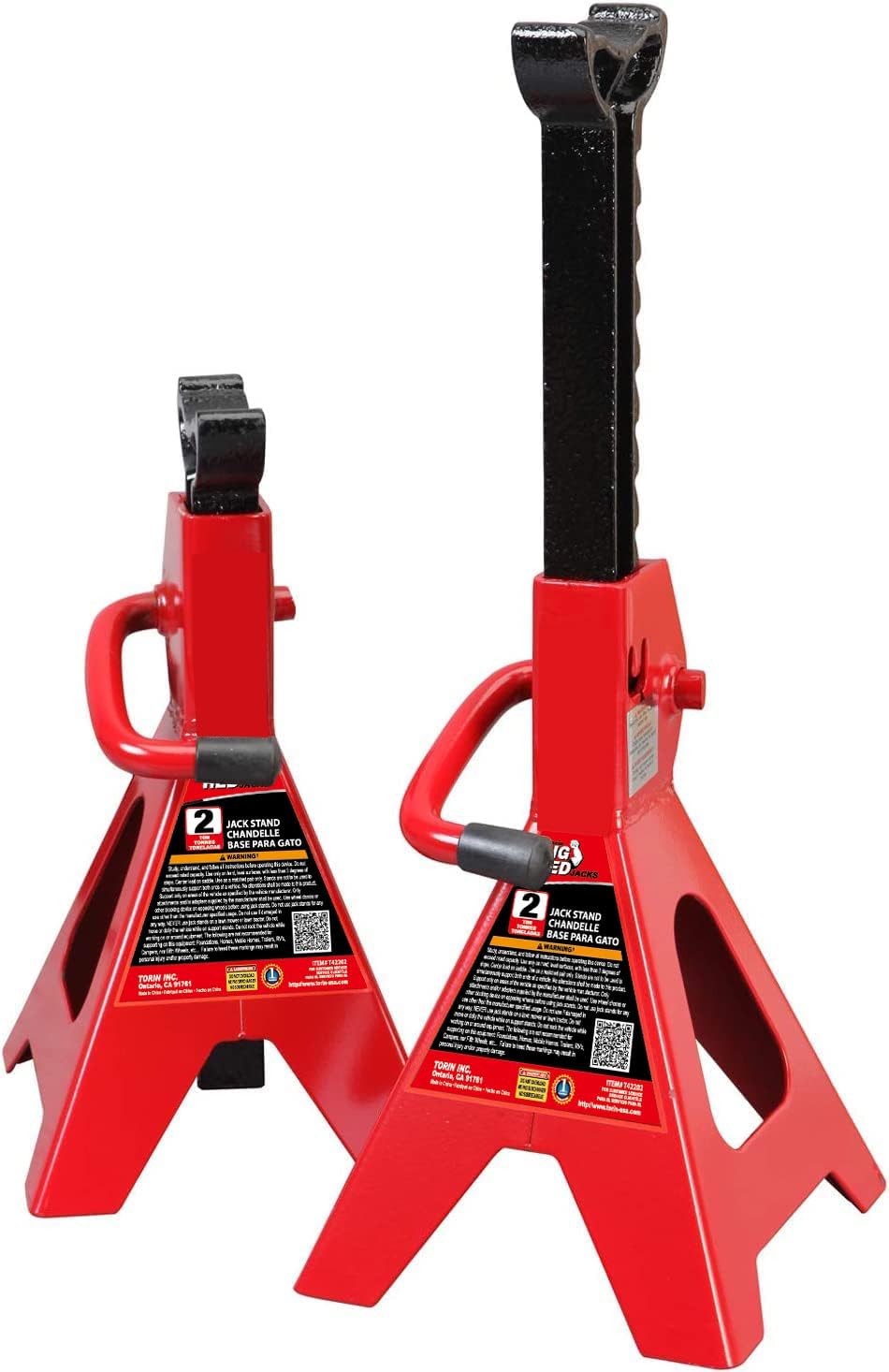
Loosen the front wheel lug nuts slightly, then raise the front of the vehicle and support it securely on jack stands placed under approved lift points. Remove both front wheels so you can reach the tie rod ends and see the rack area clearly.
Most steering racks are accessed from below. Remove any splash shields, undertrays, or skid plates blocking the subframe and steering assembly. Spray penetrating oil on outer tie rod nuts, rack mounting bolts, steering shaft pinch bolt, and power steering line fittings early so it has time to work.
Parts Commonly Removed for Clearance
- Front wheels
- Engine undercovers or splash shields
- Outer tie rod ends from the steering knuckles
- Sway bar brackets or links on some vehicles
- Front exhaust brace, cross brace, or heat shields on some vehicles
- Subframe bolts loosened or partially lowered on tighter layouts
Do not assume your rack will slide out without moving the subframe. On many front-wheel-drive vehicles, you may need to support the engine cradle or front subframe and lower it slightly to create enough room. If that is required, support the subframe carefully and loosen bolts evenly. Never remove major structural bolts until you understand what else they support.
Tools That Make This Job Easier


Removing the Old Steering Rack
Disconnect the Outer Tie Rod Ends
Remove the cotter pin and castle nut, or the prevailing-torque nut depending on design, from each outer tie rod end. Use a tie rod separator or puller to free the stud from the steering knuckle. Avoid hammering directly on the threaded stud unless you plan to replace that part.
If you are reusing the outer tie rod ends, count the turns required to remove them from the inner tie rods or measure the exposed thread length on each side. This will help you install the new rack close enough for transport to the alignment shop, but it is not a substitute for a real alignment.
Disconnect the Steering Shaft
Locate the intermediate steering shaft where it clamps to the rack input shaft. Mark the shaft and coupling relationship with a paint marker. Remove the pinch bolt completely if the design requires it, then slide the coupling off the rack input. Keep the steering wheel locked in the centered position to protect the clockspring.
Disconnect Hydraulic Lines or Electrical Connectors
For hydraulic systems, place a drain pan under the rack and remove the power steering pressure and return lines using the correct line wrench or flare nut wrench. Expect fluid loss. Cap or plug the lines if possible to reduce contamination and drips. Be careful not to round off soft fittings.
For electric racks, disconnect the main electrical connector and any retaining clips or brackets attached to the housing. Inspect connector locks carefully so you do not break them during removal.
Unbolt and Remove the Rack
Support the rack with one hand or a small jack, then remove the rack mounting bolts and brackets. Some racks use bushings or spacers that must go back in the same orientation. Once unbolted, work the rack out through the wheel well or subframe opening. You may need to rotate it carefully to clear hoses, the sway bar, or the exhaust.
If the rack will not come out, stop and recheck for hidden fasteners, brackets, line retainers, or a subframe that needs to be lowered slightly more. Forcing it out can bend lines, tear boots, or damage the new unit during installation.
Preparing the New Rack for Installation
Set the old and new rack side by side before installing anything. Compare overall length, input shaft shape, line port position, bracket locations, mounting points, and tie rod style. Many replacement problems happen because the rack is close, but not exact.
- Transfer heat shields, bushings, brackets, sensors, or line clamps from the old rack if the new one does not include them.
- Install new inner or outer tie rod components if they are not preassembled.
- Center the new rack by turning it gently from lock to lock and then counting back to the middle position.
- Match left and right tie rod lengths as closely as possible to the old assembly.
- Verify boot clamps are secure and the rack moves smoothly without tight spots.
Do not spin the input shaft randomly once the rack is centered. Keep it near center so your steering wheel alignment stays close during reassembly. If your replacement unit came with shipping locks or centering clips, follow the included instructions before removing them.
Installing the New Steering Rack
Position and Mount the Rack
Guide the new rack into place using the same path as removal. Be patient and avoid damaging the rack boots or power steering fittings. Install mounting bolts and brackets finger-tight first, then torque them to the vehicle manufacturer specification once the rack is fully seated.
If the rack mounts through rubber or polyurethane bushings, make sure any sleeves, washers, and brackets are installed in the correct order. Incorrect bushing placement can create steering movement, noise, or mounting stress.
Reconnect the Steering Shaft
Align the marks you made earlier and slide the intermediate shaft back onto the rack input shaft. The coupling should seat fully before the pinch bolt is installed. Torque the pinch bolt to spec. This fastener is critical to steering safety, and some vehicles require a new bolt.
Reconnect Lines, Wiring, and Tie Rods
Reconnect hydraulic pressure and return lines carefully by hand first to avoid cross-threading. Tighten to specification, not by feel alone. Reattach any brackets that support the lines so vibration does not stress the fittings later.
Reconnect electrical plugs on electric racks and secure wiring away from heat and moving parts. Then install the outer tie rod ends into the steering knuckles. Torque the tie rod end nuts to spec and install new cotter pins where required. If the stud spins, apply upward pressure to the joint while tightening.
Reinstall any sway bar brackets, braces, shields, and undercovers removed for access. If you lowered the subframe, raise it carefully and torque all subframe fasteners in the specified sequence and to the proper angle or torque value. Some manufacturers require new torque-to-yield bolts.
Recommended Tools for This Job


Bleeding the Steering System and Final Adjustment
Hydraulic power steering systems must be bled carefully after rack replacement. Filling and immediately holding the wheel against the stops can aerate the fluid and damage the pump. Always use the exact fluid type specified by the vehicle manufacturer.
Typical Hydraulic Bleeding Process
- With the front wheels still off the ground and the engine off, fill the reservoir to the proper level.
- Turn the steering wheel slowly from stop to stop several times without forcing it hard against the ends.
- Check fluid level and add as needed.
- Start the engine briefly and continue turning the wheel slowly left and right while watching for bubbles or foam.
- Shut the engine off, let the foam dissipate, and repeat until the fluid stays clear and the steering feels smooth.
Watch closely for leaks at the rack fittings, hose crimps, and rack boots during bleeding. A boot that begins filling with fluid can indicate an internal rack seal problem even on a remanufactured unit.
If Your Vehicle Uses Electric Power Steering
Electric racks do not need fluid bleeding, but they may require steering angle sensor calibration, torque sensor initialization, or scan tool procedures after installation. If the steering wheel is off-center, warning lights are on, or assist is reduced, do not ignore it. Follow the manufacturer procedure or have a qualified shop perform the calibration.
Torque, Alignment, and Road-Test Checks
Exact torque values vary widely, so always use your vehicle’s specifications. The most critical fasteners are usually the rack mounting bolts, steering shaft pinch bolt, tie rod end nuts, subframe bolts, and hydraulic line fittings. Do not guess on these.
Even if you counted tie rod turns perfectly, the vehicle still needs a professional wheel alignment after steering rack replacement. Toe can be far enough off to cause unstable handling, rapid tire wear, or a crooked steering wheel.
Checks to Perform Before Driving
- Confirm the steering wheel is near center with the front wheels pointed straight ahead.
- Check that all tools are removed from the engine bay and undercar area.
- Inspect for fluid leaks with the engine running and the wheel turned both directions.
- Verify that the steering shaft coupling bolt is fully installed and torqued.
- Make sure all subframe, brace, and suspension fasteners are tightened to spec.
On the first drive, start slowly in a parking lot. Listen for clunks, binding, or pump whine, and feel for smooth assist in both directions. If the steering wheel is badly off-center, the vehicle wanders, or any warning light appears, stop and recheck the installation before continuing.
Common Problems During Steering Rack Replacement
Rust, seized fittings, and tight packaging are the biggest reasons this repair becomes frustrating. A rounded pressure line fitting or a frozen steering shaft coupling can turn a one-day job into a multi-day repair.
- If the steering shaft will not slide off, confirm the pinch bolt is fully removed and use penetrating oil plus gentle prying, not excessive hammering.
- If a hydraulic line fitting resists, use the correct line wrench and support the mating line to prevent twisting.
- If the new rack seems off-center, recenter it before attaching the steering shaft and tie rods.
- If the steering wheel rotates while disconnected, inspect the clockspring risk before final reassembly.
- If a remanufactured rack arrives without transferred brackets or bushings, move them over before trying to install the unit.
When the job requires lowering the subframe substantially, dealing with corroded structural fasteners, or recalibrating electronic steering systems, many DIYers are better off stopping and handing the final installation to a professional shop.
Key Takeaways
- Keep the steering wheel centered and locked once the intermediate shaft is disconnected to avoid clockspring damage.
- Compare the old and new rack carefully and center the new rack before installing tie rods or reconnecting the steering shaft.
- Use proper line wrenches and exact torque specs on steering shaft, rack mount, subframe, and hydraulic fittings.
- Bleed hydraulic systems slowly and check for leaks or foamy fluid before the first road test.
- Always get a professional wheel alignment after replacing a steering rack, even if tie rod lengths were matched.
FAQ
Can I Replace a Steering Rack at Home?
Yes, but it is generally a hard DIY repair. It involves critical steering components, possible hydraulic fluid handling, and sometimes partial subframe lowering. If access is poor or the vehicle needs electronic steering calibration, professional help may be the safer choice.
Do I Need an Alignment After Replacing a Steering Rack?
Yes. Even if you reinstall the tie rods in nearly the same position, front toe will rarely be exact. Driving without an alignment can cause poor handling, uneven tire wear, and an off-center steering wheel.
How Do I Know if the Steering Rack Is Centered Before Installation?
Turn the rack gently from one stop to the other, count the total travel, then rotate it back half that amount. Once centered, keep the input shaft from turning until the steering shaft and tie rods are installed.
Should I Replace the Outer Tie Rod Ends at the Same Time?
It is often a smart idea if they have any looseness, torn boots, or corrosion. Since they must be removed anyway, replacing worn tie rod ends during the job can save labor and improve the final alignment result.
Why Is My Power Steering Noisy After Replacing the Rack?
The most common cause is air trapped in the hydraulic system. Recheck fluid level, bleed the system again slowly, and inspect the suction side of the system for leaks that can draw in air. Also confirm the correct fluid type was used.
Can a Bad Steering Rack Cause Fluid Inside the Rack Boots?
Yes. Fluid inside the accordion boots often indicates the rack’s internal seals are leaking. However, you should still inspect nearby hoses and fittings to make sure the fluid is not coming from an external leak.
Is It Safe to Drive with a Newly Replaced Steering Rack Before Alignment?
Only for a short, careful trip to an alignment shop if the steering feels normal and the toe is close enough for safe travel. If the steering wheel is far off-center, the vehicle pulls strongly, or anything binds, do not drive it until the problem is corrected.
Need Parts for This Repair?
The right parts and supplies vary by vehicle.
Select your make and model to find compatible parts and accessories for your car.
Exact Fit
Parts that fit your make and model
Quality You Can Trust
Top brands and OEM quality options
Fast Shipping
Get the parts you need, delivered fast