

Note: This article contains affiliate links. If you click on these links and make a purchase, I may earn a small commission at no extra cost to you. This helps support my research and content. Read my full affiliate disclosure here.
Repair Snapshot
Use a mechanic if the pump pulley requires specialty tools you do not have, if fittings are heavily corroded, or if your vehicle uses an electro-hydraulic steering system. A shop is also the safer choice if you are not comfortable bleeding the system or working around belts and raised vehicles.
This article is part of our Suspension and Steering Maintenance & Repair Guides.
Replacing a power steering pump is a doable DIY repair if you work carefully, use the right pulley tools, and follow the correct bleeding process. The job is usually straightforward on older hydraulic steering systems, but access can vary a lot by vehicle.
A failing pump often causes whining, stiff steering at low speed, fluid leaks around the pump shaft or reservoir, or foam in the fluid after startup. In some cases the pump is not the real problem, so it is smart to confirm the fluid level, belt condition, and hose leaks before replacing parts.
This guide covers the typical removal and installation process for a belt-driven hydraulic power steering pump. Always compare these steps with your service information, especially for fluid type, pulley depth, hose fitting torque, and any model-specific bleeding steps.
Before You Start
Power steering pump replacement is not the same on every car, truck, or SUV. Some pumps come with the pulley already installed, some require transferring the pulley from the old pump, and some include the reservoir while others do not. Check the new part before disassembly so you know whether you need additional seals, a pulley, or a reservoir.
Look closely at the old system first. If the fluid is low because of a split return hose, leaking rack-and-pinion, or loose clamp, replacing the pump alone will not fix the issue. A pump that whines can also be caused by air in the system or the wrong fluid.
- Confirm the replacement pump matches your engine size, drive configuration, and reservoir style.
- Verify the exact fluid specification; many late-model vehicles do not use generic power steering fluid.
- Inspect the belt, tensioner, hoses, and rack boots for leaks or damage before ordering parts.
- Plan for a clean work area because contamination inside the pump or hoses can shorten pump life.
Symptoms That Point to a Bad Power Steering Pump
A bad pump usually gives warning signs before it fails completely. The most common is a whining or groaning noise that changes with engine speed, especially while turning the wheel near full lock. You may also notice steering effort increase at parking-lot speeds.
Leaks at the pump shaft seal or front housing are another common clue. If the pulley area is wet with steering fluid, the pump seal may be failing. A dark, burnt-smelling fluid or metal debris in the reservoir can also indicate internal wear.
Do not assume every steering noise means the pump is bad. A slipping belt, plugged reservoir screen, air entering through the return hose, or an internal steering rack problem can create similar symptoms. If the steering was normal until the fluid ran low, find and repair the leak first.
Preparation and Safe Vehicle Setup
Cool the Engine and Disconnect Power
Park on level ground, set the parking brake, and let the engine cool. Disconnect the negative battery cable if your work area is tight around the belt drive or cooling fan. This helps prevent accidental starts and avoids surprises around electric fans.
Raise the Front End if Needed
Many vehicles bleed more easily with the front wheels off the ground. If you need more access from below or want easier steering movement during bleeding, raise the front of the vehicle and support it securely with jack stands placed at approved lift points.
Protect Against Fluid Spills
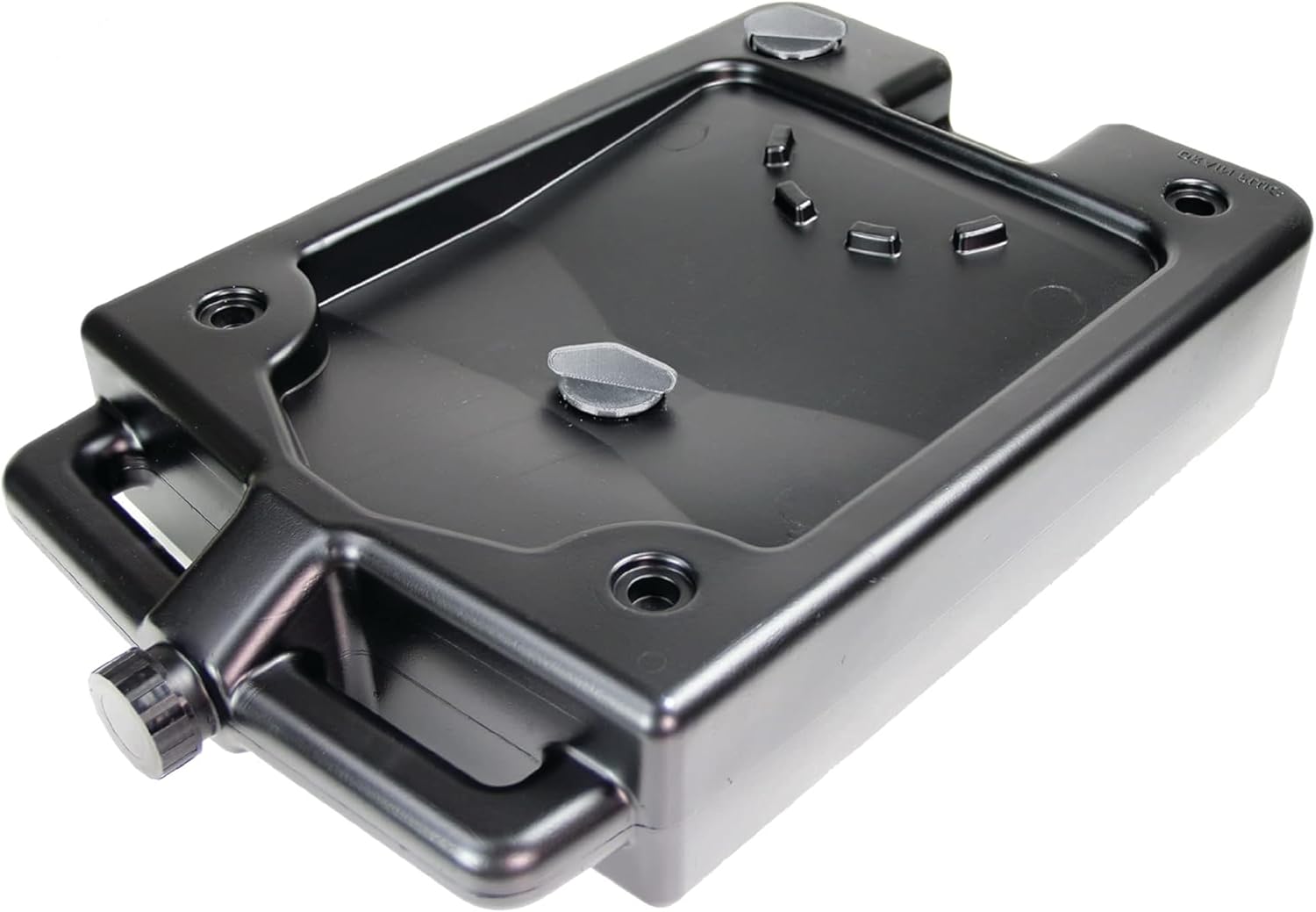
Power steering fluid can damage some rubber parts and make a mess on belts and painted surfaces. Place a drain pan under the pump area, keep rags nearby, and wipe spills quickly. If fluid gets on the belt, replace the belt if it becomes saturated or continues to slip.
Remove the Serpentine Belt and Drain the System
Before removing the belt, sketch the belt routing or take a clear photo. Use the tensioner release point with a serpentine belt tool or breaker bar, rotate the tensioner, and slip the belt off the power steering pump pulley. If the belt is cracked, glazed, or fluid-soaked, now is a good time to replace it.
Next, remove as much old fluid as possible from the reservoir with a suction tool or turkey baster dedicated to automotive use. Then loosen the return hose at the reservoir or pump and direct it into a drain pan. Expect more fluid to spill when the pressure line is disconnected.
On some vehicles, you can slowly turn the steering wheel by hand with the engine off to help push more fluid out of the gear and lines. Do this only with the front wheels raised and never force the steering against the stops.
Tools That Make This Job Easier


Disconnect Hoses, Brackets, and the Old Pump
Disconnect the Pressure and Return Lines
Use the correct wrench or line wrench on the pressure fitting to reduce the chance of rounding it off. Remove the low-pressure return hose clamp and pull off the hose. Plug or cap the lines if possible to reduce contamination and dripping.
Remove Any Brackets or Accessories Blocking Access
Some engines require moving an idler pulley, alternator bracket, splash shield, or engine cover before the pump can come out. Keep bolts organized by location because mounting bolt lengths can vary.
Unbolt and Remove the Pump
The pump may have front-access bolts through holes in the pulley or rear mounting bolts through a bracket. Rotate the pulley by hand to align the holes with the bolts if needed. Support the pump with one hand as the last fastener comes out, then maneuver it out of the engine bay.
If the reservoir is separate or reusable, transfer it only after checking for cracks and hardened grommets. If the old reservoir contains debris, replacing it is often better than reusing it.
Transfer the Pulley and Reservoir if Required
Many replacement pumps do not include a pulley. Do not hammer the pulley off or press it on with makeshift tools. Use a proper power steering pulley puller to remove the old pulley and the matching installer to press it onto the new pump shaft.
Pulley depth matters. The pulley must sit at the correct position on the pump shaft so the belt runs true with the other accessory pulleys. Compare the installed depth to the old pump or service information before final assembly.
If you are transferring a reservoir, replace any O-rings, seals, or grommets included with the new pump. Lubricate fresh seals lightly with the specified fluid before installation so they do not tear or pinch.
- Never strike the pulley with a hammer.
- Do not use a generic jaw puller unless the service manual specifically allows it.
- Check pulley alignment before installing the belt.
- Replace brittle reservoir seals and hose grommets during reassembly.
Install the New Power Steering Pump
Position the new pump in place and start all mounting bolts by hand to avoid cross-threading. Tighten the bolts evenly, then torque them to the manufacturer’s specification. If you do not have the exact spec, stop and look it up for your vehicle instead of guessing, especially on aluminum brackets.
Reconnect the pressure line with a new O-ring or sealing washer if required. Thread the fitting in by hand first, then tighten with the correct wrench. Reattach the return hose and secure it with a good clamp. Any small air leak on the suction side can cause foaming and pump noise after startup.
Reinstall any brackets, shields, or nearby components you removed for access. Once the pump and lines are secure, route the serpentine belt according to the belt diagram and release the tensioner slowly. Double-check that every belt rib is seated correctly in every pulley.
Torque and Fitment Notes
Mounting bolt torque, pressure fitting torque, and pulley installation depth are all vehicle-specific. These are critical details on power steering repairs. Over-tightening a line fitting can crack the pump housing or distort a seal, while under-tightening can create a leak that draws in air.
Refill and Bleed the Power Steering System
Bleeding is the step that makes or breaks this repair. Fill the reservoir to the cold mark with the exact specified fluid. With the engine still off and the front wheels raised if possible, turn the steering wheel slowly from lock to lock several times. Do not hold it hard against either stop.
Check the fluid level again and add more as needed. When the level stabilizes, start the engine briefly and let it idle. Continue turning the wheel slowly side to side. Watch for bubbles, foam, or a sudden drop in the reservoir level. Shut the engine off if the fluid becomes very foamy and allow the air to dissipate before continuing.
Repeat the process until the steering is smooth, the fluid stays clear, and pump noise is gone or greatly reduced. Some systems require several heat cycles to purge all remaining air. Top off the fluid only to the correct level; overfilling can cause overflow when the fluid warms up.
Common Bleeding Mistakes
- Starting the engine with the reservoir nearly empty.
- Using the wrong fluid type.
- Turning the steering wheel rapidly, which churns air into the fluid.
- Holding the wheel against full lock for more than a moment.
- Ignoring a loose return hose that allows air into the system.
Recommended Tools for This Job


Final Checks and Test Drive
With the engine idling, inspect the pump body, hose connections, reservoir seams, and pressure fitting for leaks. Look at belt tracking while the engine runs. A pulley installed to the wrong depth can cause belt chirp, edge wear, or the belt walking out of alignment.
Lower the vehicle if it was raised and take a short test drive in a safe area. The steering should feel consistent and reasonably light at low speed with no whining, groaning, or jerking through the wheel. After the drive, recheck the fluid level and look again for leaks.
If noise continues after proper bleeding, do not automatically blame the new pump. Reinspect for air leaks on the suction side, a contaminated reservoir, a slipping belt, or internal problems in the steering rack or gear.
Common Problems After Replacement
Whining Noise Remains
Persistent whining usually means air is still trapped in the system, the fluid type is incorrect, or the return side is sucking air through a loose clamp or damaged hose. Recheck fluid level and bleed again slowly.
Fluid Foams in the Reservoir
Foam points to aeration. Inspect the return hose, reservoir seal, and any O-rings at the pump inlet side. Even a small suction leak can cause constant bubbles without leaving an obvious fluid drip.
Steering Is Still Hard
Hard steering after pump replacement can mean the system is still low on fluid, the pump pulley is misaligned, the belt is slipping, or the rack-and-pinion or steering gear has an internal problem. A clogged pressure hose or failed steering rack can mimic pump failure.
New Leaks Appear
Leaks often come from reused seals, cross-threaded fittings, or over-tightened line connections. Clean the area thoroughly, run the engine, and identify the exact source before tightening anything further.
When Replacement Is Not the Best First Repair
A pump should not be replaced just because the steering got noisy once after the fluid ran low. If the belt is loose, the fluid is old but the pump still builds pressure, or the return hose is leaking air, fixing those issues may restore normal steering without a pump.
Likewise, if metal debris is present in the fluid, the rest of the system may need more attention than a pump alone. In severe cases, flushing the lines and inspecting the rack or gear is important so contamination does not damage the replacement pump.
Key Takeaways
- Confirm the pump is truly faulty before replacement by checking fluid level, hoses, belt condition, and steering rack leaks.
- Use the correct pulley puller and installer because improper pulley removal or installation can ruin the new pump.
- Replace O-rings and seals on line connections and watch for suction-side air leaks that cause foaming and whining.
- Bleed the system slowly with the correct fluid and never hold the wheel hard against the steering stops.
- Recheck pulley alignment, fluid level, and leaks after the test drive before calling the repair finished.
FAQ
Can I Drive with a Bad Power Steering Pump?
Sometimes you can drive a short distance, but it is not a good idea. Steering effort can increase suddenly, the pump can seize, and a failing pump may throw the belt or damage other accessories if it locks up.
Do I Always Need a Pulley Puller to Replace a Power Steering Pump?
No, but many vehicles do. If the new pump does not come with the pulley installed, you usually need a dedicated puller and installer set to transfer the pulley without damaging the shaft or pulley.
What Fluid Should I Use After Replacing the Pump?
Use only the fluid specified by the vehicle manufacturer. Some systems use dedicated power steering fluid, while others require a certain automatic transmission fluid or a special hydraulic fluid. Using the wrong fluid can cause noise, seal damage, or poor steering feel.
Why Is My New Power Steering Pump Still Whining?
The most common causes are trapped air, a low fluid level, the wrong fluid, a loose return hose, or a suction-side air leak. Continued whining can also happen if contamination remains in the system or the steering rack has an internal issue.
Should I Replace the Power Steering Hoses when I Replace the Pump?
Not always, but inspect them carefully. Replace hoses that are cracked, swollen, leaking, or heavily corroded at the fittings. A weak return hose or leaking pressure line can quickly cause problems for the new pump.
Do I Need to Flush the System when Replacing the Pump?
A partial or full flush is a smart idea if the old fluid is dark, burnt, or contaminated. Removing old fluid and debris helps protect the new pump and can reduce repeat noise or premature wear.
How Long Does It Take to Replace a Power Steering Pump at Home?
Most DIYers should expect about 2 to 5 hours, depending on access, whether the pulley must be transferred, and how long it takes to bleed the system fully.
Need Parts for This Repair?
The right parts and supplies vary by vehicle.
Select your make and model to find compatible parts and accessories for your car.
Exact Fit
Parts that fit your make and model
Quality You Can Trust
Top brands and OEM quality options
Fast Shipping
Get the parts you need, delivered fast