

Note: This article contains affiliate links. If you click on these links and make a purchase, I may earn a small commission at no extra cost to you. This helps support my research and content. Read my full affiliate disclosure here.
Repair Snapshot
Use a mechanic if the spring pack is heavily rusted, fasteners are seized, the axle must be repositioned precisely, or manufacturer torque specs are unavailable. A shop is also safer if your vehicle has severe corrosion or heavy-duty suspension components that are difficult to handle alone.
This article is part of our Suspension and Steering Maintenance & Repair Guides.
Replacing leaf springs restores ride height, improves load support, and can eliminate clunks, sagging, axle shift, and unstable handling on trucks, vans, and trailers. The job is straightforward in theory, but the hardware is often rusty, the components are heavy, and safe support of the frame and axle is critical.
Most DIYers replace leaf springs because one side is sagging, a leaf has cracked, the bushings are worn out, or the vehicle sits unevenly under normal load. In nearly all cases, you should replace leaf springs in pairs on the same axle so the suspension height and spring rate stay balanced side to side.
Before you start, confirm the replacement spring matches your vehicle’s year, make, model, axle configuration, and load rating. Have new U-bolts ready as well, because reusing old U-bolts is generally not recommended after removal.
Before You Begin
Confirm the Problem Is Really the Leaf Spring
A broken or worn leaf spring usually shows up as a visibly cracked leaf, a rear corner that sits lower than the other side, a hard metallic clunk over bumps, axle misalignment, or severe bushing wear at the spring eyes or shackles. If the vehicle still sits level and the spring pack is intact, inspect shocks, hangers, shackles, bump stops, and bushings before replacing the spring assembly.
Plan to Replace Related Hardware
The smartest approach is to install new U-bolts every time the spring is removed. Many manufacturers treat them as one-time-use hardware because they stretch when torqued. If the front or rear eye bolts are badly corroded, replace them too. Worn shackles and rubber or polyurethane bushings should also be handled now, since labor overlaps heavily with spring removal.
Work on Flat Ground Only
This job requires the frame to be supported while the axle hangs or is repositioned under a floor jack. Do not attempt it on dirt, gravel, an incline, or with a small emergency jack. You need stable support points under the frame and independent support under the axle housing.
How the Job Works
A leaf spring is mounted to the frame at the front eye and connected at the rear through a shackle or fixed mount, depending on design. The axle is clamped to the spring pack with U-bolts and a spring plate. To replace the spring, you support the frame, unload the axle, remove the U-bolts, disconnect the spring from its mounts, and then install the new spring in the same orientation.
The center pin in the leaf spring pack must seat correctly into the locating hole in the axle perch. If it is not aligned, the axle can sit crooked, causing handling issues, tire wear, driveline vibration, or dangerous movement under braking.
Preparation and Safe Lifting
Loosen Wheels and Soak Hardware
With the vehicle on the ground, slightly loosen the lug nuts on the side you are servicing. Then spray penetrating oil on the U-bolt nuts, spring eye bolts, shackle bolts, and any visible hanger hardware. If the truck is older or rust-belt exposed, do this well ahead of time and repeat it before disassembly.
Support the Frame, Not the Axle
Chock the front wheels securely. Raise the rear of the vehicle by the frame and place heavy-duty jack stands under solid frame points ahead of the leaf spring hangers. The rear axle still needs support from a floor jack so it can be lowered or raised slightly during removal and installation.
- Leave the floor jack lightly supporting the axle tube or differential.
- Remove the wheel for better access.
- If the vehicle has heavy suspension preload, keep your body clear of the spring’s path while lowering the axle.
- Never rely on the floor jack alone to hold up the vehicle.
Tools That Make This Job Easier


Removing the Old Leaf Spring
Disconnect Anything That Limits Axle Droop
On some vehicles, the shocks, sway bar links, brake line brackets, or parking brake cable brackets can limit axle movement. You may not need to remove all of them, but if the axle cannot drop enough to release tension on the spring, disconnect what is necessary according to the vehicle design. Do not stretch brake hoses.
Remove the U-bolts and Spring Plate
Use the floor jack to just support the axle so the spring is not bound. Remove the U-bolt nuts evenly, then remove the spring plate and the U-bolts. Once the clamp force is gone, verify the axle is still stable on the jack. If rust makes the nuts nearly impossible to remove, heat or cutting may be required, which is one reason this job often turns into a professional repair.
Separate the Axle From the Spring
Lower or raise the axle slightly until the axle perch lifts clear of the spring’s center pin. Watch for brake hose tension and ABS wiring. The goal is to create enough room to slide the spring out once the eye bolts are removed.
Remove the Rear Shackle or Rear Mount Bolt
It is often easiest to disconnect the rear side first. Remove the nut and drive out the rear spring eye or shackle bolt. If the bolt is seized inside the bushing sleeve, penetrating oil, careful hammering, or cutting may be required. Support the spring so it does not drop unexpectedly.
Remove the Front Spring Eye Bolt
Remove the front eye bolt and lower the old spring out of the hanger. Compare the old spring to the new one immediately. Check overall length, arch, center pin location, bushing size, and orientation before installing anything.
Installing the New Leaf Spring
Position the Front Eye First
Install the new spring into the front hanger first and slide in the front eye bolt. Thread the nut on only finger-tight. Do not fully torque spring eye or shackle bolts while the suspension is hanging, because that can preload and twist bonded rubber bushings.
Attach the Rear of the Spring
Swing the spring into the rear shackle or rear mount and install the rear bolt. Again, leave it snug but not final-tight. If the shackle angle looks odd at full droop, that is normal until the suspension is loaded.
Align the Axle Perch with the Spring Center Pin
Raise the axle slowly with the floor jack until the locating hole in the axle perch drops over the spring’s center pin. This alignment must be exact. If needed, pry the spring slightly or shift the axle side to side until the pin seats fully.
Install New U-bolts and the Spring Plate
Place the spring plate in position and install the new U-bolts. Tighten the nuts gradually in a crisscross pattern so the plate draws down evenly. Use the vehicle manufacturer’s torque spec whenever available. U-bolt torque varies widely based on diameter and design, so do not guess if you can avoid it.
Torque, Bushing Load, and Final Tightening
Tighten Suspension Pivot Bolts at Normal Ride Height
This is one of the most important parts of the job. Spring eye and shackle bolts should generally be final-torqued with the suspension supporting the vehicle’s weight, or with the axle raised to simulate normal ride height. If you torque them with the suspension hanging, the bushings can be twisted at rest, leading to premature wear, squeaks, harshness, and reduced articulation.
Reinstall Anything Removed for Access
Reconnect shocks, sway bar links, brake line brackets, parking brake brackets, or other components removed earlier. Make sure no hose or cable is pinched between the axle and spring or stretched at full droop.
Reinstall the Wheel and Lower the Vehicle
Reinstall the wheel, snug the lug nuts, and lower the vehicle onto the ground. Bounce the rear suspension a few times to settle it. Then torque the spring eye bolts, shackle bolts, and lug nuts to specification. If the opposite spring is also being replaced, repeat the full process on that side before final ride-height torque where applicable.
Recommended Tools for This Job
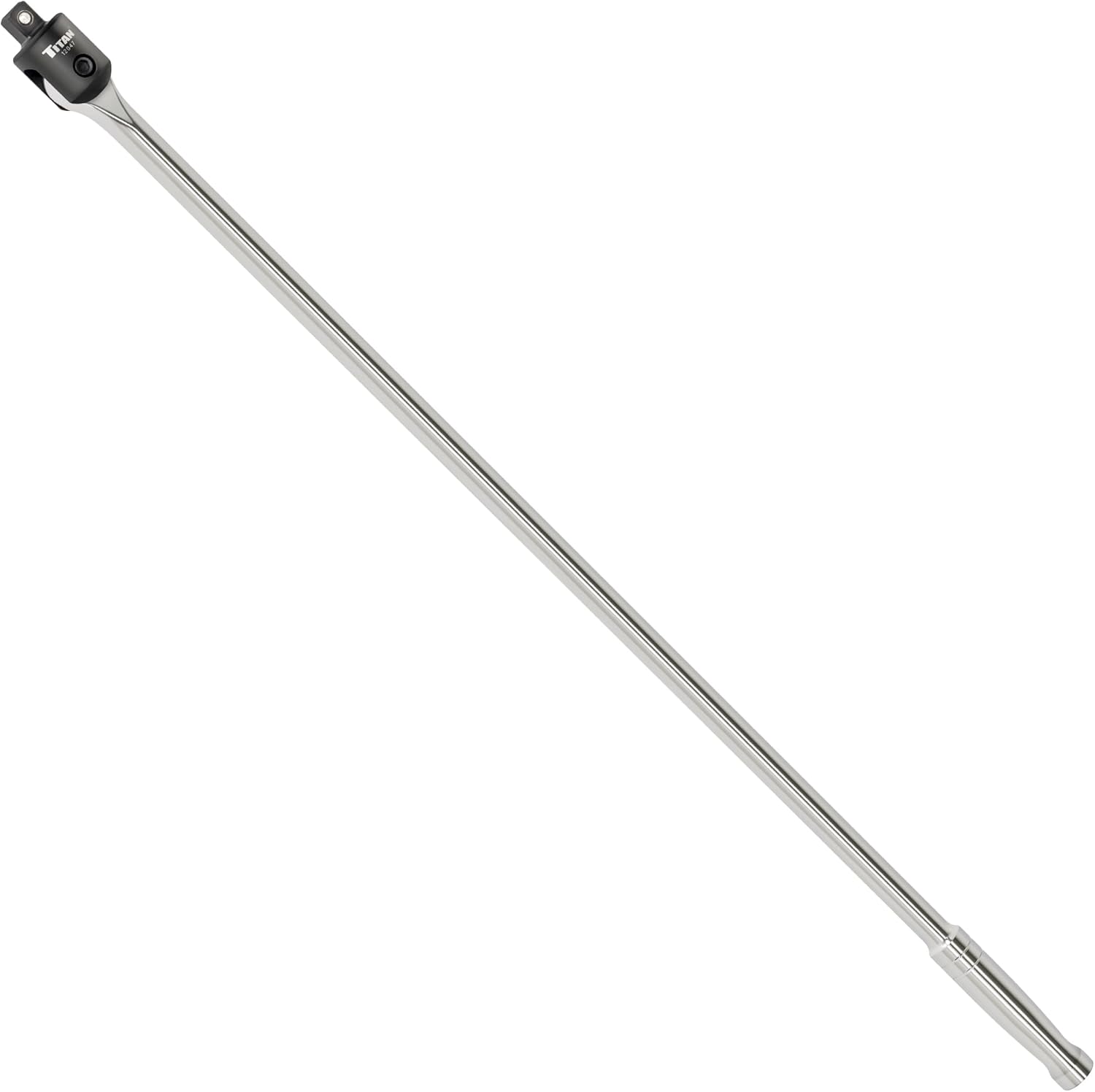


After the Replacement
Check Ride Height and Spring Orientation
Once both sides are complete, verify the vehicle sits level on flat ground. A slight difference may be normal if the fuel tank is full on one side or cargo is uneven, but a major lean suggests a wrong spring, incorrect installation, or a problem with shackles or hangers.
Test Drive Carefully
Take a short, low-speed test drive and listen for clunks, shifting, or metallic pops. The rear end should track straight, and the steering wheel should not be affected by axle movement. Recheck that the center pin remained seated and that the U-bolts are evenly tightened.
Retorque After Initial Use
Many leaf spring and U-bolt manufacturers recommend rechecking U-bolt torque after the first 50 to 100 miles because the stack can settle slightly after installation. This is especially important on work trucks, tow vehicles, and trailers.
Common Problems During This Repair
- A seized spring eye bolt may be rusted to the inner bushing sleeve and may need to be cut out.
- The axle can shift unexpectedly once the U-bolts are removed, so keep it supported at all times.
- Incorrect spring orientation can move the axle forward or backward if the center pin is offset.
- Torquing eye bolts with the suspension hanging can ruin new bushings quickly.
- Reusing old U-bolts can lead to clamp failure, noise, or axle movement.
If you run into severe corrosion, distorted hangers, cracked shackles, or damaged axle perches, stop and reassess. Installing new springs onto damaged mounting points will not fix the underlying issue and can create unsafe suspension geometry.
Do You Need an Alignment or Additional Service?
Most solid rear axle leaf spring replacements do not require a conventional wheel alignment by themselves, but the rear axle must sit square under the vehicle. If the vehicle dog-tracks, the steering wheel sits off-center afterward, or rear tire wear changes, have the suspension inspected. On vehicles with front leaf springs or specialty suspension setups, alignment may be necessary.
If you replaced springs because of overloading, check the shocks as well. Weak shocks can make a new spring feel unstable, especially when towing or carrying cargo.
Key Takeaways
- Replace leaf springs in matched pairs on the same axle and install new U-bolts instead of reusing old ones.
- Support the frame on jack stands and keep the axle controlled with a floor jack before removing any spring hardware.
- Make sure the axle perch fully seats on the spring center pin or the axle can sit crooked and cause handling problems.
- Final-torque spring eye and shackle bolts at normal ride height to avoid damaging the new bushings.
- Retorque the U-bolts after the first 50 to 100 miles if the spring or hardware manufacturer recommends it.
FAQ
Should I Replace Just One Leaf Spring or Both?
Replace both leaf springs on the same axle whenever possible. Even if only one side is broken, the other side is usually worn to a similar degree, and mismatched spring rates can leave the vehicle leaning or handling unevenly.
Do I Really Need New U-bolts?
In most cases, yes. U-bolts are commonly considered one-time-use hardware because they stretch when torqued. Reusing them can reduce clamping force and let the axle shift on the spring.
Can I Replace Leaf Spring Bushings Without Replacing the Whole Spring?
Yes, if the spring pack is still in good condition and the issue is only worn bushings. But if the spring is sagging, cracked, or has lost arch, replacing bushings alone will not solve the main problem.
How Do I Know the New Leaf Spring Is Installed in the Correct Direction?
Compare the new spring to the old one before installation. Some springs use an offset center pin, meaning the axle location changes if the spring is flipped. Match the front and rear orientation exactly and verify part numbers for your vehicle.
Will Replacing Leaf Springs Improve Ride Quality?
It can, especially if the old springs were broken, sagging, or binding at worn bushings. However, new heavy-duty springs may feel firmer than stock, so ride quality depends on the spring design and load rating you choose.
Do I Need to Disconnect the Shocks to Replace Leaf Springs?
Sometimes. If the shocks limit axle droop or keep the axle from moving enough to remove the spring, disconnecting the lower shock mounts is often helpful. It depends on the suspension layout and how much clearance you need.
What if the Spring Eye Bolt Is Stuck and Will Not Come Out?
A seized spring eye bolt is a common problem, especially in rusty areas. If penetrating oil and careful hammering do not free it, the bolt may be rusted to the bushing sleeve and need to be cut out. At that point, many DIYers choose to have a shop finish the job.
Need Parts for This Repair?
The right parts and supplies vary by vehicle.
Select your make and model to find compatible parts and accessories for your car.
Exact Fit
Parts that fit your make and model
Quality You Can Trust
Top brands and OEM quality options
Fast Shipping
Get the parts you need, delivered fast