

Note: This article contains affiliate links. If you click on these links and make a purchase, I may earn a small commission at no extra cost to you. This helps support my research and content. Read my full affiliate disclosure here.
Repair Snapshot
Use a mechanic if the frame mounts are badly rusted, the bolts are seized inside the bushings, or the spring pack is misaligned and difficult to control safely. A shop is also the better choice if cutting tools or welding may be required.
This article is part of our Suspension and Steering Maintenance & Repair Guides.
Replacing leaf spring shackles is a straightforward suspension repair on many trucks, vans, and older SUVs, but it has to be done with the axle and spring properly supported. The shackle connects the rear of the leaf spring to the frame and allows the spring to change length slightly as it flexes.
When shackles rust through, bend, or develop worn bushings, you may notice rear-end clunks, loose handling, uneven ride height, or visible metal damage under the vehicle. In severe cases, a broken shackle can let the spring shift out of position and create a major safety issue.
This guide walks through a typical rear leaf spring shackle replacement for a body-on-frame vehicle. Exact hardware size, bolt direction, and torque specs vary by make and model, so always compare the replacement parts to the originals and confirm the vehicle-specific service information before final tightening.
When Leaf Spring Shackles Need Replacement
Leaf spring shackles live in one of the harshest parts of the chassis. They are constantly exposed to water, road salt, dirt, and suspension movement. Over time, the side plates can rust thin, the bolts can seize in the bushings, and the bushings themselves can crack or collapse.
Common signs of a bad shackle include a clunk from the rear suspension over bumps, a rear corner that sits lower than the other side, wandering or unstable handling, and visible rust perforation or separation around the shackle plates. If one side has failed from corrosion, inspect the other side closely because it is often in similar condition.
- Replace the shackles if the metal is bent, cracked, or rusted through.
- Replace worn bushings at the same time if they are split, loose, or oil-soaked.
- Plan on replacing the hardware if the original bolts or nuts are heavily corroded.
- Inspect the spring eye and frame hanger carefully before installing new parts.
Before You Start
Work on Level Ground
Do this repair on a flat, solid surface. Set the parking brake only until the vehicle is positioned, then follow your vehicle’s lifting procedure. If you need the rear suspension to hang and move freely, wheel chocks at the front wheels are critical.
Understand What Must Be Supported
The frame and the rear axle usually need support at the same time. The frame must be safely supported on jack stands so the truck or SUV cannot drop. The axle also needs light support from a floor jack so you can raise or lower it slightly to take tension off the shackle bolts.
Expect Rust-related Delays
On older vehicles, seized hardware is the hardest part of the job. Spray penetrating oil on the shackle bolts, spring eye, and frame mount hardware ahead of time if possible. Clean exposed threads with a wire brush before trying to loosen the nuts.
Prepare the Vehicle and Suspension
The goal is to keep the frame fixed while the axle can move just enough to relieve pressure on the leaf spring. If the bolt feels jammed or will not slide out, slight axle height adjustment is usually the fix. Raising or lowering the axle a small amount changes the spring angle and takes bind off the shackle.
If you are replacing both shackles, work one side at a time unless the service procedure for your vehicle says otherwise. Keeping the other side assembled helps control axle position and spring alignment.
Inspect the Related Parts
Before you remove the old shackle, inspect everything around it. New shackles will not solve a damaged spring eye, rust-weakened frame bracket, or broken leaf pack.
- Check the frame-side hanger for cracks, elongation, and severe rust scaling.
- Inspect the rear eye of the leaf spring for distortion or metal damage.
- Look at the bushing condition on both ends of the shackle connection.
- Inspect nearby brake hoses, ABS wires, and shock mounts for damage or stretch.
- Compare ride height left to right in case the spring itself is sagging.
If the frame bracket is rotten or the mounting holes are enlarged, stop here and reassess. The correct repair may involve bracket replacement or welding, which is beyond a typical driveway shackle swap.
Tools That Make This Job Easier


Remove the Old Leaf Spring Shackle
Relieve Tension From the Shackle
Use the floor jack under the axle to slightly raise or lower the spring until the shackle sits in a neutral position. You want the bolts to turn and slide without the spring forcing them sideways.
Loosen the Hardware
Remove the nuts from the upper and lower shackle bolts. A breaker bar may be necessary. Hold the bolt head with a wrench if it spins. If the exposed threads are heavily rusted, brushing and soaking them again with penetrant can prevent thread galling.
Remove the Bolts and Shackle
Tap the bolts out carefully with a hammer if needed, but do not mushroom the threads if you plan to reuse them. If the bolts are stuck because the sleeve is seized to the bushing, more penetrant, heat, or cutting may be required. Once the bolts are out, remove the old shackle and note its orientation.
Some vehicles use a simple plate-and-bolt design, while others use a formed shackle assembly. Compare the old part to the new one before proceeding. The width, bolt spacing, and offset must match exactly.
Deal With Seized Bolts and Rusted Bushings
This is the step that turns a quick job into a long one. On rust-belt vehicles, the shackle bolts often seize to the inner metal sleeves of the bushings. If the nut is off but the bolt will not slide out, the bolt is likely rust-fused inside the sleeve.
- Try adjusting axle height to remove side load from the bolt.
- Use penetrating oil and patience before moving to more aggressive methods.
- Strike the bolt with a hammer only if the threads are protected or the bolt is being replaced.
- If necessary, cut the bolt between the shackle and the mount using the proper tool and safety protection.
If you must cut hardware, make sure the spring and axle are fully supported so nothing shifts unexpectedly when the bolt is freed. Once apart, clean the mounting surfaces and bores with a wire brush and inspect for damage before assembly.
Replace the Bushings if Needed
Some replacement shackles come with bushings, while others require you to reuse or separately replace them. If the bushing rubber is cracked, the sleeve is loose, or the original bushing was damaged during removal, replace it now.
Bushing replacement methods vary. Rubber or bonded bushings may need to be pressed out. Polyurethane kits often install in halves with a center sleeve and may be easier for DIY work. Follow the bushing manufacturer’s instructions and use only the approved lubricant, if specified.
Do not force the wrong-size bushing into the spring eye or frame mount. A poorly fitting bushing can squeak, bind, or fail early. The sleeve width and inner diameter must match the new bolt hardware.
Install the New Shackle
Match the Original Orientation
Position the new shackle the same way as the original. Some shackles are symmetrical, but others have a front-rear or top-bottom orientation. Installing it backward can alter suspension geometry or cause interference.
Start the Bolts by Hand
Line up the frame-side mount first, then the spring eye, or follow the sequence that best matches the available room on your vehicle. You may need to raise or lower the axle slightly to align the lower bolt hole. Insert the bolts by hand and start the nuts without forcing the threads.
Leave Final Torque for Ride Height
Snug the shackle hardware enough to seat the parts, but do not fully torque bushing-style pivot bolts while the suspension is hanging. Final torque should usually be done with the suspension at normal ride height so the bushings are not preloaded.
If your replacement hardware instructions specify dry threads, do not add lubricant. If the hardware is plain steel and the service information allows it, a light coating of anti-seize on the non-threaded shank can help future service, but keep it off any surfaces where the manufacturer prohibits it.
Recommended Tools for This Job
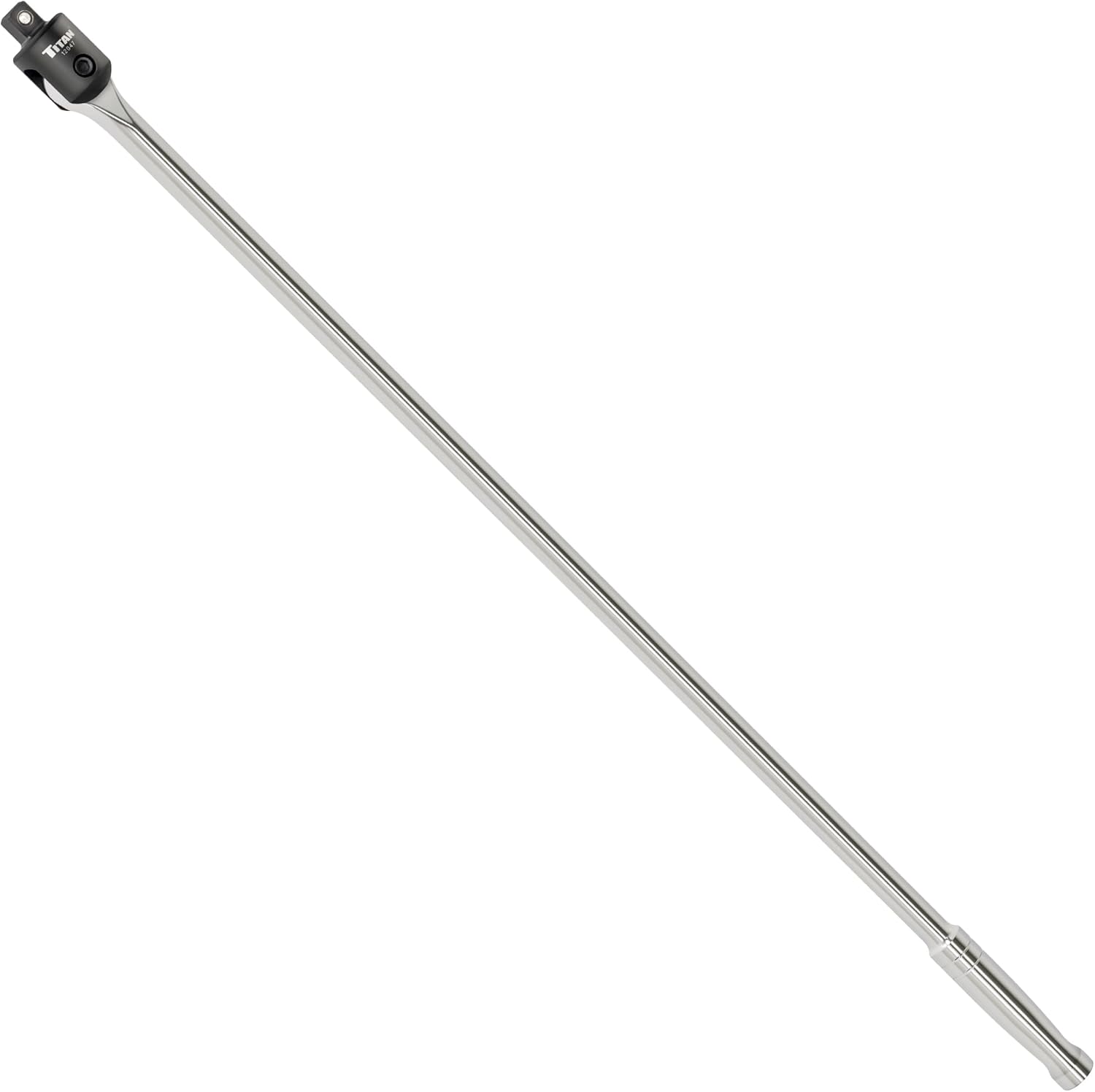


Torque the Hardware at Normal Ride Height
This step matters. Tightening pivot bolts with the axle hanging can twist the bushings at rest, which shortens bushing life and can affect ride height. Reinstall the wheel if removed, lower the vehicle so the suspension is carrying weight, and then torque the shackle hardware to the vehicle manufacturer’s specification.
Depending on the vehicle, you may torque the bolts with the tires on the ground or with the axle supported at approximate ride height while the frame is still accessible on stands. The key is to have the spring and shackle sitting in their normal loaded position.
- Use the exact torque specification from a service manual or reliable repair source.
- Torque both upper and lower shackle fasteners evenly and recheck after the first pass.
- If new lock nuts are supplied, use them instead of the old nuts.
- Torque the wheel lug nuts to spec if the wheel was removed.
Because torque values vary widely by vehicle and hardware diameter, do not guess. A small bolt can be stripped by over-tightening, and a larger suspension bolt that is too loose can allow movement and rapid wear.
Check Alignment, Ride Height, and Road-Test Results
Leaf spring shackle replacement does not usually require a wheel alignment by itself, but you should still confirm that the spring is seated correctly and the rear suspension sits evenly. The shackle should move through its arc naturally without contacting the frame or body.
- Verify that the leaf spring eye is centered in the shackle and the bolts are fully seated.
- Check that brake hoses and ABS wires are routed correctly and not stretched.
- Compare left and right shackle angle and rear ride height after the vehicle is on the ground.
- Listen for clunks or binding during a short, low-speed test drive.
After the road test, recheck the hardware visually. If the repair involved new bushings or replacement hardware, inspect again after a few days of driving or according to the manufacturer’s recommendation.
Common Mistakes to Avoid
Most problems after this repair come from poor support, forcing misaligned bolts, or tightening everything with the suspension hanging. Taking a few extra minutes to control spring tension and confirm part orientation can prevent doing the job twice.
- Do not support the vehicle only by a jack while working under the suspension.
- Do not reuse severely corroded bolts, distorted lock nuts, or crushed sleeves.
- Do not torque bonded-bushing pivots at full suspension droop unless the service information specifically says to.
- Do not ignore a rust-damaged frame hanger or elongated mounting hole.
- Do not replace one failed shackle and assume the opposite side is fine without inspection.
When to Replace More Than the Shackles
Sometimes a bad shackle is part of a larger rear suspension problem. If the leaf spring is flattened, the center pin is damaged, the bushings are worn at both ends, or the frame mounts are compromised, replacing only the shackles may not restore proper ride and handling.
Consider a more complete repair if you find broken leaves, severe sagging, axle shift, or repeated rear-end noise. On older trucks, it is common to replace the shackles, bushings, and hangers together if rust is widespread.
Key Takeaways
- Support the frame on jack stands and use a floor jack under the axle to remove tension from the shackle safely.
- Replace rusted or seized shackle hardware and inspect the spring eye and frame hanger before installing new parts.
- Match the new shackle orientation to the original and do not force bolts through misaligned holes.
- Final-torque shackle pivot bolts at normal ride height unless your vehicle’s service procedure says otherwise.
- If the frame mount is badly rusted or bolts must be cut in a tight area, a professional repair is often the safer choice.
FAQ
Can I Replace Just One Leaf Spring Shackle?
You can, but it is usually smart to inspect both sides closely and often replace them as a pair. If one shackle failed from rust or age, the other may not be far behind.
Do I Need to Replace the Bushings at the Same Time?
If the bushings are cracked, loose, noisy, or damaged during removal, replace them now. Reusing worn bushings with new shackles can leave play in the suspension and shorten the life of the repair.
Should I Torque the Shackle Bolts with the Suspension Hanging?
Usually no. Most bushing-style shackle pivots should be final-torqued at normal ride height to avoid preloading the bushings. Always follow the vehicle-specific service information.
Why Won’t the Shackle Bolt Come Out Even After I Remove the Nut?
The bolt is often seized to the inner sleeve of the bushing. Adjusting axle height can help, but on rusty vehicles the bolt may need heat or cutting if penetrant and persuasion do not free it.
Will Replacing Leaf Spring Shackles Change Ride Height?
It can restore normal height if the old shackles were bent, broken, or severely worn. However, if the leaf spring itself is sagging, new shackles alone will not fully correct ride height.
Do I Need a Wheel Alignment After Replacing Leaf Spring Shackles?
Not usually for this repair alone, since the rear axle position is normally fixed by the leaf spring and center pin arrangement. Still, you should verify the suspension sits evenly and the axle appears properly located.
Is It Safe to Drive with a Cracked or Rusted Leaf Spring Shackle?
No. A failing shackle can break and let the leaf spring shift, which can affect stability and damage nearby components. If you see serious rust-through or cracking, repair it before driving.
Need Parts for This Repair?
The right parts and supplies vary by vehicle.
Select your make and model to find compatible parts and accessories for your car.
Exact Fit
Parts that fit your make and model
Quality You Can Trust
Top brands and OEM quality options
Fast Shipping
Get the parts you need, delivered fast