

Note: This article contains affiliate links. If you click on these links and make a purchase, I may earn a small commission at no extra cost to you. This helps support my research and content. Read my full affiliate disclosure here.
Repair Snapshot
Use a mechanic if the leaf spring mounts are heavily rusted, the bolts are seized inside the sleeves, or the frame/shackles show damage. A shop is also the better choice if you do not have safe lifting equipment or a press for stubborn bushings.
This article is part of our Suspension and Steering Maintenance & Repair Guides.
Replacing leaf spring bushings can tighten up rear suspension movement, reduce clunks, and help keep the axle aligned under load. When these bushings wear out, the leaf spring can shift at the front eye or rear shackle, causing noise, vague handling, uneven tire wear, or a loose feeling from the rear of the vehicle.
On many trucks, vans, and older SUVs, this job is straightforward in theory but can turn into a rust battle in practice. The biggest challenge is usually removing bolts that have seized to the inner bushing sleeve, not pressing the new bushing in. Planning for stuck hardware, supporting the axle correctly, and tightening everything at normal ride height are what make the repair go smoothly.
This guide walks through inspection, removal, installation, torque strategy, and final checks so you can replace leaf spring bushings safely at home.
Before You Start
Leaf spring bushings are usually found at the front spring eye and at the rear shackle connection. Some vehicles use rubber bushings pressed into the spring and shackle, while others may use polyurethane kits with separate sleeves. Before buying parts, confirm whether your vehicle needs front eye bushings, rear shackle bushings, or both.
If one side is worn, the other side is often close behind. Replacing bushings in pairs on the same axle is the usual best practice. On heavily rusted vehicles, inspect the shackles, hangers, spring eyes, and frame mounts before starting. If the metal around the mounts is cracked, thinned by rust, or distorted, a bushing replacement alone will not fix the problem.
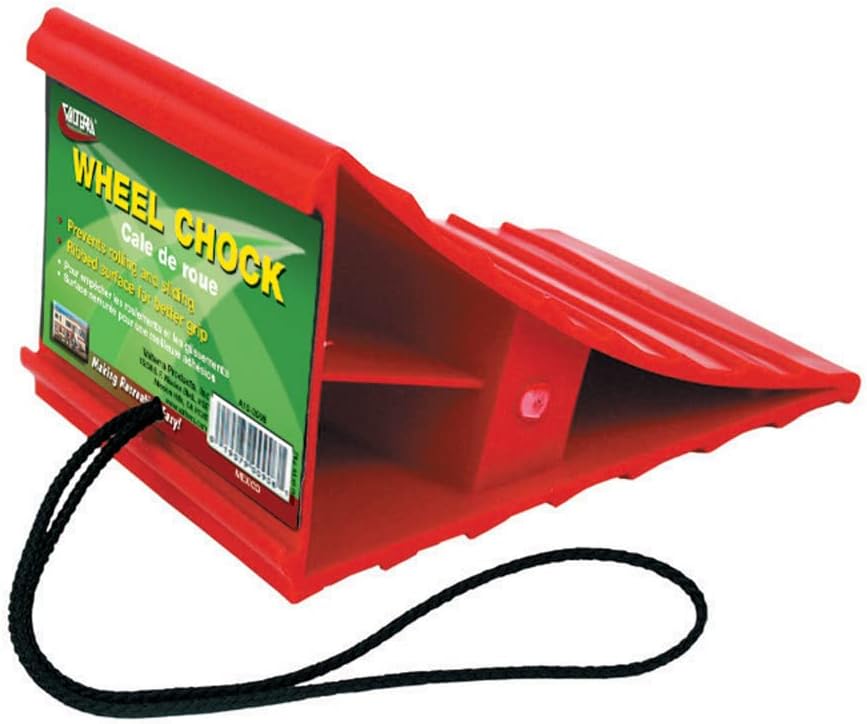
- Work on level ground and block the front wheels securely.
- Spray all spring eye, shackle, and mount fasteners with penetrating oil well before disassembly.
- Check whether the service manual calls for replacing lock nuts or torque-to-yield hardware.
- Look up exact torque specs for your vehicle before reassembly.
Symptoms of Worn Leaf Spring Bushings
Bad leaf spring bushings can cause a variety of rear suspension complaints. Rubber bushings usually fail by cracking, splitting, softening, or separating from the sleeve. Poly bushings may squeak if dry or wear if the sleeve and shell become damaged.
- Clunking or thumping from the rear when starting, stopping, or hitting bumps
- Rear-end shift or steer feeling during acceleration or braking
- Visible cracked, missing, or pushed-out bushing material
- Uneven rear ride height if shackles or mounts are also worn
- Abnormal tire wear caused by axle movement
A quick inspection with the vehicle safely raised may show the spring eye moving excessively relative to the bolt or hanger. Light pry-bar movement is normal in some setups, but obvious slop, torn rubber, or metal-to-metal contact means the bushings are due.
How to Lift and Support the Vehicle Safely
This repair is safest when the frame is supported on jack stands and the rear axle is supported separately with a floor jack. That setup allows you to unload the leaf spring gradually and raise or lower the axle to relieve pressure on the bolts.
Loosen the rear lug nuts slightly if you plan to remove the wheels. Lift the rear of the vehicle by an approved jacking point, then place jack stands under the frame ahead of the leaf spring mounts. Leave the floor jack under the differential or axle tube to support axle weight. Remove the wheels if it improves access.
Do not rely on the jack alone. Also be careful around brake hoses, parking brake cables, and shock absorbers; depending on suspension droop, you may need to support the axle higher to avoid stretching anything.
Removal Preparation and Access
Relieve Tension Before Removing Hardware
Leaf spring bolts often bind because the spring is twisted slightly under load. Use the floor jack under the axle to raise or lower the suspension in small increments while checking the bolt. When the load is neutral, the bolt usually turns and slides more easily.
Decide Whether to Remove the Whole Spring
Some bushings can be changed with the leaf spring still on the vehicle, especially rear shackle bushings. Front eye bushings are often easier if the spring is removed completely. If you need room to use a press or saw, disconnecting the spring from both ends may save time overall.
If removing the entire spring, support the axle carefully and disconnect components only as needed for access. On some vehicles, it helps to remove the lower shock bolts to let the axle move more freely. If the spring pack itself must come out, mark the orientation of plates and hardware so it goes back together correctly.
Tools That Make This Job Easier


How to Remove the Old Bushings
Remove the Spring Eye or Shackle Bolts
Start with the easier-access side. Hold the nut with a wrench and loosen the bolt with a breaker bar or impact if available. If the bolt spins but will not slide out, adjust axle height with the jack to remove side-load from the spring. A drift and hammer may help tap the bolt free.
If the bolt is seized inside the metal sleeve, penetrating oil may not solve it. This is common on older trucks. In that case, the usual solution is to cut the bolt on both sides of the bushing sleeve with a reciprocating saw and metal-cutting blade. Protect nearby brackets, fuel lines, brake hoses, and wiring while cutting.
Press or Drive the Old Bushing Out
Once the spring eye or shackle is free, remove the old bushing. A press tool is the cleanest method. Position the correct cups so the bushing is pressed into a receiver rather than against solid metal. If the bushing shell is badly corroded, you may need to remove the rubber center first, then collapse or cut the outer shell carefully.
For rubber bushings, a common method is to press out the inner sleeve, remove the rubber, and then saw a relief cut in the outer shell without cutting into the spring eye. After that, the shell can usually be collapsed inward with a chisel and driven out. Clean the bore thoroughly with a wire brush or emery cloth once the old bushing is removed.
- Do not heat near fuel lines, brake components, or painted frame areas unless you know it is safe on your vehicle.
- Do not gouge the spring eye bore while cutting the old shell.
- Replace severely rusted bolts, shackles, and distorted sleeves instead of reusing them.
- Compare the old and new bushing dimensions before pressing anything in.
How to Install the New Bushings
Confirm Orientation and Lubrication
Check the installation instructions for your exact bushing type. Many rubber bushings are pressed in dry or with only a very light film of approved lubricant to help assembly. Many polyurethane kits require the supplied silicone-based grease on the bushing surfaces and inner sleeve to prevent squeaks. Do not use petroleum grease unless the manufacturer specifically allows it.
Press the Bushing in Squarely
Align the new bushing square to the spring eye or shackle bore and press it in slowly. If it cocks sideways, stop and straighten it before continuing. Press only on the correct outer shell or installation surface. Pressing on the inner sleeve of a bonded rubber bushing can ruin it before the vehicle ever leaves the garage.
If your kit uses two-piece polyurethane bushings, install each half from opposite sides, then slide the center sleeve through after lubricating it. Make sure the sleeve is centered and the bushings seat fully against the mounting surfaces.
Reinstall Bolts Loosely at First
Position the spring eye or shackle back into the hanger and insert the bolts. A pry bar can help align the holes, but avoid forcing the bolt through if the sleeve is not lined up. Coat the non-threaded portion of the bolt lightly with anti-seize in rust-prone areas if appropriate for your application, but keep threads clean unless the service manual says otherwise. Thread the nuts on and leave the fasteners snug, not fully torqued yet.
Recommended Tools for This Job


Torque Notes and Ride-Height Tightening
This is the step DIYers most often miss. Final tightening should be done with the suspension at normal ride height unless your service information says differently. Tightening bonded rubber bushings while the axle is hanging can preload the rubber, causing a harsh ride, early failure, and incorrect suspension position.
To simulate ride height, either reinstall the wheels and lower the vehicle onto ramps, or support the axle with the floor jack until the suspension sits close to its normal loaded position. Then torque the spring eye and shackle hardware to factory spec with the vehicle stable and secure.
Torque values vary widely by vehicle, so do not guess. Many spring eye and shackle bolts are high-torque fasteners and may fall anywhere from roughly 70 lb-ft to well over 150 lb-ft depending on bolt size and design. Always use the service manual or a reliable torque database for your exact year, make, model, and axle configuration.
- Tighten only after both sides are assembled and the axle is centered naturally.
- Use new lock nuts if the manufacturer specifies one-time-use hardware.
- If shackles sit at an odd angle after tightening, recheck bushing seating and vehicle support height.
- Retorque accessible hardware after a short test drive if your manual recommends it.
What to Do if Bolts Are Seized or Parts Are Damaged
Seized leaf spring hardware is common in rust-belt states. If a bolt is frozen into the sleeve, do not keep applying more force until the hanger bends or the bolt snaps in a hard-to-remove location. Controlled cutting is often faster and safer than brute force.
If the rear shackle plates are heavily corroded, replace them as a set rather than reinstalling weak metal with new bushings. The same applies to wallowed-out spring eyes, cracked hangers, or broken mount welds. If the frame bracket is damaged, stop and repair that issue first.
On some vehicles, an old leaf spring pack with worn eyes, sagging height, or broken leaves makes more sense to replace as an assembly. New bushings will not correct a fatigued spring pack, uneven ride height, or axle wrap caused by worn springs.
Final Checks and Test Drive
Before driving, verify that all tools are out from under the vehicle, the wheels are torqued properly if removed, and the axle sits squarely on both sides. Look at the brake hose, ABS wiring, and shock mounts to make sure nothing was stretched, pinched, or left loose during the repair.
Take a short, low-speed test drive over smooth pavement first, then over a few small bumps. Listen for clunks, metallic pops, or squeaks. The rear of the vehicle should feel more planted and less loose under acceleration and braking. Reinspect the bushings and hardware afterward for proper seating.
If the vehicle still has rear-end noise, check for worn shackle brackets, loose U-bolts, bad shocks, sway bar links if equipped, or worn bed/body mounts. Suspension noises often come from more than one worn part.
Common Mistakes to Avoid
- Pressing on the wrong part of the bushing and damaging it during installation
- Final-torquing bonded rubber bushings with the axle hanging at full droop
- Reusing badly rusted bolts, sleeves, or shackles that should be replaced
- Cutting into the spring eye or hanger while removing seized sleeves
- Ignoring cracked mounts or fatigued leaf springs and assuming bushings are the only problem
Avoiding these mistakes is what separates a durable repair from a comeback job. If your hardware fights you every step of the way, slowing down and reassessing the setup usually saves time in the end.
Key Takeaways
- Support the frame on jack stands and the axle with a separate jack so you can relieve tension from the spring bolts safely.
- Expect seized spring eye or shackle bolts on rusty vehicles, and be prepared to cut them out without damaging nearby brackets or lines.
- Press the new bushings in squarely and use only the lubricant recommended for the specific rubber or polyurethane design.
- Do the final torque with the suspension at normal ride height to prevent bushing preload and early failure.
- Replace rusted shackles, damaged sleeves, or cracked mounts during the job instead of installing new bushings into unsafe hardware.
FAQ
Can I Replace Just One Leaf Spring Bushing?
You can, but it is usually better to replace bushings in pairs on the same axle position. If one side is worn out, the other side is often close to failure and may cause uneven handling or noise.
Do I Need an Alignment After Replacing Leaf Spring Bushings?
Usually not for a basic rear leaf spring bushing replacement on a solid rear axle, but it depends on the vehicle and whether other suspension parts were disturbed. If the truck still feels off-center, dog-tracks, or shows unusual tire wear, have the suspension checked.
Should Leaf Spring Bushing Bolts Be Tightened with the Vehicle on the Ground?
Yes, final tightening should usually be done at normal ride height, especially with bonded rubber bushings. Torquing them with the suspension hanging can twist the rubber and shorten bushing life.
Why Are My Leaf Spring Bolts Stuck in the Bushing Sleeve?
Moisture and road salt commonly rust the bolt to the inner metal sleeve over time. When that happens, penetrating oil may not free it, and the standard repair becomes cutting the bolt on each side of the sleeve and replacing the hardware.
Is Polyurethane Better than Rubber for Leaf Spring Bushings?
Polyurethane can last longer and reduce deflection, but it may transmit more vibration and can squeak if not lubricated correctly. Rubber generally rides quieter and closer to factory feel, which many daily drivers prefer.
Can Bad Leaf Spring Bushings Cause Clunking?
Yes. Worn bushings can let the spring shift inside the hanger or shackle, creating clunks during starts, stops, bumps, and changes in load.
When Should I Replace the Entire Leaf Spring Instead of Just the Bushings?
Replace the whole spring if the pack is sagging, cracked, has broken leaves, or the spring eyes are damaged. New bushings will not fix a weak or distorted spring assembly.
Need Parts for This Repair?
The right parts and supplies vary by vehicle.
Select your make and model to find compatible parts and accessories for your car.
Exact Fit
Parts that fit your make and model
Quality You Can Trust
Top brands and OEM quality options
Fast Shipping
Get the parts you need, delivered fast