

Note: This article contains affiliate links. If you click on these links and make a purchase, I may earn a small commission at no extra cost to you. This helps support my research and content. Read my full affiliate disclosure here.
Repair Snapshot
Use a mechanic if the new fuse blows immediately, wiring looks melted, or you cannot confirm the correct relay or fuse location. Professional diagnosis is also smart if the headlight circuit has body control module involvement or repeated electrical faults.
This article is part of our Lighting Maintenance & Repair Guides.
Replacing a headlight fuse or relay is one of the simplest electrical repairs a DIY car owner can do, but it only works if you confirm the correct part and fix the reason the circuit failed.
If one or both headlights suddenly stop working, the problem may be a blown fuse, a bad relay, a failed bulb, or a wiring issue. The good news is that fuses and relays are usually inexpensive, easy to access, and quick to swap. The key is to verify the fault before you start replacing parts at random.
This guide walks you through safe diagnosis, fuse and relay identification, removal and installation steps, and what to check if the new part fails right away. Exact fuse box layouts and relay labels vary by make and model, so keep your owner’s manual or fuse box diagram handy.
Before You Start
Start with a basic symptom check. If only one headlight is out, the bulb is often the more likely cause. If both headlights are out, especially low beams or high beams together, a fuse, relay, switch, ground, or control module issue becomes more likely. Some vehicles use separate fuses for left and right lamps, while others use one fuse per beam circuit.
Park on level ground, set the parking brake, switch the lights off, and remove the key. On push-button vehicles, make sure the ignition is fully off. Open the hood and identify the under-hood fuse box first, since many headlight relays and high-amperage fuses are located there. Some vehicles also place headlight-related fuses in the interior fuse panel.
- Read the fuse box legend on the cover and confirm which fuse or relay controls low beam, high beam, or headlamp power.
- Match the replacement fuse by amperage and style only; never install a higher-rated fuse.
- Match the relay by part number, terminal layout, and amperage rating whenever possible.
- If you smell burnt wiring or see melted plastic, stop and diagnose the circuit before replacing anything.
How to Tell Whether the Fuse or Relay Is the Problem
Common Clues of a Blown Fuse
A blown fuse often causes one beam or one side of the headlight system to stop working completely. The failure is usually sudden. If the fuse element is visibly broken or the plastic window looks dark or burnt, that is a strong sign. However, some failed fuses do not show obvious damage, so testing is better than guessing.
Common Clues of a Bad Relay
A relay may be at fault if the lights work intermittently, click inconsistently, or fail to turn on even though the bulbs and fuses test good. Some relays fail internally and show no outside damage. If your vehicle uses an identical relay for another non-critical circuit, temporarily swapping it can help confirm the diagnosis.
Quick Checks Before Replacing Parts
- Check the headlight bulbs if only one side is out.
- Inspect battery voltage if multiple electrical items seem weak or inconsistent.
- Look for corrosion, moisture, or heat damage inside the fuse box.
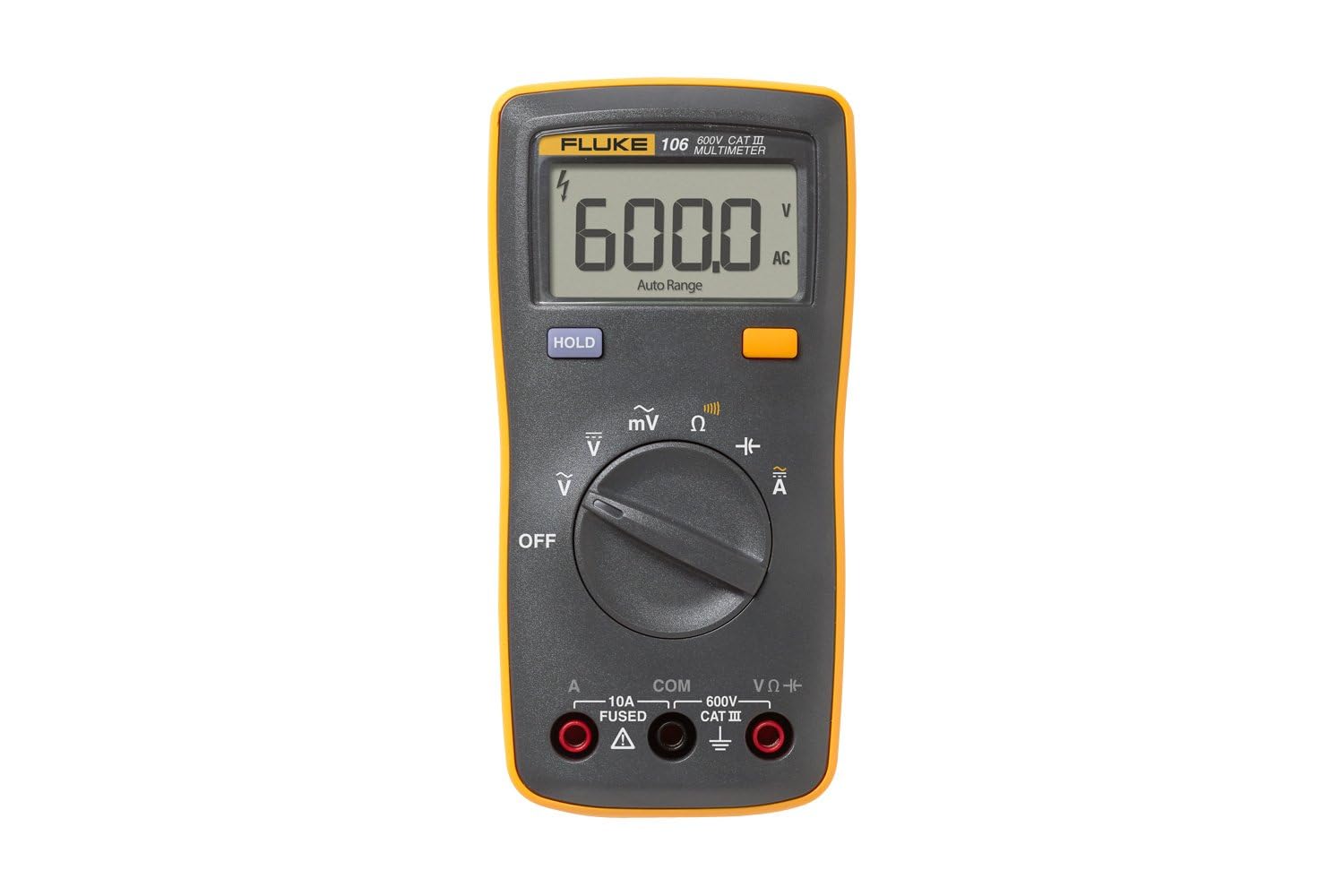
- Use a multimeter or test light to confirm power at the fuse before and after replacement.
If a fuse is blown, do not assume the fuse itself was the root cause. Fuses normally blow because the circuit drew too much current, often from a short to ground, damaged harness, failed bulb socket, or water intrusion. Replacing the fuse once is reasonable. Replacing it repeatedly without diagnosis is not.
Locate the Correct Fuse or Relay
Use the fuse box cover diagram, owner’s manual, or factory service information to find the exact headlight fuse or relay. Labels may include terms such as HDLP, HEAD, LO BEAM, HI BEAM, LH HDLP, RH HDLP, or HEAD LAMP RELAY. On newer vehicles, some headlight control functions may be integrated into a module rather than a standalone relay.
Before removing anything, compare the suspect fuse or relay with the diagram and count positions carefully. Pulling the wrong fuse can create confusion and lead to other systems losing memory or power. A photo of the fuse box before disassembly is a smart backup.
- Mini blade, low-profile mini, standard blade, and J-case fuses are all common but not interchangeable.
- Relays may look identical from the top while using different internal switching layouts.
- Some vehicles use separate circuits for daytime running lamps, low beams, and high beams.
Tools That Make This Job Easier


How to Replace a Headlight Fuse
Remove the Suspect Fuse
With the ignition off, remove the fuse box cover. Use the fuse puller stored in the box, if equipped, or use needle-nose pliers carefully. Grip the fuse body and pull straight up. Avoid rocking it hard enough to damage the socket.
Inspect and Test the Fuse
Look through the fuse’s clear window. If the metal strip inside is separated or burnt, the fuse has failed. For a more reliable check, use the continuity setting on a multimeter. A good fuse should show continuity. You can also use a test light with the fuse installed and the circuit energized to verify power reaches both test points on top of the fuse.
Install the New Fuse
Install a new fuse with the exact same amperage rating and correct physical type. Push it in firmly until it seats fully. Never substitute a larger fuse to keep the lights working. That can allow wiring to overheat and create a fire risk.
Test the Headlights
Turn the ignition on if required and switch the headlights on. Check low beams, high beams, and flash-to-pass if applicable. If the headlights now work and the fuse holds, reinstall the cover and monitor the circuit over the next few drives.
If the new fuse blows immediately or shortly after turning on the lights, there is likely a short circuit or excessive current draw downstream. Common trouble spots include a rubbed-through harness near the radiator support, a melted bulb socket, aftermarket lighting wiring, trailer wiring splices, or water contamination in a connector.
How to Replace a Headlight Relay
Confirm the Relay Type and Location
Relays are usually found in the under-hood power distribution box. Identify the exact headlight relay position using the lid diagram or service information. If the relay is a plug-in type, it can usually be replaced without disconnecting the battery, but if access is tight or you are unsure, disconnect the negative battery cable first.
Remove the Old Relay
Pull the relay straight up by hand. If it is tight, gently work it side to side while pulling. Do not pry aggressively against the fuse box housing. Inspect the relay pins and socket for corrosion, green residue, heat discoloration, or spread terminals.
Use a Relay Swap Test when Possible
If the fuse box contains another relay with the same part number controlling a non-essential system, you may swap them temporarily to test the circuit. If the headlights start working and the other circuit stops, the original relay is likely faulty. Only do this when the relays match exactly.
Install the Replacement Relay
Align the pins carefully and press the new relay straight into the socket until fully seated. If desired, apply a very light film of dielectric grease around the weather seal area or connector edge, but do not pack the relay terminals with grease unless the manufacturer specifically allows it.
Verify Operation
Turn the headlights on and verify normal operation of low and high beams. Listen for consistent relay action if it is audible. Reinstall the fuse box cover securely so moisture cannot enter.
Recommended Tools for This Job


What to Do If the New Fuse or Relay Does Not Fix It
If the circuit still does not work after replacing the correct fuse or relay, continue with basic diagnosis before buying more parts. Headlight systems can fail from bad bulbs, poor grounds, switch issues, harness damage, or module faults.
Check the Bulbs and Sockets
Remove the bulb and inspect the filament or LED driver assembly. Halogen bulbs can fail without obvious glass damage. Also inspect the socket for melted plastic, loose terminals, or signs of overheating. A damaged socket can increase resistance and create intermittent lighting problems.
Check for Power and Ground
With the lights switched on, test for battery voltage at the headlight connector. Then confirm the ground side is intact. A circuit can show power at the fuse box but still fail at the lamp due to broken wiring, corrosion, or a bad ground point.
Inspect for Wiring Damage
Look along the harness where it passes near sharp brackets, the radiator support, battery tray, and front-end sheet metal. Collision repairs, aftermarket accessories, and rodent damage are all common causes of headlight wiring problems.
Consider Switch or Module Issues
Many late-model vehicles route headlight commands through a body control module rather than a simple mechanical switch and relay setup. If there is no command signal to the relay or no output from the module, diagnosis may require a wiring diagram and scan tool.
Important Safety and Fitment Notes
The biggest mistake in this repair is installing the wrong fuse value or assuming all relays with the same shape are interchangeable. A fuse is a safety device, not just a replaceable link. Using a larger fuse can let the harness overheat before the fuse opens.
- Never replace a 10-amp fuse with a 15-amp or 20-amp fuse.
- Do not bypass a fuse with foil, wire, or any homemade substitute.
- Do not continue replacing fuses that blow instantly; find the short first.
- Avoid touching exposed metal terminals with the circuit powered.
- Keep moisture out of the fuse box and always reinstall the lid properly.
If you disconnected the battery, you may need to reset radio presets, clock settings, or auto-up window functions afterward. This is normal on many vehicles.
Torque Notes, Adjustments, and Final Checks
This job usually does not involve torque-critical fasteners unless you remove a battery hold-down, fuse box bracket, or trim panel for access. If you do remove any components, tighten them to factory specification from a service manual. Do not overtighten plastic fuse box covers, bracket screws, or battery terminals.
There is no bleeding procedure for a fuse or relay replacement. After repair, perform a complete functional check: low beams, high beams, flash-to-pass, automatic headlights, daytime running lamps, and dash indicators if equipped. If one side appears dimmer than the other, check bulb condition and ground quality.
Take a short nighttime test drive in a safe area and confirm the lights remain stable over bumps and turns. Intermittent failures often point to a poor socket connection, loose relay fit, or harness issue rather than the fuse itself.
When This Is a DIY Repair and When It Is Not
For most DIYers, replacing a clearly identified headlight fuse or a plug-in relay is an easy first step. It is inexpensive, quick, and low risk when you use the correct replacement parts and verify the fuse box diagram carefully.
You should step back and get professional help if the replacement fuse blows more than once, the fuse box shows heat damage, the wiring diagram is unclear, or your vehicle uses a smart lighting control module. Electrical diagnosis becomes more involved when the fault is intermittent or tied to network-controlled systems.
Key Takeaways
- Always verify the exact headlight fuse or relay location with the fuse box diagram before removing parts.
- Replace a fuse only with the same amperage and style, and replace a relay only with an exact match.
- If a new fuse blows right away, stop and inspect for a shorted wire, damaged socket, or moisture intrusion.
- A relay swap test can confirm diagnosis, but only when the donor relay has the same part number and terminal layout.
- If power leaves the fuse box but the headlights still do not work, test the bulbs, socket, ground, and wiring next.
FAQ
Can I Replace a Headlight Fuse Myself?
Yes. On most vehicles, replacing a headlight fuse is a simple DIY job as long as you use the correct fuse location, amperage rating, and fuse style.
What Happens if I Install a Higher-amp Fuse?
Do not do it. A higher-rated fuse may not blow when it should, which can overheat the wiring and increase the risk of melted connectors or an electrical fire.
How Do I Know if the Relay Is Bad Instead of the Fuse?
A fuse usually shows no continuity or visible damage when blown. A bad relay may pass visual inspection but still fail to switch power. Swapping with an identical known-good relay is a common test.
If Only One Headlight Is Out, Should I Check the Fuse First?
You can, but the bulb is often the first suspect when only one side is out. Still, some vehicles use separate left and right headlight fuses, so check the diagram before assuming it is only a bulb.
Why Does My New Headlight Fuse Keep Blowing?
Repeated fuse failure usually means the circuit has a short to ground or excessive current draw. Common causes include damaged wiring, a melted bulb socket, water intrusion, or incorrect aftermarket lighting wiring.
Do I Need to Disconnect the Battery to Replace a Headlight Fuse or Relay?
Usually not for a simple fuse swap with the ignition off, but disconnecting the negative battery cable adds safety if access is tight or you are working around exposed terminals and larger power distribution components.
Can a Bad Headlight Switch Cause the Same Symptoms as a Bad Relay?
Yes. A failing switch, body control module, bad ground, or broken wire can all mimic relay or fuse problems, which is why basic voltage testing is helpful when a simple replacement does not solve the issue.
Need Parts for This Repair?
The right parts and supplies vary by vehicle.
Select your make and model to find compatible parts and accessories for your car.
Exact Fit
Parts that fit your make and model
Quality You Can Trust
Top brands and OEM quality options
Fast Shipping
Get the parts you need, delivered fast