

Note: This article contains affiliate links. If you click on these links and make a purchase, I may earn a small commission at no extra cost to you. This helps support my research and content. Read my full affiliate disclosure here.
Repair Snapshot
Use a mechanic if the blower motor is inaccessible, the HVAC system only works on certain speeds, or airflow problems involve electrical testing you are not comfortable performing.
This article is part of our HVAC Maintenance & Repair Guides.
Restricted cabin airflow usually means your HVAC system is moving less air than it should through the vents, even when the fan is set high. In many cases, the cause is simple: a clogged cabin air filter, debris in the blower intake, or a blower motor circuit issue that keeps the fan from reaching full speed.
The good news is that many airflow problems can be diagnosed at home with a flashlight, a few hand tools, and a little patience. If your vents barely blow, airflow is stronger on one mode than another, or the fan only works on certain settings, a step-by-step inspection can help you narrow down the problem without replacing parts blindly.
This guide covers the most common causes of weak cabin airflow, how to inspect each one, and when a DIY fix is realistic versus when it makes more sense to let a shop handle the repair.
How Restricted Cabin Airflow Usually Shows Up
Weak cabin airflow does not always mean the air conditioning or heater has failed. Often, the air may still be cold or hot, but not enough volume is coming from the vents to cool or heat the cabin effectively. That points to an airflow restriction or fan delivery problem rather than a refrigerant or heater core issue.
- Air barely comes from the vents even with the blower on high.
- The fan sounds like it is working, but airflow inside the cabin is weak.
- Certain fan speeds do not work or airflow changes unpredictably.
- Airflow is much stronger on fresh-air mode than on recirculate, or vice versa.
- You hear leaves, paper, or debris moving inside the dash or blower area.
If you also have poor temperature control, strange odors, or clicking behind the dash, restricted airflow may be happening alongside a blend door, mode door, or HVAC control problem. Start with the easiest and most common checks before moving into electrical diagnosis.
Common Causes of Weak Cabin Airflow
Clogged Cabin Air Filter
A dirty cabin air filter is the most common cause of restricted airflow. As the filter fills with dust, leaves, pollen, and road debris, the blower motor has to work harder to push air through it. Eventually, airflow through the vents drops noticeably, especially at lower fan speeds.
Debris in the Cowl or Blower Intake
Leaves and dirt can collect near the base of the windshield or inside the HVAC intake path. That can choke off incoming air or allow debris to get into the blower housing, where it interferes with fan efficiency.
Failing Blower Motor or Blower Motor Resistor
If the fan only works on some speeds, airflow is inconsistent, or the blower sounds weak even with no filter installed, the blower motor resistor or blower motor itself may be failing. On some newer vehicles with automatic climate control, a blower control module may be used instead of a traditional resistor.
Blocked Vents or HVAC Doors Not Moving Correctly
Closed vent registers, broken mode doors, or obstructions in the ductwork can keep air from reaching the cabin properly. This is less common than a dirty filter, but it does happen, especially if something has fallen into a vent opening or the dash has been serviced before.
Electrical Supply Problems
A weak electrical connection, blown fuse, damaged connector, or poor ground can reduce blower output or cause intermittent operation. If the blower behaves erratically or cuts in and out, electrical testing may be needed.
What to Check Before You Start Taking Things Apart
Before removing the glove box or blower motor, do a few quick checks with the engine running and the HVAC system on high. These simple tests can save time and help you focus on the right part of the system.
- Set the fan to each speed and note whether every setting works.
- Switch between vent, floor, defrost, fresh air, and recirculate modes to see if airflow changes normally.
- Open and close the dash vents fully to rule out a simple vent position issue.
- Listen near the passenger-side dash for blower noise, scraping, or a weak spinning sound.
- Check for airflow difference between passenger and driver vents, which can hint at duct or door issues.
If the blower is loud but airflow is weak, a restriction is likely. If the blower is quiet or only works on one speed, the blower circuit becomes more suspicious. These observations will guide the next steps.
Tools That Make This Job Easier
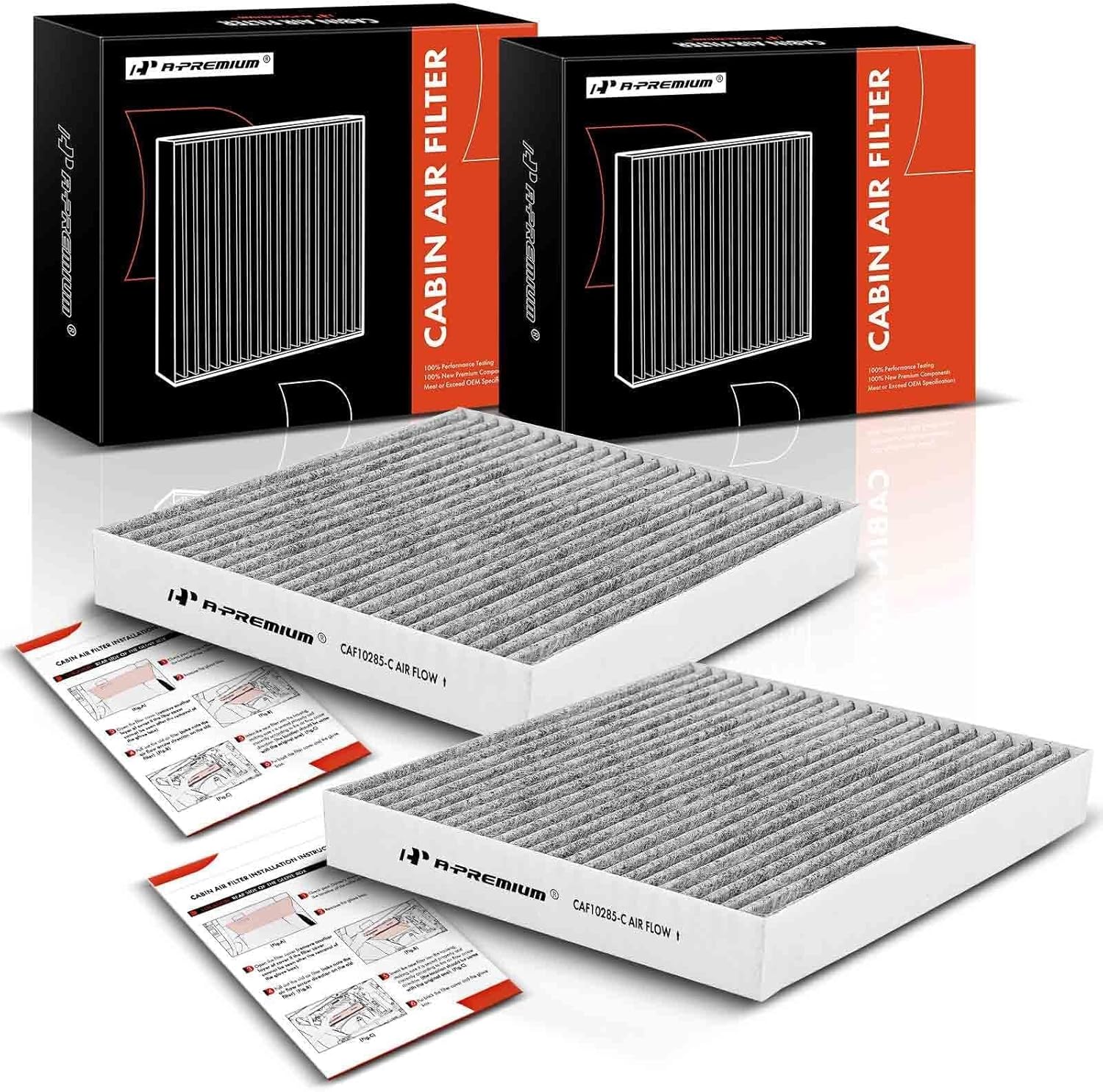


How to Inspect and Replace the Cabin Air Filter
Start here, because the cabin air filter is both the most common cause and the easiest fix. On many vehicles, the filter sits behind the glove box, under the dash, or under a cowl access panel near the windshield.
Access the Filter Housing
Turn the ignition off. Open the glove box and remove any contents so they do not spill. Depending on the vehicle, you may need to unhook the glove box damper, squeeze the sides inward, or remove a few screws to drop the glove box down far enough to reach the filter door.
Remove and Inspect the Old Filter
Slide the old filter out carefully and note the airflow direction arrow printed on the frame. If the filter is packed with leaves, dark dust, or moisture-stained debris, it was likely restricting airflow significantly. A filter that is bent, collapsed, or installed backward can also reduce airflow.
Clean the Housing
Use a vacuum to remove loose debris from the filter slot and nearby intake area. Avoid pushing dirt deeper into the housing. If accessible, wipe down the surrounding plastic surfaces so the new filter seals properly.
Install the New Filter Correctly
Insert the replacement filter with the airflow arrow pointing in the correct direction. Make sure it seats squarely and does not fold or buckle during installation. Reinstall the access door and glove box components, then test the blower again.
In many vehicles, replacing a severely clogged filter restores normal airflow immediately. If the improvement is minor or nonexistent, continue with intake and blower inspection.
How to Check for Debris in the Intake and Blower Area
If the old cabin air filter was heavily contaminated, there is a good chance debris has collected elsewhere in the HVAC intake path. Leaves, pine needles, and even small paper scraps can partially block airflow or get caught in the blower fan.
Inspect the Cowl Area
Look at the base of the windshield where outside air enters the HVAC system. Remove loose leaves and dirt by hand or with a vacuum. Make sure the cowl drains are not packed with debris, since trapped moisture can also lead to mold and repeated filter contamination.
Check Inside the Filter Opening
Use a flashlight to look past the cabin air filter slot. If you can see loose debris downstream of the filter, vacuum what you can reach carefully. Some systems allow limited access to the blower wheel through the filter opening.
Inspect the Blower Motor Fan
If airflow is still weak, the blower motor may need to come out for inspection. It is often mounted under the passenger side dash with a wiring connector and three to five small fasteners. Disconnect the electrical connector, remove the fasteners, and lower the motor assembly carefully.
Once removed, inspect the blower wheel for packed dirt, leaves, or damaged fins. A blower wheel loaded with debris cannot move air efficiently. Clean it gently with compressed air or a soft brush, and replace the blower motor if the fan is cracked, loose on the shaft, or rubbing.
How to Diagnose Blower Motor and Resistor Problems
If the cabin air filter is clean and there is no obvious blockage, focus on how the blower operates. Weak airflow with abnormal fan behavior often points to the motor, resistor, or control module.
Signs of a Bad Blower Motor Resistor
- The fan only works on high speed or only on one or two settings.
- Some fan speeds are missing completely.
- Airflow changes when you tap near the resistor or wiring area.
A resistor usually controls stepped fan speeds on manual HVAC systems. When it fails, certain speeds disappear, but the highest speed may still work because it often bypasses the resistor.
Signs of a Failing Blower Motor
- The blower sounds strained, squeals, or changes pitch randomly.
- Airflow remains weak on all settings even with a clean filter.
- The fan starts slowly, cuts out, or only runs after being tapped.
A worn blower motor may spin too slowly under load, even if it still makes noise. If the electrical supply is correct but the fan remains weak, replacement is usually the right repair.
Basic Electrical Checks
Check the relevant HVAC and blower fuses first. If they are good, use a multimeter to verify power and ground at the blower connector with the fan commanded on. Full battery voltage and a solid ground with poor blower performance usually indicates a bad motor. Missing voltage, intermittent voltage, or speed-control problems point more toward the resistor, control module, switch, relay, or wiring.
If you are not comfortable testing live electrical circuits, stop here and hand the diagnosis to a professional. Guessing at electrical parts can get expensive fast.
Recommended Tools for This Job


Checking Vents, Ducts, and HVAC Door Operation
Sometimes the blower is fine, but the air is not reaching the cabin efficiently. That can happen if vent registers are stuck, ducts are obstructed, or the HVAC mode doors are not directing air properly.
Inspect the Visible Vent Outlets
Make sure all dash vents are open and not blocked by phone mounts, trim pieces, or aftermarket accessories. Shine a flashlight into the vent openings to check for fallen objects like paper, pens, or broken plastic louvers.
Test Mode Changes
Switch between panel, floor, and defrost modes and listen for air redirection. If airflow stays stuck in one location or barely changes, the mode door actuator may be failing, a vacuum supply issue may exist on older systems, or the door itself may be damaged.
Watch for One-sided Airflow Differences
If one side of the dashboard has much stronger airflow than the other, look for a disconnected duct, internal obstruction, or a door issue inside the HVAC case. These faults are more involved than a cabin filter replacement and may require dash disassembly.
Step-by-Step DIY Fix for Most Restricted Cabin Airflow Problems
For most DIY owners, the best approach is to work from the easiest, highest-probability fixes to the more advanced ones. This keeps costs low and avoids replacing good parts.
- Confirm the complaint by testing all fan speeds and vent modes.
- Inspect and replace the cabin air filter if it is dirty, damaged, damp, or overdue.
- Vacuum the filter housing and clean debris from the cowl intake area.
- Re-test airflow before moving on to deeper diagnosis.
- If airflow is still weak, inspect the blower motor fan for debris or damage.
- If the fan only works on certain speeds, test and replace the blower resistor or control module as needed.
- If voltage and ground are present but blower output is weak, replace the blower motor.
- If blower output is strong but air does not reach the vents normally, inspect for duct or HVAC door issues.
This sequence solves the majority of restricted airflow complaints without unnecessary parts swapping. In many vehicles, the repair ends after the cabin air filter and intake cleaning step.
How Often to Service the Cabin Airflow System
Cabin airflow problems are often preventable with routine maintenance. Most drivers overlook the cabin air filter until airflow becomes noticeably weak, but replacing it on schedule helps the HVAC system work better year-round.
- Inspect the cabin air filter every 12,000 to 15,000 miles, or at least once a year.
- Replace the filter more often if you drive in dusty areas, heavy traffic, construction zones, or during high pollen seasons.
- Clean leaves and debris from the cowl area several times a year, especially in the fall.
- Listen for blower noise changes early so a failing motor does not leave you with no airflow at all.
If your vehicle is frequently parked under trees or used in dusty climates, short service intervals are worth it. A relatively cheap filter replacement is far better than overworking the blower motor for months.
When to Stop DIY and Call a Mechanic
Some restricted cabin airflow repairs stay simple, but others become time-consuming quickly. A professional diagnosis makes sense if access is difficult or the issue is clearly beyond a filter or intake obstruction.
- The blower motor is buried behind major dash components.
- You have power distribution or control module faults that require wiring diagrams and advanced testing.
- The HVAC case, internal doors, or ductwork appear damaged.
- Airflow problems are combined with clicking, temperature control failure, or water leaks inside the cabin.
- You replaced the filter and blower-related parts, but airflow is still poor.
A shop can also verify whether the concern is truly airflow-related or if a separate heating or air conditioning performance issue is creating the same symptoms.
Key Takeaways
- Check the cabin air filter first, because a clogged filter is the most common and least expensive cause of weak cabin airflow.
- If the fan is noisy but vent output is weak, inspect the intake path and blower wheel for leaves, dirt, or damage.
- When the blower only works on certain speeds, suspect the blower motor resistor or control module before replacing the motor.
- Strong blower sound with poor air delivery from selected vents can point to blocked ducts or failing HVAC mode doors.
- Use a mechanic for electrical diagnosis or dash-intensive repairs if you cannot confirm power, ground, and proper door operation safely.
FAQ
Can a Dirty Cabin Air Filter Really Cause Very Weak Airflow?
Yes. A heavily clogged cabin air filter can reduce airflow dramatically, especially on lower fan settings. If the filter is old, dark, packed with debris, or damp, replacing it is the first thing to do.
Why Does My Blower Fan Sound Normal but Hardly Any Air Comes Out?
That usually suggests a restriction rather than a dead blower. Common causes include a plugged cabin air filter, debris in the intake or blower wheel, or a duct or mode door problem that keeps air from reaching the vents.
If the Fan Only Works on High Speed, What Is the Likely Problem?
A blower motor resistor is a common cause on vehicles with manual fan speed settings. High speed often bypasses the resistor, so lower speeds fail first when the resistor goes bad.
How Often Should I Replace the Cabin Air Filter?
A good rule is every 12,000 to 15,000 miles or once a year, but dusty driving, heavy pollen, wildfire smoke, and parking under trees can require more frequent replacement.
Can Leaves in the Cowl Area Reduce Cabin Airflow?
Yes. Debris near the cowl intake can restrict outside air entering the HVAC system and may also get pulled into the blower housing, reducing efficiency and creating noise.
Do I Need to Disconnect the Battery Before Replacing a Cabin Air Filter?
Usually no, because cabin air filter replacement is a basic mechanical task. However, if you are removing electrical components like the blower motor or working near sensitive connectors, disconnecting the negative battery cable is a smart precaution.
When Is Restricted Cabin Airflow Not a DIY-friendly Job?
It becomes less DIY-friendly when the blower motor requires major dash removal, electrical testing is needed beyond basic fuse checks, or the HVAC box has internal door or duct damage.
Need Parts for This Repair?
The right parts and supplies vary by vehicle.
Select your make and model to find compatible parts and accessories for your car.
Exact Fit
Parts that fit your make and model
Quality You Can Trust
Top brands and OEM quality options
Fast Shipping
Get the parts you need, delivered fast