

Note: This article contains affiliate links. If you click on these links and make a purchase, I may earn a small commission at no extra cost to you. This helps support my research and content. Read my full affiliate disclosure here.
Repair Snapshot
Use a mechanic if the system needs refrigerant recovery, compressor replacement, or leak repair at hoses, evaporator, or condenser. Professional service is also best if system pressures are abnormal or you are unsure how to safely handle refrigerant.
This article is part of our HVAC Maintenance & Repair Guides.
A car AC system can fail in several different ways, and the symptoms matter. If your vents blow warm air, airflow is weak, cooling comes and goes, or the system makes odd noises, common car AC problems usually trace back to airflow restrictions, electrical faults, low refrigerant, sensor issues, or worn mechanical parts.
The good news is that some AC problems are very DIY-friendly. A clogged cabin air filter, bad fuse, dirty condenser, or failed blower resistor can often be diagnosed and repaired at home with basic tools. On the other hand, compressor failure, major refrigerant leaks, or internal contamination usually require professional equipment and repair procedures.
This guide walks you through a practical diagnosis path so you can check the easy stuff first, avoid unnecessary parts swapping, and know when to stop and call an AC shop.
How the Car AC System Works
Your vehicle’s air conditioning system removes heat from the cabin by circulating refrigerant through a closed loop. The compressor pressurizes refrigerant, the condenser releases heat outside the car, the expansion device drops pressure, and the evaporator absorbs heat from cabin air. A blower motor pushes that cooled air through the vents.
If any part of that process is interrupted, you can get warm air, weak airflow, short cycling, or unusual noises. That is why diagnosis should separate airflow problems from cooling problems. A system with strong airflow but warm air points you toward refrigerant, compressor, pressure, or control issues. Weak airflow often points toward the cabin filter, blower motor, resistor, or blend door problems.
- Warm air with normal fan speed often means low refrigerant, compressor trouble, or a control issue.
- Weak airflow at all vent temperature settings often means a clogged cabin filter or blower issue.
- Cooling that works only while driving can point to condenser airflow or cooling fan problems.
- Clicking, squealing, or grinding can mean compressor clutch, pulley, or blower motor wear.
Start with Symptom-based Diagnosis
Warm Air From the Vents
Set the system to max AC, recirculate, coldest temperature, and medium blower speed. Let the engine idle for a few minutes and measure vent temperature. If airflow is strong but the air is not cooling, suspect low refrigerant, a compressor that is not engaging, an electrical fault, a bad pressure sensor, or a blend door that is routing heated air into the cabin.
Weak Airflow
Weak airflow usually has nothing to do with refrigerant. Check the cabin air filter first, then the blower motor, blower resistor or control module, and any leaves or debris packed into the cowl intake area. Also verify that airflow changes correctly when you switch from dash vents to floor and defrost.
AC Works Only While Driving
If the AC cools on the highway but turns warm at stoplights, inspect condenser airflow. Common causes include cooling fans that do not run at idle, a debris-packed condenser, or refrigerant charge issues that become obvious when airflow drops.
Intermittent Cooling
Cooling that comes and goes may be caused by a failing relay, pressure switch issue, icing at the evaporator, low refrigerant, a weak compressor clutch, or an expanding electrical connection that opens when hot. Watch whether the compressor cycles normally or drops out when the symptom appears.
Safety Before You Work on the AC System
Car AC systems operate under high pressure, and refrigerant can cause frostbite or eye injury. Never loosen AC lines on a charged system. Do not vent refrigerant to the atmosphere, and do not assume a recharge can will solve every warm-air complaint.
- Wear safety glasses and gloves when inspecting under the hood.
- Keep hands, clothing, and tools clear of belts and cooling fans.
- Do not connect gauges unless you understand proper high-side and low-side readings.
- If a compressor has failed internally, avoid adding refrigerant and seek professional repair.
Tools That Make This Job Easier


Step-by-step Checks You Can Do at Home
Inspect the Cabin Air Filter
A dirty cabin air filter is one of the easiest and most overlooked causes of weak AC airflow. Remove the filter and check for dirt, leaves, moisture damage, or collapse. Replace it if it looks restricted. This alone can restore airflow and improve vent temperature because more air can pass over the evaporator.
Check Fuses and Relays
Use the fuse box diagram to locate AC-related fuses for the compressor clutch, blower motor, HVAC control head, and cooling fans. Replace any blown fuse with the correct amperage. If a fuse blows again, there is an underlying electrical fault that needs diagnosis before more parts are installed.
For relays, you may be able to swap with an identical known-good relay in a noncritical circuit temporarily for testing. If the compressor or fan starts working, replace the relay.
Verify Blower Motor Operation
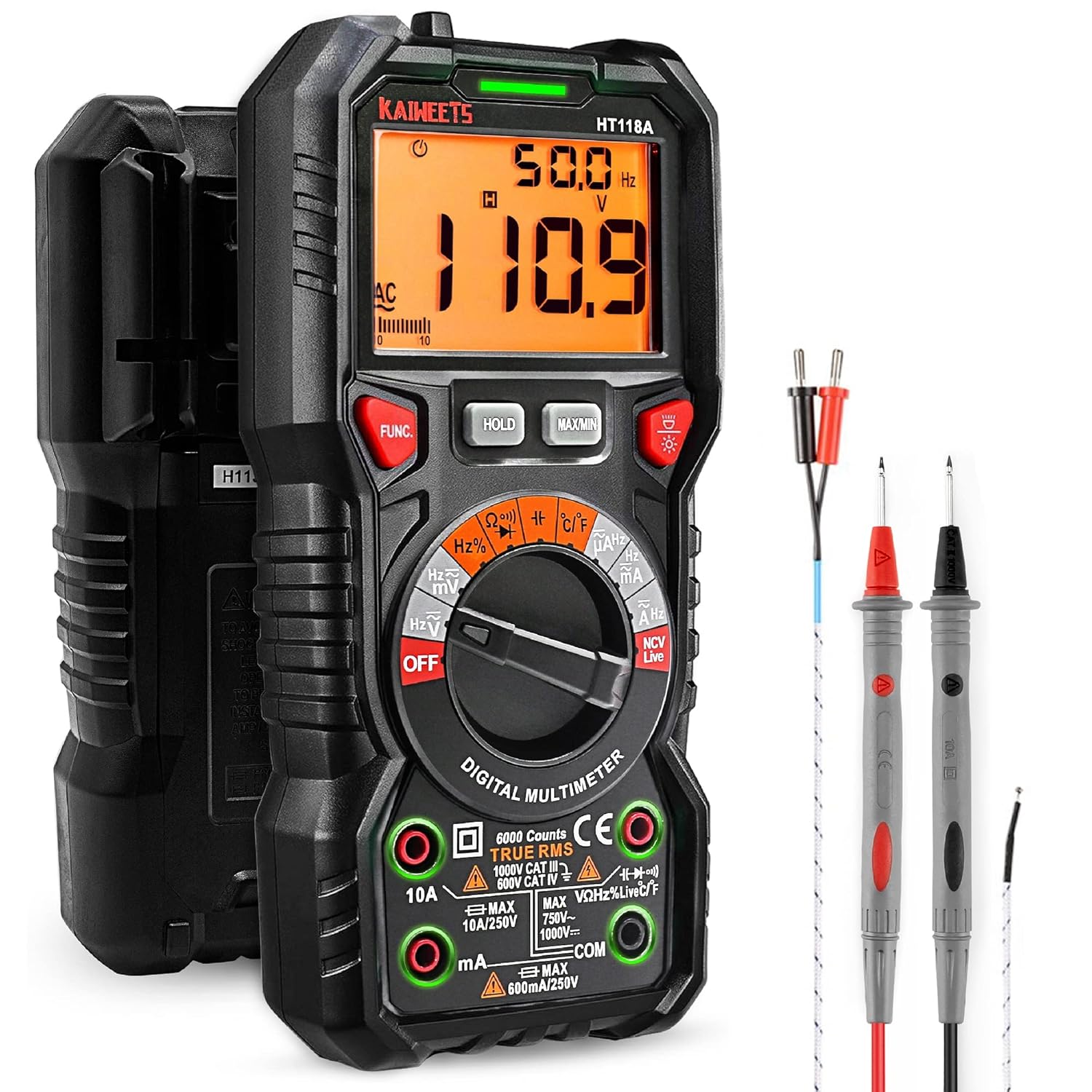
If the blower only works on one speed or not at all, the blower motor resistor or control module is a likely suspect. Listen for fan noise at each speed. If the fan is dead, test for power and ground at the blower motor connector with a multimeter. If power and ground are present but the motor does not run, replace the blower motor. If lower speeds do not work but high speed does, the resistor is a common failure.
Look at the Compressor Clutch
With the engine running and AC on max, observe the compressor. Many systems use a clutch that engages and spins the compressor shaft. If the pulley spins but the clutch never clicks in, the issue may be low refrigerant, a bad relay, clutch coil failure, sensor input, or a control problem. If the clutch engages briefly and then drops out repeatedly, pressure may be too low or too high.
Inspect Condenser and Cooling Fans
The condenser sits in front of the radiator and needs good airflow. Shine a light through it and look for bent fins, packed bugs, leaves, or road debris. Clean it gently with low-pressure water or condenser-safe cleaner. Then confirm radiator or condenser fans turn on when the AC is commanded on. A nonworking fan can make the AC blow warm at idle even if it cools while moving.
Using Pressure and Temperature Readings the Right Way
If basic checks do not reveal the problem, pressure readings can help, but only if you know your vehicle’s refrigerant type and factory procedures. Low pressure on both sides can indicate low refrigerant from a leak. High high-side pressure with poor cooling may point to condenser airflow problems, overcharge, or restriction. Equalized pressure with no cooling can indicate compressor failure.
Vent temperature is also useful. On a warm day, center vent temperature should usually drop significantly below ambient once the system stabilizes. A thermometer gives you a more reliable baseline than guessing by feel.
- Do not top off refrigerant blindly without confirming low charge.
- A system that is low on refrigerant almost always has a leak somewhere.
- Pressure readings must be interpreted with ambient temperature and fan operation in mind.
- An overcharged system can cool poorly and damage components.
Common Repairs and How to Handle Them
Replacing the Cabin Air Filter
This is usually the easiest AC-related repair. Access is commonly behind the glove box or under the cowl. Install the new filter in the correct airflow direction and make sure the cover seals properly. If airflow was weak before, test the blower again after replacement.
Replacing an AC Fuse or Relay
After confirming the failed component, install the correct replacement. If the new fuse fails immediately, stop there. You likely have a shorted clutch coil, fan motor issue, wiring problem, or blower circuit fault that needs electrical diagnosis.
Replacing a Blower Motor Resistor
A failed resistor often causes loss of one or more blower speeds. It is typically mounted in the HVAC case near the blower motor. Disconnect the battery if required by the service procedure, unplug the connector, remove the fasteners, and swap in the new resistor. Inspect the connector for melting or heat damage before reassembly.
Cleaning the Condenser
Carefully remove loose debris by hand, then rinse the condenser from the engine side outward if access allows. Use low pressure only so you do not flatten the fins. This repair will not fix a refrigerant leak or compressor issue, but it can improve cooling at idle if airflow was restricted.
Recharging Refrigerant
A recharge is only appropriate after you have good reason to believe the charge is low and the system does not have a major leak or mechanical failure. Follow the exact refrigerant specification for your vehicle. If the system is empty, has contaminated refrigerant, or needs evacuation and vacuum testing, this should be handled professionally.
If you add refrigerant and cooling improves only temporarily, the system is leaking. Common leak points include service ports, hose crimps, condenser damage, compressor shaft seals, and evaporator cores.
Recommended Tools for This Job


Signs the Problem Is Beyond DIY Repair
Some AC issues are not practical or safe to repair in a home garage. If you hear grinding from the compressor, see metallic debris in the system, or find the clutch overheated or smoking, the repair usually involves flushing, component replacement, and precise refrigerant oil handling.
- The compressor will not build pressure or makes grinding or knocking noises.
- The system has a confirmed leak in the evaporator, condenser, or hose assembly.
- You suspect internal contamination from compressor failure.
- The car uses an electronically controlled variable displacement compressor and diagnosis requires scan-tool data.
- Blend door motors or HVAC control modules need dash disassembly or calibration procedures.
Final Testing After the Repair
After any repair, run the engine at idle with the AC set to max cool and recirculate. Check that the blower operates on all speeds, airflow direction changes correctly, compressor engagement is stable, and cooling fans come on when expected.
Measure vent temperature again and compare it to your starting point. Then test-drive the vehicle in traffic and at highway speeds. A successful repair should restore consistent airflow and cooling, not just improve it for a few minutes.
- No warning lights or burning smells should appear during testing.
- Vent temperature should drop steadily and remain stable.
- Cooling should work at idle and while driving.
- Unusual clicking, squealing, or rapid compressor cycling should be gone.
Preventing Future Car AC Problems
A little maintenance can extend AC performance and reduce expensive failures. Replace the cabin air filter on schedule, keep leaves out of the cowl intake area, and wash bugs and debris off the condenser during warm-weather months.
It also helps to run the AC periodically even in cooler weather. This keeps seals lubricated and helps you catch weak performance before summer heat arrives. If cooling fades gradually year to year, have the system checked early instead of waiting for a complete failure.
Key Takeaways
- Start by separating weak airflow problems from warm-air cooling problems, because they point to different parts of the AC system.
- Check the cabin air filter, fuses, relay, blower speeds, condenser cleanliness, and cooling fans before assuming the system just needs refrigerant.
- Do not add refrigerant blindly, since low charge usually means a leak and overcharging can make performance worse.
- Use a mechanic for compressor failure, major leaks, evacuation and recharge work, or any repair that involves opening a charged AC system.
- Always confirm the fix with vent temperature, idle testing, and a road test in both stop-and-go and highway conditions.
FAQ
Why Is My Car AC Blowing Warm Air but the Fan Still Works?
If airflow is strong but the air is warm, common causes include low refrigerant, a compressor clutch that is not engaging, a failed relay or pressure sensor, condenser fan problems, or a blend door issue inside the HVAC box.
Can a Dirty Cabin Air Filter Make the AC Feel Weak?
Yes. A clogged cabin air filter can greatly reduce airflow from the vents, making the AC seem ineffective even when the evaporator is getting cold. It is one of the first things to check.
Why Does My AC Cool While Driving but Not at Idle?
That symptom often points to poor condenser airflow at low speed. Check for cooling fans that are not running, a dirty or blocked condenser, or refrigerant charge issues that become more noticeable when the vehicle is stopped.
Is It Safe to Recharge My Car AC Myself?
It can be safe only if you use the correct refrigerant, understand the system condition, and are not opening the sealed AC lines. If the system is empty, has a major leak, or may be overcharged or contaminated, professional service is the safer choice.
How Do I Know if My Blower Motor Resistor Is Bad?
A bad blower resistor usually causes the fan to work on only certain speeds, often high speed only. If the blower motor itself still runs but speed control is missing, the resistor or blower control module is a likely fault.
What Noises Suggest an AC Compressor Problem?
Grinding, knocking, squealing, or rattling from the compressor area can indicate clutch, bearing, or internal compressor failure. If those noises appear when the AC is turned on, stop using the system until it is diagnosed.
How Often Should I Replace the Cabin Air Filter for AC Performance?
Many vehicles need a cabin air filter every 12,000 to 20,000 miles, but dusty driving conditions may require more frequent replacement. Check your owner’s manual and inspect it sooner if airflow drops.
Need Parts for This Repair?
The right parts and supplies vary by vehicle.
Select your make and model to find compatible parts and accessories for your car.
Exact Fit
Parts that fit your make and model
Quality You Can Trust
Top brands and OEM quality options
Fast Shipping
Get the parts you need, delivered fast