

Note: This article contains affiliate links. If you click on these links and make a purchase, I may earn a small commission at no extra cost to you. This helps support my research and content. Read my full affiliate disclosure here.
What You’ll Need
A quick look at the tools and supplies commonly used for this job.
Tools
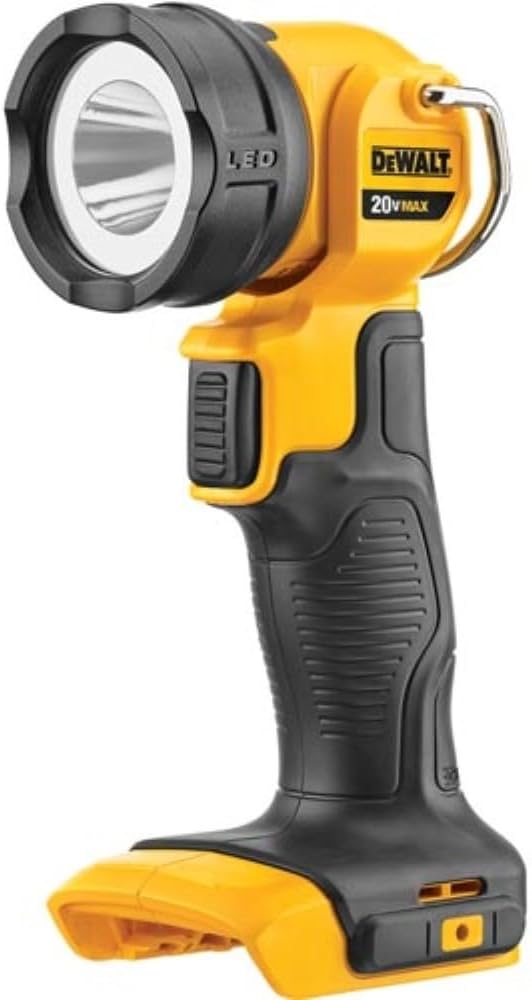
- Flashlight
- Trim removal tool
- Small inspection mirror
- Gloves
- Safety glasses
- Wet/dry vacuum
- Compressed air with rubber tip
- Jack and jack stands or ramps
Parts & Supplies
- Shop towels
- Plastic sheeting or absorbent pads
- Mild interior cleaner
- Disinfectant or evaporator-safe HVAC cleaner
This article is part of our HVAC Maintenance & Repair Guides.
A blocked AC drain can cause water to back up inside the HVAC case and leak onto the passenger-side floor instead of dripping harmlessly under the car. If your vehicle smells musty, fogs the windows more than usual, or leaves the carpet damp after running the air conditioner, the drain is one of the first things to check.
The good news is that diagnosing this problem is usually straightforward for a DIY owner. In most cases, you are looking for a pattern: the AC runs cold, but condensation is not exiting through the evaporator drain tube the way it should. The challenge is making sure you are actually dealing with a blocked drain and not a heater core leak, windshield leak, door seal issue, or spilled water.
This guide walks through the symptoms, tools, inspection steps, and test results that help confirm whether the AC drain is clogged. It also covers what findings point somewhere else, so you do not waste time clearing a drain when the leak source is different.
How the AC Drain System Works
When your air conditioner is operating, warm humid cabin air passes over the cold evaporator core inside the HVAC housing. Moisture condenses on that core, just like water on a cold drink, and collects in the bottom of the case. A small drain passage and drain tube allow that water to exit underneath the vehicle.
If the drain passage becomes restricted by dirt, leaves, mold growth, insulation debris, or insect nests, condensate cannot escape fast enough. Water then pools in the HVAC box and may spill into the passenger compartment, often onto the front passenger floorboard.
Because some amount of water under the car is normal with the AC running, your goal is not to eliminate dripping. Your goal is to verify whether normal condensation is being diverted into the cabin because the drain path is blocked.
Common Symptoms of a Blocked AC Drain
Several symptoms tend to show up together when the evaporator drain is clogged. One symptom alone is not always enough to confirm the problem, but a cluster of them usually points in the right direction.
- Water on the front passenger-side carpet after using the AC.
- A musty or mildew smell from the vents or cabin.
- Little or no water dripping under the vehicle after the AC has been running on a humid day.
- Windows that fog more easily because moisture stays inside the cabin.
- A sloshing or trickling water sound behind the dash during turns or braking.
In many vehicles, the leak is most noticeable after a longer drive with the AC on high. The carpet may feel damp only near the center tunnel or firewall at first, then spread into the underlayment where it takes much longer to dry.
Tools, Setup, and Safety
Before You Begin
Park on a level surface, set the parking brake, and work with a cool engine if you need to access the firewall area. If you must raise the vehicle to inspect the drain outlet, use ramps or jack stands on solid ground. Never rely on a jack alone.
Why Safety Matters Here
Most blocked-drain diagnosis is low risk, but compressed air, sharp trim edges, and awkward under-dash positions can still cause injury. Wear gloves and eye protection, especially if you are checking the drain tube from underneath. Dirty water may drain suddenly once the clog moves.
What Makes Diagnosis Easier
A flashlight, inspection mirror, and towels are usually enough to confirm the issue. A wet/dry vacuum or low-pressure compressed air can help with testing and clearing, but diagnosis should come first so you do not mask the original symptoms.
Initial Checks Inside the Cabin
Check Where the Water Is Showing Up
Press down on the carpet and padding in the front passenger footwell. If the top of the carpet feels only slightly damp but the padding underneath is soaked, the leak may have been present for a while. Focus on whether the wettest area is near the HVAC housing or firewall rather than near the door opening.
A blocked AC drain usually wets the passenger-side front floor area first. Water entering from a door seal or windshield often leaves a different pattern, such as wet trim, wet kick panels, or visible trails higher up the body.
Smell and Appearance Matter
Condensate water from the AC is generally clear and odorless at first, though standing water in the HVAC case can develop a musty smell. Coolant from a heater core leak is more likely to feel slippery, leave a colored residue, and have a sweet smell. That distinction is important before blaming the drain.
Look Under the Dash
Use a flashlight to inspect the lower HVAC housing on the passenger side. Look for water trails, staining, or drips forming after the AC has run. If water appears to be seeping from the bottom seam of the evaporator case, that strongly suggests condensate is pooling inside the housing.
Tools That Make This Job Easier


Check for Normal Condensation Under the Vehicle
One of the quickest clues is what happens underneath the car when the air conditioner runs. On a warm or humid day, you should normally see water dripping from the drain area near the firewall after the system has been operating for several minutes.
How to Perform the Test
- Start the engine and set the AC to maximum cooling with the blower on medium or high.
- Let the system run for 10 to 15 minutes with the vehicle parked.
- Check under the passenger-side firewall area for steady water dripping.
- Compare what you see underneath with what is happening inside the cabin.
If you have damp carpet inside but little or no water dripping outside, the drain is likely restricted. If you see a healthy drip outside and still have water inside, the issue may be a partially cracked HVAC case, a disconnected drain tube, or a different leak source entirely.
Keep in mind that very dry weather can reduce visible dripping. This test is most useful when humidity is moderate to high and the AC has been running long enough to generate noticeable condensation.
Locate the AC Drain Tube
The drain outlet is usually a short rubber elbow, nipple, or plastic tube protruding from the lower firewall on the passenger side. On some vehicles it is clearly visible from underneath. On others it is hidden behind heat shields, splash panels, or close to the transmission tunnel.
What You Are Looking For
- A small tube exiting the HVAC case through the firewall.
- Dirt, slime, or debris blocking the outlet.
- A pinched, collapsed, or kinked rubber elbow.
- Signs of recent water staining around the outlet but no active drip.
If you cannot easily see the drain tube, search for a vehicle-specific diagram or repair manual before removing trim or shields. Avoid poking random firewall grommets or hoses, since you can damage wiring or vacuum lines.
Tests That Confirm a Blocked Drain
Drain Outlet Inspection Test
Inspect the drain outlet for mud, leaf fragments, or biological buildup at the opening. If the outlet looks dirty and the cabin has the classic wet-carpet symptoms, the odds of a blockage are high.
Gentle Probe Test
Using a soft plastic zip tie or flexible trimmer line, gently insert the tool a short distance into the drain outlet. Do not use metal wire or anything sharp that could puncture the evaporator core or damage the drain tube. If the tool breaks through soft debris and water immediately pours out, you have essentially confirmed the blockage.
Low-pressure Air or Vacuum Test
A wet/dry vacuum held at the drain outlet can sometimes pull out the clog without risk of forcing debris deeper into the case. If using compressed air, keep the pressure low and use short bursts only. The goal is to disturb the obstruction, not pressurize the HVAC housing. A sudden release of trapped water during this test is another strong confirmation.
Operational Recheck
After any gentle clearing attempt, run the AC again for 10 to 15 minutes. If water now drips steadily from the drain and no new moisture appears inside, the diagnosis is confirmed: the blocked drain was causing the leak.
Recommended Tools for This Job


How to Rule Out Other Water Leak Sources
Before you conclude the AC drain is the only issue, rule out other common causes of wet carpet. Misdiagnosis is common because several leaks can show up on the same side of the cabin.
Heater Core Leak
A heater core problem usually causes coolant loss, a sweet odor, greasy film on the windshield, and fluid that feels slick rather than plain water. The leak may appear even when the AC is off.
Door, Windshield, or Sunroof Leak
These leaks are often tied to rain or car washes, not AC usage. Look for wet headliner edges, A-pillar trim moisture, door seal damage, or water tracks higher than the HVAC case.
Fresh-air Intake or Cowl Blockage
Leaves and debris at the cowl can let rainwater overflow into the HVAC intake area. This can mimic an AC drain issue, but it usually appears after storms even if the air conditioner has not been used.
Disconnected or Damaged Drain Tube
If the drain path itself is broken or detached, water may still form but dump into the cabin before reaching the outlet. In that case you may not find a clog, but the symptoms are similar. Inspect for missing elbows, cracks, or loose tube connections if accessible.
Interpreting Your Results
- Wet passenger carpet plus no drip under the vehicle after AC use usually points to a clogged condensate drain.
- Wet carpet plus immediate drainage after gently opening the outlet strongly confirms a blocked drain.
- Visible drip under the car with no interior leak usually means the drain is functioning normally.
- Wet carpet with sweet-smelling or colored fluid points away from the AC drain and toward a heater core or coolant issue.
- Moisture after rain rather than AC use points toward body, cowl, or sunroof drainage problems.
If your results are mixed, focus on when the leak happens. A true AC drain problem is usually tied closely to running the air conditioner, especially during humid weather and longer drive times.
What to Do After You Confirm the Drain Is Blocked
Once you know the drain is clogged, the next step is clearing it completely and drying the interior before mold and odor become worse. Many DIY owners can handle this with a vacuum, gentle probe, or low-pressure air. If the clog keeps returning, the evaporator case may need deeper cleaning.
- Clear the drain outlet gently without using sharp tools.
- Run the AC again and verify steady drainage under the car.
- Dry the carpet and padding thoroughly with towels, airflow, or a wet/dry vacuum.
- Clean the affected interior area to reduce mildew smell.
- Inspect the cowl and cabin air filter area for debris that may contribute to recurring blockage.
If the drain cannot be accessed easily, if the tube is damaged, or if water continues to leak inside after the outlet is clear, professional diagnosis may be the better choice. Some vehicles require partial trim or HVAC case access to repair the drain path properly.
When to Stop DIY Diagnosis and Get Professional Help
Seek professional help if the carpet is heavily soaked, the vehicle has repeated interior water intrusion, or you suspect the leak could involve coolant rather than condensate. Also stop if the drain location is inaccessible without major under-dash disassembly.
A shop should also inspect the vehicle if you hear blower motor noise, have weak airflow, or see signs that the evaporator case itself is cracked. Those problems can overlap with a drain issue but require more than a simple unclogging.
Key Takeaways
- Wet passenger-side carpet after AC use and little or no water dripping under the car is the strongest blocked-drain clue.
- Confirm the diagnosis by locating the drain outlet and checking whether gentle probing or vacuuming releases trapped water.
- Do not use sharp metal tools or high air pressure, because you can damage the drain tube or evaporator core.
- Rule out heater core, rainwater, cowl, and door-seal leaks before assuming every interior water leak is from the AC drain.
- After clearing the drain, dry the carpet and padding completely so mildew odor and mold growth do not continue.
FAQ
What Are the First Signs of a Blocked AC Drain?
The most common early signs are damp carpet on the passenger side, a musty smell in the cabin, and little or no water dripping under the vehicle after running the AC.
Should Water Be Dripping Under My Car when the AC Is On?
Yes. In warm or humid conditions, it is normal to see water dripping under the vehicle from the evaporator drain. That is condensed moisture leaving the HVAC case.
Can a Blocked AC Drain Make My Car Smell Bad?
Yes. Standing condensate inside the HVAC housing can allow mold and mildew growth, which often causes a musty odor from the vents or inside the cabin.
How Do I Know if It Is the Heater Core Instead of the AC Drain?
A heater core leak often produces a sweet smell, coolant loss, possible fogging on the windshield, and fluid that feels slick or looks colored. An AC drain leak is usually plain water and happens mainly after AC use.
Can I Clear the Drain Myself?
Often, yes. Many owners can clear a minor clog with a wet/dry vacuum, a soft flexible probe, or very low-pressure air at the drain outlet. Avoid sharp wire or aggressive pressure.
Why Is My Carpet Still Wet After I Unclogged the Drain?
The carpet padding can hold water for a long time even after the leak is fixed. You may need to extract water, lift the carpet edge if possible, and use fans or dry air to fully dry the area.
Can a Blocked AC Drain Damage Anything Besides the Carpet?
Yes. Prolonged moisture can cause mold, interior odor, corrosion of floorpan areas, damage to sound insulation, and in some vehicles even affect wiring or electronic modules under the carpet.
What if I Clear the Outlet but the Leak Comes Back?
Recurring leaks can mean the evaporator case has more debris inside, the drain tube is damaged or partially collapsed, or a different water entry source is being mistaken for an AC drain problem.
Need Parts for This Repair?
The right parts and supplies vary by vehicle.
Select your make and model to find compatible parts and accessories for your car.
Exact Fit
Parts that fit your make and model
Quality You Can Trust
Top brands and OEM quality options
Fast Shipping
Get the parts you need, delivered fast