

Note: This article contains affiliate links. If you click on these links and make a purchase, I may earn a small commission at no extra cost to you. This helps support my research and content. Read my full affiliate disclosure here.
Repair Snapshot
Use a mechanic if the fuel tank must be heavily lowered, rusted fasteners or fuel lines are likely to break, or you cannot safely work around gasoline vapors. A shop is also the better choice if fuel pressure testing or electrical diagnosis has not confirmed the pump is actually faulty.
This article is part of our Fuel System Maintenance & Repair Guides.
Replacing a fuel pump is a job that can restore hard starting, no-start conditions, low power, or stalling, but it has to be done carefully because you are working with gasoline and fuel vapors.
On many vehicles the pump is mounted inside the fuel tank as part of a fuel pump module that may also include the sending unit and strainer. Some cars and trucks have an access panel under the rear seat or cargo floor, while others require lowering the fuel tank. The exact layout varies, but the basic process is the same: confirm the pump has failed, relieve fuel pressure, disconnect the battery, remove the old module, install a new seal and pump assembly, then verify fuel pressure and leaks.
Before buying parts, look up the correct procedure and torque specs for your vehicle. Fuel system designs, lock rings, hose fittings, evaporative emissions lines, and electrical connectors differ a lot from one model to another, and getting the wrong module can turn a difficult repair into a long delay.
Before You Start
Confirm the Pump Is Actually the Problem
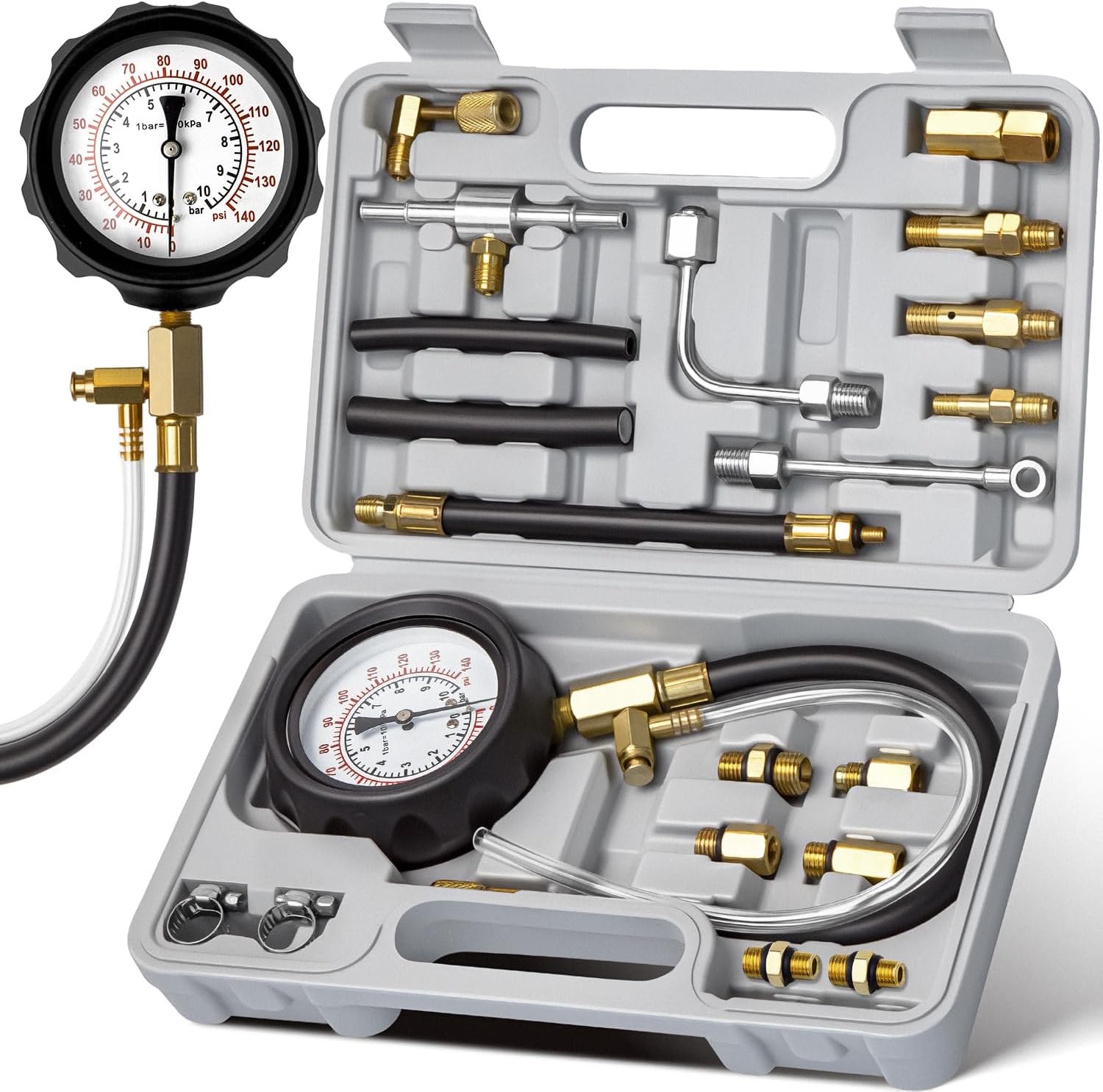
A no-start does not always mean the fuel pump has failed. Check for pump operation with the key turned to ON, verify the fuel pump fuse and relay, and test for battery voltage and ground at the pump connector when commanded on. If your vehicle has a Schrader valve on the fuel rail, use a fuel pressure gauge to compare actual pressure with factory spec. Low or zero pressure can be caused by a weak pump, clogged filter, failed relay, wiring damage, poor ground, or an immobilizer issue on some vehicles.
If the engine still starts and runs but has hesitation, lean codes, or loss of power under load, fuel pressure and volume testing are especially important. Replacing the pump without testing can waste money if the real issue is a bad pressure regulator, restricted filter, or corroded connector.
Work Safely Around Gasoline
Gasoline vapors ignite easily. Work outdoors or in a very well-ventilated area, keep all sparks and flames far away, and do not use droplights with hot bulbs near the tank. Disconnect the negative battery cable before opening the fuel system, and keep a class B fire extinguisher nearby if possible.
- Do the repair with the fuel level as low as possible because a full tank is much harder and more dangerous to lower.
- Wear safety glasses and gloves because fuel can spray when lines are disconnected.
- Clean dirt from the top of the tank or access cover before opening anything so debris does not fall into the tank.
- Replace the pump seal or O-ring every time the module is removed.
Accessing the Fuel Pump
Relieve Fuel Pressure First
Follow your vehicle’s service procedure to relieve fuel pressure. Common methods include removing the fuel pump fuse or relay and cranking the engine until it stalls, or using a scan tool on some vehicles. After that, open the fuel filler cap to release tank vapor pressure, then disconnect the negative battery cable.
Choose the Correct Access Method
If your vehicle has an interior access panel, the job is much easier. Fold or remove the rear seat cushion or cargo trim, remove the inspection cover, and you may be looking directly at the fuel pump module. On vehicles without an access panel, the tank usually has to be lowered from underneath after disconnecting the filler neck, electrical connector, EVAP lines, and fuel lines.
Before lowering a tank, support it securely with a transmission jack, floor jack with a broad wood pad, or another stable support. Tank straps can shift suddenly when bolts come out, especially if the tank still contains fuel.
Tools That Make This Job Easier


How to Remove the Old Fuel Pump
If Your Vehicle Has an Access Panel
- Remove the rear seat bottom, trunk liner, or cargo floor trim as needed to expose the pump access cover.
- Remove the cover fasteners and lift off the panel.
- Clean the area around the pump module thoroughly with compressed air or a brush and shop towels.
- Disconnect the electrical connector and mark any fuel line locations if there are multiple connections.
- Use the correct disconnect tool to release the fuel lines, then cap or wrap the openings to reduce contamination.
- Remove the pump retaining ring using the proper tool, or carefully turn a metal lock ring with a brass punch and hammer if the service manual allows it.
- Lift the pump module straight up while tilting it as needed to clear the float arm and strainer without bending them.
If the Tank Must Be Lowered
- Raise the vehicle securely on jack stands placed at the correct lift points.
- Support the tank with a jack and wood pad.
- Disconnect the filler neck hose, vent hoses, EVAP lines, and the pump electrical connector.
- Disconnect the fuel supply and return lines where applicable, using line tools if required.
- Spray tank strap bolts with penetrating oil and remove them while keeping the tank fully supported.
- Lower the tank just enough to access any remaining lines or connectors on top, then lower it completely and slide it out.
- Clean the top of the tank before removing the retaining ring and lifting out the old fuel pump module.
Expect some fuel spillage no matter how careful you are. Keep rags and a drain pan ready, and move slowly when disconnecting older plastic fittings because they can become brittle from age and heat.
Installing the New Fuel Pump
Compare the New Part to the Old One
Before installation, compare the new module with the old pump assembly. Check connector shape, line orientation, float arm position, strainer depth, pressure regulator setup, and lock ring design. If anything does not match, stop and confirm part fitment before forcing it in place.
Install a New Seal and Seat the Module Correctly
Remove the old tank seal or O-ring and wipe the sealing surface clean. Lightly lubricate the new seal with clean fuel or whatever the service information specifies, then place it in the correct groove. Lower the new module into the tank carefully so the float arm and strainer are not bent or folded. Align any positioning tabs or arrows before installing the lock ring.
Tighten the retaining ring to specification if a torque value is provided. If the ring uses indexed tabs, make sure it is fully seated in the locked position. An improperly seated ring or twisted seal can cause fuel vapor leaks, evaporative emissions codes, or liquid fuel leaks when the tank is full.
Reconnect Lines and Electrical Connectors
Reconnect every fuel line until it clicks or locks positively, then tug lightly to confirm it is secure. Apply a small amount of dielectric grease to the electrical connector seal only if appropriate for the connector design. Reinstall the access cover or prepare to raise the tank back into place.
Reinstalling the Tank and Finishing the Job
If you lowered the tank, raise it slowly while routing the filler neck, vent hoses, EVAP lines, and wiring exactly as they were before. Pinched vapor lines or wiring can create driveability problems, EVAP faults, or a future short. Start all strap bolts by hand and tighten them evenly to specification.
Reconnect the battery, reinstall the fuel pump fuse or relay, and cycle the ignition key to ON for several seconds, then back off. Repeat that two or three times to prime the system before cranking the engine. This allows the new pump to build pressure and purge air from the lines.
Once the engine starts, inspect every connection for leaks immediately. If your vehicle has a fuel pressure service port, verify pressure is within spec and remains stable. Also confirm the fuel gauge reads reasonably and that no EVAP or fuel system warning lights appear after a short drive.
Recommended Tools for This Job


Torque Notes, Filters, and Related Service
Use Vehicle-specific Torque Specs
Fuel pump jobs often involve torque-sensitive fasteners and fittings, including tank strap bolts, access cover screws, ground fasteners, and sometimes retaining rings. Do not guess where a factory torque value exists. Over-tightening can strip threads in thin sheet metal or distort the tank flange, while under-tightening can allow movement or leaks.
Replace Related Parts when It Makes Sense
If your vehicle uses an external inline fuel filter, replacing it at the same time is smart preventive maintenance. A partially clogged filter can overwork a new pump. If the pump connector shows heat damage, melting, discoloration, or loose terminals, replace the connector pigtail too. Many repeat failures are caused by voltage drop at a worn connector rather than a defective replacement pump.
- Inspect the tank interior if contamination, rust, or debris is present.
- Do not reuse a flattened or cut tank seal.
- Replace broken quick-connect retainers instead of trying to force them back together.
- Secure all shields and covers so road debris cannot damage the new pump wiring.
Common Mistakes to Avoid
- Skipping fuel pressure and electrical testing before replacement.
- Trying to lower a tank that is still nearly full of gasoline.
- Using steel chisels or creating sparks near the tank opening.
- Letting dirt fall into the tank during removal.
- Reusing the old O-ring or installing the new seal twisted.
- Forgetting to reconnect a ground wire, EVAP line, or vapor hose.
- Not priming the system before the first start.
- Assuming every no-start after installation is a bad new pump instead of checking the relay, fuse, connector lock, and line routing.
If the engine cranks but still does not start after installation, recheck connector engagement, pump fuse and relay installation, and line connections. On returnless systems, the engine may need a few prime cycles to build pressure. If pressure is still low, verify power and ground at the pump under load before condemning the new part.
When Fuel Pump Replacement Gets More Complicated
Some vehicles use saddle-style fuel tanks, dual pump arrangements, transfer pumps, or complex evaporative plumbing that makes tank removal much more involved. Trucks and SUVs with skid plates, rusted strap hardware, or limited clearance can also turn a straightforward repair into a fight.
Hybrid vehicles and some direct-injection systems may have extra precautions, more than one pump, or much tighter diagnostic requirements. In those cases, follow factory service information closely. If you are not sure how to identify the low-pressure in-tank pump versus a high-pressure engine-mounted pump, stop and confirm the system layout before ordering parts.
Key Takeaways
- Confirm low fuel pressure, proper power, and good ground before replacing the pump so you do not misdiagnose the problem.
- Work with a nearly empty tank, disconnect the battery, and relieve fuel pressure before opening any fuel lines.
- Always install a new tank seal and make sure the pump module and lock ring are fully aligned and seated.
- Prime the system with several key cycles and check carefully for leaks before road testing.
- If the tank is heavy, rusty hardware is severe, or fittings are fragile, paying a shop is often the safer move.
FAQ
How Do I Know if My Fuel Pump Is Bad and Not the Relay or Fuse?
The best way is to test, not guess. Check the fuel pump fuse and relay first, then verify battery voltage and ground at the pump connector while the pump should be running. If power and ground are present but fuel pressure is below spec or the pump is silent, the pump is much more likely to be faulty.
Do I Have to Drop the Fuel Tank to Replace the Fuel Pump?
Not always. Some vehicles have an interior access panel under the rear seat, trunk floor, or cargo area. Others require lowering or removing the fuel tank. A quick look at a service manual or parts diagram will usually tell you which design your vehicle uses.
Can I Replace Just the Pump Motor Instead of the Entire Module?
On some vehicles you can, but replacing the complete module is often the better repair. A full module usually includes the pump, strainer, housing, and fuel level components, reducing the chance of fitment issues or repeat labor. If the connector, level sender, or housing is worn, a pump-only repair may not last.
Should I Replace the Fuel Filter at the Same Time?
Yes, if your vehicle has a serviceable external fuel filter. A clogged filter can stress a new pump and reduce pressure. On many newer vehicles the filter is built into the pump module or considered non-serviceable, so check your service information.
Why Won’t My Car Start Right Away After I Replaced the Fuel Pump?
The fuel system may need to be primed. Turn the key to ON for several seconds, switch it off, and repeat two or three times before cranking. If it still will not start, recheck the electrical connector, fuse, relay, line connections, and actual fuel pressure.
Is It Safe to Hammer the Lock Ring Loose?
Only if the vehicle procedure allows it and you use a non-sparking brass punch or the correct service tool. Avoid steel chisels or anything that could create sparks near fuel vapors. Many vehicles are best serviced with a dedicated lock ring tool.
What Happens if I Reuse the Old Fuel Pump O-ring?
You risk fuel vapor leaks, EVAP trouble codes, and sometimes liquid fuel leaks, especially when the tank is full. Old seals flatten and harden with age. Replacing the seal every time is cheap insurance.
Can a Bad Fuel Pump Damage the Engine?
A weak pump can cause lean running, hesitation, loss of power, or stalling. In some cases prolonged lean operation can increase engine stress, but the more common immediate problem is poor drivability or a no-start condition. Fixing low fuel pressure promptly helps prevent additional issues.
Need Parts for This Repair?
The right parts and supplies vary by vehicle.
Select your make and model to find compatible parts and accessories for your car.
Exact Fit
Parts that fit your make and model
Quality You Can Trust
Top brands and OEM quality options
Fast Shipping
Get the parts you need, delivered fast