

Note: This article contains affiliate links. If you click on these links and make a purchase, I may earn a small commission at no extra cost to you. This helps support my research and content. Read my full affiliate disclosure here.
What You’ll Need
A quick look at the tools and supplies commonly used for this job.
Tools
- OBD-II scan tool
- Digital multimeter
- Basic socket set and ratchet
- Flashlight
- Hand vacuum pump or low-pressure smoke tester if available
- Screwdrivers or trim tools
- Needle-nose pliers
- Floor jack and jack stands if access under the vehicle is needed
Parts & Supplies
- Safety glasses
- Mechanic gloves
- Replacement EVAP vent valve if testing confirms failure
- Dielectric grease for electrical connector terminals
- Electrical contact cleaner
- Shop rags
This article is part of our Exhaust and Emissions Maintenance & Repair Guides.
A bad EVAP vent valve can trigger a check engine light, cause repeated trouble codes, and make emissions testing harder to pass. The vent valve is part of the evaporative emissions system, which stores fuel vapors from the tank and controls when fresh air is allowed into the charcoal canister during system operation and self-tests.
On many vehicles, the vent valve lives near the charcoal canister or fuel tank area, where it is exposed to road splash, dirt, rust, and dust. Because of that location, vent valves commonly fail from contamination, sticking, broken wiring, or internal electrical failure. The good news is that you can often narrow the problem down with a scan tool, a careful visual inspection, and a few basic electrical and airflow checks.
This guide walks through the most practical DIY diagnostic steps so you can tell whether the vent valve itself is bad, whether the wiring or connector is the real issue, or whether a different EVAP problem is setting similar codes.
What the Vent Valve Does
The EVAP vent valve, sometimes called a canister vent valve or vent solenoid, controls outside air entering the EVAP system. During normal operation it may stay open to let the system breathe. During leak checks and certain onboard self-tests, the powertrain control module closes the vent valve to seal the system.
If the valve sticks open, sticks closed, or stops responding electrically, the vehicle may not be able to run its EVAP monitor correctly. That can create fault codes, refueling complaints, or fuel vapor flow issues that look like a larger EVAP leak.
- A normally open vent valve allows filtered air into the EVAP system when commanded.
- A closed vent valve helps the vehicle seal the system for pressure or vacuum testing.
- A failed valve can mimic leak, blockage, and electrical control problems.
Common Symptoms of a Bad Vent Valve
Vent valve problems usually show up as EVAP-related check engine codes, but they can also create drivability or fueling complaints. Symptoms vary by vehicle design, so it is important to look at the full pattern instead of replacing the valve based on one code alone.
- Check engine light with EVAP codes such as P0446, P0449, P0455, P0456, or similar vent control circuit and vent performance faults.
- Difficulty filling the gas tank, with the pump repeatedly clicking off.
- Strong fuel vapor smell near the rear of the vehicle in some cases.
- Failed emissions or inspection readiness because the EVAP monitor will not complete.
- Intermittent code return after clearing, especially in wet or dusty conditions.
A hard start right after refueling can happen with EVAP issues too, but that symptom more often points to a purge valve problem than a vent valve. Keep that in mind so you do not chase the wrong part.
Codes and Clues That Point Toward the Vent Valve
Start with Stored and Pending Trouble Codes
Plug in an OBD-II scan tool and read stored, pending, and permanent codes. If your scan tool shows freeze-frame data, note fuel level, engine temperature, and vehicle speed when the fault set. EVAP tests often run under specific conditions, so freeze-frame data can help verify the fault is real and repeatable.
Codes Commonly Associated with Vent Valve Issues
- P0446 often points to vent control or vent system performance issues.
- P0449 commonly indicates an electrical fault in the vent valve control circuit.
- Large or small leak codes can appear if the valve is stuck or cannot seal the system correctly.
- Manufacturer-specific EVAP vent codes may be more direct than generic OBD-II descriptions.
Do not assume the vent valve is bad just because a vent-related code is present. Damaged wiring, clogged vent filters, broken hoses, and canister contamination can set similar faults. Diagnosis should confirm whether the valve is failing mechanically, electrically, or not at all.
Safety and Preparation
You are working around fuel vapors, so keep the area well ventilated and avoid sparks, smoking, or hot work lights. If the vent valve is mounted under the vehicle, let the exhaust cool fully before you begin.
- Park on a level surface and set the parking brake.
- Wear eye protection because dirt often falls from the canister area.
- Use jack stands if the vehicle must be raised for access.
- Disconnect the battery only if the service information for your vehicle recommends it for electrical testing or connector repair.
Tools That Make This Job Easier


Locate the Vent Valve on Your Vehicle
On many cars, SUVs, and trucks, the vent valve is mounted near the charcoal canister close to the fuel tank. On some models it is attached directly to the canister. It usually has an electrical connector and one or more vapor or vent lines.
If you are unsure of the exact location, look up the component by vehicle year, make, model, and engine. It may be labeled as EVAP vent solenoid, canister close valve, canister vent valve, or vent control valve.
Visual Inspection: The Fastest First Test
A careful visual inspection can save a lot of unnecessary testing. Because vent valves sit low on the vehicle, they often fail from corrosion, mud, or physical damage rather than from an internal defect alone.
- Check the electrical connector for broken locks, green corrosion, bent pins, or water intrusion.
- Inspect the harness for rubbed-through insulation, rodent damage, or wires pulled tight near the connector.
- Look for cracked, disconnected, pinched, or collapsed EVAP hoses.
- Check the vent filter or fresh-air inlet for dirt, spider webs, dust, or signs of road debris blockage.
- Inspect the canister area for fuel saturation, physical impact damage, or heavy rust.
If you find obvious hose or wiring damage, repair that first and retest before replacing the valve. A perfect new vent valve will not fix an open circuit or blocked vent line.
Command Test with a Scan Tool
Use Bi-directional Control if Your Scan Tool Supports It
The easiest functional test is commanding the vent valve on and off while listening or feeling for a click. On many vehicles, the vent valve will click distinctly when switching states. If you can command it but hear nothing, either the valve is stuck, the solenoid coil is open, or the circuit is not delivering power and ground.
- Turn the ignition on as required by your scan tool or service information.
- Navigate to the EVAP or output control menu.
- Command the vent valve open and closed several times.
- Listen closely near the valve or place a finger on it to feel for movement.
A click alone does not prove the valve seals and flows correctly, but it does show that the solenoid is at least trying to move. No click means you should continue with electrical checks and airflow testing.
Electrical Testing with a Multimeter
Check for Power and Ground
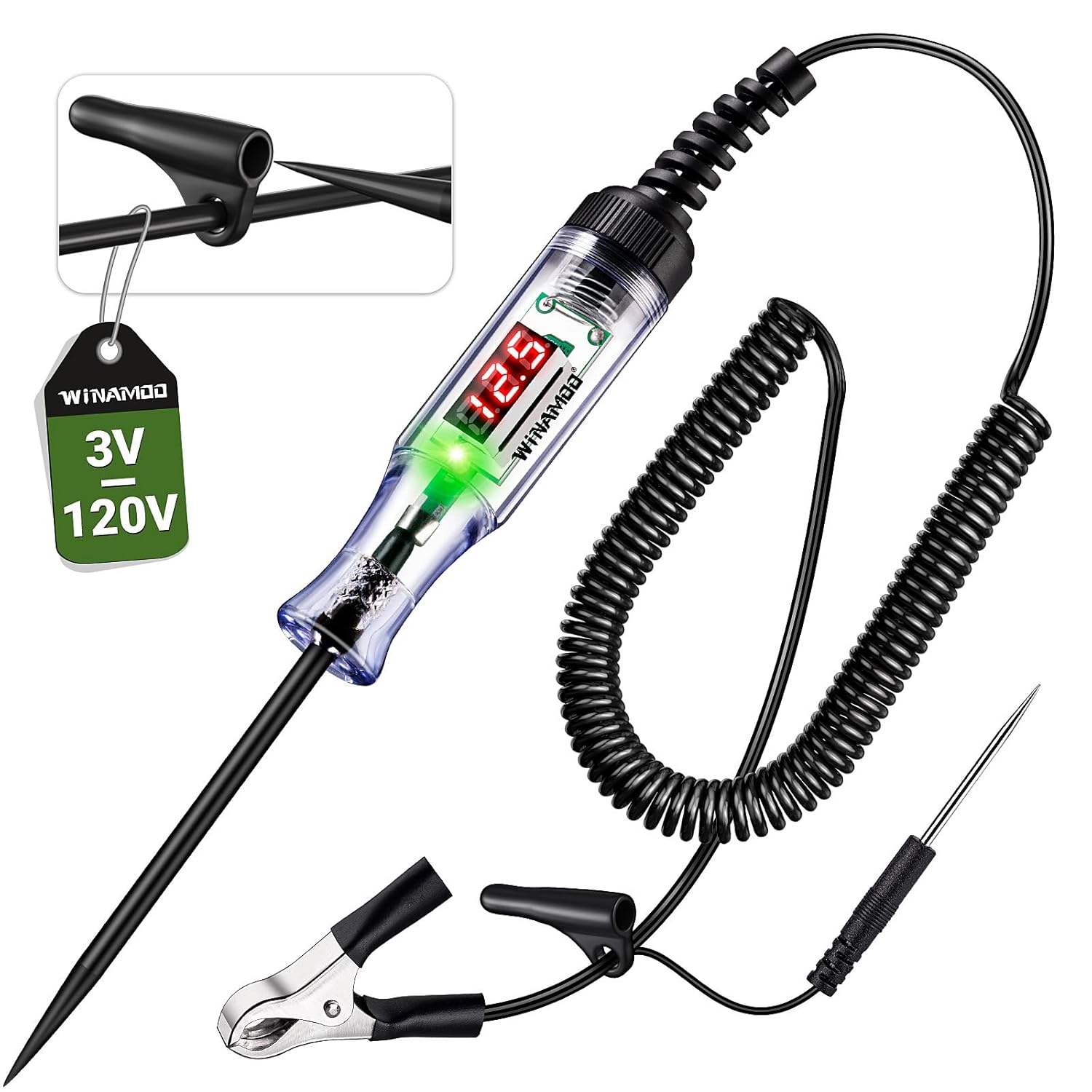
Most vent valves use battery voltage on one wire and a PCM-controlled ground on the other, although some systems are wired differently. Backprobe carefully or use the service connector test method for your vehicle.
- With the connector plugged in or unplugged as appropriate for your test method, check for battery voltage on the power supply side.
- When the valve is commanded on, verify the control side switches as expected.
- If voltage is missing, trace the fuse, relay, harness, and splice points.
- If the PCM command is missing, verify the circuit is intact before blaming the module.
Measure Solenoid Resistance
With the valve disconnected and the ignition off, measure resistance across the valve terminals. Compare the reading to factory specifications if available. An open circuit, a dead short, or a value far outside spec strongly suggests an internally failed solenoid.
If you do not have the exact specification, compare your reading to common-sense expectations. Infinite resistance usually indicates an open coil. Very low resistance may indicate an internal short. In either case, the valve is likely bad.
Airflow and Sticking Tests
Bench-check the Valve if Accessible
If the valve is easy to remove, you can often perform a simple airflow test. Depending on design, the valve may be normally open or normally closed, so verify the expected resting state for your vehicle before interpreting results.
- Remove the valve and inspect the ports for dirt or charcoal dust.
- Try blowing low-pressure air through the valve in its unpowered state.
- Apply power and ground briefly using jumper wires only if you know the correct polarity and voltage.
- Check whether airflow changes as the valve energizes.
If the valve does not switch airflow states, sticks intermittently, or remains blocked by contamination, replacement is usually the best fix. Do not use shop air at full pressure, because you can damage small EVAP components.
Watch for Contamination From the Canister
A vent valve can fail because charcoal pellets or dust from a damaged canister are migrating into it. If you see black debris inside the valve or lines, inspect the charcoal canister closely. Replacing only the vent valve may lead to repeat failure.
Recommended Tools for This Job


Smoke Testing and System Behavior
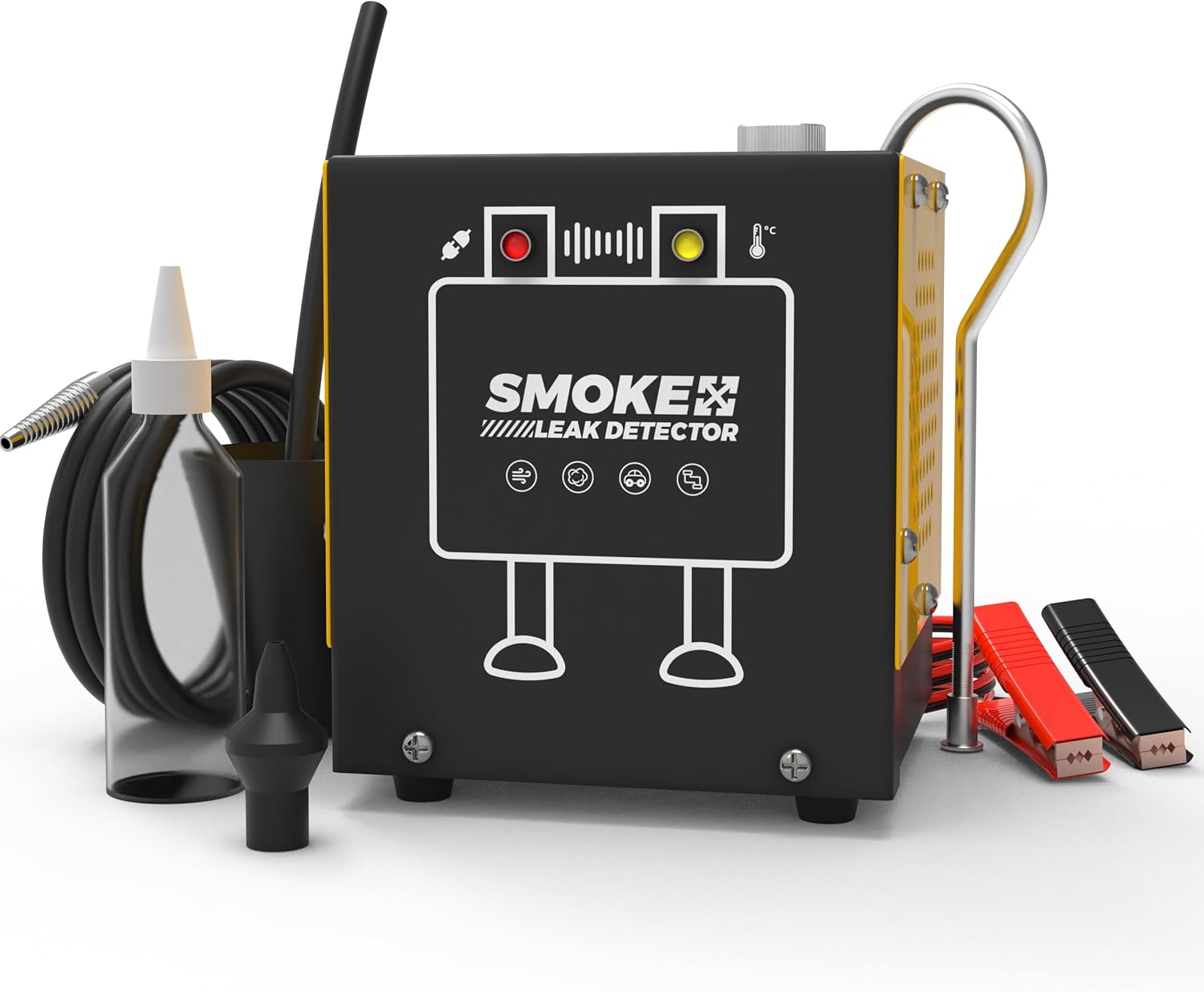
If you have access to a low-pressure EVAP smoke tester, it can help separate a vent valve fault from a hose leak or canister issue. The exact setup varies by vehicle, but the basic goal is to see whether the system can seal when the vent valve is commanded closed.
- If smoke escapes through the vent path when the valve should be closed, the valve may be stuck open or unable to seal.
- If the system will not vent properly when open, the valve or filter may be blocked.
- If smoke appears elsewhere, the main problem may be a hose, canister, fuel tank pressure sensor issue, or fuel cap seal problem.
Use only EVAP-safe test pressure. Too much pressure can damage components and create false conclusions.
How to Tell the Vent Valve Is Actually Bad
You can be reasonably confident the vent valve is bad when several clues line up instead of only one. The strongest diagnosis usually combines a vent-related code, failed command response, failed electrical test, and no evidence of harness or hose problems.
- The valve does not click or respond when commanded, but power and control signals are present.
- Resistance is open, shorted, or clearly out of specification.
- The valve sticks and fails a bench airflow test.
- The vent path is blocked by contamination inside the valve body.
- The system cannot seal during EVAP testing specifically because the vent valve will not close.
If the valve tests good electrically and mechanically, shift your attention to the connector, harness, canister, vent filter, fuel tank pressure sensor, purge valve, or leaks elsewhere in the EVAP system.
Common Misdiagnoses to Avoid
EVAP faults are easy to misdiagnose because multiple components work together. Replacing the vent valve too early is common, especially when a generic code reader provides only a brief code description.
- A loose or damaged fuel cap can set leak codes that are not caused by the vent valve.
- A stuck purge valve can cause hard-start-after-refueling symptoms that look like EVAP vent trouble.
- A clogged vent filter can prevent proper airflow even if the vent valve is good.
- Broken rear-body wiring is common on vehicles exposed to water, salt, and off-road debris.
- A saturated or cracked charcoal canister can contaminate the valve and create repeat failures.
What to Do After Diagnosis
If testing confirms the valve is bad, replace it and inspect the connected hoses, canister, and filter so the new part is not exposed to the same failure condition. Clean corroded connectors, repair damaged wiring, and make sure the vent inlet is protected from debris.
After repairs, clear the codes and drive the vehicle through a few normal cycles. Some EVAP monitors take time to run, so do not panic if readiness does not complete immediately. If the same code comes back quickly, recheck the circuit and make sure the replacement part matches the original system design.
- Clear codes only after completing repairs and confirming all connectors are fully seated.
- Verify the fuel cap is tight and in good condition before final testing.
- Recheck for pending codes after one or two cold-start drive cycles.
- If the code returns, review freeze-frame data and repeat the command and circuit tests.
Key Takeaways
- Start with EVAP codes, freeze-frame data, and a visual inspection before replacing the vent valve.
- A vent valve that has proper power and control but will not click or change airflow is likely faulty.
- Dirt, rust, charcoal debris, and clogged vent filters commonly cause vent valve-related failures.
- Do not confuse vent valve faults with purge valve, fuel cap, hose leak, or wiring problems.
- After repair, clear codes and confirm the EVAP monitor runs without the code returning.
FAQ
What Code Usually Means the Vent Valve Is Bad?
P0446 and P0449 are two of the most common codes associated with vent valve problems, but the exact meaning depends on the vehicle. P0449 often points more directly to an electrical circuit issue, while P0446 is commonly related to vent performance or control problems.
Can a Bad Vent Valve Cause Trouble Filling the Gas Tank?
Yes. If the EVAP system cannot vent properly during refueling, pressure can build in the filler neck area and cause the pump to click off repeatedly. A blocked vent path, clogged filter, or stuck vent valve can all cause this symptom.
Will a Bad Vent Valve Affect How the Engine Runs?
Usually not in a major way during normal driving. Most vent valve failures mainly trigger EVAP codes and emissions monitor problems. However, related EVAP faults can sometimes contribute to fuel vapor smells or refueling issues.
Can I Drive with a Bad Vent Valve?
In many cases the vehicle will still drive normally, but the check engine light will stay on and the vehicle may fail an emissions inspection. It is best to repair it soon, especially if you also notice refueling problems or fuel vapor odor.
How Do I Know if the Problem Is the Vent Valve or the Purge Valve?
A vent valve issue more often shows up during EVAP self-tests and refueling ventilation problems. A purge valve issue more often causes rough running or hard starting after getting gas because fuel vapors are being drawn into the engine at the wrong time.
Can I Test a Vent Valve Without Removing It?
Yes. A scan tool command test and basic voltage checks can often be done with the valve installed. If the test results are unclear, removing the valve for resistance and airflow checks gives a more confident diagnosis.
Why Does a New Vent Valve Fail Again Quickly?
Repeat failure often means the original cause was not addressed. Common reasons include a clogged vent filter, charcoal canister contamination, water intrusion, or damaged wiring that overheats or miscontrols the valve.
Need Parts for This Repair?
The right parts and supplies vary by vehicle.
Select your make and model to find compatible parts and accessories for your car.
Exact Fit
Parts that fit your make and model
Quality You Can Trust
Top brands and OEM quality options
Fast Shipping
Get the parts you need, delivered fast