

Note: This article contains affiliate links. If you click on these links and make a purchase, I may earn a small commission at no extra cost to you. This helps support my research and content. Read my full affiliate disclosure here.
What You’ll Need
A quick look at the tools and supplies commonly used for this job.
Tools
- OBD-II scan tool
- Digital multimeter
- Flashlight
- Basic socket and screwdriver set
- Needle-nose pliers
- Hand vacuum pump
Parts & Supplies
- Replacement purge valve
- Safety glasses
- Mechanic’s gloves
- Vacuum hose, if needed
- Electrical contact cleaner
- Shop rags
This article is part of our Exhaust and Emissions Maintenance & Repair Guides.
A bad purge valve can cause hard starting after refueling, rough idle, poor fuel trims, and EVAP trouble codes even when the rest of the emissions system looks fine.
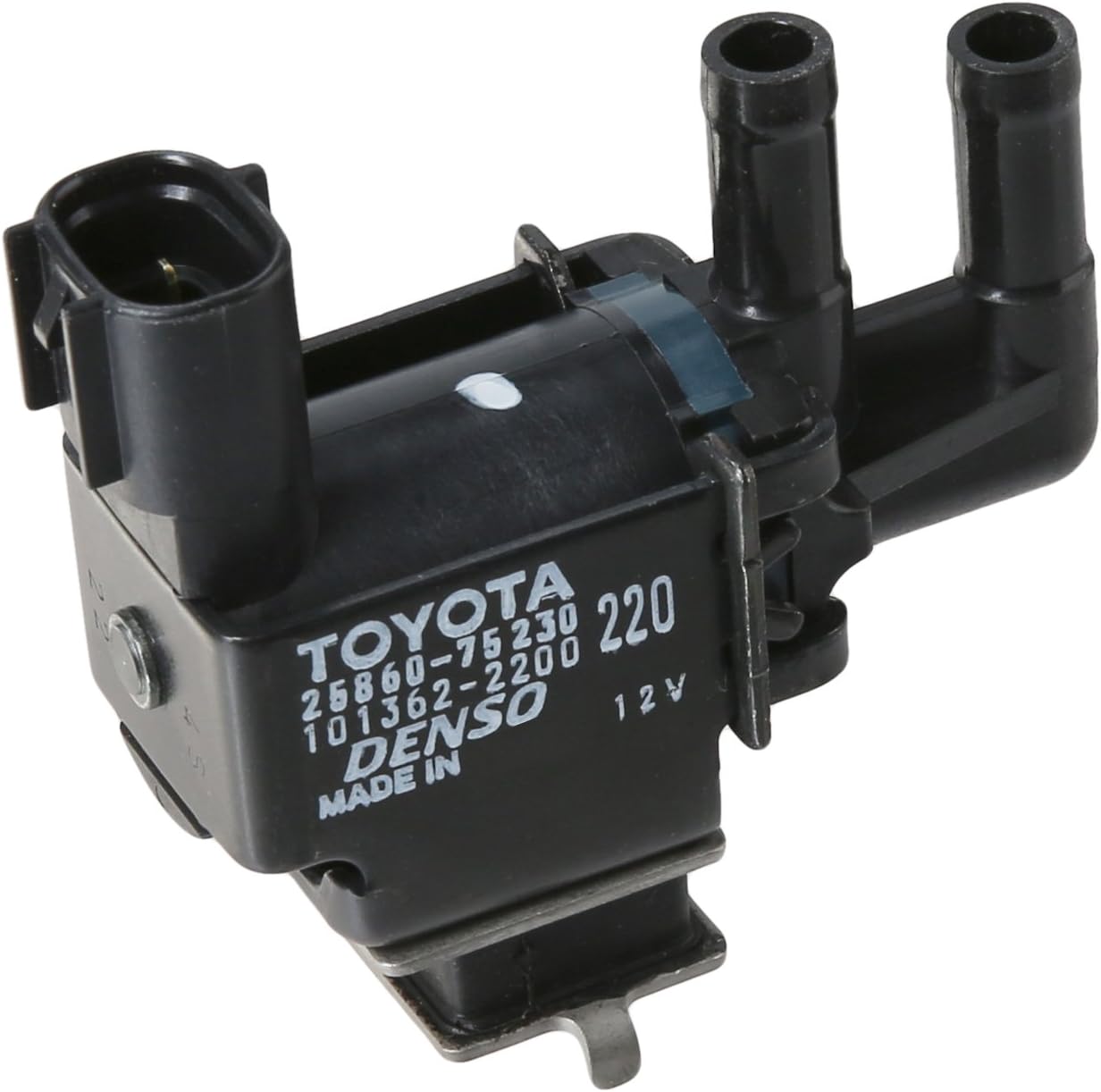
The purge valve is part of the EVAP system. It controls when fuel vapors stored in the charcoal canister are pulled into the engine and burned. When the valve sticks open, sticks closed, leaks internally, or has an electrical fault, the engine may get extra vapor or air at the wrong time and set codes.
This guide walks through a practical DIY diagnostic routine so you can tell whether the purge valve itself is bad, whether the problem is really a cracked hose or wiring issue, and when replacement is the right next step.
What the Purge Valve Does and Why It Fails
The purge valve, also called a canister purge solenoid, normally stays closed during certain operating conditions and opens when the powertrain control module wants to pull fuel vapors from the charcoal canister into the intake manifold. The computer controls it based on engine temperature, load, speed, and EVAP test strategy.
Common failure modes include an internal valve that sticks open, a valve that will not open when commanded, a leaking seal, a failed solenoid coil, damaged connector terminals, or cracked vapor hoses near the valve. Heat, fuel vapor contamination, age, and engine bay vibration all contribute.
- A stuck-open purge valve can act like a vacuum leak and may cause rough idle, lean codes, or hard starts after getting gas.
- A stuck-closed purge valve may trigger EVAP flow or purge performance faults because vapors cannot be drawn into the engine.
- An electrical fault can prevent normal operation even if the valve itself is mechanically fine.
- A hose or connector problem can mimic a bad purge valve, so testing matters before replacing parts.
Common Symptoms of a Bad Purge Valve
Start with the symptom pattern. Purge valve issues often show up in a way that helps separate them from other EVAP or intake problems.
Typical Symptoms
- Check engine light with EVAP-related trouble codes.
- Hard starting or extended cranking right after refueling.
- Rough idle, stumble, or occasional stalling at stoplights.
- Fuel smell near the engine bay or around the vehicle.
- Lean or rich fuel trim issues, depending on how the valve is failing.
- Failed emissions inspection or readiness monitor issues.
Symptoms That Point More Strongly to the Purge Valve
One of the strongest clues is a vehicle that starts and runs normally most of the time but cranks hard immediately after you fill the tank. If the purge valve is stuck open, excess fuel vapor can flood the intake during or after refueling, making restart difficult. Another strong clue is a rough idle that improves when the purge hose is temporarily pinched off for testing.
If you also have obvious loose fuel cap issues, large EVAP leaks, or strong evidence of damaged hoses near the canister, keep an open mind. The purge valve is common, but it is not the only possible cause.
Trouble Codes You May See
A scan tool is one of the best ways to narrow the diagnosis. Purge valve faults commonly show up with EVAP system or mixture-related codes.
- P0441: EVAP system incorrect purge flow.
- P0443: EVAP purge control valve circuit malfunction.
- P0496: EVAP high purge flow, often linked to a valve stuck open.
- P0455 or P0456: Large or small EVAP leak, which may also be caused by hoses, cap, or vent issues.
- P0171 or P0174: Lean condition that can appear if a stuck-open valve creates an intake leak effect.
Do not diagnose by code alone. For example, P0441 can be caused by a blocked line, faulty valve, wiring issue, or charcoal canister problem. P0496 is more suspicious for a purge valve leaking when it should be closed, but even then you still want to confirm with testing.
Safety and Setup Before Testing
You will be working around fuel vapors, hot engine parts, and electrical connectors. Use basic precautions before starting.
- Work in a well-ventilated area away from open flame, smoking, or heaters.
- Let the engine cool if the purge valve is mounted near a hot intake or exhaust component.
- Wear eye protection and gloves.
- Do not apply battery power to the wrong terminals without confirming the connector and polarity for your vehicle.
- If you disconnect hoses, mark their positions so they go back on correctly.
Locate the purge valve first. On many vehicles it sits near the intake manifold or throttle body with one hose going to manifold vacuum and another to the EVAP line from the charcoal canister. Some engines mount it under a cover or near the firewall.
Tools That Make This Job Easier


Visual Inspection Checks
Before using a meter or scan tool, do a thorough visual inspection. A surprising number of EVAP diagnoses are solved here.
Inspect the Valve, Hoses, and Connector
- Look for cracked, soft, collapsed, or disconnected vacuum and vapor hoses.
- Check the purge valve body for damage, oil saturation, or loose mounting.
- Inspect the electrical connector for broken locks, corrosion, bent pins, or rubbed-through wiring.
- Confirm hose routing matches the underhood label or service information if available.
- Make sure no previous repair left a line plugged, kinked, or reversed.
If you find a split hose or bad connector, fix that first and retest. A leaking hose can create the same idle and fuel trim symptoms as a purge valve stuck open.
Basic Functional Test With the Engine Off
A quick way to catch a purge valve stuck open is to remove the valve or disconnect the hose arrangement enough to test airflow through it when it is not energized.
What You Are Checking
Most purge valves are normally closed with no power applied. That means you should not be able to blow freely through the manifold side to the canister side when the valve is unplugged and off the vehicle, though exact resistance to airflow can vary by design.
How to Do It
- Turn the engine off and disconnect the electrical connector.
- Remove the purge valve if access is reasonable, or isolate the line enough to test it accurately.
- Try blowing through the valve in the normal flow path with no power applied.
- If air passes easily through a normally closed valve, it is likely leaking or stuck open.
This simple check is especially useful when the vehicle has hard starting after refueling or a P0496-type complaint. If the valve is leaking with no command, extra vapors can enter the intake when they should not.
Electrical Testing With a Multimeter
If the valve does not obviously leak mechanically, check the solenoid electrically. A bad coil or missing power/ground can make the valve appear failed.
Coil Resistance Check
With the connector unplugged and the ignition off, measure resistance across the purge valve terminals. Compare the reading to a service manual specification if you have one. Many valves fall somewhere in the tens of ohms, but the exact value varies by manufacturer.
- An open circuit or extremely high resistance usually means the solenoid coil is failed.
- Very low resistance may indicate an internal short.
- A normal resistance reading does not guarantee the valve is mechanically sealing correctly.
Power and Control Check
Turn the key on if appropriate for your vehicle and verify that the connector has the proper voltage supply on the feed side. Depending on design, the engine computer may switch the ground side or power side during operation. A wiring diagram is ideal here.
If the valve tests bad but the connector also has no proper power or control, diagnose the circuit before replacing parts. A new purge valve will not fix a broken wire, poor ground, blown fuse, or PCM command problem.
Command Test With a Scan Tool
A bidirectional scan tool makes diagnosis much easier because you can command the purge valve on and off while watching engine behavior and fuel trim data.
What to Look For
- At warm idle, commanding the valve open may change idle quality or fuel trims slightly.
- If the valve is commanded off but purge flow appears to continue, the valve may be leaking mechanically.
- If the computer commands the valve on but there is no response and no clicking, the valve or circuit may be faulty.
- Short-term fuel trim that goes strongly negative or positive unexpectedly can help show unmetered vapor or vacuum effects.
Listen or feel for a clicking action while the valve is commanded on and off. Some valves click distinctly; others are quieter. No click does not automatically prove failure, but it is another clue.
No Bidirectional Scan Tool?
You can still gather clues with a basic code reader by watching freeze-frame data and live fuel trims. If idle trims look abnormally lean and improve when the purge hose is clamped briefly, that supports a leaking purge path. Use care and only do temporary tests without damaging hoses.
Recommended Tools for This Job


Vacuum and Flow Testing
A hand vacuum pump can help confirm whether the valve seals when closed and opens when energized, if the valve design supports this type of test.
Closed-valve Sealing Test
Apply vacuum to the manifold side of the valve with no power applied. A good normally closed valve should hold vacuum if it is sealing properly. If vacuum bleeds off quickly and hoses and test setup are sound, the valve may be leaking internally.
Energized Opening Test
If you are comfortable using fused battery power and ground and you know the correct procedure for your valve, energize it briefly. The valve should open and release the vacuum or allow flow. If it remains shut, sticks, or behaves inconsistently, replacement is likely justified.
Be careful not to overcomplicate this test if you do not have factory information. It is better to confirm a clear leak, bad resistance reading, or strong scan-tool evidence than to guess with improvised wiring.
How to Separate a Bad Purge Valve From Other EVAP Problems
The most common mistake is replacing the purge valve when the real problem is elsewhere in the EVAP system. Use the symptom pattern and test results together.
- If the engine runs poorly mostly at idle and especially after refueling, suspect a purge valve stuck open.
- If you have an EVAP leak code with no drivability symptoms, inspect the gas cap, vent valve, canister, and lines before condemning the purge valve.
- If the valve has proper resistance but never receives command, check the wiring, fuse, and PCM control circuit.
- If the purge valve tests fine but fuel trims are still off, inspect for other vacuum leaks at the intake, PCV system, and brake booster hose.
- If the issue appears only in certain weather or after topping off the tank, consider charcoal canister saturation as well.
In other words, a bad purge valve usually leaves multiple clues: code pattern, symptom timing, and a failed airflow, vacuum, or electrical test. One clue by itself is not always enough.
When Replacement Is the Right Fix
Replace the purge valve when it fails a closed-seal test, passes airflow when it should be shut, has a clearly bad coil reading, or does not respond correctly to command even though the circuit is good. Also replace it if the connector and hoses are good and repeated hard-start-after-refuel symptoms line up with a leaking valve.
Use the correct replacement part for your engine and emissions package. Some aftermarket valves work well, but poor-quality parts can create repeat EVAP faults. If the old hoses are brittle or oil-soaked, replace them at the same time.
After Replacement
- Clear the trouble codes.
- Start the engine and verify idle quality.
- Check for fuel odor and confirm hoses are fully seated.
- Drive the vehicle through several warm-up cycles so EVAP monitors can run.
- Rescan for pending or stored codes.
Mistakes to Avoid During Diagnosis
- Do not assume every EVAP code means the purge valve is bad.
- Do not ignore hose condition, because small splits can mimic a valve leak.
- Do not replace the valve before checking for power, ground, and connector damage.
- Do not top off the fuel tank repeatedly, since that can saturate the charcoal canister and confuse the diagnosis.
- Do not judge the part only by whether it clicks; a clicking valve can still leak internally.
Key Takeaways
- Hard starting after refueling and a P0496-style code strongly point toward a purge valve leaking when it should be closed.
- Always inspect hoses and the electrical connector before replacing the valve, because EVAP line damage is common and cheaper to fix.
- A good diagnosis combines symptom pattern, scan data, and at least one direct test for airflow, vacuum sealing, or coil resistance.
- Replace the purge valve only after confirming the circuit is good and the valve fails a mechanical or electrical test.
- After any repair, clear codes and complete a proper drive cycle to verify the EVAP system monitor passes.
FAQ
Can a Bad Purge Valve Cause Hard Starting After Getting Gas?
Yes. That is one of the most common signs of a purge valve stuck open. Extra fuel vapor can be pulled into the intake after refueling and make the engine crank longer, stumble, or briefly run rough.
Will a Bad Purge Valve Always Set a Check Engine Light?
Not always right away. A purge valve can leak intermittently or cause mild drivability symptoms before the EVAP monitor runs and stores a code. You may notice rough idle or refueling-related starting issues first.
Can I Drive with a Bad Purge Valve?
Usually the vehicle will still drive, but it is not ideal. You may get poor idle quality, hard starts, fuel odor, and failed emissions testing. If the valve is leaking badly, drivability can worsen enough to justify prompt repair.
What Is the Difference Between a Purge Valve and a Vent Valve?
The purge valve controls vapor flow from the charcoal canister to the engine intake. The vent valve controls fresh air entry into the EVAP system and helps seal the system during leak tests. Either can set EVAP codes, but the symptoms are often different.
Can a Purge Valve Cause Lean Codes?
Yes. If the purge valve is stuck open, it can behave like a vacuum leak and contribute to lean codes such as P0171 or P0174, especially at idle when intake vacuum is highest.
How Do I Know if the Purge Valve Is Stuck Open?
Strong clues include hard starting after refueling, rough idle, a P0496 code, and a valve that allows airflow or fails to hold vacuum when it should be closed with no power applied.
Do I Need a Scan Tool to Diagnose a Bad Purge Valve?
A scan tool helps a lot, especially if it can command the valve on and off, but you can still do useful checks with a visual inspection, hose testing, a multimeter, and a basic off-car airflow or vacuum test.
Need Parts for This Repair?
The right parts and supplies vary by vehicle.
Select your make and model to find compatible parts and accessories for your car.
Exact Fit
Parts that fit your make and model
Quality You Can Trust
Top brands and OEM quality options
Fast Shipping
Get the parts you need, delivered fast