

Note: This article contains affiliate links. If you click on these links and make a purchase, I may earn a small commission at no extra cost to you. This helps support my research and content. Read my full affiliate disclosure here.
What You’ll Need
A quick look at the tools and supplies commonly used for this job.
Tools
- OBD-II scan tool with live data
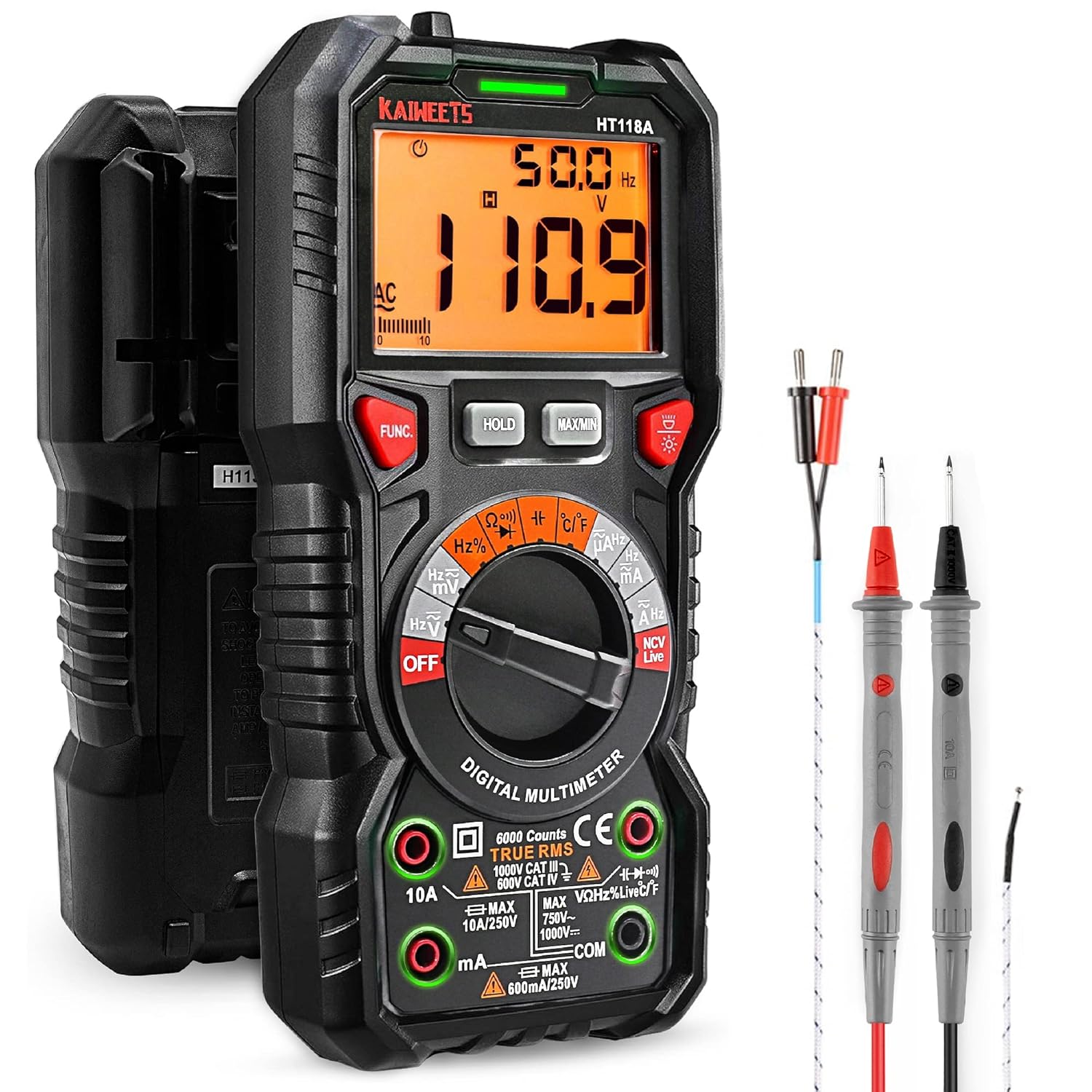
- Digital multimeter
- Flashlight
- Safety glasses
- Mechanic’s gloves
- Oxygen sensor socket or wrench
- Jack and jack stands or ramps
Parts & Supplies
- Replacement oxygen sensor
- Dielectric grease
- Penetrating oil
- Anti-seize compound if approved by sensor manufacturer
This article is part of our Exhaust and Emissions Maintenance & Repair Guides.
A bad oxygen sensor can trigger the check engine light, hurt fuel economy, and make an engine run too rich or too lean, but the sensor is not always the true cause. Fault codes that point to an O2 sensor can also be set by vacuum leaks, exhaust leaks, wiring problems, or fuel system issues.
The best way to diagnose an oxygen sensor is to combine symptoms, trouble codes, visual inspection, and live scan data. That lets you tell the difference between a sensor that is slow, biased, or dead and a sensor that is only reporting another problem elsewhere in the engine.
This guide walks through a practical DIY process for upstream and downstream oxygen sensors on most gas-powered vehicles. It focuses on what to check first, how to read common scan tool patterns, and when replacement actually makes sense.
What an Oxygen Sensor Does
Oxygen sensors measure the amount of oxygen left in the exhaust stream. The engine computer uses that information to adjust fuel delivery and keep the air-fuel mixture near the target range. On most vehicles, the upstream sensor before the catalytic converter is used mainly for fuel control, while the downstream sensor after the converter is used mainly to monitor catalytic converter performance.
A typical narrowband upstream sensor should switch rapidly between low and high voltage once the engine is fully warm and operating in closed loop. A downstream sensor usually changes more slowly and should look steadier than the front sensor if the catalytic converter is working properly.
Because O2 sensors react to exhaust content, they can be fooled by unmetered air, misfires, fuel pressure problems, contamination, or leaks ahead of the sensor. That is why replacing a sensor only because a code mentions it often leads to wasted money.
Common Symptoms of a Bad Oxygen Sensor
- Check engine light with oxygen sensor, fuel trim, catalyst efficiency, or heater circuit codes.
- Noticeably worse fuel economy without another obvious cause.
- Rough idle, hesitation, surging, or poor throttle response.
- Failed emissions test or readiness monitor problems.
- Exhaust smell from a rich-running engine, sometimes with black soot.
- Intermittent drivability issues after the engine reaches operating temperature.
These symptoms are clues, not proof. For example, a vacuum leak can create lean codes and make the upstream sensor read lean even when the sensor is working correctly. A leaking injector can do the opposite and push the system rich.
Safety and Preparation
Work on a cool exhaust whenever possible. Oxygen sensors are mounted in the exhaust stream and can become extremely hot. If you need the engine running for live data checks, keep hands, clothing, and wires away from moving belts and hot exhaust components.
- Park on level ground and set the parking brake.
- Use jack stands or ramps if access under the vehicle is required.
- Wear eye protection when inspecting under the car.
- Do not unplug or remove a sensor from a hot exhaust unless the procedure specifically requires it and you can do so safely.
Check for Trouble Codes First
Read Stored, Pending, and Permanent Codes
Start with an OBD-II scan tool and record all codes before clearing anything. Common O2-related codes include P0130 through P0167 depending on bank and sensor location. Also note fuel trim codes like P0171, P0172, P0174, and misfire codes, since they often help identify the real fault.
Pay Attention to Bank and Sensor Numbering
Bank 1 is the side of the engine with cylinder 1. Sensor 1 is upstream, before the catalytic converter. Sensor 2 is downstream, after the converter. On inline engines there is usually only one bank. On V engines there may be Bank 1 and Bank 2 sensors.
Common Code Patterns
- Heater circuit codes often point to wiring, a blown fuse, poor power or ground, or a failed heater inside the sensor.
- Slow response or no activity codes can mean an aging sensor, but also low exhaust flow, wiring damage, or contamination.
- Rich or lean codes do not automatically mean the O2 sensor is bad; they often reflect actual mixture problems.
Tools That Make This Job Easier


Do a Visual Inspection Before Testing
A quick inspection can save a lot of time. Follow the sensor wiring from the exhaust to the connector and look for melted insulation, chafing, oil saturation, broken locks, corrosion, or harnesses touching the exhaust. Heater circuit faults commonly come from damaged wiring near hot exhaust pipes.
Check for exhaust leaks near the manifold, flex pipe, and sensor bung. A leak ahead of an upstream sensor can pull fresh air into the exhaust and create a false lean reading. Also look for vacuum leaks, split intake boots, disconnected hoses, or signs of a misfire.
- Inspect the exhaust manifold and pipe joints for soot marks or ticking noises.
- Check connectors for bent pins, moisture, or green corrosion.
- Look for coolant or oil burning issues that may contaminate the sensor.
- Make sure the sensor installed matches the vehicle and has the correct connector.
Use Live Data to Evaluate Sensor Operation
Warm the Engine Fully
Most oxygen sensor diagnosis should be done after the engine reaches normal operating temperature and the system enters closed loop. Watch engine coolant temperature and closed-loop status on the scan tool if available.
Check Upstream Sensor Switching
On many narrowband systems, a healthy upstream sensor will switch back and forth roughly between about 0.1 and 0.9 volts at idle and during a light snap throttle once warm. The exact pattern varies by vehicle, but it should not stay fixed low, fixed high, or move very lazily unless a real mixture problem is present.
Compare Short-term and Long-term Fuel Trim
Fuel trims show how much the computer is adding or subtracting fuel. Large positive numbers suggest the system is correcting a lean condition. Large negative numbers suggest it is correcting a rich condition. If trims are heavily positive and the O2 sensor reads lean, the sensor may be telling the truth and the engine may actually have a vacuum leak, low fuel pressure, or an exhaust leak.
Look at Downstream Sensor Behavior
The downstream sensor should usually look more stable than the upstream sensor. If the rear sensor closely mirrors the rapid switching of the front sensor, the catalytic converter may be weak. That does not automatically mean the downstream sensor is bad.
- Upstream stuck low: possible lean condition, exhaust leak, sensor circuit fault, or dead sensor.
- Upstream stuck high: possible rich condition, leaking injector, high fuel pressure, sensor contamination, or circuit issue.
- Upstream switches slowly: aging sensor, contamination, or low exhaust heat.
- Rear sensor flat and reasonable while front switches actively: often normal.
- Rear sensor mirrors front too closely: suspect catalyst efficiency issue before condemning the rear sensor.
Perform Functional Tests
Create a Brief Rich Condition
A good upstream sensor should respond quickly when the mixture is forced richer. On some vehicles, a quick snap of the throttle is enough to drive the voltage high briefly. If the sensor barely reacts, reacts slowly, or stays flat, the sensor may be weak or the signal circuit may have a problem.
Create a Brief Lean Condition
A healthy sensor should also respond when the mixture goes lean. Depending on the engine and your comfort level, a brief, controlled vacuum leak can be used as a test, but only if you understand the system and can do it safely. The sensor voltage should drop quickly. No response suggests a bad sensor or circuit issue.
Cross-check Banks on V Engines
If Bank 1 Sensor 1 behaves very differently from Bank 2 Sensor 1 under similar conditions, compare trims, wiring, and the engines mechanical condition side to side. If the fault clearly stays with one sensor and not the bank conditions, the sensor becomes more suspect.
Avoid making a replacement decision from one data point alone. A sensor that responds normally to rich and lean changes is often not the root problem, even if a code named that sensor.
Test the Heater Circuit and Wiring
Most modern oxygen sensors have a built-in heater so they reach operating temperature quickly. If the heater fails, the sensor may stay cold too long, respond slowly, or set a heater performance code.
Check Power and Ground
With a wiring diagram for your vehicle, identify the heater power and ground terminals. One side often has battery voltage with the key on or engine running, and the computer controls the ground side on many designs. If power is missing, check fuses and harness damage. If the ground side is not being controlled correctly, further circuit diagnosis may be needed.
Measure Heater Resistance if the Service Information Allows
With the sensor unplugged and the engine off, you can often measure resistance across the heater terminals. An open circuit or a value far outside specifications can confirm a failed heater. Always compare your reading to vehicle-specific service information because sensor designs vary.
Inspect the Signal Circuit Carefully
A rubbed-through signal wire, poor ground reference, or corrosion in the connector can mimic a bad sensor. If live data is clearly wrong and the sensor passes basic response checks, circuit testing becomes important before replacing parts.
Recommended Tools for This Job



How to Tell Whether the Sensor Is Bad or Reporting Another Problem
The key question is whether the oxygen sensor is inaccurate or whether it is accurately reporting an engine or exhaust problem. Use the pattern below to sort it out.
- Suspect the sensor if it has proper power and ground, no wiring damage, and it does not respond normally to rich and lean changes.
- Suspect the sensor if it is clearly slow compared with the opposite bank on the same engine under similar conditions.
- Suspect a heater failure if the sensor is lazy only until the exhaust gets very hot and a heater code is present.
- Suspect a real lean condition if trims are positive, the sensor reads lean, and you find vacuum leaks, low fuel pressure, or an upstream exhaust leak.
- Suspect a real rich condition if trims are negative, the sensor reads rich, and there are signs of leaking injectors, fuel pressure issues, or a stuck-open purge valve.
- Suspect a catalyst problem if the downstream pattern mirrors the upstream pattern and catalyst efficiency codes are present.
Sensor contamination is also common. Coolant from a head gasket leak, silicone from improper sealants, oil ash from heavy oil burning, or fuel additives can shorten sensor life. In those cases, replacing the sensor without fixing the contamination source may lead to repeat failure.
When Replacement Makes Sense
Replace the oxygen sensor when testing shows the sensor or its internal heater has failed, when response is clearly slow compared with specification or the opposite bank, or when contamination or physical damage is obvious. If the issue points to wiring, exhaust leaks, vacuum leaks, fuel trim causes, or catalyst problems, repair those first.
Use the correct sensor for the exact bank and position. Universal splice-in sensors can create extra failure points and should only be used if you are confident in the wiring repair. Apply anti-seize only if the sensor manufacturer says it is okay, because many sensors come pre-coated and extra compound can contaminate the tip.
- Let the exhaust cool before removal.
- Use penetrating oil on stubborn threads if needed.
- Avoid twisting the harness while loosening the sensor.
- Clear codes after the repair and verify closed-loop operation and readiness monitors.
After the Repair: Confirm the Fix
After replacing the sensor or repairing the underlying fault, clear the codes and road test the vehicle. Watch live data to make sure the upstream sensor switches properly, the downstream pattern looks normal for that system, and fuel trims are moving back toward normal.
If the same code returns quickly, do not assume the new sensor is defective. Recheck connector pin fit, heater power and ground, exhaust leaks, and fuel trim data. Many repeat O2 sensor codes are really repeat circuit or mixture problems.
Key Takeaways
- Do not replace an oxygen sensor based on the fault code alone; always check fuel trims, wiring, and leaks first.
- An upstream sensor should respond quickly once the engine is warm, while a downstream sensor is usually steadier.
- Heater circuit codes often point to power, ground, fuse, or harness problems rather than the sensing element alone.
- If the sensor reacts normally to rich and lean changes, the engine likely has another problem causing the code.
- After any repair, confirm the fix with a road test, live data, and a check for returning codes.
FAQ
Can I Drive with a Bad Oxygen Sensor?
Usually yes for a short time if the vehicle still runs normally, but fuel economy may drop and the engine can run too rich or too lean. Long-term driving can damage the catalytic converter or cause other drivability issues.
Will a Bad Oxygen Sensor Always Cause Rough Running?
No. Some bad O2 sensors mostly affect fuel economy or trigger the check engine light. Rough running depends on how much the fuel control is being affected and whether another issue is present.
What Is the Difference Between an Upstream and Downstream Oxygen Sensor?
The upstream sensor is located before the catalytic converter and mainly helps control the air-fuel mixture. The downstream sensor is located after the converter and mainly monitors catalyst performance.
Can a Vacuum Leak Cause an Oxygen Sensor Code?
Yes. A vacuum leak can make the engine run lean, and the oxygen sensor will report that lean condition. The code may mention the sensor even though the sensor is working correctly.
How Do I Know if the Sensor Heater Is Bad?
Heater-related trouble codes, delayed closed-loop operation, and failed power, ground, or resistance checks can point to a bad heater. You need vehicle-specific wiring information to test the heater circuit correctly.
Should I Replace All Oxygen Sensors at Once?
Not usually. Replace the failed sensor unless the vehicle has very high mileage and testing shows other sensors are also slow or weak. Blindly replacing all of them is often unnecessary.
Can a Bad Catalytic Converter Look Like a Bad Oxygen Sensor?
Yes. If the downstream sensor closely follows the upstream sensor, the catalytic converter may not be storing oxygen effectively. That pattern can set catalyst-related codes without the rear sensor being defective.
Need Parts for This Repair?
The right parts and supplies vary by vehicle.
Select your make and model to find compatible parts and accessories for your car.
Exact Fit
Parts that fit your make and model
Quality You Can Trust
Top brands and OEM quality options
Fast Shipping
Get the parts you need, delivered fast