

Note: This article contains affiliate links. If you click on these links and make a purchase, I may earn a small commission at no extra cost to you. This helps support my research and content. Read my full affiliate disclosure here.
Repair Snapshot
Use a mechanic if the engine stalled in deep water, will not crank normally, makes knocking noises, or you suspect hydrolock. Professional help is also the safer choice if water may have entered the cylinders, turbocharger, or electrical system.
This article is part of our Engine Maintenance & Repair Guides.
If water gets in your air intake, the most important step is to stop driving and avoid repeatedly cranking the engine. A small amount of moisture may only soak the air filter and trigger a rough idle, but a larger amount can reach the cylinders and cause hydrolock, which can bend connecting rods or destroy the engine.
The right response depends on what happened next. If the engine kept running normally after a splash, you may only need to inspect and dry the intake system. If the engine stalled, would not restart, or suddenly stopped while going through standing water, treat it like a possible internal engine damage situation until proven otherwise.
This guide walks you through safe DIY checks, how to dry the intake system, when to change the oil and plugs, and how to tell when the problem is beyond a driveway repair.
How Serious Water in the Air Intake Can Be
Your engine is designed to inhale air, not water. The air filter box, intake duct, mass airflow sensor area, throttle body, and intake manifold can all collect water if you drive through flooding, deep puddles, heavy spray, or a failed snorkel or intake seal. The main danger is that water does not compress like an air-fuel mixture.
If enough water reaches one or more cylinders, the piston can try to compress it during the compression stroke. That condition is called hydrolock. Even one forced crank attempt can cause major damage. In less severe cases, the engine may still run, but you can end up with a soaked filter, misfires, contaminated oil, sensor problems, or rust starting inside the intake tract.
- A lightly wet filter and damp intake tube are usually repairable with inspection and drying.
- An engine that stalled immediately in water should be treated as a possible hydrolock case.
- Repeatedly turning the key after a stall is one of the fastest ways to turn a recoverable problem into engine damage.
Stop Immediately and Do These First Checks
Pull Over and Shut the Engine Off
If you are still driving and suspect water ingestion, get to a safe place as soon as possible. Do not try to power through the problem. If the engine is misfiring, hesitating, or lost power right after hitting water, shut it off once you are safely stopped.
Do Not Keep Cranking
If the engine already stalled, resist the urge to keep trying to restart it. One brief crank may not hurt anything, but repeated attempts can force trapped water against pistons and rods.
Look for These Red Flags
- The engine stopped suddenly during or right after going through deep water.
- The starter clicks or the engine turns much slower than normal.
- The engine turns a little and then abruptly stops.
- There is a loud metallic knock, clunk, or uneven cranking speed.
- The intake box or filter is visibly soaked.
If you have any of these signs, skip ahead to the section on when to call a mechanic. Continuing with normal restart attempts is not worth the risk.
Inspect the Air Intake System for Water
Open the Air Box
Start at the air filter housing. Remove the clips or fasteners and lift the cover carefully. Pull out the engine air filter and inspect both the filter and the bottom of the air box. If the filter is damp, deformed, muddy, or falling apart, replace it rather than trying to dry and reuse it.
Check the Intake Duct and Resonator
Follow the duct from the air box toward the throttle body or turbo inlet. Water can pool in low spots, resonator chambers, or flexible rubber tubes. Disconnect sections as needed and drain any standing water. Use towels, compressed air, or a wet/dry vacuum to remove all moisture you can reach.
Inspect Sensors and Connectors
If your vehicle has a mass airflow sensor in the intake tube, inspect the connector for moisture. Do not spray cleaner directly on electrical connectors unless the product is intended for that use. Dry the area, inspect for corrosion, and apply a small amount of dielectric grease to connector seals if needed.
- Replace a soaked paper air filter every time.
- Do not run the engine with intake parts left disconnected.
- If muddy water entered the system, assume contamination extends farther downstream than the filter box.
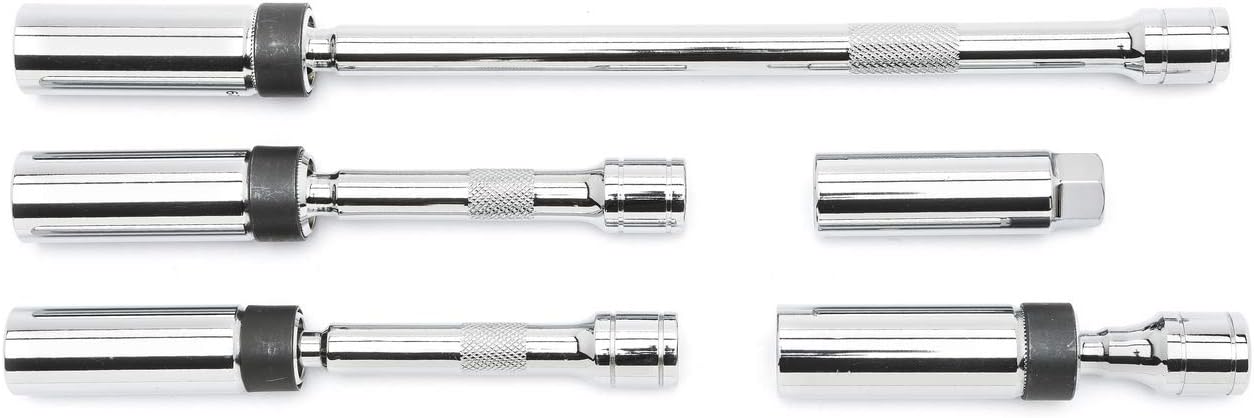
Tools That Make This Job Easier


Decide Whether the Engine May Be Hydrolocked
The key question is whether water likely made it past the filter and into the cylinders. If the engine never stalled, still cranks normally, and you found only minor moisture in the air box, internal damage is less likely. If the engine died during a deep splash or will not rotate normally now, you need to check more carefully before restarting.
Signs That Point Toward Water in the Cylinders
- Engine stalled suddenly while crossing standing water.
- Starter cannot turn the engine or turns it unevenly.
- Spark plugs are wet with water rather than fuel.
- There is water inside the throttle body or intake manifold area.
- Oil level is overfull or looks milky after the event.
If several of these are true, proceed slowly. You may be able to clear a small amount of water, but you still need to watch for bent rods, low compression, or bearing damage afterward.
How to Safely Clear Water Before Restarting
Disable Ignition and Fuel if Possible
Before removing spark plugs and cranking the engine, prevent it from starting. Depending on the vehicle, this may mean removing the fuel pump fuse, disconnecting ignition coils, or using a service mode. Check a repair manual for the safest method on your engine.
Remove the Spark Plugs
On gasoline engines, remove all spark plugs so any water in the cylinders can be expelled without compression. Keep the plugs organized by cylinder. If a plug comes out unusually clean, shows rust coloration, or is visibly wet with water, note that cylinder for closer follow-up.
Crank the Engine Briefly
Place towels over the plug holes or stand clear of the spray path. Crank the engine in short bursts. If water shoots out of a cylinder, stop and continue until only mist or nothing comes out. Do not do long cranking sessions that overheat the starter.
Dry the Intake and Throttle Body
Wipe out the intake tract and inspect the throttle body opening. If there is residue or moisture around the throttle plate, clean it lightly with throttle body cleaner and a lint-free towel. Do not flood electronic throttle components with solvent.
Diesel engines are more complicated because they do not use spark plugs in the same way, and water ingestion can cause severe damage quickly. If you have a diesel that stalled in water, professional diagnosis is usually the smart call.
Check the Oil and Other Fluids
After any suspected water ingestion event, check the engine oil before restarting. Pull the dipstick and look for a milky, foamy, or gray appearance. Also note if the oil level is suddenly higher than normal, which can happen if water entered the crankcase.
When an Oil Change Is a Good Idea
- The engine stalled and there is any doubt that water reached the cylinders.
- The oil looks cloudy, creamy, or overfull.
- You found significant water in the intake past the filter.
- You plan to restart after clearing water from the cylinders.
Changing the oil and filter is cheap insurance compared with bearing damage. On severe cases, some technicians will run the engine briefly after the first oil change and then perform a second oil and filter change to remove remaining moisture.
Also inspect automatic transmission fluid if the transmission was submerged, and check differentials or transfer case fluids on trucks and SUVs that were in deeper water. That is separate from the air intake issue, but it matters after flood exposure.
Reassemble and Perform a Careful Restart
Install Dry Parts Only
Reinstall a new air filter if the old one got wet. Reconnect every intake tube, clamp, sensor, and vacuum line. Reinstall the spark plugs or replace them if they were badly fouled. Torque plugs correctly if you have the specification. Reconnect coils and restore any removed fuses or relays.
Start the Engine and Listen Carefully
On first startup, expect a few seconds of rough running if residual moisture is burning off. What you do not want to hear is knocking, hammering, a heavy misfire, or a starter laboring unusually hard. Shut the engine off immediately if those appear.
Watch for Warning Lights
If the check engine light comes on, scan for codes. Common issues after water ingestion include misfire codes, mass airflow sensor codes, throttle body issues, and intake air temperature sensor faults. Clear codes only after repairs and a stable test drive.
- Let the engine idle for several minutes.
- Look for smoke, abnormal vibration, or fluid contamination.
- Take a short test drive only if the engine sounds normal and responds cleanly.
Recommended Tools for This Job


Problems to Watch for After It Starts
Some engines will restart after water exposure but still have hidden damage. A slightly bent connecting rod may not be obvious at idle. Watch for symptoms over the next few drives, especially if the engine ingested enough water to stall.
Warning Signs After Restart
- Persistent knocking or tapping that changes with RPM.
- A steady misfire under load.
- Low power or poor compression in one cylinder.
- Excessive oil consumption or blow-by after the incident.
- New check engine codes that return quickly.
If any of these show up, do not keep driving and hope it clears itself. The next step is usually a compression test or leak-down test, and in some cases a borescope inspection to look for water damage or piston contact.
When You Should Call a Mechanic Instead of Doing More DIY
A driveway inspection is fine for a wet air filter and a mild splash event. It is not the best path when the engine may have suffered internal damage or the vehicle was in deep water. Modern engines also pack sensors, turbo plumbing, and electrical connectors into the intake path, which can complicate diagnosis.
- The engine stalled in deep water and now will not crank normally.
- Water came out of one or more cylinders during your inspection.
- The oil is milky or badly contaminated.
- You hear rod knock, metallic clatter, or severe misfire after restart.
- The vehicle is turbocharged and you suspect water reached the compressor side.
- The car has extensive flood exposure beyond the intake system.
A shop can perform compression testing, inspect for bent rods, scan live data, service contaminated fluids, and determine whether the engine is safe to keep using. That cost is usually worth it if there is any real hydrolock risk.
How to Prevent It From Happening Again
The best prevention is simple: avoid driving through standing water when you cannot clearly judge depth. Even shallow-looking water can hide dips, drains, or wakes from other vehicles that send water high into the front bumper area.
- Replace damaged air box seals, loose clamps, and cracked intake ducts.
- Make sure splash shields and fender liners are installed properly.
- Slow down in heavy rain so the intake is less likely to pull in spray.
- Avoid aftermarket low-mounted intakes on street-driven cars in wet climates unless you fully understand the risk.
- Do not follow large vehicles too closely through flooded streets.
Key Takeaways
- If water may have entered the intake, stop driving and avoid repeated restart attempts until you inspect the system.
- A soaked air filter can be a simple fix, but a stalled engine in deep water should always raise concern for hydrolock.
- Remove water from the air box and ducts, and on gasoline engines clear cylinders with the spark plugs removed before restarting.
- Check the engine oil for milky contamination and change the oil if there is any sign that water reached the cylinders.
- Call a mechanic immediately if the engine cranks unevenly, knocks after restart, or shows signs of internal damage.
FAQ
Can a Car Recover if It Sucked in a Little Water Through the Intake?
Yes, if only a small amount of water reached the air box or filter and the engine never hydrolocked. You still need to inspect the intake, replace a wet filter, dry the ducting, and check for codes or rough running before treating it as resolved.
What Does Hydrolock Feel or Sound Like?
Hydrolock often shows up as a sudden engine stall, a no-start condition, or an engine that cranks and then stops hard. You may hear an abrupt thunk or notice the starter laboring unevenly instead of the normal smooth cranking sound.
Should I Replace the Air Filter if It Only Looks Damp?
Yes. Most engine air filters are paper elements, and once they get wet they can deform, restrict airflow, and shed material. Replacement is inexpensive and far safer than reusing a compromised filter.
Can Water in the Air Intake Cause a Check Engine Light Without Engine Damage?
Yes. Moisture can affect the mass airflow sensor, intake air temperature sensor, throttle body operation, or cause temporary misfires. A code does not automatically mean the engine is ruined, but it does mean you should inspect and dry the system carefully.
Do I Always Need to Change the Oil After Water Gets in the Intake?
Not always, but it is strongly recommended if the engine stalled, if you found water beyond the filter, or if there is any sign that water reached the cylinders. If the dipstick shows milky or overfull oil, change it before running the engine again.
Is It Safe to Crank the Engine with the Spark Plugs Removed?
Yes, on a gasoline engine this is a standard way to expel water from the cylinders, as long as ignition and fuel are disabled and you use short crank bursts. Keep clear of the plug holes because water or fuel mist can spray out forcefully.
What if the Engine Starts but Runs Rough After I Dried the Intake?
A brief rough idle can happen while residual moisture clears, but it should improve quickly. If the misfire continues, the check engine light flashes, or you hear knocking, shut it down and diagnose further because there may still be water in a cylinder, fouled plugs, or internal damage.
Need Parts for This Repair?
The right parts and supplies vary by vehicle.
Select your make and model to find compatible parts and accessories for your car.
Exact Fit
Parts that fit your make and model
Quality You Can Trust
Top brands and OEM quality options
Fast Shipping
Get the parts you need, delivered fast