

Note: This article contains affiliate links. If you click on these links and make a purchase, I may earn a small commission at no extra cost to you. This helps support my research and content. Read my full affiliate disclosure here.
What You’ll Need
A quick look at the tools and supplies commonly used for this job.
Tools
- Safety glasses
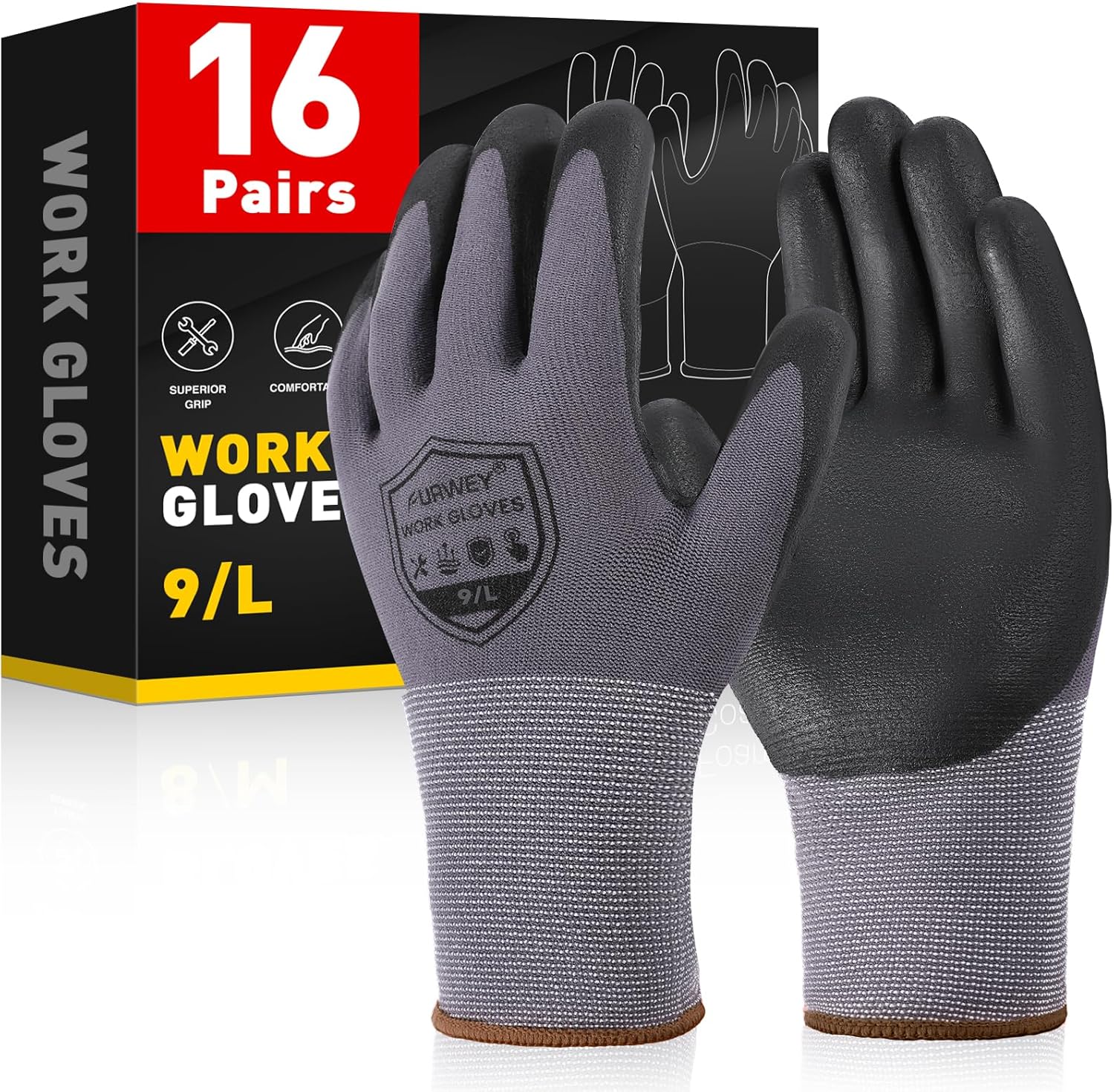
- Chemical-resistant gloves
- Flashlight
- Cooling system pressure tester
- Infrared thermometer
- Scan tool
- Combustion leak tester kit
- Basic hand tools
Parts & Supplies
- Correct coolant for your vehicle
- Drain pan
- Combustion leak test fluid
- Shop towels
This article is part of our Engine Maintenance & Repair Guides.
A combustion gas test for the cooling system checks whether exhaust gases are leaking past the head gasket, cylinder head, or engine block and entering the radiator or expansion tank. This is one of the most useful DIY tests when a vehicle overheats, pushes coolant out, builds pressure unusually fast, or keeps developing air pockets after being bled.
The most common method is a chemical block test. You draw vapors from the radiator neck or surge tank through a test chamber filled with indicator fluid. If combustion gases are present, the fluid changes color. That sounds simple, but the test is easy to misread if the engine is too hot, the coolant level is wrong, or the cooling system is tested at the wrong point in the overheating cycle.
This guide shows you how to prepare the vehicle, perform the test safely, interpret the results, and use a few supporting checks so you do not replace major parts based on one misleading symptom.
When This Test Is Worth Doing
Test for combustion gas when the engine shows signs that cylinder pressure may be getting into the cooling system. A failed head gasket is the usual suspect, but cracked cylinder heads and damaged engine blocks can cause the same symptoms.
- The engine overheats without an obvious external coolant leak.
- Upper radiator hoses get rock hard very quickly after startup.
- Coolant is pushed into the overflow bottle or out of the cap.
- The system develops repeated air pockets after bleeding.
- You see bubbles in the radiator or surge tank that increase with engine speed.
- The heater output changes suddenly, especially after hard acceleration.
- There is unexplained coolant loss, white exhaust smoke, or a sweet smell from the exhaust.
A combustion gas test is especially useful when the symptoms happen under load but are less obvious at idle. Small gasket failures may not leak enough coolant into the cylinder to foul a spark plug, but they can still pressurize the cooling system.
Safety Before You Start
Never remove a radiator cap from a fully hot engine. Hot coolant can spray out violently and cause serious burns. If the engine has overheated, let it cool until the upper hose is no longer hard and the radiator cap can be approached safely.
- Work on a cold or only mildly warmed engine unless the test procedure specifically requires operating temperature.
- Wear gloves and eye protection.
- Keep hands, clothing, and test equipment clear of fans and belts.
- Use the tester only in the radiator neck or reservoir opening where the manufacturer of the test kit intends.
- Avoid spilling test fluid into the cooling system.
What the Test Is Actually Checking
During normal operation, the cooling system should contain coolant, air space, and pressure created by heat expansion. It should not contain combustion byproducts from the cylinders. If a head gasket leaks between a combustion chamber and a coolant passage, high-pressure gases enter the cooling system every time that cylinder fires.
Those gases can create several effects: rapid pressure buildup, bubbling in the radiator, coolant overflow, hot spots in the cylinder head, and repeated overheating. A chemical block tester looks for those gases in the vapor above the coolant, not in the liquid coolant itself.
That distinction matters. If the radiator is overfilled, if coolant is splashing into the tester, or if the engine is not warm enough to release the gases into the vapor space, the results can be inconsistent.
Preparation and Initial Checks
Confirm the Cooling System Has Enough Coolant
Start with the engine cold. Check the radiator level if your vehicle has a cap on the radiator, or check the designated cold-fill mark on the pressurized surge tank. If the system is very low, top it off enough to test, but understand that severe coolant loss can also make the vehicle overheat for reasons unrelated to a head gasket.
Look for Obvious External Leaks First
Inspect radiator tanks, hose ends, thermostat housing, water pump weep hole, heater hoses, and the cap area. If the vehicle has an obvious leak, fix that first. An external leak can introduce air, cause overheating, and mimic some head gasket symptoms.
Check for Other Supporting Clues
- Milky oil or rising oil level can suggest coolant entering the crankcase.
- A steam-cleaned spark plug can point to a cylinder ingesting coolant.
- White exhaust after full warm-up may indicate coolant burning in a cylinder.
- Misfire on cold start can happen if a cylinder fills slightly with coolant overnight.
- Fast pressure buildup in the upper hose within a minute or two of startup is suspicious.
None of these signs prove combustion gas in the cooling system by themselves, but they help you decide whether the test result fits the bigger picture.
Tools That Make This Job Easier


How to Perform a Chemical Block Test
The exact steps vary slightly by tester brand, so read the instructions that come with your kit. The general process is consistent across most common DIY testers.
Step One: Start With a Safe Cooling System
With the engine cool, remove the radiator cap or surge tank cap. Make sure the coolant level is not so high that liquid coolant will be sucked into the tester. Most kits work best when they sample vapor from the air space just above the coolant.
Step Two: Warm the Engine
Start the engine and let it reach normal operating temperature. On some vehicles, you may get the best results after the thermostat opens and coolant begins circulating fully. Watch the coolant level and movement. If the vehicle starts pushing coolant out immediately from a cold start, that is already a strong warning sign.
Step Three: Fill the Tester With Fresh Fluid
Add the correct amount of test fluid to the chamber. Use fresh fluid from a sealed container if possible. Old or contaminated fluid can produce weak or misleading color changes.
Step Four: Sample Vapors From the Radiator or Tank
Insert the tester into the radiator neck or reservoir opening so the sealing cone sits properly. Use the tester bulb to draw vapors through the fluid. Make steady squeezes rather than rapid pumping. Most kits need repeated draws over 30 seconds to 2 minutes.
Step Five: Watch for a Color Change
Compare the fluid color to the kit instructions. Many fluids start blue and turn yellow or green when combustion gases are present, but do not assume the colors are universal. Follow the chart for your specific kit.
Step Six: Repeat if Needed
If the result is unclear, repeat the test with fresh fluid after a short drive or after holding the engine at 2,000 to 2,500 rpm for a minute. Some gasket leaks show up more clearly under load and may not produce enough gas at idle.
Common Mistakes That Cause False Results
A block test is useful, but it is not foolproof. Most bad results come from testing technique rather than the tester itself.
- Testing too early before the engine reaches operating temperature.
- Drawing liquid coolant into the chamber instead of vapor.
- Using old or contaminated test fluid.
- Testing after recently adding sealant products to the cooling system.
- Assuming any bubbling means a head gasket when trapped air may still be bleeding out.
- Ignoring a bad radiator cap, clogged radiator, stuck thermostat, or failed fan that can also cause overheating.
- Stopping after one negative test even though symptoms strongly point to cylinder pressure intrusion.
A small leak may only show up after a highway drive, after a hard pull uphill, or during a cold start before parts expand. If your first test is negative but the hose gets hard almost immediately from a cold start, repeat the test under a different operating condition.
How to Interpret the Results
Positive Result
A definite color change usually means combustion gases are present in the cooling system. That strongly supports a failed head gasket, a cracked cylinder head, or less commonly a cracked block. At that point, the next step is to confirm the extent of the failure and decide whether the engine is worth repairing.
Negative Result
A negative test means the tester did not detect combustion gases at that moment. It does not automatically clear the head gasket. Intermittent leaks may only show during cold start, hard acceleration, or when cylinder pressure peaks. If the rest of the evidence is strong, repeat the test and pair it with pressure testing or a leak-down test.
Weak or Delayed Color Change
A slow or slight color change can indicate a small leak, contamination in the test setup, or uncertain technique. Use fresh fluid and repeat the procedure. Also note whether the system is continuously producing bubbles or only burps occasionally as trapped air leaves the system.
Recommended Tools for This Job


Supporting Tests That Help Confirm the Diagnosis
Cooling System Pressure Test
With the engine cold, pressurize the cooling system to the cap rating using a pressure tester. If pressure drops and no external leak appears, coolant may be leaking internally. On some engines, removing spark plugs after pressure testing can reveal coolant entering a cylinder.
Cylinder Leak-Down Test
A leak-down test can pinpoint which cylinder is leaking. With the piston at top dead center on the compression stroke, compressed air is fed into the cylinder. If bubbles appear in the radiator or surge tank, that cylinder is leaking into the cooling system.
Compression Test
A compression test is less direct, but low readings in adjacent cylinders can support a head gasket failure between cylinders or between a cylinder and coolant passage.
Cold-Start Hose Pressure Check
When the engine is started cold, the upper radiator hose should not become rock hard within the first minute simply from normal heat expansion. Fast pressure buildup can point to combustion gases entering the system before the coolant is even hot.
Spark Plug Inspection
Remove and compare the spark plugs. One plug that looks unusually clean, steam-washed, or different from the others can help identify the problem cylinder.
What to Do After a Positive Test
Do not keep driving the vehicle unless absolutely necessary. Combustion gases in the cooling system can cause repeated overheating, coolant loss, warped cylinder heads, catalytic converter damage from coolant burning, and severe engine wear.
- Confirm whether the engine oil is contaminated with coolant.
- Check the spark plugs and, if possible, perform a leak-down test to identify the affected cylinder.
- Inspect the cooling fan operation, thermostat function, and radiator condition so you do not miss an original overheating cause that damaged the gasket.
- Plan for head gasket replacement or engine teardown if the vehicle is worth repairing.
- Avoid relying on stop-leak products as a permanent repair.
If the engine severely overheated before the test turned positive, the cylinder head should be checked for warpage and cracks during repair. Simply replacing the gasket without checking flatness often leads to repeat failure.
If the Test Is Negative but the Car Still Overheats
A negative block test means you should continue diagnosing the rest of the cooling system. Many overheating problems come from flow, airflow, or pressure-control faults rather than combustion leaks.
- Verify the thermostat opens properly.
- Confirm radiator fans engage at the correct temperature or when the A/C is turned on if applicable.
- Check for a restricted radiator with cold spots across the core.
- Inspect the water pump for impeller failure or belt drive problems.
- Test the radiator cap or surge tank cap.
- Bleed the system correctly to remove trapped air.
- Use a scan tool to compare actual coolant temperature with gauge behavior.
If symptoms are intermittent, repeat the combustion gas test after duplicating the overheating condition. A short idle test in the driveway may miss a leak that only appears during heavy load.
Key Takeaways
- Use a chemical block tester on a safely warmed engine and sample vapor, not liquid coolant, for the most reliable result.
- A fast color change strongly suggests a head gasket, cracked head, or block issue allowing combustion gases into the cooling system.
- A negative result does not fully rule out a small or intermittent leak, especially if the hose pressurizes quickly from a cold start.
- Back up the block test with a pressure test, leak-down test, and spark plug inspection before committing to major repairs.
- Do not continue driving a vehicle with a confirmed combustion leak, because repeated overheating can turn a repairable engine into a replacement.
FAQ
Can I Test for Combustion Gases with the Engine Completely Cold?
Usually no. Most leaks are easier to detect once the engine reaches operating temperature and the thermostat opens. Some engines with severe leaks may show signs very early, but a fully cold test often misses small failures.
Does a Positive Block Test Always Mean the Head Gasket Is Bad?
Not always. A positive result means combustion gases are entering the cooling system. The cause is often the head gasket, but it can also be a cracked cylinder head or a cracked engine block.
Why Did My Test Stay Negative Even Though the Car Overheats?
The overheating may be caused by something else, such as a bad thermostat, weak water pump, clogged radiator, cooling fan problem, or trapped air. It is also possible the combustion leak is small and only happens under load, so the test should be repeated under different conditions.
Can Bubbles in the Radiator Mean Something Other than a Head Gasket Problem?
Yes. Air trapped after recent cooling system work can cause bubbling. Coolant movement after the thermostat opens can also create visible motion. Continuous bubbling that worsens with engine speed is more suspicious for combustion gas intrusion.
Will a Bad Radiator Cap Cause a Positive Combustion Gas Test?
A bad cap can cause overheating and coolant loss, but it should not create combustion gases in the vapor sample. It can, however, confuse the overall diagnosis if you focus only on symptoms and skip the actual test.
Can I Still Drive the Vehicle if the Tester Shows Combustion Gases in the Coolant?
It is best not to. Even if the engine still runs, combustion gases can over-pressurize the system, force coolant out, and trigger severe overheating that damages the engine further.
What Is the Best Follow-up Test After a Positive Block Test?
A cylinder leak-down test is one of the best follow-up checks because it can help identify which cylinder is leaking into the cooling system. Spark plug inspection and a cooling system pressure test are also useful.
Need Parts for This Repair?
The right parts and supplies vary by vehicle.
Select your make and model to find compatible parts and accessories for your car.
Exact Fit
Parts that fit your make and model
Quality You Can Trust
Top brands and OEM quality options
Fast Shipping
Get the parts you need, delivered fast