

Note: This article contains affiliate links. If you click on these links and make a purchase, I may earn a small commission at no extra cost to you. This helps support my research and content. Read my full affiliate disclosure here.
Repair Snapshot
Use a mechanic if the intake manifold must be removed, access is extremely tight, or the valve cover bolts are prone to breaking. A pro is also a better choice if the leak may actually be coming from cam seals, the timing cover, or another upper-engine source.
This article is part of our Engine Maintenance & Repair Guides.
Replacing a valve cover gasket is one of the more approachable oil leak repairs for a DIYer, and it can stop oil from dripping onto the exhaust, collecting around spark plugs, or making a mess on top of the engine.
On many engines, the job is mostly about careful disassembly, thorough cleaning, and reinstalling the valve cover with the new gasket seated correctly. The most common mistakes are over-tightening the bolts, leaving old gasket material behind, or using too much RTV in places where it does not belong.
Because engine layouts vary, always compare these steps to your vehicle’s service information. Pay close attention to bolt torque, gasket orientation, and whether your engine uses spark plug tube seals, bolt grommets, or small RTV dabs at timing cover joints.
Before You Start
A valve cover gasket seals the top of the engine where the valve cover meets the cylinder head. Over time, heat and oil exposure make the gasket hard and brittle, allowing oil to seep out. Typical signs include a burning oil smell, visible oil around the valve cover edge, oil in spark plug wells, or light smoke from oil landing on a hot exhaust manifold.
Start with a cool engine. Working on a hot aluminum cylinder head or hot exhaust parts is uncomfortable and increases the chance of burns. Park on level ground, set the parking brake, and disconnect the negative battery cable if you will be moving electrical connectors or ignition components near the cover.
Confirm the Leak Source First
Oil leaks can travel before they drip, so do not assume the valve cover gasket is the cause until you inspect closely. Clean the upper engine area with brake cleaner and rags, then look for fresh oil around the perimeter of the cover, near spark plug tube openings, or at half-moon seals if your engine uses them. If oil appears higher up from a PCV hose or lower down from a timing cover or camshaft seal, replacing the gasket alone may not fix the problem.
- Take photos before removing hoses, coils, brackets, and wiring clips.
- Label ignition coils or spark plug wires so they go back to the same cylinder.
- Have the correct torque spec ready before installation, since valve cover bolts are usually tightened very lightly.
What You May Need to Remove for Access
Access varies widely by engine. On a simple inline 4-cylinder engine, you may only need to remove an engine cover, ignition coils, and a breather hose. On V6 or turbocharged engines, you may also need to move intake tubing, throttle body ducting, PCV lines, fuel rail covers, wiring harness brackets, or even an upper intake plenum on some rear-bank applications.
Work methodically and keep hardware organized by component. A divided tray or labeled bags will save time during reassembly. If the valve cover bolts stay captured in the cover, note their locations anyway in case some are different lengths.
Common Items Removed Before the Cover Comes Off
- Plastic engine cover
- Air intake tube or resonator
- PCV hose or breather hose
- Ignition coils or spark plug wires
- Wiring brackets, vacuum lines, and cable retainers attached to the valve cover
Removing the Valve Cover
Disconnect Attached Components
Unplug ignition coils and remove them if they pass through or sit on the valve cover. If your engine uses plug wires, twist the boots slightly before pulling to avoid damaging them. Remove hoses and brackets attached to the cover, and move the wiring harness aside without straining connectors.
Loosen the Bolts Evenly
Loosen the valve cover bolts a little at a time, working from the outside inward if possible. This helps release tension evenly and reduces the chance of distorting a stamped steel cover. Most covers use small bolts, so use hand tools rather than an impact driver.
Break the Seal Carefully
Once the bolts are out or fully loosened, gently lift the cover. If it sticks, tap it lightly with the palm of your hand or a soft mallet. Avoid driving a metal screwdriver between the cover and cylinder head, since that can gouge the sealing surface and create a permanent leak path. If needed, use a plastic trim tool or designated pry point.
As you lift the cover off, watch for old gasket pieces, bolt grommets, or spark plug tube seals that may remain stuck to the head or fall into the engine bay. Immediately place a clean rag over any exposed valvetrain openings if dirt or debris is a concern.
Tools That Make This Job Easier


Cleaning and Inspecting the Mating Surfaces
Good sealing depends more on clean surfaces than on sealant. Remove the old gasket from the cover and peel out any tube seals or perimeter seals included in the gasket set. Use a plastic scraper and shop rags to remove residue from both the cover and the cylinder head. Follow up with brake cleaner on a rag until both surfaces are clean and dry.
Inspect the Valve Cover Itself
Check the cover for cracks, warping, and damaged bolt holes. Plastic valve covers can warp from age and heat, and stamped metal covers can bend if they were previously over-tightened. If the cover is visibly distorted or cracked near a bolt boss, a new gasket may still leak until the cover is replaced.
Inspect Surrounding Parts
Look into the spark plug wells for oil. If they are full of oil and your engine uses replaceable tube seals, change them now. Inspect the PCV valve and hoses too. Excess crankcase pressure from a stuck PCV system can force oil past a good gasket, causing repeat leaks.
- Do not let gasket debris fall into the cylinder head.
- Do not use abrasive discs or aggressive sanding on aluminum sealing surfaces.
- Replace hardened bolt grommets if your gasket kit includes them, because they help control clamping force.
Installing the New Gasket
Fit the new gasket into the valve cover groove or onto the cylinder head, depending on the design. Many gaskets stay in the cover best if you press them into the groove first. On some engines, a small amount of RTV can be used to tack the gasket in place, but only if service information allows it.
Use RTV Only Where the Manufacturer Calls for It
Many engines require a tiny dab of RTV at sharp transitions where the timing cover meets the cylinder head, or at half-moon corners. That is usually the only place sealant belongs. A thick bead around the full perimeter can squeeze inward, break loose, and cause oil control problems. If your service information does not call for RTV, install the gasket dry.
Set the Cover in Place Without Disturbing the Gasket
Lower the valve cover straight down and verify the gasket stays seated all the way around. It is easy for the rear edge or a corner near the timing cover to roll out of position. Install all bolts finger-tight first so the cover centers naturally before tightening.
Tightening the Valve Cover Correctly
Valve cover bolts are usually tightened to a very low torque value, often measured in inch-pounds rather than foot-pounds. This is where many DIY repairs go wrong. Over-tightening can split a plastic cover, crush the gasket, strip threads in the cylinder head, or bow a metal cover until it leaks worse than before.
Follow a Center-out Tightening Pattern
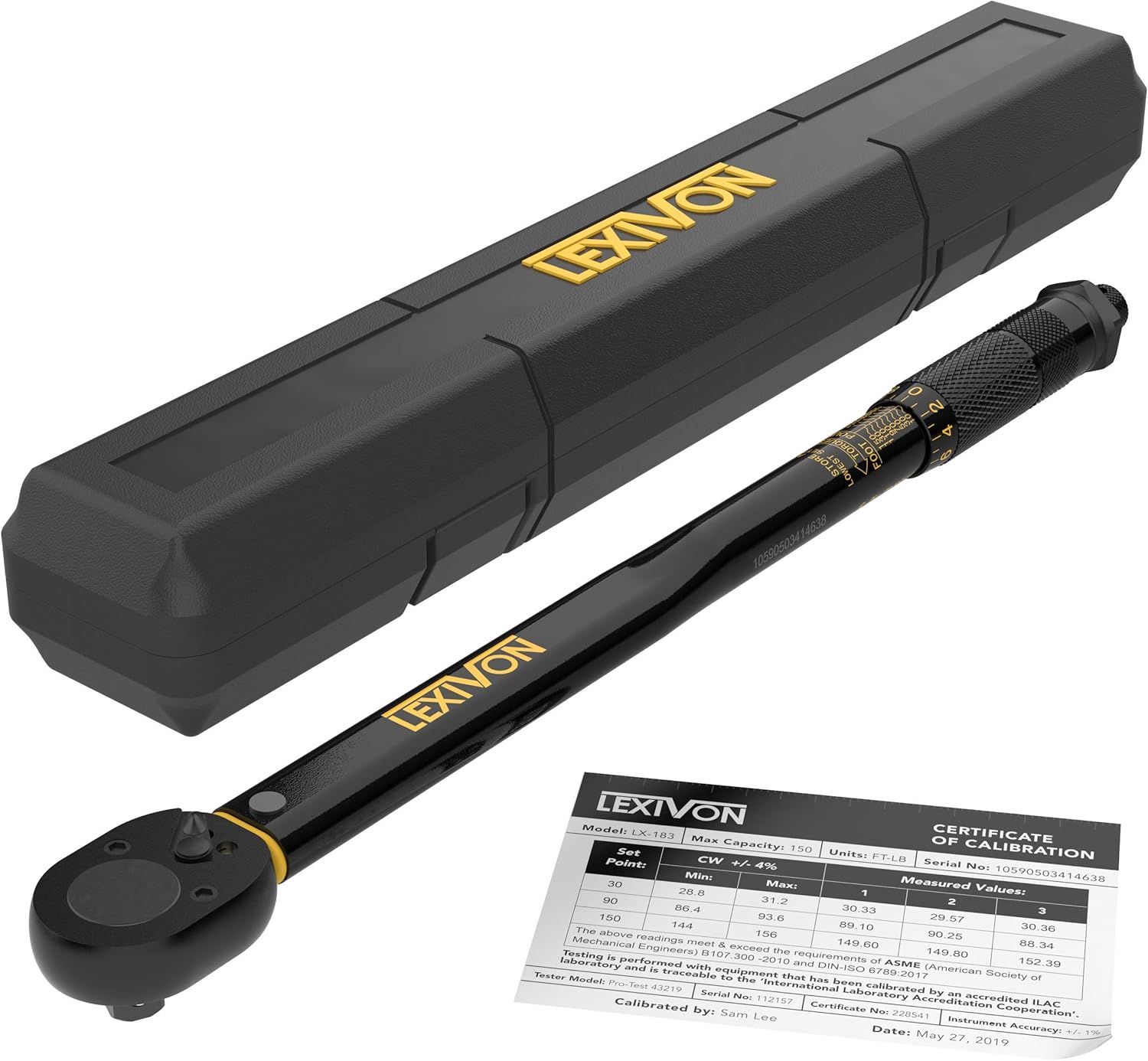
Snug the bolts in stages, starting near the center and moving outward in a crisscross pattern if your engine layout allows. Bring them all down evenly before making the final pass with a torque wrench. If the spec is given in inch-pounds, use the correct tool rather than guessing.
A typical valve cover torque range may be around 60-100 in-lb, but this varies by engine. Always use the spec for your vehicle. If your gasket set includes new bolt isolators or sealing washers, install them exactly as the old ones were arranged.
- Finger-start every bolt to avoid cross-threading.
- Tighten in multiple light passes instead of one final pull.
- Stop immediately if a bolt keeps turning or feels weak, since stripped threads need repair before the cover will seal.
Recommended Tools for This Job


Reassembly and Final Checks
Reinstall coils, plug wires, hoses, brackets, and intake parts in the reverse order of removal. Make sure each electrical connector clicks into place and each vacuum or breather hose is fully seated. Loose PCV or intake connections can create rough running, check engine lights, or oil leaks that look like a gasket problem.
Before starting the engine, inspect around the perimeter of the valve cover for any pinched gasket sections. Check engine oil level and top off if needed, especially if the old leak was significant or oil spilled during the repair.
Initial Leak Check
Start the engine and let it idle while you watch the gasket area with a flashlight. A slight smell from cleaned-off residue burning away is normal at first, but active fresh oil should not appear. Let the engine warm up, then shut it off and recheck the perimeter, the spark plug wells, and any RTV corner joints.
After a short test drive, inspect again. If your service information calls for re-torquing after heat cycling, follow that guidance. Most modern rubber gaskets do not require re-torquing, so do not tighten bolts again unless the procedure specifically says to.
Common Mistakes to Avoid
- Replacing the gasket without confirming the leak source first.
- Using too much RTV and spreading it around the entire cover.
- Skipping spark plug tube seals or bolt grommets when the gasket set includes them.
- Cleaning the surfaces poorly and leaving oil film or old gasket material behind.
- Over-tightening bolts and distorting the cover or stripping threads.
Another common problem is reinstalling ignition coils or wires incorrectly. If the engine misfires after the repair, double-check connector engagement, coil placement, plug wire routing, and whether oil contamination in the plug wells damaged a coil boot.
When the Leak Does Not Go Away
If you still see oil after replacing the gasket, clean the area again and trace the exact source. A warped valve cover, clogged PCV system, cracked cover, leaking timing cover, camshaft seal, or oil pressure switch can mimic a valve cover gasket leak. Oil from the rear of the engine can also travel along the head and make the repair look unsuccessful when the actual leak is elsewhere.
If one bolt hole is stripped, the cover may not clamp evenly and a leak can persist on that side. Thread repair may be needed before a new gasket can seal. Likewise, if the sealing rail on the cover is bent or the cover rocks on a flat surface, replacement is usually the right fix.
Key Takeaways
- Confirm the oil leak is actually coming from the valve cover before buying parts or taking the engine apart.
- Clean both sealing surfaces thoroughly and replace related tube seals or bolt grommets when your engine uses them.
- Apply RTV only at factory-specified joints such as timing cover corners, not around the full gasket perimeter.
- Torque valve cover bolts lightly and evenly, because over-tightening is one of the fastest ways to create a new leak.
- If the new gasket still leaks, inspect for a warped cover, stripped threads, or a PCV problem before redoing the job.
FAQ
Can I Drive with a Leaking Valve Cover Gasket?
Usually yes for a short time if the leak is minor, but it is not a repair to postpone for long. Oil can drip onto the exhaust and create smoke or a fire risk, and oil in spark plug wells can damage ignition components and cause misfires.
Do I Need RTV with a Valve Cover Gasket?
Only if your engine manufacturer specifies it. Many engines need just a tiny dab at timing cover seams or corner joints, while others require the gasket to be installed dry.
How Tight Should Valve Cover Bolts Be?
They are typically very light torque, often in inch-pounds rather than foot-pounds. Always use the exact factory spec for your engine, because over-tightening can warp the cover or strip threads.
Should I Replace Spark Plug Tube Seals at the Same Time?
Yes, if your engine uses separate tube seals and your gasket set includes them. If oil has been leaking into the plug wells, replacing only the perimeter gasket may not solve the whole problem.
What Causes a Valve Cover Gasket to Fail?
Heat, age, and constant oil exposure harden and shrink the rubber over time. Excess crankcase pressure from a faulty PCV system can also force oil past the gasket and speed up failure.
Why Is My Engine Still Leaking After I Replaced the Gasket?
The most common reasons are poor surface cleaning, incorrect gasket placement, over-tightening, a warped or cracked valve cover, stripped threads, or a leak from another nearby component such as a timing cover or cam seal.
Can I Reuse a Valve Cover Gasket if It Looks Good?
It is not recommended. Once compressed and heat-cycled, the gasket may not reseal properly, and the small savings usually are not worth doing the job twice.
Need Parts for This Repair?
The right parts and supplies vary by vehicle.
Select your make and model to find compatible parts and accessories for your car.
Exact Fit
Parts that fit your make and model
Quality You Can Trust
Top brands and OEM quality options
Fast Shipping
Get the parts you need, delivered fast