

Note: This article contains affiliate links. If you click on these links and make a purchase, I may earn a small commission at no extra cost to you. This helps support my research and content. Read my full affiliate disclosure here.
Repair Snapshot
Use a mechanic if the PCV valve is buried under the intake manifold, integrated into a valve cover assembly, or if brittle hoses and plastic fittings are likely to break during removal.
This article is part of our Engine Maintenance & Repair Guides.
Replacing a PCV valve is one of the simpler engine maintenance jobs on many vehicles, and it can help fix rough idle, oil leaks, excess oil consumption, and check-engine-light issues tied to crankcase ventilation.
The PCV valve, or positive crankcase ventilation valve, controls how blow-by gases are pulled from the engine crankcase back into the intake to be burned. When it sticks open, sticks closed, or its hose cracks, the engine can develop vacuum leaks, sludge buildup, idle problems, or elevated emissions.
On many cars, trucks, and SUVs, the job only takes a few tools and less than an hour. The exact location varies by engine, so always compare the new part to the old one and check your service information for routing, access, and any torque specs if covers or brackets must be removed.
What the PCV Valve Does and Why It Fails
The PCV system relieves pressure inside the crankcase and routes oil vapor and combustion gases back into the intake manifold. This keeps seals from being pushed out by pressure, reduces sludge formation, and lowers tailpipe emissions.
A traditional PCV valve is a small check-valve-style component mounted in a valve cover, intake tube, or breather housing and connected to vacuum by a hose. Over time, oil residue, moisture, and carbon deposits can clog the valve. The rubber grommet can harden, and plastic hoses can split or collapse.
Common Signs of a Bad PCV Valve
- Rough idle or a high idle caused by a vacuum leak.
- Oil seepage around valve cover gaskets, dipstick tube, or seals from excess crankcase pressure.
- Whistling or hissing noises from the valve cover area.
- Increased oil consumption or oily residue in the air intake.
- Check engine codes related to lean conditions, idle control, or crankcase ventilation.
Some newer engines do not use a simple serviceable valve. Instead, the PCV function may be built into a valve cover assembly, oil separator, or diaphragm unit. If your engine uses that design, replacement may involve more disassembly than the basic procedure covered here.
Before You Start
Work Safely on a Cool Engine
Let the engine cool down before reaching around the valve covers and intake area. Hot plastic becomes more fragile, and hot exhaust components can burn you. Set the parking brake, park on level ground, and disconnect the negative battery cable only if your vehicle requires it for nearby electrical components or intake removal.
Identify the Exact Valve Location
Many PCV valves are easy to spot because a small vacuum hose runs from the valve cover to the intake manifold or intake tube. Others sit under an engine cover or near the rear bank on V6 and V8 engines. If you are unsure, look up a diagram for your year, make, engine, and trim before removing anything.
Match the Replacement Part
Compare the new valve to the old one before installation. Hose-end size, flow calibration, elbow shape, and mounting style must match. A universal-looking valve that is not calibrated for your engine can create drivability problems even if it physically fits.
How to Access the PCV Valve
Start by removing any decorative engine cover that blocks access. Most are held by a few bolts, rubber grommets, or quarter-turn fasteners. Place hardware in a tray so nothing gets lost.
Follow the small vacuum hose connected to the valve cover. On some engines, the PCV valve presses into a rubber grommet in the valve cover. On others, it twists into place, clips into a housing, or comes attached to a short molded hose assembly.
Inspect the Surrounding Components Before Removal
- Check the PCV hose for cracks, soft spots, swelling, or collapsed sections.
- Look at the grommet for hardening, shrinkage, or oil saturation.
- Inspect nearby vacuum fittings and plastic tees for brittle ends.
- Look for heavy sludge that may indicate poor maintenance or a deeper ventilation problem.
If the hose or grommet looks damaged, replace it now. Installing only the valve while leaving a split hose in place can leave the same rough idle or leak symptoms you started with.
Tools That Make This Job Easier


How to Remove the Old PCV Valve
Disconnect the Hose Carefully
If the hose is held with a spring clamp, compress it with pliers and slide it back on the hose. Twist the hose gently to break it free before pulling. If the hose feels stuck, avoid yanking hard on an old plastic nipple because it can snap off.
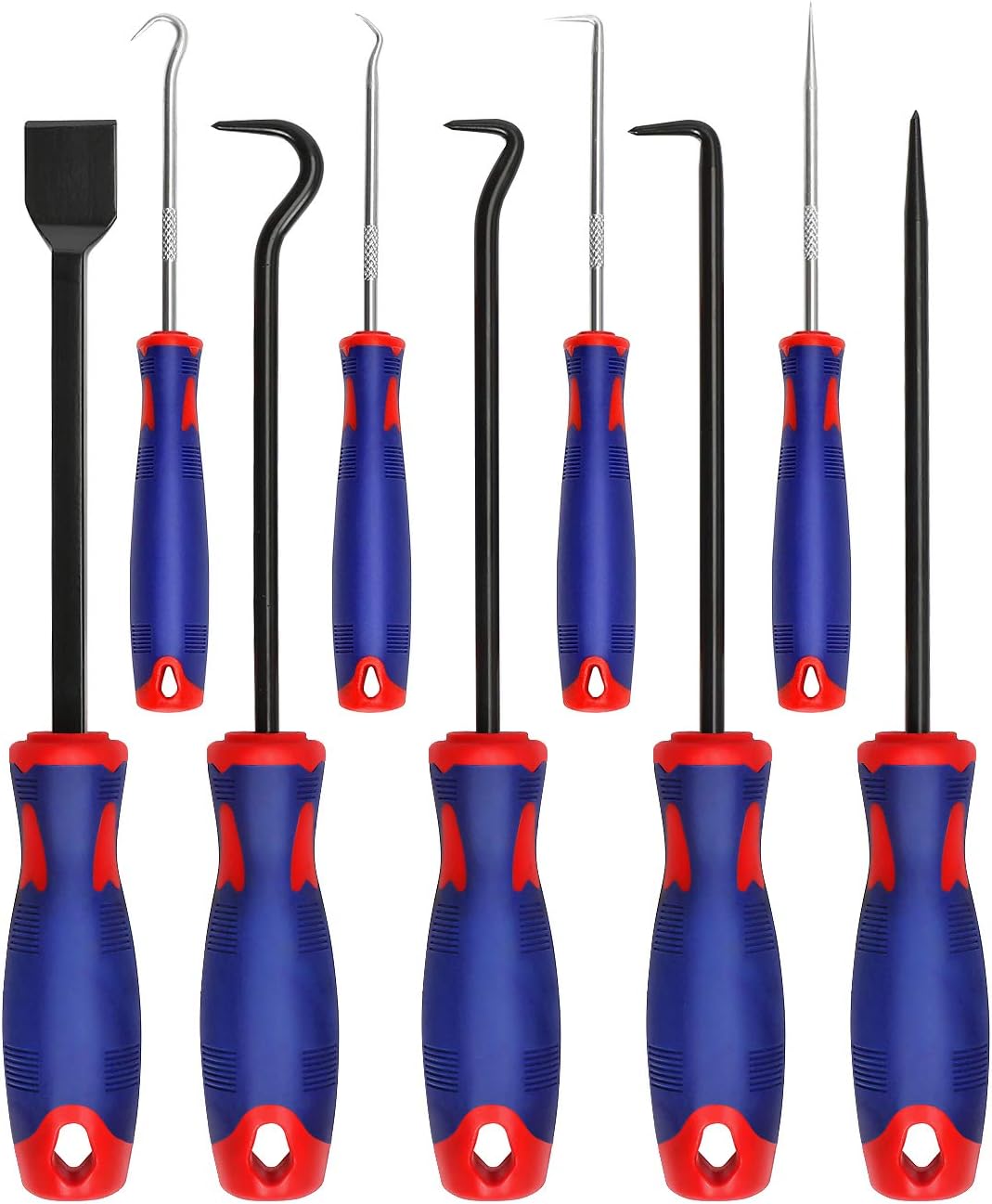
For stubborn hoses, use a small pick tool or flat-blade screwdriver to loosen the edge, but do not gouge the sealing surface. If the hose is already brittle, cut it off and replace it instead of forcing it.
Remove the Valve From Its Mount
A push-in PCV valve can usually be pulled straight out of its rubber grommet with a firm twist. A threaded or bayonet-style valve may need to be turned counterclockwise first. If there is a bracket or resonator blocking access, remove it according to the service information and note any bolt locations.
If the rubber grommet comes out with the valve, inspect it closely. A hard or cracked grommet can cause vacuum leaks and may not seal a new valve correctly. Replace the grommet whenever it looks aged or distorted.
What if the Valve Is Stuck
Do not pry aggressively against a plastic valve cover. Work the valve back and forth while pulling upward. A light spray of intake-safe cleaner around the grommet can help loosen varnish. If the valve cover or fitting begins to flex too much, stop and consider removing more surrounding components for better access.
Inspect and Clean the Mounting Area
Once the old valve is out, wipe the area around the mounting hole with a clean rag. Remove oil sludge or grit that could keep the new valve from seating fully. If you are reusing the hose, check inside for heavy deposits that could restrict flow.
Use only a small amount of throttle body or intake-safe cleaner on the rag if needed. Avoid spraying large amounts directly into the valve cover opening or intake passage. If debris falls into the opening, clean it out before installation.
When Cleaning Is Not Enough
If the hose is packed with sludge, replace it rather than trying to flush it clean. If the port in the valve cover is heavily restricted, there may be broader sludge buildup in the engine. In that case, a new PCV valve may help, but it may not solve all crankcase ventilation problems by itself.
How to Install the New PCV Valve
Install the new grommet first if you are replacing it. Press it evenly into the valve cover opening until it sits flat. Then insert the new PCV valve into the grommet or threaded mount using the same orientation as the old part.
A push-in valve should seat snugly but should not require excessive force. A threaded valve should be started by hand first to avoid cross-threading. If your vehicle uses bolts, brackets, or a cover to retain the assembly, tighten them to manufacturer specs. Small fasteners in plastic components are easy to strip, so do not over-tighten.
Reconnect Hoses and Clamps
Slide the hose fully onto the valve until it is seated against the stop. Reposition the spring clamp in its original location. Make sure any elbows are not kinked and that the hose routing matches the original path so it will not rub on belts, pulleys, or hot exhaust parts.
Reinstall Covers and Brackets
Put back any engine covers, intake tubes, or brackets removed for access. Reconnect electrical connectors if you unplugged any. Double-check that no tools or shop towels are left in the engine bay before starting the engine.
Recommended Tools for This Job


How to Check Your Work
Start the engine and let it idle. The engine should idle smoothly without a new hiss, whistle, or obvious vacuum leak. If the idle is unstable, shut the engine off and verify the hose is seated correctly, the grommet is sealing, and no nearby intake tube or vacuum line was left disconnected.
Look around the valve and hose connection for any signs of oil seepage or a loose fit. If you had a check engine light before the repair, clear the code with a scan tool if available, then drive the vehicle through a normal warm-up cycle to see whether the fault returns.
Simple Functional Checks
- Listen for a steady idle instead of a hunting or surging idle.
- Verify there is no vacuum leak sound near the new valve or hose.
- Check that oil cap removal does not reveal extreme crankcase pressure or heavy suction beyond normal behavior for your engine design.
- Confirm there are no loose engine covers or intake parts after the test drive.
Torque Notes, Variations, and Vehicle-Specific Differences
Many basic PCV valve replacements involve no torque specs because the valve simply pushes into a grommet. However, some engines require removal of an engine cover bracket, ignition coil bracket, intake duct, or decorative cover secured with bolts. Always use the manufacturer’s torque specs for those fasteners, especially if they thread into aluminum or plastic.
If your engine uses an integrated PCV diaphragm or oil separator inside the valve cover, the repair may require replacing the valve cover assembly and its gasket. That procedure is more involved and may require careful bolt tightening sequence and torque values. Likewise, turbocharged engines often use more complex crankcase ventilation plumbing with check valves and fresh-air hoses that should be inspected as a system.
When in doubt, do not assume every rattling valve is good or every non-rattling valve is bad. Some designs do not produce the classic rattle test, and contamination or diaphragm failure can still exist even if the part seems normal by feel.
Common Mistakes to Avoid
- Replacing the valve without inspecting the hose, grommet, and nearby vacuum fittings.
- Using a part that physically fits but is not calibrated for your specific engine.
- Breaking a brittle plastic nipple by pulling the hose off too aggressively.
- Leaving an intake tube, sensor connector, or engine cover loose after the repair.
- Expecting a PCV valve to fix oil burning caused by worn piston rings or severe sludge.
If the engine still runs poorly after replacement, look beyond the PCV valve itself. Vacuum leaks, dirty throttle bodies, stuck purge valves, intake manifold leaks, and ignition issues can create similar symptoms.
When a PCV Valve Replacement Will Not Solve the Problem
A clogged or failed PCV valve can cause real drivability issues, but it is not the only source of rough idle, oil leaks, or lean codes. If you still have symptoms after installing a new valve, inspect for split intake boots, disconnected vacuum lines, failed valve cover diaphragms, or excessive engine blow-by.
Heavy smoke from the exhaust, rapid oil consumption, and pressure pushing the dipstick out can point to internal engine wear rather than a simple ventilation fault. Likewise, if your check engine light returns with the same code, use a scan tool and smoke test if necessary instead of continuing to replace parts by guesswork.
Key Takeaways
- Replace the PCV hose and grommet if they are brittle, cracked, or oil-soaked, not just the valve itself.
- Use the exact PCV valve specified for your engine because flow rate and design matter.
- Twist hoses gently before pulling to avoid snapping plastic fittings on older engines.
- Check for vacuum leaks, oil seepage, and smooth idle immediately after installation.
- If your PCV system is built into the valve cover, expect a more involved repair than a simple valve swap.
FAQ
How Often Should a PCV Valve Be Replaced?
Many manufacturers treat it as an inspection item rather than a fixed-interval replacement, but a common rule of thumb is to inspect it around every 30,000 to 60,000 miles. Check your owner’s manual or service schedule for your exact vehicle.
Can I Drive with a Bad PCV Valve?
Usually yes for a short time, but it is not a good idea to ignore it. A failed PCV valve can cause rough idle, oil leaks, sludge buildup, increased oil use, and emissions problems that may become more expensive later.
Will Replacing the PCV Valve Clear a Check Engine Light?
It can if the PCV valve was the actual cause of the fault, but the light may stay on until the code is cleared or the vehicle completes enough drive cycles. If the light returns, there may still be a vacuum leak or another underlying issue.
Do I Need to Replace the PCV Hose Too?
Replace the hose if it is cracked, soft, collapsed, swollen, or heavily sludged inside. Reusing a damaged hose can leave the same symptoms in place even with a new valve installed.
What if My PCV Valve Is Part of the Valve Cover?
Some modern engines use an integrated PCV diaphragm or separator built into the valve cover. In that case, you may need to replace the entire valve cover assembly or a service kit rather than a standalone valve.
Can a Bad PCV Valve Cause Oil Leaks?
Yes. If the valve sticks closed or the system becomes restricted, crankcase pressure can build and push oil past gaskets and seals. It can also contribute to sludge and moisture buildup inside the engine.
Is There a Way to Test a PCV Valve Before Replacing It?
On some older designs, you can remove the valve and shake it to listen for a rattle, but that is only a rough check. The better approach is to inspect for clogging, vacuum leaks, hose damage, and engine symptoms, then replace the inexpensive part if it is suspect.
Need Parts for This Repair?
The right parts and supplies vary by vehicle.
Select your make and model to find compatible parts and accessories for your car.
Exact Fit
Parts that fit your make and model
Quality You Can Trust
Top brands and OEM quality options
Fast Shipping
Get the parts you need, delivered fast