

Note: This article contains affiliate links. If you click on these links and make a purchase, I may earn a small commission at no extra cost to you. This helps support my research and content. Read my full affiliate disclosure here.
Repair Snapshot
Use a mechanic if the hoses are buried under the intake manifold, if plastic fittings are already cracking, or if your engine still has lean codes or oil leaks after replacement.
This article is part of our Engine Maintenance & Repair Guides.
Replacing PCV hoses is a straightforward repair on many vehicles, but it matters more than most DIYers realize. The positive crankcase ventilation system pulls blow-by gases out of the engine and routes them back into the intake to be burned. When the hoses crack, collapse, clog, or slip loose, the engine can develop vacuum leaks, rough idle, oil seepage, whistling noises, lean trouble codes, or sludge buildup.
On some cars, the job takes 15 minutes. On others, brittle molded hoses, hidden routing, or cramped access near the intake manifold can turn a simple repair into a careful disassembly project. The key is replacing the correct hoses, matching the original routing, and checking for leaks before calling the job done.
This guide walks through how to identify the right PCV hoses, remove old lines without breaking fittings, install replacements correctly, and verify the system is sealed and ventilating as designed.
What the PCV Hoses Do and when They Need Replacement
PCV hoses connect the valve cover or crankcase to the PCV valve, intake manifold, air intake tube, or oil separator, depending on engine design. These hoses carry crankcase vapors under vacuum and must stay sealed. Any split, loose connection, or restriction can change the air-fuel mixture and reduce crankcase ventilation.
Common Signs of Failed PCV Hoses
- Rough idle, stalling, or a hissing sound from the engine bay.
- Lean mixture codes such as P0171 or P0174, especially with no obvious intake leak.
- Oil leaks from valve cover gaskets or seals caused by poor crankcase ventilation.
- Visible cracks, collapsed rubber, soft spots, or broken plastic elbows.
- Oil residue around hose connections or sludge buildup inside the hose.
If your vehicle uses a complete molded hose assembly with quick-connect fittings, replace it with the proper shaped part rather than generic bulk hose whenever possible. Universal hose can kink, loosen, or collapse under vacuum if the size and wall thickness are wrong.
Before You Start
Work on a fully cool engine. PCV hoses often run near hot valve covers, intake plenums, and emissions components, and old plastic fittings break much more easily when warm. Disconnect the negative battery terminal if you need to remove electrical connectors or work close to the starter cable area.
Identify Your Exact Hose Routing First
Before removing anything, compare the replacement parts to what is installed. Take several clear photos from different angles. Many engines have both a fresh-air breather hose and a vacuum-side PCV hose, and mixing them up can create drivability problems. If your engine has multiple branches, quick-connect fittings, or a built-in oil separator, label the connections with tape.
Plan to Replace Related Wear Items
If the PCV valve is separate from the hose and easy to access, replacing it at the same time is smart. Also inspect grommets, elbows, rubber reducers, and any small vacuum tees in the same area. Old hoses often fail in clusters, and replacing only the visibly cracked section may leave another leak behind.
How to Access the PCV Hoses
Start by removing any engine cover, intake duct, or resonator box blocking the PCV hose path. Most plastic engine covers either pull up from ball studs or use a few small bolts. Intake tubes usually use worm clamps or band clamps at the throttle body and air box.
As you uncover the system, trace the hose from the valve cover to the PCV valve or manifold port. Some engines use a short molded elbow right at the valve cover that becomes brittle and cracks on the underside where it is hard to see. Others use a larger hose on one bank and a breather hose on the other.
- Set hardware aside in order so reassembly is easier.
- Move wiring looms gently instead of yanking them out of the way.
- Avoid prying on plastic intake nipples or valve cover ports.
- Check whether clamps are reusable spring clamps or one-time crimp clamps.
Tools That Make This Job Easier


Removing the Old PCV Hoses Without Damaging Fittings
Release the Clamps First
Use hose clamp pliers or standard pliers to compress spring clamps and slide them back from the hose end. For screw-type clamps, loosen them just enough to free the hose. If your vehicle has quick-connect fittings, press the release tabs or collar as designed rather than forcing the connector off.
Break the Hose Seal Carefully
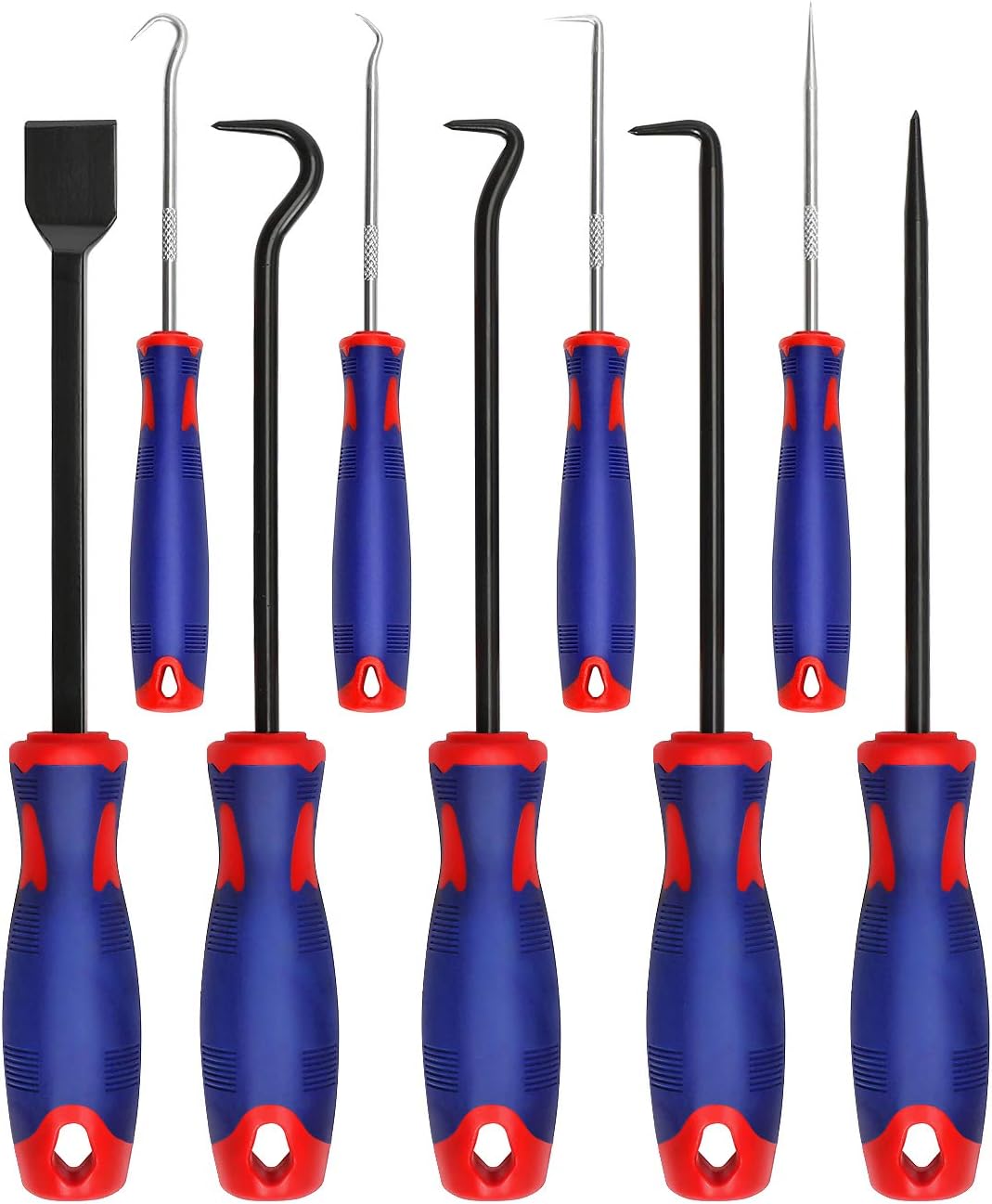
Old rubber hoses can bond tightly to fittings. Twist the hose gently to break the seal before pulling. If it will not move, use a pick tool to lift the edge slightly, but do not gouge the fitting. On stubborn hoses you plan to discard, carefully slit the hose lengthwise with a utility blade, stopping short of the plastic or metal nipple underneath.
Handle Brittle Plastic with Extra Care
Many modern PCV hose assemblies are molded plastic rather than rubber. If a connector looks chalky, oil-soaked, or cracked, expect it to snap. Support the fitting close to the base with one hand while releasing the clip with the other. If the hose breaks during removal, make sure every fragment is removed from the port before reassembly.
Once the hose is off, inspect the port itself. A clogged PCV passage, carbon buildup, or sludge can mimic a bad hose. Wipe the opening clean and verify it is not restricted.
Inspecting Related Components Before Installation
Before installing the new hose, inspect the rest of the system. Replacing a split hose will not fully fix the problem if the PCV valve is stuck, the valve cover baffle is clogged, or another vacuum line nearby is leaking.
- Check the PCV valve for sticking, heavy sludge, or a blocked screen.
- Inspect the valve cover grommet for hardening, shrinkage, or cracks.
- Look for broken manifold vacuum ports or loose intake fittings.
- Inspect breather hoses for soft, swollen, or oil-saturated sections.
- Clean oily residue from sealing surfaces so new connections seat fully.
If the hose connects to the intake duct ahead of the throttle body, also inspect that duct for tears. A split intake boot and a failed PCV hose can create similar symptoms and may have contributed to the original diagnosis.
Installing the New PCV Hoses
Match Shape, Size, and Routing
Compare the new hose assembly to the old one side by side. Confirm overall length, bends, branch connections, fitting types, and inside diameter. A hose that is slightly too long can rub against hot or moving parts. A hose that is too short can pull off under engine movement.
Install One End at a Time
Push the hose fully onto the first fitting until it bottoms out or the quick-connect clicks. Then route the rest of the hose exactly as the factory intended and connect the other end. If clamps are used, position them behind the fitting bead where they can hold pressure without cutting into the hose.
Use Lubricant Sparingly
A tiny amount of silicone spray or light lubricant can help a tight hose slide onto a fitting, but use only enough to assist installation. Do not soak the hose or leave excess lubricant that could let the connection slip later. Never use sealant unless the service information specifically calls for it.
Prevent Future Damage
Make sure the hose does not rest against the exhaust manifold, EGR pipe, serpentine belt, or sharp brackets. Reinstall any retaining clips, holders, or brackets that keep the hose away from heat and movement. If the system includes a protective heat sleeve, transfer or replace it.
Recommended Tools for This Job


Torque Notes and Reassembly Details
Most PCV hose connections themselves are not torqued, but the surrounding components you remove for access may be. Engine covers, intake duct clamps, throttle body fasteners, resonator bolts, and brackets should be tightened to manufacturer specifications. Do not overtighten small fasteners threaded into plastic intake parts or magnesium/aluminum valve covers.
If you removed the intake tube, make sure it is seated evenly at both ends before tightening clamps. A slightly crooked intake boot can create a fresh unmetered air leak and make it seem like the new PCV hose is still leaking.
- Tighten worm clamps snugly, not excessively.
- Reconnect electrical connectors until they click into place.
- Reinstall all engine cover grommets, pins, and clips.
- Make sure no tools or shop rags remain near the belt or fan.
How to Check Your Work
Start the engine and let it idle. Listen for hissing, whistling, or a hunting idle speed. A properly sealed PCV hose repair should not create new vacuum noise. On some engines, a slight suction sound at the oil fill cap is normal, but a strong whistle usually is not.
Quick Post-repair Checks
- Visually confirm each hose is fully seated and each clamp is in the correct position.
- Watch for the hose collapsing at idle, which can indicate the wrong hose type or a restriction.
- Check engine idle quality after a few minutes of warm-up.
- Scan for trouble codes if a check engine light was on before the repair.
- Look around the valve cover and hose ends for fresh oil mist or seepage.
If you have a scan tool, monitor fuel trims after the engine reaches operating temperature. Very high positive fuel trims may indicate an ongoing vacuum leak. Clearing stored codes and taking a short test drive can confirm whether the repair solved the original problem.
Common Mistakes to Avoid
- Replacing only the visibly cracked hose while ignoring a hardened grommet or bad PCV valve.
- Using generic heater hose where a molded vacuum hose or rigid assembly is required.
- Breaking a plastic intake nipple during removal and trying to glue it instead of repairing it correctly.
- Routing the hose differently than stock so it rubs through or kinks.
- Leaving spring clamps loose or reusing damaged quick-connect fittings.
- Assuming a rough idle means the repair failed when the actual issue is another vacuum leak nearby.
The most common DIY problem is damaging an old plastic fitting while rushing the hose removal. Slow, careful disassembly is usually what separates a cheap PCV hose repair from a much bigger intake or valve cover replacement.
When Replacing PCV Hoses Is Not Enough
Sometimes the hose is only part of the issue. If the new hose is installed correctly but symptoms remain, the problem may involve a clogged PCV passage, failed oil separator, torn intake duct, vacuum leak at the manifold, or excessive engine blow-by.
Persistent oil leaks or pressure in the crankcase after hose replacement can point to deeper PCV system faults. Engines with integrated valve cover PCV passages may require a full valve cover assembly. Turbocharged engines may also use check valves and additional vent plumbing that must be diagnosed as a system.
If you still have rough idle, smoke, oil consumption, or lean codes after replacing the hoses and PCV valve, a smoke test is often the fastest next step.
Key Takeaways
- Take photos before removal so every PCV hose goes back in the original location and orientation.
- Twist old hoses gently and support brittle fittings to avoid breaking valve cover or intake ports.
- Use the correct molded hose or assembly whenever routing or vacuum load makes universal hose a poor fit.
- Inspect the PCV valve, grommets, and nearby intake hoses at the same time so one hidden leak does not undo the repair.
- After installation, check for hissing, high fuel trims, and collapsed hose sections before considering the job finished.
FAQ
Can I Drive with a Cracked PCV Hose?
You may be able to drive short-term, but it is not a good idea. A cracked PCV hose can create a vacuum leak, cause rough running, trigger a check engine light, and increase oil leaks or sludge buildup.
Do I Need to Replace the PCV Valve when I Replace the Hoses?
Not always, but it is often smart to do both together if the valve is inexpensive and accessible. A stuck or restricted PCV valve can damage the new hose repair by leaving the system under abnormal pressure or vacuum.
Can I Use Regular Fuel Hose or Heater Hose for a PCV Hose?
Only if it matches the original hose specifications for diameter, vacuum resistance, and oil-vapor exposure, and the routing does not require molded bends. Many PCV applications need a purpose-built molded hose or rigid assembly.
Why Is My Engine Still Idling Rough After Replacing PCV Hoses?
You may still have another vacuum leak, a bad PCV valve, a damaged intake tube, or a hose that is not fully seated. Scan fuel trims and trouble codes, then inspect all nearby vacuum connections carefully.
What if a Plastic PCV Fitting Breaks During Removal?
Do not leave broken pieces in the port or try a temporary fix if the connector is part of the intake or valve cover. Remove all fragments and replace the damaged fitting, hose assembly, or related component properly.
Should a PCV Hose Have Oil Inside It?
A light oil film is normal because the system carries crankcase vapors. Heavy sludge, pooled oil, or a completely soaked hose can indicate poor ventilation, excessive blow-by, or a failing separator or valve.
How Do I Know if the New PCV Hose Is Sealed Correctly?
After installation, the hose should sit fully on each fitting, clamps should be behind the fitting bead, and the engine should idle without hissing or whistling. A scan tool showing normal fuel trims is another good confirmation.
Need Parts for This Repair?
The right parts and supplies vary by vehicle.
Select your make and model to find compatible parts and accessories for your car.
Exact Fit
Parts that fit your make and model
Quality You Can Trust
Top brands and OEM quality options
Fast Shipping
Get the parts you need, delivered fast