

Note: This article contains affiliate links. If you click on these links and make a purchase, I may earn a small commission at no extra cost to you. This helps support my research and content. Read my full affiliate disclosure here.
Repair Snapshot
Use a mechanic if the intake manifold must be removed to access the coils, if you are chasing a persistent misfire after coil replacement, or if you are not comfortable following torque specs around delicate plastic and aluminum engine parts.
This article is part of our Engine Maintenance & Repair Guides.
Replacing ignition coils is one of the more approachable DIY repairs on many modern cars, trucks, and SUVs. If your engine is misfiring, idling rough, flashing the check engine light, or struggling under acceleration, a weak or failed ignition coil may be the cause.
On many engines, each spark plug has its own coil mounted directly above it, often called a coil-on-plug setup. That makes replacement fairly simple: remove the engine cover if equipped, unplug the coil, remove its retaining bolt, and pull the coil out. The key is working carefully, keeping debris out of the spark plug wells, and not assuming every misfire is caused by the coil alone.
This guide walks through safe removal and installation, what to inspect while you are in there, when to replace one coil versus a full set, and the mistakes that can turn a quick repair into a drivability problem.
Before You Start
Ignition coils transform battery voltage into the high voltage needed to fire the spark plugs. A failing coil can cause a single-cylinder misfire, poor fuel economy, hard starting, hesitation, raw fuel smell from the exhaust, and in some cases catalyst-damaging unburned fuel.
Before replacing anything, make sure the engine is cool and verify the likely fault. A scan tool showing a cylinder-specific misfire code such as P0302 can help point you toward the affected cylinder. If you have a generic random misfire code like P0300, the problem may still be the coils, but it could also be spark plugs, vacuum leaks, injector issues, low compression, or wiring damage.
- Park on a level surface, set the parking brake, and switch the ignition fully off.
- Let the engine cool to avoid burns and to reduce the chance of damaging hot plastic connectors.
- Disconnect the negative battery cable if your vehicle service information recommends it or if you will be working near exposed power connections.
- Have the correct replacement coil on hand; ignition parts are often engine-specific even within the same model year.
Symptoms of a Bad Ignition Coil
A bad coil does not always fail completely. Some work fine at idle but break down under load, while others misfire only when damp or after heating up. Recognizing the pattern helps you avoid replacing the wrong part.
- Rough idle or shaking at a stop
- Hesitation or bucking during acceleration
- Flashing or steady check engine light
- Noticeable power loss, especially climbing hills
- Hard starting or longer cranking time
- Fuel smell from the tailpipe due to incomplete combustion
If the misfire moved when you swapped the suspected coil to another cylinder during diagnosis, that is strong evidence the coil is faulty. If the misfire stayed on the same cylinder, inspect the spark plug, plug well for oil or coolant contamination, wiring connector, and injector before assuming the new coil will solve it.
Locate the Coils and Check Access
On most 4-cylinder and V6 engines with coil-on-plug ignition, the coils sit directly on top of the valve cover, one per spark plug. Some engines hide the rear bank under an intake plenum or cowl area, and older engines may use one coil pack with plug wires instead of individual coils.
What You May Need to Remove First
- Plastic engine cover
- Air intake duct or resonator
- Beauty panels or acoustic covers
- Small brackets or wire looms blocking coil bolts
- On a few engines, portions of the intake manifold
Take a quick photo before disassembly. It helps you route hoses and wiring correctly during reassembly, especially if several connectors and covers come off to reach the coils.
How to Remove the Old Ignition Coil
Remove Covers and Clean the Area
Remove any engine cover or intake pieces that block access. Before unplugging the coil, clean around the coil base and spark plug well with compressed air or a vacuum. This prevents dirt from falling into the cylinder if you also remove the spark plug.
Disconnect the Electrical Connector
Press the connector lock tab and slide the plug off the coil. If it is stubborn, use a small pick tool carefully to lift the lock, but do not pry hard enough to crack the connector body. Brittle connectors are common on older engines.
Remove the Retaining Fastener
Most coil-on-plug units are held by one small bolt, often 8mm or 10mm. Remove it with a ratchet and keep it where it will not get lost in the engine bay.
Pull the Coil Straight Up
Twist the coil gently to break the rubber boot loose from the spark plug, then pull it upward. If the boot is stuck, avoid yanking sideways. A gentle twisting motion usually releases it without tearing the boot or stressing the connector.
Inspect the removed coil for cracking, swelling, carbon tracking, rust on the spring, oil contamination, or a torn boot. These clues can confirm the coil or reveal a separate issue such as a leaking valve cover gasket filling the plug well with oil.
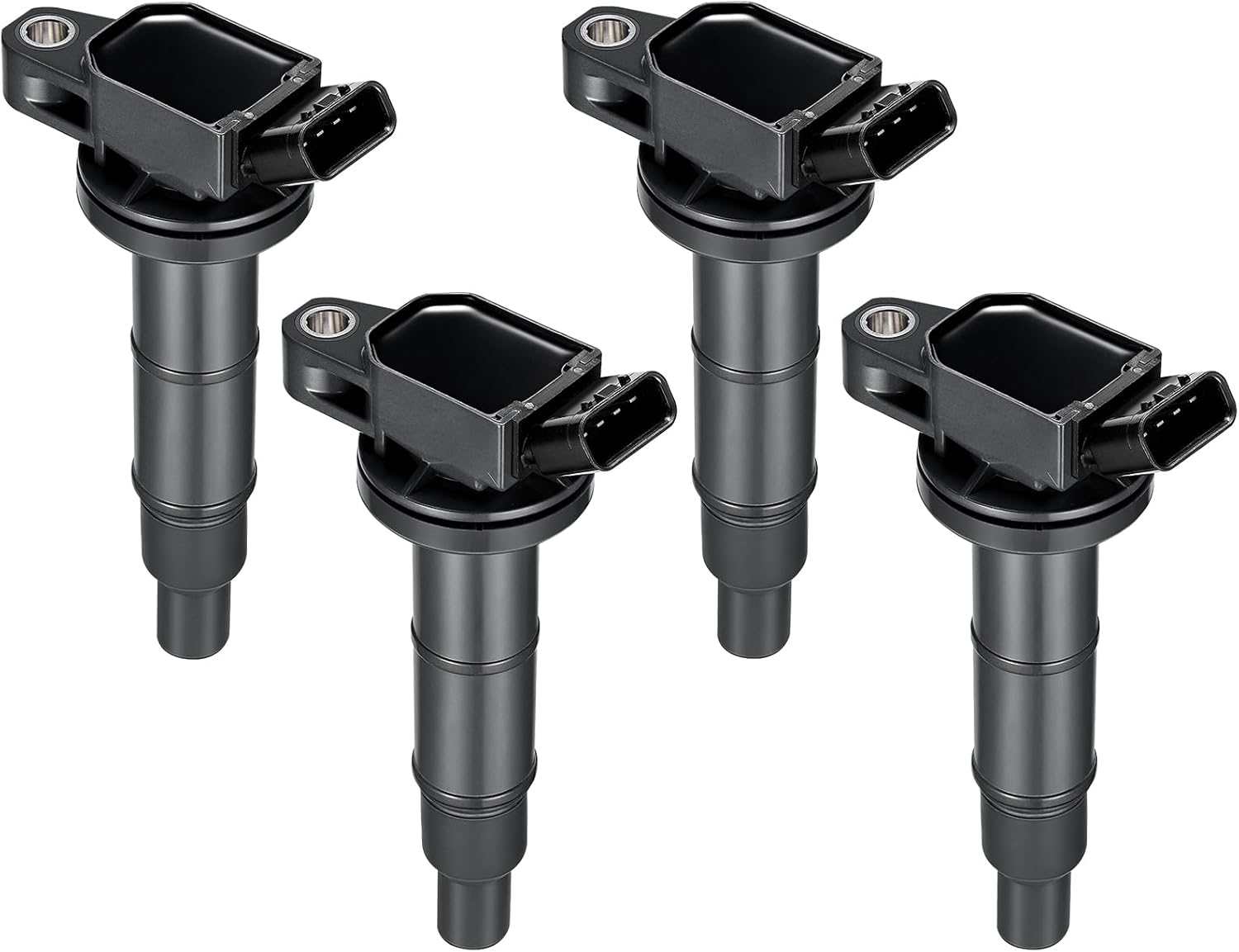
Tools That Make This Job Easier


Inspect the Spark Plug and Plug Well
This is the step many DIYers skip, and it is one reason misfires can return right after replacing a coil. A worn spark plug increases the voltage demand on the coil. If the plug gap is excessive or the plug is fouled, the new coil may still struggle or fail early.
- Look for oil in the spark plug tube, which can indicate a valve cover tube seal leak.
- Check for coolant, water intrusion, or corrosion in the plug well.
- Inspect the plug if removed for heavy wear, cracked porcelain, oil fouling, or deposits.
- Verify the plug type and gap if your application calls for checking or setting it.
- Replace overdue spark plugs now if service mileage is close or exceeded.
If one coil failed because the plug beneath it is severely worn, the other coils may also be working harder than they should. In that case, replacing the plugs at the same time is often the smarter move.
Install the New Ignition Coil
Prepare the New Coil
Compare the new coil to the old one before installation. Make sure the connector shape, boot length, mounting tab, and part number application all match. If the new coil came with a boot and spring installed, verify they are seated properly.
Apply a very small amount of dielectric grease inside the top of the rubber boot if recommended by the coil manufacturer. Do not pack the boot full of grease. A thin film is enough to help moisture resistance and future removal.
Seat the Coil Over the Spark Plug
Lower the coil straight into the plug well and press down until the boot fully engages the spark plug terminal. You should feel it seat solidly. If the coil sits crooked, remove it and check for a misaligned spring or debris in the well.
Reinstall the Bolt and Connector
Install the retaining bolt by hand first to avoid cross-threading. Tighten it to the vehicle manufacturer’s torque spec if available. These bolts are usually small and thread into aluminum or plastic mounting points, so overtightening can strip threads or crack the coil housing.
Reconnect the electrical connector until the lock clicks. Give it a light tug to confirm it is secure. Reinstall any wire looms, brackets, intake ducting, or engine covers that were removed.
Torque Notes and Relearn Considerations
Ignition coil bolts are usually low-torque fasteners. Exact specs vary by engine, so check a service manual or reliable repair information for your vehicle. If you do not have the exact number, snug the bolt carefully rather than muscling it down.
- Start coil bolts by hand to protect threads in aluminum heads or valve covers.
- Use a small torque wrench when possible because these fasteners are easy to overtighten.
- If spark plugs were replaced, torque those to spec as well; undertightened and overtightened plugs can both cause problems.
- Most vehicles do not require a relearn after coil replacement, but misfire counters and codes may need to be cleared with a scan tool.
If the battery was disconnected, expect the engine idle to fluctuate briefly while the computer relearns idle trim. That is normal on many vehicles and usually settles after a short drive.
Recommended Tools for This Job


Should You Replace One Coil or All of Them
There is no universal rule. Replacing only the failed coil is common and often makes sense, especially if the others are relatively new or the vehicle has low mileage. Replacing all coils at once may be worth considering when the set is original, mileage is high, access is time-consuming, or several coils have failed close together.
- Replace one coil if diagnosis clearly identifies a single failure and the rest are in good condition.
- Replace the full set if labor access is difficult, the engine has very high mileage, or multiple coils have failed recently.
- Avoid mixing low-quality no-name coils with good originals; inconsistent parts can create new misfire issues.
- If budget is tight, at minimum replace the failed coil and inspect or replace the spark plugs.
Test the Repair
Start the engine and let it idle. The engine should run smoothly without shaking, stumbling, or immediate warning lights. If the connector is not fully seated or the coil is not seated on the plug, the misfire may be obvious right away.
What to Check During the Test Drive
- Smooth idle at a stop
- Clean acceleration without hesitation
- No flashing check engine light
- No fuel smell or popping from the exhaust
- No new intake leaks or loose covers from reassembly
If you have a scan tool, clear any stored misfire codes and monitor live misfire data if available. A successful repair should show stable operation on the affected cylinder with no active fault returning.
Common Mistakes to Avoid
- Replacing a coil without checking the spark plug underneath it.
- Breaking the electrical connector by prying instead of releasing the lock tab correctly.
- Allowing dirt to fall into the spark plug well or cylinder.
- Overtightening small coil bolts in aluminum threads.
- Installing the wrong coil for the engine or cylinder position.
- Ignoring oil in the plug wells, which can quickly damage the new coil boot.
- Assuming a misfire code always means the coil is bad when wiring, injectors, compression, or vacuum leaks can be involved.
Another frequent mistake is buying the cheapest available ignition parts. Poor-quality aftermarket coils can cause intermittent misfires, radio interference, and repeat failures. If possible, use OE or a reputable aftermarket brand.
When Coil Replacement Will Not Fix the Problem
If the engine still misfires after replacing the coil, do not keep throwing parts at it. The next step is diagnosis. A persistent misfire on the same cylinder points to another problem in that cylinder or its control circuit.
- Worn, fouled, or incorrect spark plug
- Damaged coil connector or broken wiring
- Fuel injector fault or injector circuit problem
- Vacuum leak near that cylinder
- Low compression from a valve, ring, or head gasket issue
- Oil or coolant contamination in the plug well
- PCM driver issues, though these are less common
If the check engine light is flashing after your repair, stop driving until the cause is found. A severe active misfire can overheat and damage the catalytic converter quickly.
Key Takeaways
- Clean around the coil and plug well before removal so debris does not enter the engine.
- Inspect or replace the spark plug under a failed coil, because worn plugs can cause repeat misfires and shorten coil life.
- Tighten coil bolts carefully to spec or just snug if the exact spec is unavailable, since these small fasteners strip easily.
- Replace one coil when diagnosis is clear, but consider a full set if access is difficult or multiple original coils are failing.
- If the misfire remains on the same cylinder after coil replacement, shift to diagnosing plugs, wiring, injector operation, and compression.
FAQ
Can I Drive with a Bad Ignition Coil?
You should avoid driving any farther than necessary. A bad coil can cause a severe misfire, poor performance, and catalytic converter damage from unburned fuel. If the check engine light is flashing, stop driving and repair it as soon as possible.
Do I Need to Replace All Ignition Coils at the Same Time?
Not always. If one coil has clearly failed and the others are in good shape, replacing the single bad coil is common. Replacing all of them may make sense on high-mileage vehicles, when access is difficult, or when several coils have begun failing close together.
Should I Replace Spark Plugs when I Replace Ignition Coils?
If the spark plugs are due by mileage, worn, oil-fouled, or you have the coils off already, it is smart to inspect and often replace them. Worn plugs increase coil stress and can cause a new coil to fail sooner.
Do Ignition Coils Need Dielectric Grease?
A small amount inside the boot is often helpful if the manufacturer recommends it, but you only need a thin film. Too much grease can create a mess and is unnecessary.
Will Disconnecting the Battery Erase the Check Engine Light After Coil Replacement?
Sometimes temporarily, but it is not the best method. The proper approach is to clear the code with a scan tool after confirming the repair. Disconnecting the battery can also reset learned settings on some vehicles.
What if the New Coil Does Not Fix the Misfire?
Check the spark plug, connector, wiring, injector operation, and cylinder compression. If the misfire stays on the same cylinder after swapping or replacing coils, the problem is likely elsewhere.
How Long Do Ignition Coils Usually Last?
There is no fixed lifespan. Many coils last well past 100,000 miles, while heat, vibration, oil contamination, poor-quality replacement parts, and worn spark plugs can shorten their life.
Need Parts for This Repair?
The right parts and supplies vary by vehicle.
Select your make and model to find compatible parts and accessories for your car.
Exact Fit
Parts that fit your make and model
Quality You Can Trust
Top brands and OEM quality options
Fast Shipping
Get the parts you need, delivered fast