

Note: This article contains affiliate links. If you click on these links and make a purchase, I may earn a small commission at no extra cost to you. This helps support my research and content. Read my full affiliate disclosure here.
Repair Snapshot
Use a mechanic if the sensor is buried behind engine mounts, timing covers, or the starter, or if your vehicle requires relearn procedures you cannot perform. Professional help is also smart if you have no-start issues that could involve wiring, timing problems, or ECU faults.
This article is part of our Engine Maintenance & Repair Guides.
Replacing a crankshaft position sensor can fix hard starting, stalling, misfires, poor acceleration, or a no-start condition when the sensor or its signal has failed.
On many vehicles, the crankshaft position sensor is mounted low on the engine block, near the crank pulley, flywheel, or transmission bellhousing. The exact location and removal steps vary by engine, so always compare this guide with a repair manual for your year, make, model, and engine before you start.
This job is often manageable for a careful DIYer, but access can range from easy to frustrating. The most important parts are confirming the sensor is actually the problem, installing the new sensor correctly, and checking for wiring damage or debris that could cause the same code to come back.
Before You Replace the Sensor
A bad crankshaft position sensor can trigger codes like P0335 through P0339, but those codes do not automatically mean the sensor itself has failed. Damaged wiring, corroded connectors, metal debris on a magnetic sensor tip, low battery voltage, poor grounds, or even engine timing issues can set similar faults.
Common Symptoms
- Long crank time or an intermittent no-start
- Engine stalling when hot
- Misfires, hesitation, or bucking
- Check engine light with crank sensor or engine speed codes
- Tachometer dropping to zero while cranking or driving on some vehicles
Checks Worth Doing First
- Scan for stored and pending codes, then record freeze-frame data before clearing anything.
- Inspect the crank sensor connector for oil intrusion, broken lock tabs, corrosion, or loose pins.
- Follow the harness as far as you can and look for melted insulation, rubbing, or contact with the exhaust or drive belts.
- Check battery voltage and battery terminal condition, because low cranking voltage can create false sensor complaints.
- If the engine recently had timing work, verify the reluctor wheel, tone ring, or timing components were installed correctly.
If your car has both crankshaft and camshaft sensor codes, do not assume both sensors are bad. A wiring problem, stretched timing chain, or reluctor wheel issue can affect both signals at once.
Find the Crankshaft Position Sensor on Your Vehicle
The crankshaft position sensor is usually mounted where it can read a reluctor wheel attached to the crankshaft. Depending on the engine, that may be at the front of the engine near the harmonic balancer, low on the side of the block, above the oil pan rail, or at the rear near the transmission bellhousing and flexplate.
- Front-mounted layouts may require removing a splash shield or reaching in through the wheel well.
- Side-mounted layouts often need the car safely raised for access from below.
- Rear or bellhousing-mounted sensors may be easiest to reach after removing the starter or nearby brackets.
Before removing anything, compare the new part to the old sensor location and connector shape. It is common to mistake a nearby cam sensor, oil pressure switch, or transmission speed sensor for the crank sensor if you are working by feel.
Prepare the Vehicle and Work Area
Park on a level surface, set the parking brake, and let the engine cool. If you need to work underneath, raise the vehicle using proper lift points and support it securely on jack stands. Never rely on a jack alone.
- Disconnect the negative battery cable to protect the sensor circuit and prevent accidental shorts.
- Remove any plastic engine covers, intake ducting, splash shields, or wheel-well liners blocking access.
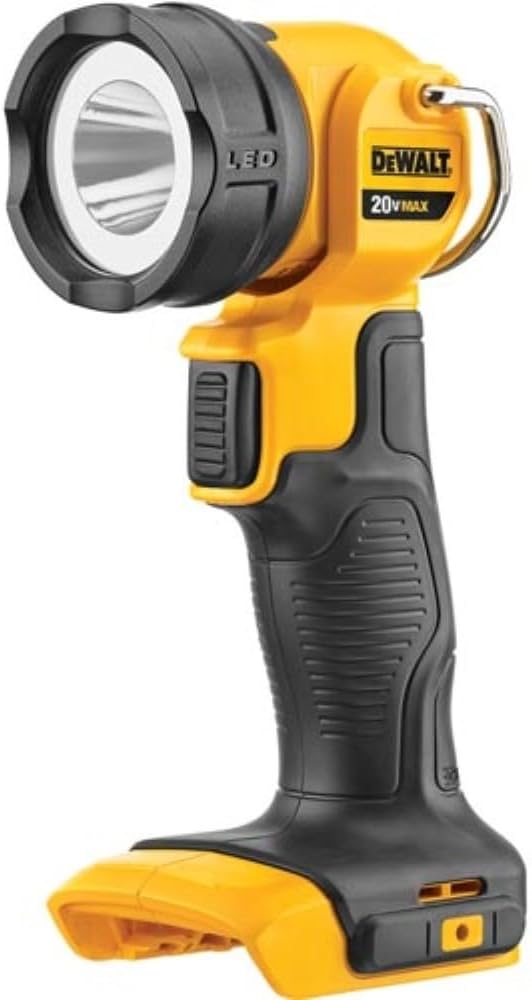
- Use a flashlight to identify the sensor body, mounting bolt, connector lock, and harness routing before you start unbolting parts.
If access is tight, taking a few phone pictures before disassembly helps you route the harness and reinstall clips correctly later.
Tools That Make This Job Easier


Remove the Old Crankshaft Position Sensor
Disconnect the Electrical Connector
Press or lift the connector lock carefully and pull the plug straight off the sensor. If the connector is brittle or packed with dirt, clean around it first so debris does not get forced into the terminals. Avoid pulling on the wires.
Remove the Mounting Bolt
Most crank sensors are held in with one small bolt, commonly 8 mm or 10 mm. Use the shortest socket and extension setup that fits to reduce the chance of rounding the fastener. Once the bolt is out, set it aside somewhere safe.
Twist and Pull Out the Sensor
Gently rotate the sensor body to break the O-ring seal, then pull it straight out. Do not pry hard against an aluminum block or timing cover. If the sensor is stuck, use penetrating oil sparingly around the base and keep working it loose. Some sensors are magnetic and may come out with fine metal particles stuck to the tip.
If the sensor breaks during removal and leaves part of the body or O-ring behind, stop and remove all remnants before installing the new part. Leaving old material in the bore can prevent proper seating and signal alignment.
Inspect the Bore, Harness, and Related Parts
This is the step many DIYers skip, and it matters. A new sensor will not fix a damaged connector, cracked reluctor wheel, or heavy oil contamination.
- Wipe the mounting bore clean with a rag and inspect for pieces of the old O-ring.
- Check the connector terminals for bent pins, green corrosion, or moisture.
- Look for chafed harness sections near brackets, engine mounts, and exhaust parts.
- If visible, inspect the reluctor wheel or tone ring for missing teeth, wobble, or impact damage.
- Clean metal shavings from the old sensor tip and investigate why they are present if the buildup is excessive.
A light film of oil around the sensor may be normal on some engines, but heavy oil saturation from a leaking front main seal, rear main seal, or valve cover can eventually damage connectors and attract debris.
Install the New Sensor Correctly
Compare the New and Old Parts
Match the connector, mounting tab, body length, sensor tip, and any included spacer or shim. Some crank sensors are self-spacing, while others require a specific air gap to the reluctor wheel. If the new part includes instructions about a paper spacer or shim, follow them exactly.
Lubricate the O-ring if Needed
If the new sensor has an O-ring, apply a light film of clean engine oil unless the manufacturer specifies dry installation. This helps the sensor seat without tearing the seal.
Seat the Sensor and Torque the Fastener
Push the sensor straight into the bore until fully seated. Install the mounting bolt by hand first to avoid cross-threading. Then tighten it to the vehicle manufacturer’s torque specification. Do not guess if the bolt threads into aluminum, because overtightening can strip the hole or crack the sensor flange.
Reconnect and Secure the Harness
Apply a small amount of dielectric grease to the connector seal if appropriate, then reconnect the plug until it clicks. Reattach any harness clips and route the wiring exactly like the factory did, keeping it away from moving pulleys, axles, and hot exhaust components.
Reassemble Any Removed Components
Reinstall all shields, brackets, intake parts, and trim pieces in the reverse order of removal. Double-check that no tools, bolts, or disconnected vacuum lines were left behind.
- Reinstall splash shields and wheel-well liners securely.
- Reinstall the starter if it was removed for access and torque its fasteners to spec.
- Reconnect the negative battery cable last.
If the repair required moving the starter cable, transmission lines, or ground straps, confirm every connection is tight before you try to start the engine.
Recommended Tools for This Job


Clear Codes and Perform Post-Repair Checks
After the sensor is installed, scan the vehicle again and clear any related trouble codes. Start the engine and verify that it cranks normally, idles smoothly, and does not immediately reset the check engine light.
Important Relearn Note
Some vehicles require a crankshaft position variation relearn after sensor replacement or after certain engine repairs. Without that procedure, the engine may still run poorly or set misfire and crank correlation codes. Many relearns require a capable scan tool, so check your service information before beginning the job.
What to Verify After Startup
- No active crankshaft position sensor codes return immediately.
- Live data shows a stable RPM signal while cranking and idling.
- There are no oil leaks around the sensor mounting area.
- The harness is not touching hot or moving parts.
- The engine no longer stalls, hesitates, or hard-starts under the conditions that caused the original problem.
Torque and Fitment Tips That Matter
Crankshaft position sensors are simple parts, but they rely on precise placement. The wrong sensor length, an unseated O-ring, a missing spacer, or an overtorqued mounting bolt can all lead to a weak or erratic signal.
Always use the torque value listed for your specific engine, because these bolts are usually small and often thread into aluminum. If you cannot find the exact spec, it is better to stop and look it up than to tighten by feel. Also confirm the replacement part matches your VIN and engine code, since some vehicles use multiple sensor designs in the same model year.
If the old sensor was shimmed or spaced in any way, do not assume the new one installs differently. Incorrect air gap between the sensor and reluctor wheel can cause intermittent stalling, no-starts when hot, or immediate return of the same fault code.
Mistakes to Avoid
- Replacing the sensor without checking the connector and harness first.
- Installing the wrong sensor because the crank and cam sensors look similar.
- Prying aggressively on the old sensor and damaging the mounting surface.
- Forgetting to remove pieces of the old O-ring from the bore.
- Routing the harness too close to the exhaust, axle, or serpentine belt.
- Skipping a required crank variation relearn.
- Clearing codes before recording them and losing useful diagnostic information.
When Replacement Will Not Fix the Problem
If the engine still will not start or keeps resetting crank sensor codes after replacement, the issue may be elsewhere. Crankshaft position sensor faults can be symptoms rather than root causes.
- Broken or shorted wiring between the sensor and ECU
- Poor engine ground or low battery voltage during cranking
- Damaged reluctor wheel or tone ring
- Timing chain or timing belt problems causing signal correlation errors
- Failed camshaft position sensor affecting synchronization
- ECU or reference voltage problems
At that point, deeper diagnosis with a wiring diagram, multimeter, and sometimes an oscilloscope is the right next step. Replacing another sensor at random usually wastes time and money.
Key Takeaways
- Confirm the code and inspect the connector and harness before replacing the crankshaft position sensor.
- Install the new sensor fully seated, with the correct O-ring or spacer setup, and torque the bolt to spec.
- Keep the sensor wiring clipped away from exhaust heat and moving parts during reassembly.
- Use a scan tool after the repair to clear codes, verify RPM signal, and confirm no faults return.
- Check whether your vehicle requires a crankshaft variation relearn before considering the repair complete.
FAQ
Can I Drive with a Bad Crankshaft Position Sensor?
It is risky. Some cars may still run for a while, but a failing crank sensor can cause sudden stalling, poor performance, or a no-start condition without much warning.
Will a Bad Crankshaft Position Sensor Always Set a Code?
Not always. Intermittent failures, heat-related dropouts, or wiring problems can cause symptoms before a code becomes active or stored.
Do I Need to Disconnect the Battery Before Replacing the Sensor?
It is strongly recommended. Disconnecting the negative battery cable helps prevent shorts, protects electronics, and reduces the chance of accidental starter engagement if you are working near the bellhousing.
How Do I Know if I Need a Crankshaft Relearn After Replacement?
Check factory service information for your exact vehicle. Some vehicles need a crankshaft position variation relearn after replacing the sensor, ECU, engine, or certain timing-related parts.
What Is the Difference Between a Crankshaft Sensor and a Camshaft Sensor?
The crankshaft sensor tracks crankshaft speed and position, while the camshaft sensor helps the ECU identify valve timing and cylinder phase. The engine often uses both signals together for ignition and fuel control.
Why Did My Crankshaft Sensor Fail Again Shortly After Replacement?
Possible causes include a poor-quality part, damaged wiring, oil contamination, an incorrect air gap, a broken reluctor wheel, or a missed relearn procedure. The sensor itself may not have been the only problem.
Can I Replace a Crankshaft Position Sensor Without a Scan Tool?
You can physically replace it without one on many vehicles, but a scan tool is very helpful for confirming codes, clearing faults, checking live RPM data, and performing any relearn the vehicle may require.
Need Parts for This Repair?
The right parts and supplies vary by vehicle.
Select your make and model to find compatible parts and accessories for your car.
Exact Fit
Parts that fit your make and model
Quality You Can Trust
Top brands and OEM quality options
Fast Shipping
Get the parts you need, delivered fast