

Note: This article contains affiliate links. If you click on these links and make a purchase, I may earn a small commission at no extra cost to you. This helps support my research and content. Read my full affiliate disclosure here.
Repair Snapshot
Use a mechanic if the throttle binds after cable service, the routing is hard to access, or your vehicle uses a complex linkage or cruise control cable setup. Get professional help immediately if the throttle sticks open or the pedal does not return reliably.
This article is part of our Engine Maintenance & Repair Guides.
A sticky or worn throttle cable can make your gas pedal feel heavy, delayed, or inconsistent. Lubricating or replacing a throttle cable is a practical DIY repair on many older cable-operated vehicles, and it can restore smooth pedal feel and more predictable engine response.
The key is to diagnose the cable before you start. Some cables only need cleaning, lubrication, and adjustment, while others are frayed, rusted, kinked, or stretched enough that replacement is the only safe choice. If the throttle does not snap back cleanly when released, do not keep driving until you fix the problem.
This guide walks through inspection, lubrication, removal, installation, adjustment, and final safety checks so you can do the job with confidence.
How to Tell Whether the Cable Needs Lubrication or Replacement
Before taking anything apart, confirm the throttle cable is actually the source of the problem. A sticky pedal can also be caused by a dirty throttle body, binding pedal pivot, damaged return spring, seized linkage, or cruise control hardware.
Common Signs the Cable Needs Attention
- Gas pedal feels stiff, rough, gritty, or notchy.
- Throttle response is delayed when you press the pedal.
- Pedal does not return smoothly after release.
- Engine speed hangs briefly instead of dropping normally.
- Visible rust, broken strands, kinks, or melted outer sheathing are present.
When Lubrication May Be Enough
Lubrication is usually worth trying if the cable moves freely enough to operate, the sheath is intact, and there are no broken strands, crushed sections, sharp bends, or signs of heat damage. Mild dryness or internal corrosion can sometimes be improved with proper cable lube.
When Replacement Is the Safer Repair
Replace the cable if you find fraying near either end, melted insulation near the engine, a kink that changes the cable’s shape, excessive free play that adjustment cannot correct, or a cable that still binds after lubrication. A damaged throttle cable is a safety issue, not just a drivability annoyance.
Safety Steps Before You Start
Park on a level surface, set the parking brake, and make sure the engine is completely off. On most vehicles, it is smart to disconnect the negative battery cable so the throttle linkage cannot be bumped while your hands are near moving parts.
Let the engine cool fully before working around the intake, exhaust manifold, or throttle body area. Hot engine parts can burn you, and some throttle cables route close to heat sources.
- Wear safety glasses when spraying lubricant or working under the hood.
- Keep loose clothing, jewelry, and gloves away from the throttle linkage during testing.
- Never start the engine until all cable ends, clips, and brackets are fully reinstalled.
- If the throttle sticks open during any test, shut the engine off immediately.
Inspect the Cable, Pedal, and Throttle Linkage
Open the hood and follow the throttle cable from the throttle body or carburetor back toward the firewall. Then inspect the pedal side from inside the cabin if accessible. You want to know whether the resistance comes from the cable itself or from the linkage at either end.
What to Check Under the Hood
- Cable routing for tight bends, pinched sections, or contact with hot components.
- Outer sheath for cracks, swelling, abrasion, or melted spots.
- Throttle lever and return spring for smooth movement.
- Bracket mounting points for looseness or bending.
- Cable end fitting for wear, rust, or looseness.
What to Check at the Pedal
Press the accelerator pedal by hand with the engine off. Feel for rough spots or sticking. If possible, disconnect the cable from the throttle linkage first and then move the pedal again. If the pedal feels smooth with the cable disconnected, the problem is more likely in the cable or engine-side linkage. If it still binds, inspect the pedal pivot and bushings.
A Useful Isolation Test
With the cable disconnected at the throttle body, slide the inner cable by hand. It should move smoothly and return without gritty resistance. Any scraping, snagging, or obvious drag usually means internal cable wear or corrosion.
How to Lubricate a Throttle Cable
If the cable is structurally sound, lubrication can restore smoother movement. Use a cable-specific lubricant or a dry-film product where possible. Heavy grease is usually a poor choice because it can trap dirt and harden over time.
Disconnect One End of the Cable
Remove the cable end from the throttle lever or carburetor linkage. On many vehicles, this involves rotating the throttle cam by hand to create slack, then slipping the cable barrel or end fitting out of its slot. Remove any retaining clip carefully so it can be reused if it is still in good shape.
Apply Lubricant Through the Sheath
Attach a cable luber tool to the upper end of the cable if you have one. Spray lubricant into the sheath until it begins to come out the opposite end. If you do not have a cable luber tool, angle the cable so gravity helps and apply lubricant in small bursts while moving the inner cable back and forth.
Work the Cable Until It Moves Freely
Slide the cable several times to distribute the lubricant through the full length. Wipe away excess and check whether the movement feels smoother. If the cable still catches at the same point, replacement is usually the better fix.
Lubricate Related Pivot Points Carefully
If the throttle lever pivot or pedal pivot is also dry, add a very small amount of the correct lubricant there too. Do not soak the throttle body opening or spray products directly into sensors or electrical connectors.
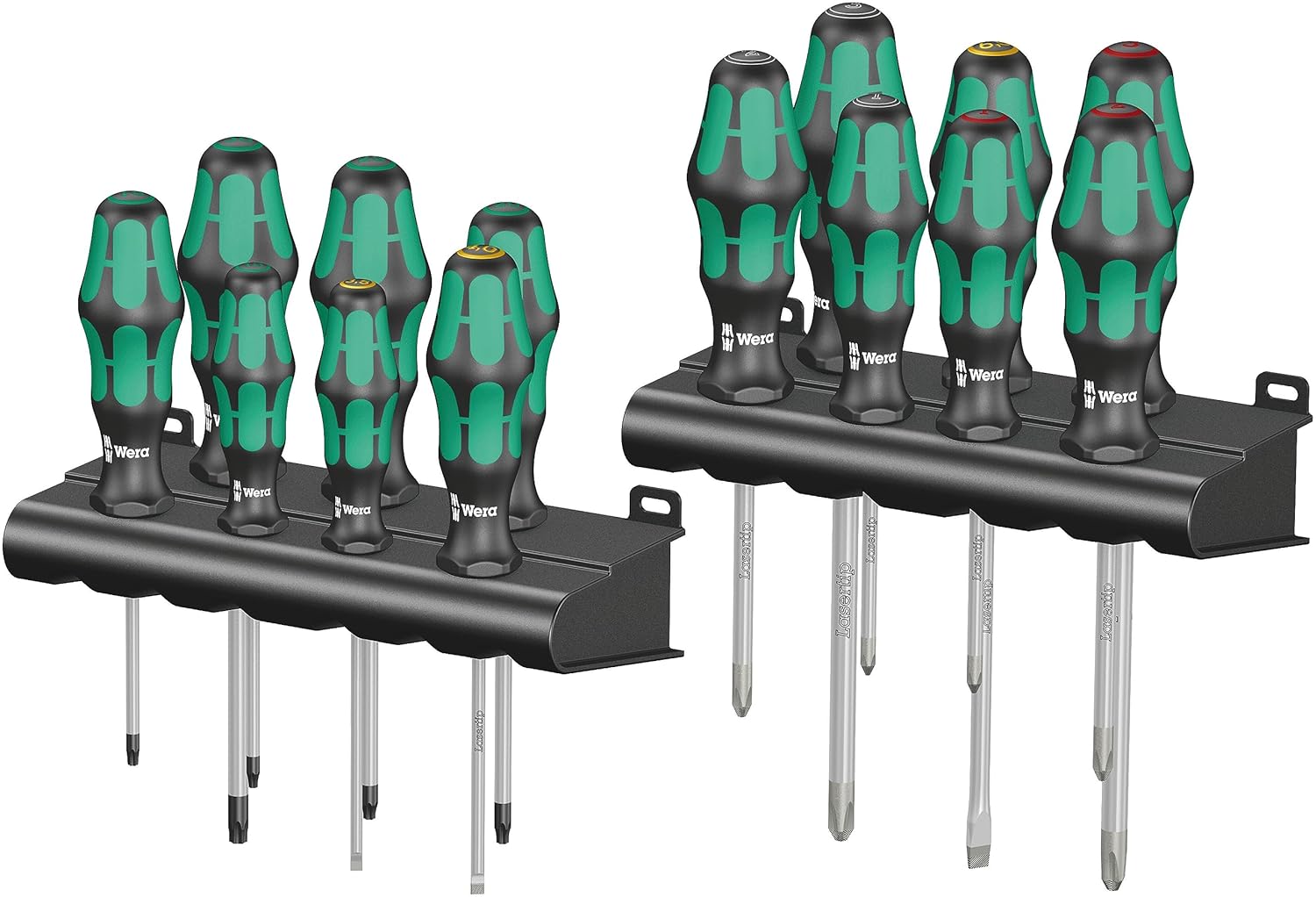
Tools That Make This Job Easier


How to Remove the Old Throttle Cable
If the cable is damaged or lubrication did not solve the issue, remove it completely and compare it with the replacement before installation. Take clear photos first so you can match the routing and attachment points.
Disconnect the Engine-side End
Create slack at the throttle linkage and remove the cable end from the lever. Then release the outer sheath from its bracket by removing the retaining clip, squeezing the locking tabs, or loosening the adjuster nuts, depending on the design.
Disconnect the Pedal-side End
Inside the vehicle or at the firewall, disconnect the cable from the accelerator pedal. Some designs use a hook, barrel end, or pin connection. Remove any trim panels needed for access and keep all clips and fasteners organized.
Release the Firewall Grommet and Routing Clips
Push or pull the cable grommet out of the firewall carefully. Then free the cable from any routing clips or holders along the engine bay. Pay close attention to how the cable passes around hoses, brackets, and wiring.
Compare the Old and New Cable
- Overall cable length should match.
- End fittings must be the same shape and size.
- Bracket mounting points should line up.
- Adjuster hardware should match the original setup.
- Firewall grommet and seals should fit correctly.
How to Install the New Throttle Cable
Install the new cable by following the original routing as closely as possible. Poor routing is one of the most common causes of binding after replacement.
Route the Cable Correctly
Feed the cable through the firewall and seat the grommet fully so fumes, water, and noise stay out of the cabin. Route the cable through all factory clips and holders. Avoid sharp bends, stretching, and contact with exhaust parts or moving accessories.
Attach the Pedal End
Connect the cable end to the accelerator pedal first if that gives you the best access. Make sure the end fitting sits fully in place and the cable sheath is secured at its mount. A loose sheath can cause incorrect pedal travel and delayed throttle opening.
Attach the Throttle Body or Carburetor End
Connect the engine-side cable end to the throttle lever and secure the outer sheath in its bracket. Reinstall any clips, adjuster nuts, or locking tabs. Make sure the return spring remains installed correctly and the lever can move from idle to wide open without interference.
Do Not Force Anything Into Position
If the cable seems too short, too long, or misaligned, stop and recheck the part number and routing. Forcing the cable into place can preload the throttle, prevent full return to idle, or cause premature failure.
Adjust the Cable for Proper Free Play
Many throttle cables have some form of adjustment at the bracket. The goal is to eliminate excessive slack without pulling the throttle open at rest. Exact adjustment varies by vehicle, so use a service manual when possible.
Basic Adjustment Guideline
At idle, the throttle plate or linkage should rest firmly on its normal stop, and the cable should have a small amount of free play. If the cable is too loose, you may get delayed response. If it is too tight, idle speed may rise or the throttle may not close fully.
How to Adjust It
- Loosen the locknut or retaining hardware at the cable bracket.
- Move the adjuster to remove most of the slack while keeping slight free play.
- Tighten the locknut and confirm the sheath remains seated in the bracket.
- Open the throttle by hand to full travel and make sure it reaches full opening without strain.
- Release it and verify it snaps fully back to idle every time.
Important Warning
Never set the cable so tight that the engine idles above normal or the throttle lever sits off its stop. If adjustment cannot give both smooth pedal operation and proper idle return, there may be another issue with the linkage, return spring, or the replacement part itself.
Recommended Tools for This Job



Final Checks Before You Drive
The final inspection matters as much as the installation. A throttle cable repair is only complete when the pedal and throttle return smoothly, consistently, and safely.
Engine-off Checks
- Press and release the pedal repeatedly to confirm smooth movement.
- Watch the throttle lever under the hood and make sure it returns to idle stop each time.
- Check that the cable does not rub, stretch, or kink anywhere in its path.
- Confirm all clips, brackets, and nuts are tight.
- Make sure floor mats are not interfering with pedal travel.
Engine-running Checks
Reconnect the battery if you disconnected it, then start the engine. Let it idle and verify the idle speed is normal. Press the pedal lightly a few times and make sure the RPM rises and falls cleanly. There should be no hanging idle, sticking, or delay in return.
Road-test Carefully
Choose a low-traffic area for the first drive. Test gentle acceleration first, then slightly heavier throttle inputs. If the pedal sticks, the engine speed hangs, or the throttle response feels abnormal, stop driving and recheck the installation immediately.
Common Problems After Lubrication or Replacement
If the repair did not fully solve the issue, the root cause may be elsewhere or the cable may be adjusted incorrectly.
Pedal Is Still Stiff
Recheck cable routing for a hidden pinch point or bend. Also inspect the pedal pivot, throttle shaft, return spring, and cruise control linkage if equipped. A replacement cable can still bind if routed incorrectly.
Idle Is Too High After Installation
The cable is likely too tight, the sheath is not fully seated in the bracket, or the throttle lever is not resting on its stop. Back off the adjustment slightly and inspect the linkage for interference.
There Is Too Much Pedal Slack
Increase cable tension slightly using the adjuster, but leave a small amount of free play. Excessive slack can also mean the cable is the wrong part or a pedal-side mount is loose.
Throttle Does Not Reach Full Opening
Check the adjustment, verify the pedal is traveling normally, and inspect for interference at the linkage. Compare the new cable length and end fittings to the original if full travel is still missing.
When This Repair Is Not a Good DIY Job
On older vehicles with simple throttle linkages, this is usually manageable for a careful DIY owner. But some setups are more involved, especially when the throttle cable shares brackets or adjustment points with cruise control or kickdown cables.
- The cable routing disappears behind major components you are not comfortable removing.
- The vehicle has multiple linked cables and you are unsure how to adjust them together.
- The throttle sticks intermittently and you cannot identify the cause.
- The replacement part does not match perfectly and modification would be required.
- The vehicle feels unsafe to test-drive after the repair.
If any of these apply, paying a professional is often cheaper than risking a dangerous throttle problem or damaging the linkage.
Key Takeaways
- Lubricate the throttle cable only if the sheath is intact and the cable has no fraying, kinks, or heat damage.
- Replace the cable if it still binds after lubrication or shows any broken strands or distorted sections.
- Route the new cable exactly like the original to avoid sharp bends, heat exposure, and sticking.
- Adjust the cable with slight free play so the throttle rests fully at idle but still reaches full opening.
- Do not drive the vehicle until the pedal and throttle return smoothly and consistently every time.
FAQ
Can I Use WD-40 or General Penetrating Oil on a Throttle Cable?
A light penetrating oil can help loosen a stuck cable temporarily, but it is not usually the best long-term lubricant. A cable-specific lubricant or dry-film cable lube is a better choice because it penetrates well without attracting as much dirt.
How Do I Know if a Throttle Cable Is Too Damaged to Lubricate?
If you see frayed strands, sharp kinks, crushed sections, melted sheathing, or rust severe enough to create rough movement, replace the cable. Any structural damage makes lubrication a short-term gamble rather than a safe repair.
Should a Throttle Cable Have Any Slack?
Yes. Most cable-operated throttles need a small amount of free play so the throttle can close fully at idle. Too much slack causes delayed response, while no slack can hold the throttle open and raise idle speed.
Why Does the Engine Idle High After Replacing the Throttle Cable?
The cable may be adjusted too tight, the outer sheath may not be seated correctly in its bracket, or the throttle linkage may be hanging up. Recheck adjustment and make sure the throttle lever rests fully on its idle stop.
Can a Bad Throttle Cable Cause Poor Acceleration?
Yes. A stretched, binding, or misadjusted cable can delay throttle opening or prevent full throttle travel, which can make the vehicle feel sluggish or inconsistent during acceleration.
Is It Safe to Drive with a Sticky Throttle Cable?
No. A sticky throttle cable can make the pedal unpredictable or prevent the throttle from returning normally. That is a safety issue and should be repaired before regular driving.
Do All Cars Have a Throttle Cable?
No. Many newer vehicles use electronic throttle control instead of a physical cable between the pedal and throttle body. This guide applies to older cable-operated systems, not drive-by-wire setups.
Need Parts for This Repair?
The right parts and supplies vary by vehicle.
Select your make and model to find compatible parts and accessories for your car.
Exact Fit
Parts that fit your make and model
Quality You Can Trust
Top brands and OEM quality options
Fast Shipping
Get the parts you need, delivered fast