

Note: This article contains affiliate links. If you click on these links and make a purchase, I may earn a small commission at no extra cost to you. This helps support my research and content. Read my full affiliate disclosure here.
Repair Snapshot
Use a mechanic if crankcase pressure is caused by low compression, heavy blow-by, turbocharger issues, or repeated seal failures. Professional testing is also the safer choice if you suspect internal engine damage.
This article is part of our Engine Maintenance & Repair Guides.
Excessive crankcase pressure usually means the engine cannot vent normal blow-by gases correctly, or it has enough internal wear that too much combustion pressure is leaking past the piston rings. Left alone, it can push oil past seals and gaskets, cause oil leaks, create smoke, and even blow out dipsticks or valve cover seals.
In many cases, the fix is simpler than people expect: a stuck PCV valve, collapsed breather hose, clogged oil separator, or restricted intake path. But if the ventilation system checks out and pressure stays high, the problem may be worn rings, cylinder wall damage, or another internal engine issue.
This guide walks you through a practical DIY process to confirm the cause, repair the ventilation system, and decide when excessive crankcase pressure is a fix-at-home problem versus a sign the engine needs professional diagnosis.
What Excessive Crankcase Pressure Means
Every running engine creates a small amount of blow-by, which is combustion gas that slips past the piston rings into the crankcase. The PCV system is designed to pull those gases back into the intake so the engine can burn them instead of letting pressure build up.
When that ventilation path is blocked or overwhelmed, pressure rises inside the crankcase. Oil then looks for the weakest escape point, which is why you may see fresh leaks at the valve cover gasket, front or rear main seal, oil cap, dipstick tube, turbo inlet plumbing, or breather connections.
- Oil seepage or sudden leaks from multiple seals or gaskets
- A dipstick that lifts up or pops out while the engine runs
- Whistling, hissing, or puffing from the oil filler opening
- Blue smoke from the exhaust or smoke from the engine bay
- Rough idle, lean codes, or oil in the air intake tubing
Common Causes to Check First
Start with the simple and common causes before assuming the engine is worn out. On most vehicles, the PCV system is the first place to inspect because a restricted valve or hose can create high crankcase pressure fast.
- Stuck or clogged PCV valve that no longer meters airflow correctly
- Collapsed, kinked, cracked, or sludge-filled PCV or breather hose
- Blocked oil separator, breather chamber, or valve cover passage
- Incorrect hose routing after a recent repair
- Frozen moisture in cold climates restricting the vent path
- Turbocharged engines with failed check valves or restricted turbo inlet venting
- Excessive engine blow-by from worn piston rings, damaged pistons, or cylinder wear
If the engine recently had a valve cover replacement, intake work, or emissions repair, pay special attention to misrouted hoses or unplugged fittings. A small routing mistake can mimic a major engine problem.
Safety and Preparation Before Diagnosis
Work on a cool engine whenever possible. You will be around hot exhaust parts, moving belts, and oil vapors. Wear gloves and eye protection, keep loose clothing away from rotating parts, and never remove components that could spray hot oil while the engine is at full temperature.
- Park on level ground and set the parking brake
- Let the engine cool enough to touch nearby plastic and rubber parts safely
- Have rags ready because some hoses may contain oily residue
- Use a scan tool if the check engine light is on
- Do not rev the engine with the oil cap removed for more than a quick check
How to Confirm the Engine Really Has Crankcase Pressure
Look for the Typical Pressure Signs
With the engine idling, inspect around the valve covers, dipstick tube, timing cover area, and intake plumbing. Fresh oil film in several places at once often points to pressure rather than just one failed gasket.
Perform a Quick Oil Cap Check
Carefully loosen the oil filler cap with the engine idling. On a healthy system, you may feel a slight vacuum or mild pulsing. If the cap wants to lift, dances aggressively, or there is a strong puffing stream of gas, that supports a crankcase ventilation problem or significant blow-by.
Check Dipstick Behavior
A dipstick that will not stay seated, especially under throttle, is a classic sign of excess crankcase pressure. Some dipsticks seal better than others, so use this as supporting evidence rather than the only test.
Use a Vacuum or Pressure Reading if Possible
The best check is a manometer or low-pressure gauge attached to the dipstick tube or oil fill adapter. Many healthy engines show slight crankcase vacuum at idle. Positive pressure at idle, or strong positive pressure under light revving, points to a blocked ventilation path or excessive blow-by.
Tools That Make This Job Easier


Inspect the PCV Valve and Related Hoses
This is the most common DIY fix. The PCV valve meters crankcase vapors into the intake manifold or intake tract. If it sticks shut, plugs with sludge, or its hose collapses internally, crankcase pressure rises quickly.
Find the Full Ventilation Path
Trace the system from the valve cover or crankcase port to the PCV valve, then to the intake manifold or air intake tube. Some engines also use a fresh-air breather hose on the opposite valve cover. Both sides matter.
Inspect for Visible Failures
- Cracked or softened hoses that can collapse under vacuum
- Sludge buildup inside fittings and elbows
- Loose clamps or disconnected hoses creating vacuum leaks
- A hardened or leaking PCV grommet
- Oil saturation around the breather outlet
Test the PCV Valve
On older removable PCV valves, take it out and shake it. Many good valves rattle, but a rattle alone does not guarantee proper flow. If the valve is cheap, dirty, or original, replacement is usually smarter than trying to save it. On newer integrated systems, inspect the valve cover assembly or diaphragm according to the engine design.
Replace Questionable Parts
Replace the PCV valve, brittle hoses, and damaged grommets together if they show age. Mixing an old restricted hose with a new valve can leave the problem partly unresolved.
Check for Blockages in the Valve Cover or Oil Separator
Some engines do not use a simple standalone PCV valve. Instead, they use built-in baffles, oil separators, cyclonic separators, or diaphragm-style pressure regulators in the valve cover or nearby housing. These parts can clog with sludge or fail internally.
If the hose is clear but flow still seems restricted, inspect the port in the valve cover and any separator passages. Heavy varnish or sludge can block the vent channel enough to create pressure. Clean only what the manufacturer allows. On sealed or integrated units, replacement is usually the correct repair.
- Look for mayonnaise-like sludge in cold-climate short-trip vehicles
- Inspect diaphragm-style pressure regulators for tears or whistling
- Check oil separator drain passages for blockage
- Replace the entire valve cover assembly if the PCV mechanism is non-serviceable
Inspect the Intake Side of the Ventilation System
The PCV system depends on the intake creating the right pressure difference. A blockage in the manifold port, throttle body area, breather inlet, or turbo inlet tube can reduce flow and let crankcase pressure rise.
Naturally Aspirated Engines
Make sure the vacuum port feeding the PCV valve is open and not carboned shut. A plugged manifold nipple or restricted throttle body passage can make a good PCV valve act bad.
Turbocharged Engines
Turbo engines often have more complex crankcase ventilation plumbing, including check valves, separate idle and boost circuits, and vent connections to the turbo inlet. A failed check valve, boost leak, or restricted inlet can produce pressure problems that only show up under boost.
If your car is turbocharged and you find oil in intercooler pipes, repeated seal leaks, or heavy pressure under acceleration, inspect the full PCV routing carefully before replacing gaskets.
Replace the Failed Components and Reassemble Correctly
Once you find a bad valve, hose, separator, or valve cover assembly, install the replacement parts carefully. This repair often succeeds or fails based on hose routing and sealed connections.
- Remove the old PCV valve, hoses, clamps, or separator components.
- Compare the new part to the old one for hose diameter, bend shape, and connection style.
- Clean the mating ports and remove sludge from accessible passages.
- Install new grommets or seals if the old ones are hard, torn, or oil-soaked.
- Reconnect every hose to its correct port and confirm clamps are snug but not cutting into the hose.
- Check nearby intake ducts for cracks or looseness before final reassembly.
Avoid universal hose if the original part has molded bends or internal reinforcement. A hose that kinks when warm can recreate the pressure problem even if the PCV valve is new.
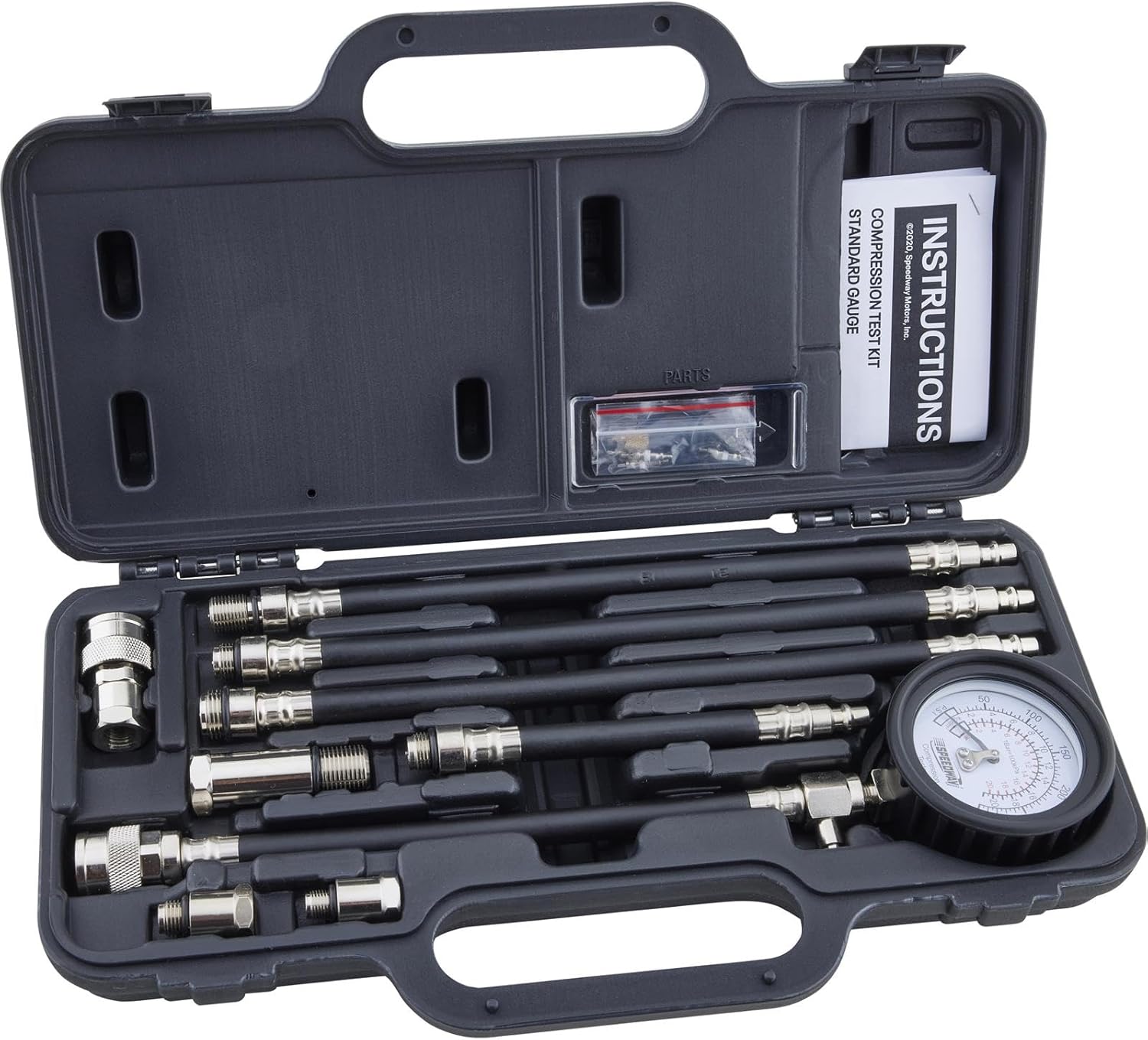
Recommended Tools for This Job


Test the Repair Before Calling It Fixed
Start the engine and let it idle. Listen for vacuum leaks, hissing, or a whistling diaphragm. Recheck the oil cap and dipstick behavior. The crankcase should now show less puffing and, on many engines, a slight inward pull at the oil fill opening.
- Make sure idle quality is normal
- Check for check engine lights or pending lean codes
- Inspect repaired hose connections for collapse or oil seepage
- Drive the vehicle, then recheck around seals and the dipstick tube
- Confirm the old leak source is no longer actively pushing oil out
Remember that old oil residue can drip for a while after the root cause is fixed. Clean the affected area first so you can tell the difference between leftover mess and a continuing leak.
What to Do if Pressure Is Still High After PCV Repairs
If you replaced the ventilation parts, confirmed hose routing, and the crankcase still shows strong pressure, the engine may have excessive blow-by. That means combustion gases are getting past the rings faster than the PCV system can evacuate them.
Run Deeper Tests
- Perform a compression test to compare cylinder sealing
- Do a leak-down test for a more accurate picture of ring and valve condition
- Check for heavy exhaust smoke or high oil consumption
- Scan for misfire codes that may point to cylinder damage
- Inspect spark plugs for oil fouling
Consider Engine Condition and Mileage
On a high-mileage engine, some mild blow-by is normal, but strong crankcase pressure is not. If compression is low across multiple cylinders or one cylinder is much worse than the rest, the repair may move from ventilation service to internal engine work.
If pressure is severe enough to keep blowing out seals, a stopgap gasket replacement will not last. The root problem must be corrected first.
Mistakes to Avoid During This Repair
- Do not assume every oil leak means a bad gasket when crankcase pressure may be forcing oil out.
- Do not clean delicate diaphragm-style PCV units with harsh solvent unless the part is serviceable.
- Do not swap hose routing based on guesswork; take photos before disassembly.
- Do not use a random fuel or vacuum hose where an oil-resistant breather hose is required.
- Do not ignore sludge, because a new PCV valve alone may not restore flow.
- Do not keep driving if the dipstick is blowing out or seals are failing rapidly.
When to Call a Mechanic
Call a professional if the PCV system appears intact but the engine still builds pressure, especially if you also have low power, high oil consumption, smoke, or compression problems. Turbocharged engines with complex pressure-control plumbing also benefit from expert diagnosis because one failed check valve or restricted line can be hard to trace.
You should also consider a shop if the vehicle has repeated rear main seal or front crank seal failures. Replacing those seals without solving the pressure source can waste a lot of money.
Key Takeaways
- Start by inspecting the PCV valve, breather hoses, and valve cover passages, because those are the most common causes of excessive crankcase pressure.
- Replace aged hoses, grommets, and clogged ventilation parts together so one leftover restriction does not keep pressure high.
- Verify the repair by checking for reduced puffing at the oil fill, stable dipstick seating, and no fresh oil being pushed past seals.
- If pressure remains after ventilation repairs, perform compression or leak-down testing because worn rings or cylinder damage may be the real cause.
FAQ
Can I Drive with Excessive Crankcase Pressure?
It is risky to keep driving because pressure can force oil past seals and gaskets, create major leaks, and contaminate the intake system. Short trips for diagnosis may be possible, but repeated driving can turn a small issue into a costly one.
Will a Bad PCV Valve Really Cause Oil Leaks?
Yes. A stuck or restricted PCV valve can let pressure build inside the engine, which then pushes oil out through weak gasket and seal points. It is a common root cause of sudden oil seepage from multiple areas.
How Do I Know if the Problem Is PCV-related or Worn Piston Rings?
If replacing or clearing the PCV system restores slight crankcase vacuum and stops the pressure signs, the issue was likely ventilation-related. If pressure remains high and compression or leak-down results are poor, worn rings or other internal engine wear are more likely.
Why Is My Dipstick Popping Out?
A dipstick that lifts or pops out usually means crankcase pressure is exceeding what the tube seal can hold. The usual causes are blocked PCV flow, severe blow-by, or in some cases a frozen or collapsed breather line.
Can Excessive Crankcase Pressure Cause a Check Engine Light?
Yes. It can contribute to vacuum leaks, mixture issues, idle problems, and oil contamination in the intake. Depending on the engine, you may see lean codes, misfire codes, or PCV-related fault codes.
Do Turbo Engines Have Different Crankcase Pressure Problems?
Often yes. Turbo engines may use multiple check valves and separate vent paths for idle and boost. A failure in that system can cause pressure under load even if idle behavior seems normal.
Should I Just Replace the Leaking Seals First?
Not unless you already fixed the pressure problem. If crankcase pressure is the root cause, new seals may fail again quickly. Diagnose and repair the ventilation issue first, then clean and monitor for any leaks that remain.
Need Parts for This Repair?
The right parts and supplies vary by vehicle.
Select your make and model to find compatible parts and accessories for your car.
Exact Fit
Parts that fit your make and model
Quality You Can Trust
Top brands and OEM quality options
Fast Shipping
Get the parts you need, delivered fast