

Note: This article contains affiliate links. If you click on these links and make a purchase, I may earn a small commission at no extra cost to you. This helps support my research and content. Read my full affiliate disclosure here.
Repair Snapshot
Use a mechanic if the leak is hard to isolate, the vehicle goes into limp mode, or the repair involves hard-to-reach turbo plumbing, smoke testing, or tuning-related drivability issues.
This article is part of our Engine Maintenance & Repair Guides.
A boost leak happens when pressurized air escapes somewhere between the turbocharger and the engine, which reduces power, hurts fuel economy, and can trigger check engine lights or limp mode. The good news is that many boost leaks come from split hoses, loose clamps, cracked vacuum lines, or leaking couplers that a careful DIYer can find and repair.
On a turbocharged vehicle, the intake system depends on sealed piping, intercooler connections, and control hoses to deliver the right amount of compressed air. Even a small leak can cause slow acceleration, lower-than-normal boost, hissing sounds, rough running, or fuel trim codes. Finding the exact leak matters, because replacing random parts usually wastes time and money.
This guide walks you through the most effective way to inspect, test, and fix a boost leak at home, including common trouble spots, a basic pressure-test method, and post-repair checks to make sure the system is sealed again.
Signs You May Have a Boost Leak
A boost leak does not always show up as an obvious broken hose. Sometimes the leak is small enough that the engine still runs, but performance drops and the turbo has to work harder to hit target boost. The symptoms often overlap with faulty diverter valves, wastegate problems, bad PCV components, or MAF-related issues, so you want to confirm the leak before replacing parts.
- Noticeably reduced acceleration, especially under moderate or heavy throttle.
- Lower boost readings than normal on the factory gauge or aftermarket boost gauge.
- A hissing or whooshing sound during acceleration.
- Check engine light with lean, rich, underboost, or fuel-trim-related trouble codes.
- Rough idle or stalling if the leak affects vacuum at idle.
- Poor fuel economy or a sluggish throttle response.
If the problem only appears under boost, focus first on charge pipes, intercooler couplers, the throttle body connection, and boost control plumbing. If the engine also idles poorly, include vacuum hoses, the intake tract before the turbo, and the PCV system in your inspection.
Common Places Boost Leaks Happen
Most leaks happen at connection points or in rubber and plastic parts that see heat, oil vapor, and pressure cycling. Turbocharged engines often develop weak spots where hoses soften, clamps loosen, or plastic end tanks crack.
- Intercooler couplers and hose clamps.
- Charge pipes between the turbo, intercooler, and throttle body.
- Cracked plastic intercooler end tanks or damaged intercooler cores.
- Vacuum lines for boost control solenoids, wastegates, or diverter valves.
- PCV hoses, fittings, and the PCV valve itself.
- Throttle body gasket or intake manifold connections.
- Diverter valve or blow-off valve seals.
- Loose fittings added for boost gauges or aftermarket tuning hardware.
On modified vehicles, check any aftermarket couplers, T-bolt clamps, manual boost controllers, and non-factory piping first. Custom setups often leak at joints that were not aligned well or were overtightened and cut into the coupler.
Safety and Prep Before You Start
Work on a cool engine whenever possible. Turbo plumbing and heat shields can stay hot long after the engine is shut off. If you will be pressurizing the intake system, use moderate test pressure only. Too much air pressure can pop hoses off, damage sensors, or create new leaks.
- Park on a flat surface and set the parking brake.
- Let the engine cool fully before touching turbo or intercooler piping.
- Wear safety glasses when using compressed air.
- Use low pressure for testing, usually around 5 to 15 psi depending on the system.
- Do not exceed typical operating pressure for your setup, and stay conservative on stock vehicles.
- Keep hands, clothing, and tools clear of the accessory belt and cooling fan if checking with the engine running.
If you are unsure what pressure your system can safely handle during a static leak test, stay on the low end and consult service information or model-specific forums from reputable sources. For most DIY checks, you are looking for leaks, not trying to recreate maximum boost.
Start With a Visual Inspection
Inspect the Intake and Charge Piping
Begin with a bright flashlight and follow the air path from the intake to the turbo, through the intercooler, and up to the throttle body. Look for oily residue around couplers, since escaping boost often carries a light film of oil mist. A dirty ring around a hose connection can point directly to the leak.
- Check every visible hose clamp for looseness, misalignment, or stripped hardware.
- Inspect rubber and silicone couplers for splits, ballooning, dry rot, or tears near the clamp edge.
- Look for pipes that have slipped out of a coupler or are not fully seated.
- Check plastic charge pipes for hairline cracks, especially near mounting points and bends.
- Inspect intercooler end tanks and seam areas for impact damage or oil staining.
Check Vacuum and Control Hoses
Small vacuum lines can create big drivability issues. Gently flex each hose and inspect the underside where cracks are easy to miss. Pay close attention to elbows, tees, and short connecting sections near hot components.
If you find a line that is brittle, oil-soaked, swollen, or collapsing, replace it rather than trying to patch it. Vacuum hose is inexpensive, and old hose often fails again shortly after a temporary fix.
Tools That Make This Job Easier

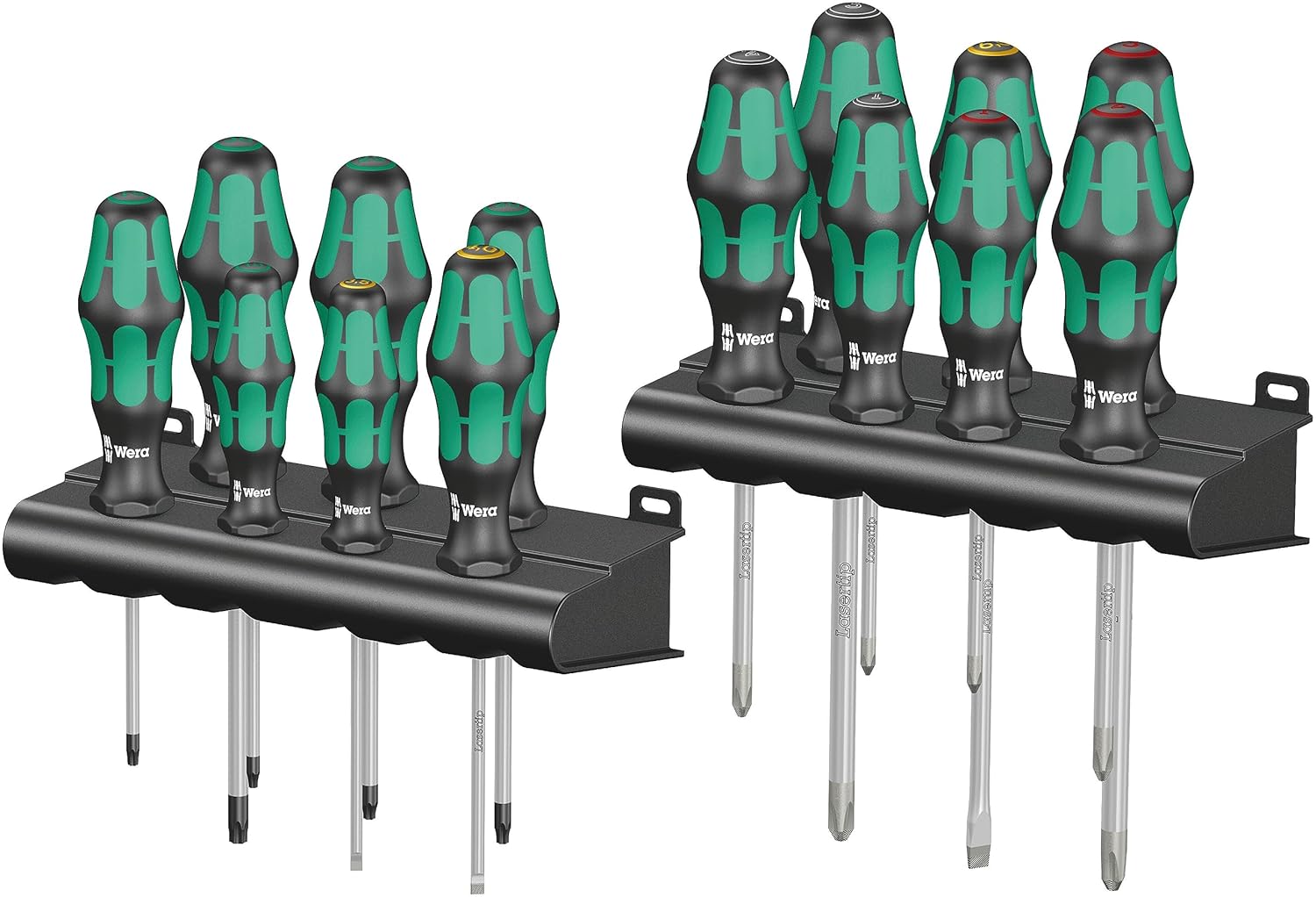
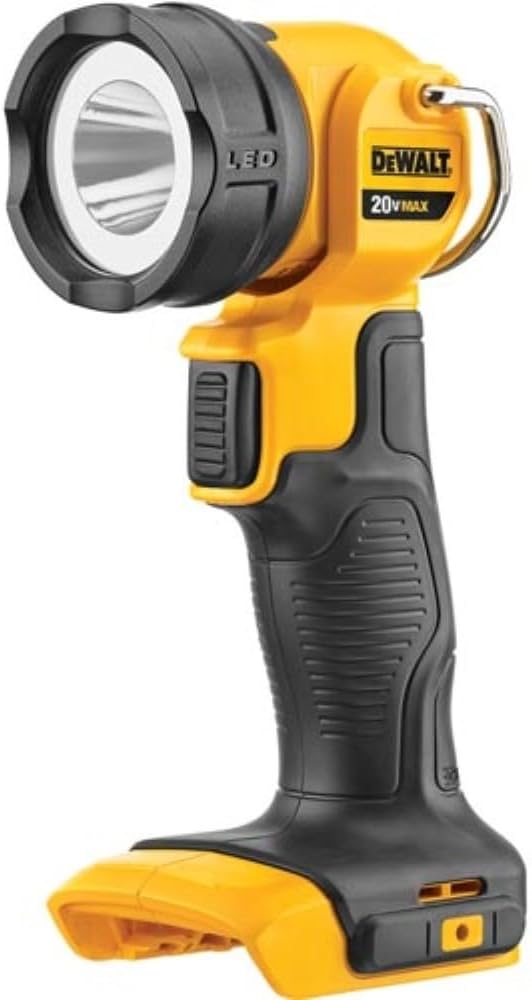
Listen for the Leak With the Engine Running
Some leaks can be found without a pressure tester. Start the engine and listen around the intake tract for a steady hiss. A helper can gently rev the engine while the vehicle is in park, but remember that many boost leaks only open under actual load and pressure, so this method is limited.
If the leak affects vacuum at idle, spray a light mist of soapy water on suspected connection points and watch for bubbling, or use a length of hose as a listening tube to isolate a hiss. Do not spray large amounts of liquid near electrical connectors or directly into the intake.
This step is mainly a quick check. If you do not find anything obvious, move to a proper boost leak or intake pressure test.
How to Pressure Test for a Boost Leak
A pressure test is the fastest way to confirm and pinpoint most boost leaks. You attach a boost leak tester to the intake side of the turbo system, then feed in regulated compressed air while the engine is off. As the system fills, leaking air escapes from the failed hose, gasket, valve, or fitting.
Set Up the Test
- Remove the intake pipe at the turbo inlet or another appropriate connection point for your tester.
- Install the boost leak tester securely and tighten it enough to prevent the tester itself from leaking.
- If needed, cap open breather lines or known system openings according to your vehicle layout.
- Set your air compressor regulator low before connecting air, usually around 5 psi to start.
- Slowly introduce air and listen for leaks.
Find the Leak
Move methodically from the turbo outlet to the throttle body and then to related vacuum and PCV lines. Spray soapy water on couplers, seams, fittings, and gasket areas. Escaping air will create bubbles or foam. Large leaks are often audible immediately, while smaller ones may only show up once the system has had a few seconds to stabilize.
- A loud hiss at a coupler usually means a loose clamp, torn hose, or pipe that is not seated.
- Bubbling around a plastic seam may indicate a cracked charge pipe or intercooler tank.
- Air from a vacuum hose connection points to a split hose, failed tee, or loose fitment.
- Repeated leakage around a valve housing may mean the diverter valve, blow-off valve, or PCV assembly needs replacement.
Some air escaping through the crankcase ventilation path can be normal depending on the engine design. What you are looking for is a clear, unintended leak path. If you are unsure whether a certain sound is normal, compare the suspect area with service information specific to your engine.
How to Fix the Most Common Boost Leak Problems
Loose Clamps or Couplers
If a coupler has simply worked loose, remove it, inspect it for tearing, clean any oil from the mating surfaces, and reinstall it fully seated. Tighten the clamp evenly and make sure it sits behind the bead or raised lip on the pipe. Over-tightening can cut into the coupler or distort thinner metal piping, so snug and even is better than extreme force.
Split Rubber or Silicone Hoses
Replace the damaged hose or coupler instead of taping it. Temporary repairs rarely hold once the turbo builds pressure again. Match the inside diameter, length, bend angle, and temperature rating as closely as possible. If the old hose was soaked in oil, inspect nearby PCV or turbo seals too, since excess oil contamination can shorten hose life.
Cracked Plastic Charge Pipes or Intercooler Parts
Replace cracked plastic piping, damaged end tanks, or broken quick-connect fittings. Epoxy patches may work for a very short time but are not considered a dependable repair on pressurized intake components. If a retaining clip or O-ring style connection is leaking, replace the seal and inspect the groove and mating surface for wear.
Vacuum Hose and Boost Control Leaks
Cut new vacuum hose to the same length as the original and route it away from sharp edges and hot exhaust parts. Replace brittle tees and connectors at the same time. If the vehicle uses a boost control solenoid and the hose routing is incorrect, verify the hose layout before driving, because crossed lines can create overboost or underboost conditions.
PCV, Diverter Valve, or Throttle Body Gasket Leaks
When the leak traces to a component rather than a simple hose connection, replace the failed part or gasket. Use a fresh gasket where required and torque fasteners evenly. On throttle body connections, clean the mounting surface carefully and do not overtighten small bolts into aluminum or plastic housings.
Recommended Tools for This Job



Recheck the System Before Reassembly
After making the repair, run the pressure test again before buttoning everything up. This step catches leaks that were masked by the larger one you just fixed. It also confirms that the replacement hose, clamp, or gasket is sealing correctly.
- Repeat the pressure test at the same low pressure used during diagnosis.
- Spray soapy water on the repaired area and adjacent joints.
- Verify that the system holds pressure better than before and that no new hissing is present.
- Reinstall any intake tubing, covers, and clamps you removed for access.
- Double-check electrical connectors and vacuum hose routing before starting the engine.
If the system still leaks but the source is unclear, take a short break and inspect again from the beginning. Rushing usually leads to missed couplers or clamp positioning errors.
Road Test and Scan for Codes
Once the system is reassembled, clear any stored trouble codes with a scan tool if appropriate, then perform a careful road test. Let the engine warm up fully and ease into throttle rather than immediately doing a full-boost pull.
- Check for normal throttle response and smoother acceleration.
- Listen for the return of hissing, fluttering, or whooshing sounds.
- Monitor boost if your vehicle has a gauge or if scan data is available.
- Watch for check engine light reappearance, limp mode, or rough idle.
- Reinspect repaired couplers and clamps after the drive in case one shifted under load.
If boost is still low but no leak is found, the issue may be related to the wastegate, boost control solenoid, diverter valve operation, turbocharger condition, MAF sensor readings, or tuning. At that point, diagnosis becomes more system-specific.
Mistakes to Avoid
Boost leak repairs are usually straightforward, but a few common mistakes can create repeat problems or hide the real fault.
- Do not replace random parts without testing, especially expensive turbo components.
- Do not ignore oil residue on piping; it often helps locate the leak.
- Do not overtighten clamps to the point of cutting a coupler or cracking plastic.
- Do not use excessive air pressure during a leak test.
- Do not leave old brittle vacuum lines in place when one section has already failed.
- Do not assume every underboost code is a bad turbo; leaks are much more common.
When to Call a Mechanic
Call a professional if the leak appears to be inside a hard-to-access area, the intercooler or turbo plumbing requires major disassembly, or the car is heavily modified and may need smoke testing or tuning verification. A shop can also help if your vehicle repeatedly throws underboost or fuel-trim codes after obvious leaks are repaired.
You should also stop driving the vehicle and get expert help if it surges badly, enters limp mode frequently, smokes heavily, or shows signs of an overboost condition. Those symptoms can point to control issues beyond a simple hose leak.
Key Takeaways
- Start with a careful visual inspection of couplers, clamps, charge pipes, and vacuum lines before buying parts.
- Use a low-pressure boost leak test with soapy water to pinpoint most leaks quickly and safely.
- Replace split hoses, cracked plastic piping, and failed gaskets instead of relying on temporary patches.
- Re-test the system after the repair and road test the car to confirm boost and drivability are back to normal.
- If low boost remains with no visible leak, move on to professional diagnosis of control valves, wastegate operation, or turbo issues.
FAQ
Can I Drive with a Boost Leak?
A small boost leak may still let the car run, but it can reduce power, hurt fuel economy, and make the turbo work harder. A larger leak can cause limp mode, poor drivability, or abnormal air-fuel behavior, so it is best to repair it soon.
What Does a Boost Leak Sound Like?
Many boost leaks make a hissing, whooshing, or rushing-air sound during acceleration. Some are only audible when the engine is under load, which is why a pressure test is usually more reliable than listening alone.
Will a Boost Leak Cause a Check Engine Light?
Yes. Depending on the engine and leak size, it can trigger underboost, lean mixture, rich mixture, or fuel-trim-related trouble codes. Not every boost leak sets a code right away, especially if it is small.
How Much Pressure Should I Use for a Boost Leak Test?
For most DIY checks, start low, often around 5 psi, and only increase modestly if needed. The goal is to find leaks safely, not to match maximum boost. Avoid excessive pressure that could damage hoses or sensors.
Can a Bad PCV Valve Cause What Feels Like a Boost Leak?
Yes. A failed PCV valve or cracked PCV hose can let pressurized air escape or create vacuum-related drivability issues. On some turbo engines, PCV faults are a very common source of repeat boost leak symptoms.
Do I Need a Special Tool to Find a Boost Leak?
A proper boost leak tester or intake pressure tester makes the job much easier and more accurate. While you may spot obvious leaks with a flashlight and your ears, pressure testing is the best DIY method for finding small or hidden leaks.
Why Did My New Coupler Start Leaking Again?
The pipe may not be fully seated, the clamp may be positioned wrong, the mating surface may be oily, or the coupler size may not match correctly. Recheck alignment, clean the surfaces, and make sure the clamp is behind the bead on the pipe.
Need Parts for This Repair?
The right parts and supplies vary by vehicle.
Select your make and model to find compatible parts and accessories for your car.
Exact Fit
Parts that fit your make and model
Quality You Can Trust
Top brands and OEM quality options
Fast Shipping
Get the parts you need, delivered fast