

Note: This article contains affiliate links. If you click on these links and make a purchase, I may earn a small commission at no extra cost to you. This helps support my research and content. Read my full affiliate disclosure here.
What You’ll Need
A quick look at the tools and supplies commonly used for this job.
Tools
- Flashlight
- Screwdriver or nut driver set
- Work gloves
- Clean shop rag
Parts & Supplies
- Replacement engine air filter
- Mild vacuum or compressed air for cleaning the air box only
This article is part of our Engine Maintenance & Repair Guides.
A dirty engine air filter can quietly rob your car of airflow, fuel efficiency, and smooth performance long before it becomes an obvious problem.
The good news is that checking it is usually quick, inexpensive, and well within the ability of most DIY car owners. In many vehicles, you can inspect the filter in just a few minutes with basic hand tools or no tools at all.
This guide walks you through the most reliable ways to tell whether your engine air filter is dirty, what symptoms matter, how to inspect it correctly, and when replacement is the smarter move than cleaning.
What the Engine Air Filter Does
Your engine needs a steady supply of clean air for proper combustion. The engine air filter traps dust, sand, leaves, bugs, and road debris before they enter the intake tract and cylinders. When the filter becomes clogged, the engine may have to work harder to pull in air, especially during acceleration or under load.
On many modern vehicles, the engine control system can compensate for moderate restriction, so a dirty filter may not cause dramatic symptoms right away. That is why visual inspection and a few practical checks are more reliable than waiting for a severe drivability problem.
Common Signs Your Engine Air Filter May Be Dirty
A dirty air filter usually causes gradual changes rather than sudden failure. Watch for a pattern instead of relying on one symptom alone.
- Reduced fuel economy without another obvious cause.
- Slower throttle response or weaker acceleration.
- The engine feeling slightly sluggish at higher RPM.
- A darker-than-normal filter surface packed with dust, bugs, or debris.
- A musty or dusty smell from the intake area when the hood is open.
- More intake noise than usual on hard acceleration in some vehicles.
- A maintenance reminder or inspection interval that has already been exceeded.
A dirty filter alone does not always trigger a check engine light. If the vehicle runs very poorly, stalls, or has a flashing check engine light, you may be dealing with a different issue such as a sensor problem, ignition misfire, fuel delivery issue, or intake duct leak.
Tools and Safety Before You Inspect It
You usually only need a flashlight and whatever tool opens the air filter housing. Some air boxes use clips, while others use screws or small bolts.
- Park on a level surface and shut the engine off.
- Let hot engine components cool if you were just driving.
- Do not allow dirt to fall into the open air box or intake tube.
- Do not drive with the filter removed for testing.
- If your vehicle uses a mass airflow sensor near the air box, avoid touching or contaminating it.
How to Locate and Access the Engine Air Filter
The engine air filter is usually inside a black plastic air box in the engine bay. Look for a large intake tube running from the box toward the throttle body or intake manifold. On some vehicles, the box sits near a fender; on others, it is centered closer to the radiator support.
Release the retaining clips or remove the fasteners, then lift the cover carefully. Note how the filter is seated before removing it. This helps you reinstall the new one correctly and makes it easier to spot gaps, warping, or signs that the old filter was not sealing well.
Visual Inspection: the Fastest and Most Important Check
What a Healthy Filter Looks Like
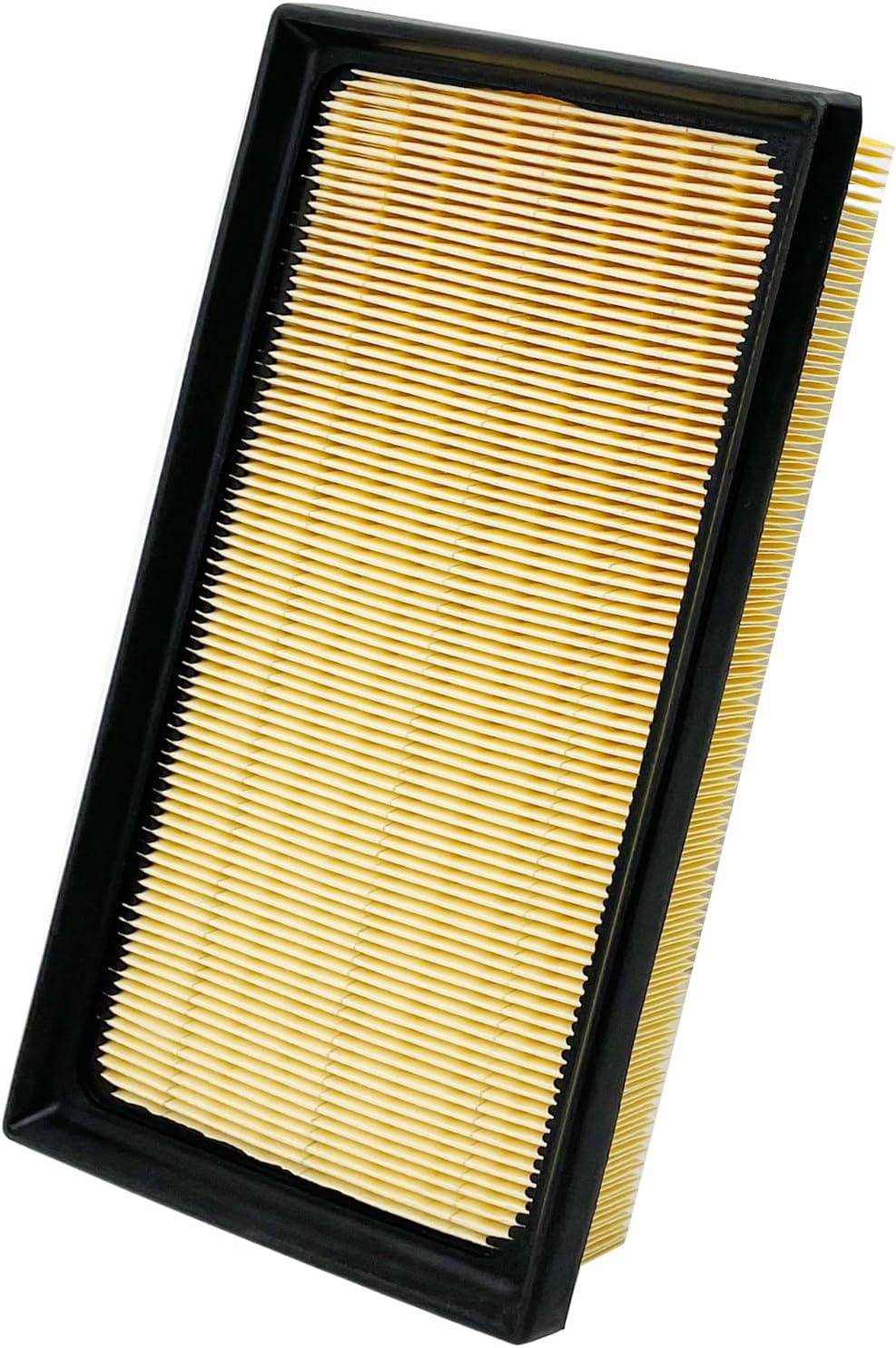
A usable filter should have pleats that are clearly defined, relatively uniform, and not packed shut with dirt. Some light discoloration is normal. A slightly gray or tan appearance does not automatically mean the filter is bad.
What a Dirty Filter Looks Like
A dirty filter often appears dark gray or black across large areas, with debris embedded deep in the pleats. If you see leaves, bugs, sand, or heavy dust caked into the folds, airflow is likely restricted. If the pleats are distorted, wet, oily, torn, or collapsing, replace the filter regardless of mileage.
Check the Sealing Edge and Air Box
Inspect the rubber or foam sealing edge around the filter. If it is cracked, flattened, or not seating squarely, dirty air may bypass the filter. Also look inside the lower air box for excessive dust buildup, standing water, rodent nesting material, or debris that could point to a larger intake system problem.
Tools That Make This Job Easier


Simple Hands-on Checks That Help Confirm Restriction
Light Test
Hold the filter up toward a bright light. On many panel filters, you should still be able to see some light through portions of the paper media. If almost no light passes through and the pleats look packed solid, the filter is likely near the end of its useful life.
Tap Test
Gently tap the filter with the dirty side down over a trash can. If a large amount of dust and debris falls out immediately, that is a strong sign the filter is loaded. Do not beat it against hard surfaces or use aggressive compressed air on paper filters, which can tear the media.
Pleat Inspection
Spread a few pleats carefully and look inside. Surface dust is one thing; densely impacted dirt deep in the folds is another. If the pleats are filled to the point that the paper texture is barely visible, replacement is usually justified.
Vehicle Behavior Checks You Can Use with the Inspection
Because air filter problems often develop gradually, pairing the visual inspection with real-world behavior gives you a more confident diagnosis.
- Compare current fuel economy to your normal average over the last few tanks.
- Notice whether the engine feels more strained during uphill driving or hard acceleration.
- Listen for unusual intake sounds that were not present before.
- Pay attention to whether the vehicle seems slow to respond when you first press the throttle.
- Check your maintenance records to see if the filter is well past the recommended interval.
If the filter looks heavily contaminated and you are also seeing worse fuel economy or reduced responsiveness, the diagnosis is much stronger than appearance alone.
When the Filter Is Dirty Versus when Another Problem Is Causing the Symptoms
A dirty engine air filter can contribute to sluggish performance, but it is rarely the only cause of severe drivability issues. If your symptoms seem extreme, rule out other common faults before assuming the filter is the whole problem.
- A check engine light with lean or airflow-related codes may also involve a vacuum leak, damaged intake duct, or mass airflow sensor issue.
- Rough idle and misfires are more often caused by ignition, fuel, or sensor problems than by the air filter alone.
- Black smoke, strong fuel smell, or very poor running can point to fuel control problems rather than simple airflow restriction.
- Whistling or hissing from the intake area may indicate a cracked intake tube or loose air box seal.
- Oil contamination in the filter can suggest crankcase ventilation issues or over-oiled aftermarket filter problems.
In other words, a dirty filter is usually a maintenance issue, not a dramatic failure point. If replacing it does not improve symptoms, continue diagnosis elsewhere in the intake, fuel, ignition, or emissions systems.
How Dirty Is Too Dirty
Replace the filter if any of these conditions are present: heavy dust loading across most of the pleats, visible debris packed into the media, water damage, oil saturation, tearing, collapsed pleats, damaged sealing surfaces, or obvious restriction in the light test.
Even if the filter does not look terrible, replacement is a smart move when it is far past the recommended interval or the vehicle has been driven in dusty conditions, on gravel roads, in desert climates, or through areas with heavy pollen and debris.
If the filter only has light surface dust, the pleats remain open, and the maintenance interval is not yet close, it may still be serviceable. The key is whether contamination is superficial or deeply embedded.
Recommended Tools for This Job


Can You Clean It or Should You Replace It
For most standard paper engine air filters, replacement is the correct fix. Blowing out a paper filter with compressed air can damage the media or create tiny tears that let dirt pass through. Shaking or lightly tapping loose debris off is acceptable for inspection, but it is not a long-term repair.
If your vehicle uses a reusable performance filter, follow the manufacturer’s exact cleaning and re-oiling procedure. Too much oil can contaminate the mass airflow sensor, and improper cleaning can reduce filtration quality.
No matter what type of filter you use, clean the air box gently before installing the filter. Wipe out loose dirt with a rag or use mild vacuum suction on the box only. Keep debris out of the intake tube.
How to Replace the Filter Correctly After Diagnosis
- Remove the old filter and note its orientation.
- Wipe or vacuum loose dirt from the air box without pushing debris into the intake.
- Inspect the housing for cracks, warped edges, or damaged clips.
- Install the new filter fully seated in the lower box.
- Reattach the cover evenly so the seal is tight on all sides.
- Confirm that any intake hose, clamp, or resonator connection you disturbed is secure.
A poorly seated new filter can be almost as problematic as a dirty old one because unfiltered air may bypass the sealing edge. Take a moment to verify the air box closes flush and the gasket is not pinched.
Typical Replacement Intervals and Driving Conditions That Shorten Filter Life
Many vehicles call for engine air filter inspection or replacement roughly every 15,000 to 30,000 miles, but the correct interval depends heavily on driving conditions. Always check your owner’s manual first.
- Dusty roads and construction zones load filters much faster.
- Rural, agricultural, and desert driving can shorten service life significantly.
- Frequent stop-and-go driving in dirty urban air may accelerate contamination.
- Heavy leaf litter, insects, and seasonal pollen can clog pleats more quickly.
- Long intervals between inspections increase the chance of missing a filter that is already restricted.
If you drive in harsh conditions, inspect the filter more often than the standard schedule. A quick visual check every oil change is a practical habit.
What to Expect After Replacing a Dirty Engine Air Filter
If the old filter was truly restricted, you may notice slightly better throttle response, smoother acceleration, and a modest improvement in fuel economy over the next few tanks. On some vehicles, the change is subtle rather than dramatic.
If nothing changes, that does not necessarily mean the new filter was unnecessary. It may simply mean the old filter had not reached the point of causing noticeable symptoms yet. It can also mean the issue you are chasing lies elsewhere.
When to Look Deeper or Get Additional Help
Consider broader diagnosis if the air filter looks acceptable but the vehicle still has performance problems, poor fuel economy, or warning lights. Intake leaks, a contaminated mass airflow sensor, a stuck throttle body, fuel delivery issues, or ignition faults can produce similar complaints.
You should also investigate further if you repeatedly find the filter wet, oily, or unusually dirty in a short time. That can indicate water intrusion, a damaged air box, missing ducting, rodent activity, or an engine breathing problem that needs correction.
Key Takeaways
- The fastest way to diagnose a dirty engine air filter is to remove it and inspect the pleats for deep dust loading, debris, damage, or poor light pass-through.
- Mild discoloration is normal, but a filter that is packed, torn, wet, oily, or collapsing should be replaced rather than cleaned.
- Pair the visual inspection with symptoms like reduced fuel economy and sluggish acceleration to confirm the filter is affecting performance.
- Most paper filters should be replaced, not blown out with high-pressure air, because damaged media can let dirt reach the engine.
- If replacing the filter does not help and symptoms are severe, check for intake leaks, sensor issues, ignition faults, or fuel problems.
FAQ
How Often Should I Check My Engine Air Filter?
A good rule is to inspect it at every oil change, especially if you drive in dusty conditions. Many vehicles need replacement somewhere around 15,000 to 30,000 miles, but your owner’s manual should be the final guide.
Will a Dirty Engine Air Filter Always Cause a Check Engine Light?
No. A dirty filter often causes mild or gradual symptoms and may not trigger a warning light. A check engine light usually suggests the computer has detected a problem that may involve sensors, airflow readings, fuel control, or another system.
Can a Dirty Engine Air Filter Reduce Gas Mileage?
Yes, it can contribute to reduced fuel economy by restricting airflow and affecting engine efficiency. The drop is often modest, but it can become noticeable if the filter is heavily clogged.
Is It Safe to Clean and Reuse a Paper Engine Air Filter?
Usually no. Standard paper filters are designed to be replaced. Aggressive cleaning can tear the media or reduce filtration. Reusable filters are different, but they must be serviced exactly as their manufacturer recommends.
What Color Should a Normal Engine Air Filter Be?
There is no single correct color because filter materials vary. Light gray, tan, or slightly dusty is often still normal. What matters more is whether the pleats are open and intact rather than heavily packed with dirt.
Can a Dirty Air Filter Cause Rough Idle?
It can contribute in some cases, but rough idle is more commonly caused by spark, fuel, vacuum leak, or sensor issues. If the idle is very unstable, do not assume the air filter is the only problem.
What Happens if I Install the New Air Filter Incorrectly?
If the filter is not seated properly or the air box is not sealed, unfiltered air can bypass the filter and enter the engine. That can increase engine wear and may also create airflow measurement problems on vehicles using a mass airflow sensor.
Need Parts for This Repair?
The right parts and supplies vary by vehicle.
Select your make and model to find compatible parts and accessories for your car.
Exact Fit
Parts that fit your make and model
Quality You Can Trust
Top brands and OEM quality options
Fast Shipping
Get the parts you need, delivered fast