

Note: This article contains affiliate links. If you click on these links and make a purchase, I may earn a small commission at no extra cost to you. This helps support my research and content. Read my full affiliate disclosure here.
What You’ll Need
A quick look at the tools and supplies commonly used for this job.
Tools
- Basic socket and ratchet set
- Screwdrivers
- Flashlight or work light
- OBD-II scan tool
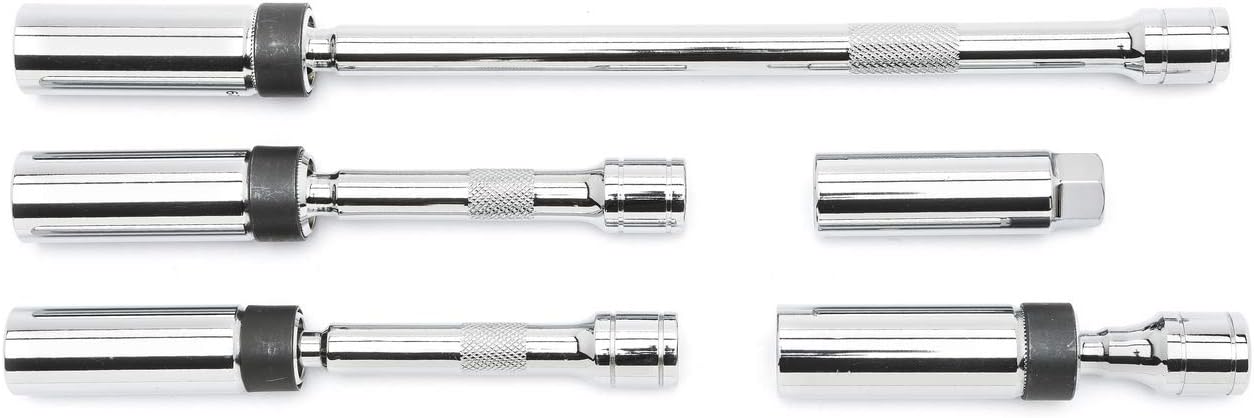
- Spark plug socket
- Compression tester
- Trim tool or pliers for intake clips
- Clean shop towels
- Wet/dry vacuum or small hand pump
- Safety glasses and gloves
Parts & Supplies
- Replacement engine air filter
- Mass air flow sensor cleaner
- Throttle body cleaner
- Dielectric grease
- Anti-seize compound for spark plugs if specified by manufacturer
- Replacement intake duct clamps or clips if damaged
This article is part of our Engine Maintenance & Repair Guides.
Finding water in the air intake can be a minor cleanup job or a sign of a much more serious problem. A little moisture in the air box after heavy rain is one thing, but standing water that reached the throttle body or cylinders can lead to rough running, no-start conditions, or even hydrolock.
The key is to diagnose the path the water took before you try to restart the engine over and over. This guide walks you through a safe, practical process for DIY inspection, from the air filter box to the cylinders, so you can figure out whether the engine simply needs to be dried out or needs deeper mechanical testing.
If the engine stalled after driving through deep water, assume internal engine damage is possible until proven otherwise. That one detail changes how careful you need to be during every step below.
What Water in the Air Intake Usually Means
The intake system is supposed to pull in clean, dry air. Water usually gets in because the vehicle drove through standing water, the air box seal leaked during heavy rain, a snorkel or intake duct came loose, or a low-mounted aftermarket intake pulled in splash water.
Your main job is to answer three questions: How much water got in, how far did it travel, and was the engine turning when it happened? If the water stayed in the air box, the repair may be simple. If it passed the filter and entered the intake manifold or cylinders, you may be dealing with engine damage.
- Moist air filter only usually points to splash intrusion or poor air box sealing.
- Standing water in the bottom of the air box means the intake opening likely ingested more than normal spray.
- Water past the filter suggests the filter was saturated, damaged, bypassed, or overwhelmed.
- An engine that suddenly stopped while in water raises immediate concern for hydrolock.
Safety First Before You Start
Do not keep cranking the engine if you suspect significant water ingestion. Unlike air, water does not compress. If enough enters a cylinder, the piston can bend a connecting rod, damage bearings, crack pistons, or stress the starter and flywheel.
Disconnect the battery if you will be removing sensors, opening electrical connectors, or pulling spark plugs. Let hot engine parts cool before working near the exhaust manifold or throttle body.
Stop and Tow the Vehicle Instead of Continuing If:
- The engine stalled in deep water and will not restart.
- You heard a hard thump, sudden lockup, or unusually slow cranking after water exposure.
- The oil level suddenly rose or the oil looks milky.
- You found obvious standing water in the intake manifold or cylinders.
- The vehicle has repeated misfires after drying the air box and replacing the filter.
Common Symptoms to Notice Before Disassembly
Your symptoms help estimate how far the water traveled. Make notes before you take anything apart, because those clues matter later if the vehicle still runs poorly.
- No-start or very slow cranking after driving through water
- Engine stalled suddenly and would not restart
- Rough idle, hesitation, or misfire after a rainstorm or car wash
- Check engine light with airflow, misfire, or throttle-related codes
- Wet or collapsed air filter
- Splashing or sloshing noises from the air box area
- Reduced acceleration or unusual intake noise
A no-start immediately after a water crossing is much more serious than a rough idle after a storm. A rough-running engine may have a wet filter or contaminated MAF sensor. A hard stall under load is more consistent with actual ingestion into the engine.
Step-by-Step Inspection of the Intake System
Inspect the Air Inlet Opening
Start at the fresh-air inlet, usually behind the grille, fender area, core support, or radiator support. Look for a low-mounted intake opening, missing splash shields, broken ducting, or signs of water paths such as mud, leaves, or a distinct water line.
If the inlet points directly toward wheel splash or sits unusually low, water intrusion is more likely during storms or puddle crossings. Also check whether any aftermarket intake parts changed the factory routing.
Open the Air Filter Box
Remove the air box cover and inspect the filter and lower housing. A lightly damp filter can happen from high humidity or a small leak, but a soaked, deformed, or torn filter means the intake took on a substantial amount of water.
- Check for pooled water in the bottom of the air box.
- Look for dirt tracks above the filter seal that suggest water bypassed the edges.
- Inspect the air box gasket and clips for poor sealing.
- Note whether the filter media is collapsed inward, which can happen after saturation.
Follow the Intake Duct Toward the Throttle Body
Remove the intake tube and inspect inside for droplets, muddy residue, or a water trail. If the tube is wet on the engine side of the air filter, assume water moved beyond the air box. Check resonator chambers as well, because they can trap water that later gets drawn into the engine.
Pay close attention to the MAF sensor and wiring connector if equipped. A wet or contaminated MAF sensor can cause false airflow readings, poor starting, and rough running even after the main water issue is fixed.
Inspect the Throttle Body and Intake Opening
Open the intake path to the throttle body and look for pooled water, staining, or heavy moisture. A few droplets are less alarming than actual standing water. If the throttle body area is wet, the intake manifold may also contain water, especially on engines that stalled during ingestion.
Tools That Make This Job Easier


How to Tell Whether Water Reached the Engine
The big diagnostic decision is whether the water stopped in the intake tract or entered one or more cylinders. You make that call by combining what you see with how the engine behaves.
Signs Water Likely Stayed Outside the Cylinders
- Water is limited to the air box or pre-filter inlet area.
- The engine was not running when water entered.
- The vehicle starts normally after drying the intake and replacing the filter.
- There is no abnormal cranking speed, knocking, or persistent misfire.
Signs Water May Have Entered the Cylinders
- The engine stalled abruptly while driving through water.
- The starter can barely turn the engine or the engine stops suddenly while cranking.
- You hear uneven cranking, metallic noises, or one cylinder seems to bind.
- Spark plugs come out wet with water, not just fuel.
- Water is found in the intake manifold runners or directly at the throttle opening.
If several of those cylinder-ingestion signs are present, move cautiously and do not force the engine to crank against possible hydrolock.
Checking for Hydrolock Without Making Damage Worse
If you suspect water made it into the cylinders, the safest DIY approach is to disable combustion and relieve cylinder pressure before testing. On a gasoline engine, that usually means removing the spark plugs. On diesel engines, diagnosis is more involved and often better handled by a shop because glow plugs, injectors, and high compression increase risk.
Basic Gasoline-engine Check
- Disconnect the battery, then remove the ignition coils and spark plugs.
- Inspect the plugs for obvious water droplets, rust-colored staining, or one unusually clean plug.
- Disable fuel delivery if possible by removing the fuel pump fuse or relay.
- Place towels away from plug holes and crank the engine briefly.
- Watch for water mist or liquid spraying from any cylinder.
If water ejects from a cylinder, stop and continue drying before attempting a normal restart. Crank only in short bursts. Large amounts of water, repeated ejection, or signs of uneven rotation mean professional inspection is the safer next step.
What a Hydrolock Event May Leave Behind
Even if you remove the water and the engine starts, damage may already exist. A slightly bent connecting rod can still allow the engine to run, but compression, smoothness, and long-term durability may suffer. That is why follow-up testing matters after any suspected ingestion event.
Drying and Cleaning the Intake Components
Once you have confirmed the engine is not mechanically locked, dry every part of the intake path before reassembly. Reusing a soaked air filter is not a good idea. Even if it dries, it may remain distorted and restrict airflow.
- Drain and wipe the lower air box completely.
- Vacuum trapped water from resonators or low spots in the ducting.
- Replace the air filter if it is damp, dirty, torn, or misshapen.
- Clean the MAF sensor only with dedicated MAF cleaner.
- Wipe the throttle body inlet and inspect for sludge or residue.
Do not use compressed air aggressively on delicate sensors. Do not spray throttle body cleaner onto a MAF sensor. If connectors got wet, let them dry fully and apply a small amount of dielectric grease to the seal area if appropriate.
Scan for Codes and Watch Live Data
An OBD-II scan tool helps you distinguish a simple wet-intake issue from lingering sensor or combustion problems. Scan before clearing codes so you have a record of what happened.
- Misfire codes such as P0300 through cylinder-specific P030X codes can point to water-affected cylinders or ignition components.
- MAF-related codes may appear if the sensor was contaminated by moisture or debris.
- Throttle body or airflow correlation codes can show up if water affected airflow readings.
- Intake air temperature sensor codes may be present if moisture got into the sensor connector.
After reassembly, look at live data for stable idle speed, reasonable MAF readings, normal fuel trims, and smooth misfire counters. If trims are extremely positive or the engine still misfires, there may still be water in the system or internal damage from ingestion.
Recommended Tools for This Job


Compression Testing After Suspected Water Ingestion
A compression test is one of the best DIY follow-up checks after any possible hydrolock event. You are looking for one cylinder that is much lower than the others, which can suggest a bent rod, valve issue, or other mechanical damage.
When to Run a Compression Test
- The engine stalled in water and later restarted.
- Cranking speed sounded uneven after the event.
- You found water in one or more cylinders.
- The engine now has a persistent misfire or loss of power.
- You want confirmation before putting the vehicle back into normal use.
Compare all cylinder readings rather than focusing only on the highest number. A large spread between cylinders is more useful diagnostically than one absolute reading. If one cylinder is substantially low, further inspection such as a leak-down test or professional internal inspection is warranted.
Checking the Engine Oil and Other Fluids
Water in the intake does not always mean water reached the crankcase, but you should still inspect the engine oil. Pull the dipstick and look for a milky appearance, foaming, or a level that is suddenly above normal. Also inspect under the oil cap, though small amounts of condensation there alone are less conclusive.
If the oil is contaminated, do not keep driving until the cause is confirmed. In a true ingestion event, oil contamination can happen if internal damage occurred or if water sat in the engine for too long. Also check transmission and differential vents if the vehicle was submerged, though that is a separate issue from intake diagnosis.
How to Interpret What You Found
Minor Intrusion with No Engine Damage Likely
If you found light moisture in the air box, no water beyond the filter, no abnormal cranking, and the engine runs normally after drying and replacing the filter, the issue was probably limited to the intake housing. Focus on fixing the leak path, splash shield, or loose ducting so it does not happen again.
Moderate Intrusion That Needs Follow-up
If water made it past the filter and into the ducting or throttle body, but the engine still starts and runs, you still need to scan for codes, inspect plugs, and strongly consider compression testing. This is the gray zone where the engine may survive unharmed, but you should not assume it did.
Severe Intrusion with Likely Internal Damage
If the engine stalled in water, cranked slowly or locked, expelled water from cylinders, or now has low compression in one or more cylinders, internal damage is likely. At that point, further DIY cranking can make things worse. A professional diagnosis is the smart move.
What to Repair Before the Vehicle Goes Back on the Road
Even after the engine seems fine, fix the root cause that allowed water in. Otherwise the same problem can return the next time you hit standing water or heavy rain.
- Replace the air filter and any damaged duct seals.
- Repair missing wheel well liners, splash shields, or intake snorkel parts.
- Secure loose air box clips, lids, and clamps.
- Reinstall aftermarket intake parts correctly or consider returning to the factory intake setup if water exposure is frequent.
- Clean or replace a contaminated MAF sensor if problems continue after drying.
When a DIY Diagnosis Should End
DIY inspection is appropriate when you are dealing with a wet air box, a soaked filter, or a possible intake leak after weather exposure. It becomes less appropriate when the engine may have ingested water under load. Internal damage can hide behind what seems like a normal restart.
If compression is uneven, the engine knocks, the starter struggles, the oil shows contamination, or misfires persist after drying and cleaning, stop there. Those are not just intake-cleanup issues anymore.
Key Takeaways
- Do not keep cranking an engine that stalled in water because possible hydrolock can turn a manageable problem into major engine damage.
- Check how far the water traveled by inspecting the air box, intake duct, throttle body, and if needed the spark plugs and cylinders.
- Replace any wet or distorted air filter and dry the full intake path before judging whether the engine runs normally.
- Use a scan tool and compression test after suspected ingestion because an engine can restart and still have hidden internal damage.
- If you find water in cylinders, abnormal cranking, low compression, or contaminated oil, move to professional inspection instead of more trial-and-error starting.
FAQ
Can a Wet Air Filter Alone Cause Rough Running?
Yes. A saturated air filter can restrict airflow enough to cause hesitation, poor throttle response, rich running, and sometimes a check engine light. Replace it rather than trying to reuse it.
How Do I Know if My Engine Is Hydrolocked?
Common signs include an engine that stopped abruptly in water, very slow or stuck cranking afterward, or water being expelled from a cylinder after spark plugs are removed. Any of those signs mean you should stop cranking and inspect carefully.
Is a Little Water in the Air Box Always a Big Problem?
No. Small amounts of moisture in the air box can come from heavy rain, splash, or a minor sealing issue. It becomes more serious when water gets past the filter, the engine runs poorly, or the engine stalled during water exposure.
Should I Replace the MAF Sensor if It Got Wet?
Not automatically. First inspect and clean it only with MAF sensor cleaner, let it dry fully, and then retest. Replace it only if readings remain faulty or codes return after the intake is dry.
Can the Engine Still Be Damaged Even if It Restarted Later?
Yes. A mild hydrolock event can bend a connecting rod just enough for the engine to keep running while causing low compression, misfires, vibration, or long-term wear. That is why compression testing is important.
Do I Need an Oil Change After Water Got Into the Air Intake?
Not always, but you should inspect the oil. If the engine never ingested water and the oil looks normal, an immediate oil change may not be necessary. If there is any sign of contamination, change the oil and investigate further.
What Usually Causes Water to Enter the Intake During Normal Rain?
Common causes include a missing splash shield, cracked or loose intake ducting, poor air box sealing, clogged drains around the cowl area, or a low-mounted aftermarket intake that is more exposed to splash.
Need Parts for This Repair?
The right parts and supplies vary by vehicle.
Select your make and model to find compatible parts and accessories for your car.
Exact Fit
Parts that fit your make and model
Quality You Can Trust
Top brands and OEM quality options
Fast Shipping
Get the parts you need, delivered fast