

Note: This article contains affiliate links. If you click on these links and make a purchase, I may earn a small commission at no extra cost to you. This helps support my research and content. Read my full affiliate disclosure here.
What You’ll Need
A quick look at the tools and supplies commonly used for this job.
Tools
- OBD2 scan tool
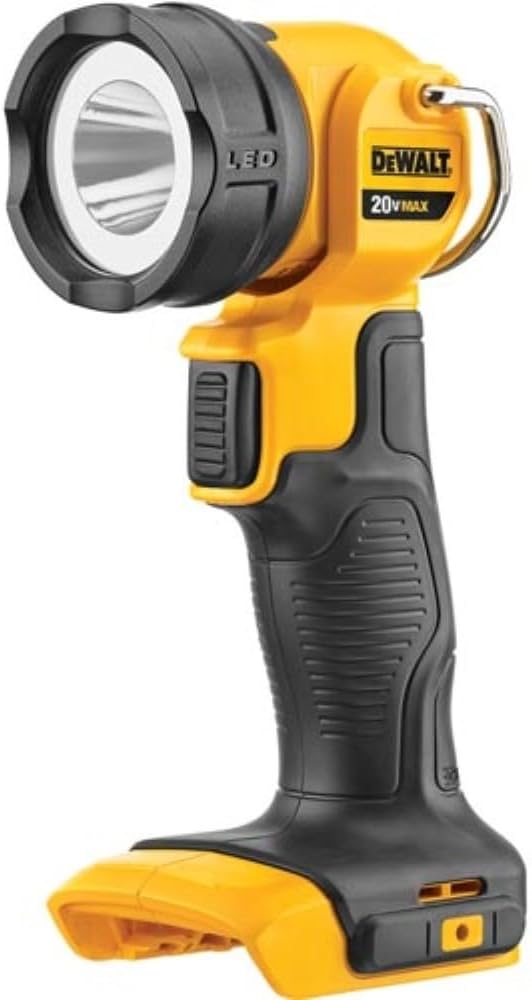
- Flashlight or inspection light
- Mechanic’s mirror
- Work gloves
- Basic socket and screwdriver set
- Boost gauge or scan tool with live data
- Hand vacuum pump
- Smoke tester or boost leak tester
- Clean rags
Parts & Supplies
- Engine oil
- Oil filter
- Air filter
- Replacement vacuum hose
- Hose clamps
- Intake cleaner safe for sensors
This article is part of our Engine Maintenance & Repair Guides.
Turbocharger problems can feel dramatic: weak acceleration, smoke, whining noises, or a sudden check engine light. But a bad turbo is not always the real failure. Leaking charge pipes, stuck wastegates, vacuum issues, dirty sensors, restricted oil supply, and even a clogged air filter can create the same symptoms.
A smart diagnosis starts with confirming what the engine is actually doing under load. That means checking for fault codes, comparing commanded and actual boost, inspecting the intake and intercooler plumbing, and looking closely for oil, shaft play, and actuator movement. Replacing the turbo before doing those checks can waste a lot of money.
This guide walks through a DIY-friendly process to narrow down turbocharger faults safely and logically. The goal is to help you tell the difference between a failed turbocharger and a control, air, fuel, or oiling problem that only looks like one.
Common Signs of Turbocharger Trouble
Turbocharger problems usually show up as changes in power delivery, unusual sounds, exhaust smoke, or fault codes related to boost pressure. Symptoms may be constant or only appear under hard acceleration, towing, or highway merging.
- Slow acceleration or weak power, especially above mid-range RPM
- Check engine light with underboost or overboost codes
- Whining, siren, scraping, or fluttering noises from the intake side
- Black smoke from lack of air or boost leaks
- Blue smoke from oil entering the intake or exhaust side
- Poor fuel economy and rough drivability under load
- Limp mode after sustained acceleration
Pay attention to when the symptom appears. A turbo that makes no boost at any time suggests a major leak, seized turbo, failed actuator, or serious control issue. A condition that only happens at higher load may point more toward a split hose, sticking wastegate, weak vacuum supply, or restricted exhaust.
Safety and Preparation
Turbo systems run extremely hot. Let the engine cool before touching the turbocharger, downpipe, or charge pipes near the turbine housing. Wear gloves, keep loose clothing away from belts and fans, and never place fingers near the compressor wheel with the engine running.
Before testing, confirm basic maintenance is current. Low oil level, wrong oil grade, overdue oil changes, a dirty air filter, or loose intake plumbing can all affect turbo operation. It is also important to know whether your vehicle uses a vacuum-controlled wastegate, an electronic actuator, or a variable geometry turbo, because the control checks differ slightly.
- Work on a cool engine whenever possible
- Check oil level and condition first
- Inspect the air filter and intake path
- Know whether the turbo uses vacuum, pressure, or electronic control
- Have a scan tool available before road testing
Start With Codes and Live Data
Scan for Stored and Pending Codes
Use an OBD2 scan tool to read all stored, pending, and history codes. Common turbo-related codes include underboost, overboost, boost control performance, charge air temperature issues, MAF sensor faults, MAP sensor faults, and sometimes EGR-related codes that affect airflow. Do not stop at the code description. The code tells you what the engine computer saw, not which part definitely failed.
Compare Commanded and Actual Boost
Live data is one of the fastest ways to separate a bad turbo from a control problem. During a careful road test, compare desired boost to actual boost. If actual boost stays well below target, think underboost: leaks, stuck-open wastegate, weak actuator, exhaust leak, damaged turbo, or low exhaust energy. If actual boost spikes too high, suspect sticking vanes, a stuck wastegate, actuator issues, or boost control solenoid faults.
Also watch MAF readings, MAP readings, throttle position, engine load, and fuel trims if available. Unreasonable airflow readings can mislead boost control and create drivability issues that feel like turbo failure.
Tools That Make This Job Easier


Inspect the Air Intake and Charge System
Look for Loose, Split, or Oily Connections
A large number of turbo complaints are really boost leaks. Inspect the air intake tube before the turbo, the compressor outlet hose, intercooler end tanks, intercooler pipes, couplers, clamps, and throttle body connection. Oil mist around a joint often marks a pressurized leak point because turbo systems commonly carry a light oil film from the crankcase ventilation system.
Check the Intercooler and Pipes Carefully
Plastic end tanks can crack, rubber couplers can split on the underside, and clamps can loosen enough to leak only under load. A smoke test or boost leak test is extremely useful here. Even a small leak can reduce power, trigger underboost codes, and make the turbo work harder than normal.
- Inspect all hoses for rubbing, soft spots, and hidden splits
- Look for disconnected or broken vacuum lines
- Check intercooler fins and end tanks for damage
- Verify clamps are tight and seated evenly
- Inspect the air filter housing for gaps that could let debris in
Check Turbocharger Noise, Wheel Condition, and Shaft Play
Listen to the Type of Noise
A mild whistle can be normal on many turbo engines. What you are listening for is a change: a siren-like whine, metallic scraping, chuffing from a leak, or compressor flutter during normal acceleration. A sharp whoosh often points to a hose leak rather than internal turbo damage.
Inspect the Compressor Side
With the engine off and cool, remove the intake tube at the compressor inlet if access allows. Check for excessive oil pooling, damaged blades, or foreign-object damage. Then gently feel for shaft play. A small amount of side-to-side movement may be normal on some journal-bearing turbos when dry and not oil-pressurized, but the wheel should not contact the housing. In-and-out movement is more concerning and can indicate bearing wear.
If the compressor wheel has contacted the housing, has chipped fins, or barely spins freely, the turbo is likely failing mechanically. If it spins smoothly and looks clean, keep diagnosing before condemning it.
Check for Oil Supply, Oil Drain, and Smoke Clues
Understand What the Smoke Color Suggests
Blue smoke usually means oil is being burned. On a turbo engine, that can come from worn turbo seals, excessive crankcase pressure, a restricted oil drain, or an engine problem unrelated to the turbo. Black smoke usually indicates too much fuel or too little air, which often happens with boost leaks, airflow sensor errors, or poor boost control.
Verify Oil Condition and Feed/drain Health
A turbocharger depends on clean oil. Check the oil level and condition first. Sludged oil, extended oil intervals, or contamination can damage the bearings. If there is evidence of turbo failure, inspect the oil feed line for coking or restriction and the oil return line for kinks or blockage. A restricted drain can force oil past the seals and create smoke even if the turbo itself is not heavily worn.
Also inspect the PCV or crankcase ventilation system. Excessive crankcase pressure can push oil through the turbo and mimic seal failure. If oil is found throughout the charge system, note the amount. A light film is common; puddling is not.
Test the Wastegate, Actuator, and Boost Control System
Vacuum or Pressure Actuator Checks
On many systems, the wastegate or variable vane actuator is controlled by vacuum or pressure. Use a hand vacuum pump to apply vacuum and watch for smooth actuator movement. It should move through its range without sticking and should hold vacuum if the diaphragm is good. If it will not move, moves only partially, or bleeds off quickly, the actuator or linkage may be faulty.
Electronic Actuator Checks
Electronic actuators often require a scan tool for bidirectional testing. If the computer commands movement but the actuator does not respond, inspect power, ground, connector condition, and linkage. Corrosion, heat damage, or seized turbo vanes can all make an actuator appear bad.
Boost Control Solenoid and Line Inspection
A failed boost control solenoid or leaking control line can cause underboost or overboost. Check all small vacuum lines for cracks, oil saturation, and loose fittings. If the solenoid is suspected, compare command and response with live data, and verify the hoses are routed correctly. Incorrect routing after prior repairs is more common than many owners realize.
Recommended Tools for This Job


Rule Out Problems That Mimic a Bad Turbo
A turbocharger is only one part of the forced-induction system. Several other faults can produce nearly identical symptoms. Misdiagnosis is common when the only clue is poor acceleration.
- Dirty or failing MAF or MAP sensor causing incorrect airflow calculations
- Clogged air filter limiting compressor inlet flow
- Exhaust leak before the turbo reducing turbine energy
- Restricted catalytic converter or diesel particulate filter
- Fuel delivery problems causing weak power under load
- EGR faults changing airflow and reducing boost response
- Transmission issues that feel like engine power loss
If boost is low but the turbo spins freely and the control system passes tests, look hard at intake restrictions, sensor accuracy, and exhaust flow. A pre-turbo exhaust leak is especially easy to miss and can make the turbo seem lazy without leaving obvious intake-side clues.
How to Interpret Your Findings
Signs the Turbo Itself Is Likely Bad
- Compressor or turbine wheel damage
- Wheel contact with the housing
- Excessive shaft play or binding
- Heavy oil leakage directly from the turbo with smoke
- Actuator and plumbing test good but boost remains far off target
Signs the Problem Is Elsewhere
- Split or loose charge pipe, coupler, or intercooler
- Vacuum leak or failed boost control solenoid
- Dirty airflow sensor or restricted air filter
- Low oil quality with no obvious turbo wheel damage yet
- Boost returns after repairing hoses or control issues
Try to build a diagnosis from more than one clue. For example, an underboost code plus oily charge pipe plus a split coupler is a much stronger conclusion than the code alone. Likewise, blue smoke plus oil puddling plus excessive shaft play strongly supports turbo failure.
What to Do Next
If you find a leak, damaged hose, loose clamp, bad vacuum line, or faulty solenoid, repair that issue first and retest. Clear codes, verify boost on a road test, and check whether the symptom returns. Simple repairs often solve the problem completely.
If the turbocharger is confirmed bad, do not install a replacement until you understand why it failed. Replace contaminated oil and filter, inspect and clean or replace the oil feed line if required by the manufacturer, verify the drain line is open, check the intake for debris, and flush out the intercooler and charge pipes if oil or metal is present. Skipping those steps can ruin the new turbo quickly.
If diagnosis points to a restricted catalyst, DPF issue, sensor problem, or fuel system fault, address that root cause before blaming the turbo. A healthy turbo cannot make proper boost if the engine cannot breathe or the controls are receiving bad information.
Key Takeaways
- Start with codes, live boost data, and a full hose inspection before assuming the turbocharger itself has failed.
- Underboost is often caused by charge pipe leaks, vacuum problems, or wastegate control faults rather than a bad turbo.
- Blue smoke, heavy oil in the intake, wheel damage, and excessive shaft play are stronger signs of true turbo failure.
- Always check oil condition, feed and drain lines, and crankcase ventilation before replacing a turbocharger.
- After any repair, clear codes and confirm commanded and actual boost match during a careful road test.
FAQ
Can I Drive with Turbocharger Problems?
Sometimes, but it depends on the symptom. A small boost leak may only reduce power, while a failing turbo with shaft play, heavy smoke, or metal contact can fail suddenly and send debris into the engine. If the vehicle is smoking, making scraping noises, or going into limp mode, driving it further is risky.
Does Oil in the Intercooler Always Mean the Turbo Is Bad?
No. A light oil film in turbo plumbing is common because of crankcase ventilation vapors. What is more concerning is heavy pooling, repeated blue smoke, or oil combined with excessive shaft play and poor boost control.
What Code Usually Points to a Turbo Problem?
Underboost and overboost codes are the most common, but they do not automatically prove the turbocharger has failed. Boost leaks, actuator faults, vacuum line issues, sensor errors, and exhaust restrictions can all trigger similar codes.
How Do I Know if My Wastegate Actuator Is Bad?
If a vacuum or pressure actuator does not move smoothly, does not hold vacuum or pressure, or the linkage binds, the actuator may be faulty. On electronic systems, a scan tool and wiring checks are usually needed to confirm whether the actuator or the turbo mechanism is the real problem.
What Does a Bad Turbo Sound Like?
A bad turbo may make a siren-like whine, metallic scraping, or unusually loud whistle that was not present before. A whooshing or chuffing noise is more often caused by an intake or charge pipe leak than internal turbo damage.
Should I Replace the Oil Feed Line when Replacing a Turbo?
In many cases, yes, or at least inspect it very carefully. A restricted or contaminated feed line is a common reason replacement turbos fail early. Always follow the vehicle manufacturer’s service recommendations.
Can a Dirty Air Filter Cause Turbo Symptoms?
Yes. A restricted air filter can reduce airflow into the compressor, hurt boost response, and contribute to poor performance. It is a simple check that should be done before condemning expensive parts.
Need Parts for This Repair?
The right parts and supplies vary by vehicle.
Select your make and model to find compatible parts and accessories for your car.
Exact Fit
Parts that fit your make and model
Quality You Can Trust
Top brands and OEM quality options
Fast Shipping
Get the parts you need, delivered fast