

Note: This article contains affiliate links. If you click on these links and make a purchase, I may earn a small commission at no extra cost to you. This helps support my research and content. Read my full affiliate disclosure here.
What You’ll Need
A quick look at the tools and supplies commonly used for this job.
Tools
- OBD-II scan tool
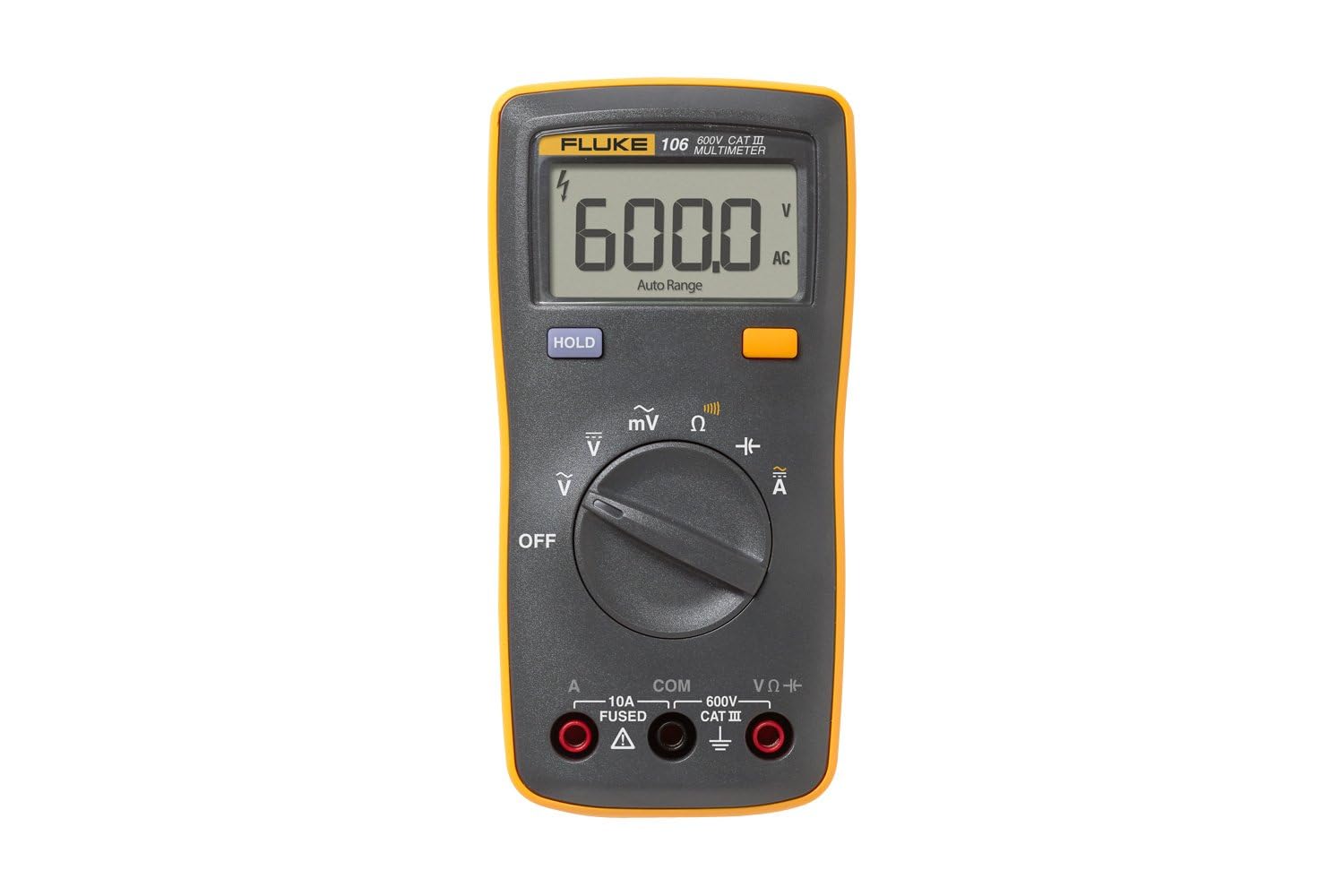
- Digital multimeter
- Flashlight
- Safety glasses
- Mechanic’s gloves
- Basic socket and screwdriver set
Parts & Supplies
- Throttle body cleaner
- Clean lint-free shop towels
- Replacement air intake hose clamps if needed
- Throttle body gasket if removal is required
- Electrical contact cleaner
This article is part of our Engine Maintenance & Repair Guides.
Throttle body problems can cause rough idle, hesitation, stalling, reduced power, and warning lights that feel a lot like bad spark plugs, vacuum leaks, or sensor failures. The goal of diagnosis is to confirm whether the throttle body itself is dirty, sticking, electrically faulty, or simply reacting to another problem in the intake or engine management system.
On most newer vehicles, the throttle body is electronically controlled instead of using a traditional cable. That means a fault can come from carbon buildup on the throttle plate, a weak connector, a failed throttle position sensor inside the assembly, a problem with the accelerator pedal sensor, low system voltage, or even a PCM strategy issue. Replacing the throttle body too early is a common and expensive mistake.
This guide walks through a practical DIY diagnostic process so you can narrow down the cause safely. You will start with symptom checks, inspect the intake path, read trouble codes and live data, and decide whether cleaning, wiring repair, relearn, or replacement makes the most sense.
Common Symptoms of Throttle Body Trouble
Throttle body faults usually affect how the engine breathes at idle and during quick throttle changes. Some symptoms show up only cold, some only at idle with the A/C on, and some appear during light acceleration. Write down exactly when the problem happens because the pattern helps separate throttle body trouble from ignition, fuel, or transmission issues.
- Rough or unstable idle, especially after startup or when coming to a stop.
- Stalling at idle or when shifting into gear.
- Delayed throttle response when pressing the gas pedal.
- Reduced power or limp mode with a check engine light or electronic throttle warning light.
- Surging, bucking, or inconsistent acceleration.
- High idle caused by carbon buildup, an intake leak, or a throttle plate that does not return normally.
If the engine cranks but runs smoothly once RPM rises, a dirty throttle body is more likely than a major internal engine issue. If the vehicle also misfires under load, smells strongly of fuel, or has obvious ignition-related codes, widen your diagnosis before blaming the throttle body.
Safety and What to Check Before You Start
Work on a cool engine, keep fingers clear of the throttle plate, and do not force an electronic throttle open aggressively by hand unless the service information for your vehicle allows it. Many electronic throttle bodies can be damaged if the plate is pried or twisted.
Before deep diagnosis, confirm the basics. Low battery voltage, poor grounds, a loose intake duct, and a disconnected sensor can all create throttle-related symptoms and codes. If the battery is weak or the vehicle recently needed a jump-start, fix the power supply issue first.
- Check battery voltage and charging system health.
- Verify the air filter box and intake tube are sealed and clamped properly.
- Look for cracked intake boots, vacuum hoses, or PCV lines downstream of the MAF sensor.
- Make sure the throttle body connector is fully seated and not oil-soaked or corroded.
- Confirm the floor mat or pedal area is not interfering with accelerator travel.
Scan for Codes Before Touching Anything
A scan tool is one of the most useful tools in this diagnosis. Pull all stored, pending, and history codes before cleaning or disconnecting anything. Codes may point directly to the throttle actuator, throttle position correlation, accelerator pedal position correlation, airflow problems, or low voltage events.
Codes Commonly Associated with Throttle Body Issues
- P0120 to P0124: throttle position sensor circuit or range problems.
- P0220 to P0229: secondary throttle position sensor circuit faults on some systems.
- P2100 to P2119: throttle actuator control circuit, motor, or performance issues.
- P2135: throttle or pedal position sensor correlation problem.
- P0505, P0506, P0507: idle control performance or idle speed too low or too high.
- P0101 or lean codes such as P0171/P0174: airflow or vacuum leak issues that can mimic throttle body failure.
A throttle body code does not automatically mean the throttle body is bad. For example, P2135 can be triggered by a wiring fault, connector issue, low reference voltage, or a pedal sensor issue. Treat the code as a direction, not a verdict.
Inspect the Throttle Body and Intake Path
Remove the intake duct so you can inspect the throttle plate and bore with a flashlight. Heavy black carbon around the edges of the plate is one of the most common causes of sticky idle behavior and poor throttle response, especially on engines with lots of short-trip driving.
What You Are Looking For
- Thick carbon deposits around the throttle plate and bore.
- Oil contamination from the PCV system coating the plate and housing.
- A torn or collapsed intake tube that changes airflow.
- Loose clamps letting in unmetered air.
- Physical damage to the throttle plate or signs that someone forced it open.
- Coolant contamination on systems where coolant passes near or through the throttle body housing.
If the throttle body is dirty but otherwise intact, cleaning may solve the problem. If the housing is damaged, the plate binds mechanically, or the motor area has obvious water intrusion or corrosion, replacement becomes more likely.
Tools That Make This Job Easier


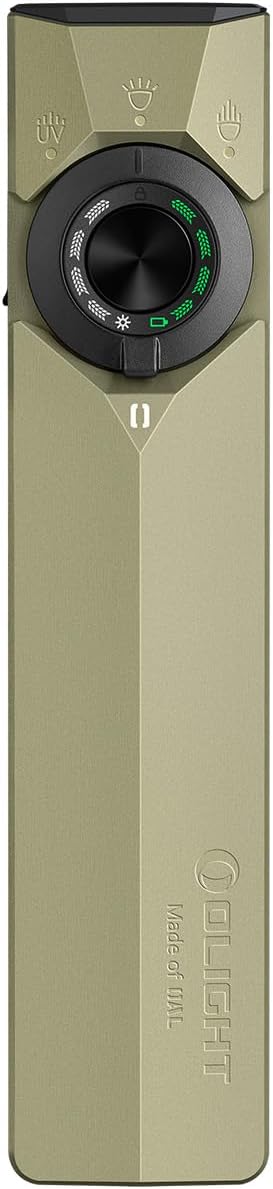
Check Live Data for Throttle Operation
If your scan tool shows live data, compare accelerator pedal position, commanded throttle angle, and actual throttle position. The exact labels vary by vehicle, but the principle is the same: the pedal request and throttle response should change smoothly and predictably.
What Normal Behavior Usually Looks Like
- Throttle position changes smoothly as the pedal is pressed and released.
- No sudden dropouts, spikes, or frozen values in pedal or throttle sensors.
- Actual throttle closely follows commanded throttle under light input.
- Idle speed settles consistently after startup and after blipping the throttle.
- Load, short-term fuel trim, and airflow values do not swing wildly at warm idle.
If pedal position changes normally but actual throttle angle lags, sticks, or drops out, the throttle body or its circuit becomes more suspect. If both pedal and throttle data are erratic, look for wiring, voltage, or PCM-related issues. If throttle data looks normal but fuel trims are very positive at idle, a vacuum leak may be the real cause.
Signs of a False Throttle Body Diagnosis
A bad mass airflow sensor, split intake boot, vacuum leak, or EVAP purge valve stuck open can make idle quality poor and trigger airflow-related complaints. When trims are lean at idle but improve off-idle, suspect a vacuum leak before replacing the throttle body.
Test the Wiring and Electrical Side
Electronic throttle bodies rely on clean power, stable ground, and accurate sensor signals. Intermittent connection issues can cause reduced power mode, no response to the pedal, or random throttle codes that come and go with vibration or temperature changes.
Basic Electrical Checks
- With the key off, inspect the connector pins for bent terminals, green corrosion, moisture, or loose fit.
- Check harness routing for rubbing, heat damage, or spots where the loom has been stretched.
- Use a multimeter to confirm good battery voltage and ground where service information indicates.
- Gently wiggle the harness while monitoring live data to see if readings glitch.
- Inspect engine grounds and battery terminals if multiple electronic codes are present.
Do not randomly probe wires unless you know the circuit layout. On many vehicles, the throttle body contains dual position sensors and a motor circuit with precise reference voltage expectations. Incorrect testing can damage terminals or create new faults.
If the vehicle has throttle correlation codes, compare pedal sensor and throttle sensor values on the scan tool. If the pedal tracks cleanly but the throttle does not, that supports a throttle body or throttle body circuit fault. If the pedal data itself is inconsistent, the accelerator pedal assembly may be the actual problem.
How to Clean the Throttle Body Correctly
Cleaning is often worthwhile when the throttle body is dirty but not electrically failed. Use throttle body cleaner, not harsh carburetor cleaner unless the vehicle manufacturer specifically permits it. Some coatings inside throttle bodies can be damaged by the wrong solvent.
Basic Cleaning Procedure
- Remove the intake duct and inspect the bore and plate.
- Spray cleaner onto a shop towel rather than flooding the electronic housing.
- Wipe carbon from the bore and both sides of the plate as accessible.
- Use gentle pressure only; do not force the plate against its stop.
- Reassemble the intake duct securely and clear any disconnected hoses or clamps.
Many vehicles need an idle relearn or throttle relearn after cleaning or replacement. Symptoms of a missing relearn include high idle, unstable idle, or stalling even when the throttle body itself is now clean. Some cars relearn after a specific drive cycle, while others require a scan tool procedure.
Recommended Tools for This Job


When a Relearn Procedure Is Needed
Modern engine computers adapt to airflow over time. Cleaning the throttle body changes how much air passes the plate at idle, so the PCM may need to recalibrate. Disconnecting the battery or replacing the throttle body can also erase learned values.
- Idle remains too high or too low after cleaning.
- The engine stalls when coming to a stop after throttle body service.
- Throttle response feels delayed after replacement.
- No obvious leaks or wiring issues remain, but idle behavior is still abnormal.
Search for the exact relearn method for your year, make, engine, and transmission combination. Some procedures involve key-on wait times, idle periods with accessories off, then idle with A/C on. Others require a bi-directional scan tool. Skipping this step can make a good repair look like a failed part.
How to Tell If the Throttle Body Is Actually Bad
A throttle body is more likely to need replacement when cleaning and relearn do not help, electrical supply is verified, wiring is sound, and live data still shows poor throttle response or internal sensor correlation problems.
Evidence That Points Toward Replacement
- Throttle actuator or position sensor codes return immediately after clearing and testing.
- Actual throttle position is erratic despite stable pedal input and good wiring.
- The throttle plate binds mechanically or the housing is damaged.
- The connector and harness test good, but the actuator will not respond correctly.
- The vehicle enters limp mode repeatedly with confirmed throttle body-specific faults.
If a replacement is needed, buy a quality part and plan for a relearn. Cheap electronic throttle bodies can create more problems than they solve. Also inspect the intake ducting and PCV system so the new part does not get contaminated immediately.
Problems That Mimic a Bad Throttle Body
Many drivability issues overlap, so it is smart to rule out common look-alikes before ordering parts. A rough idle and hesitation do not always start at the throttle body.
- Vacuum leaks at intake manifold gaskets, PCV hoses, brake booster hoses, or intake boots.
- Dirty or failing mass airflow sensor causing unstable load calculations.
- Accelerator pedal position sensor faults creating throttle correlation codes.
- Low system voltage from a weak battery or failing alternator.
- Ignition misfires from worn plugs or coils that feel like hesitation.
- Fuel delivery problems such as low pressure or a restricted injector.
- An EVAP purge valve stuck open, especially if rough idle is strongest warm.
A good rule is this: if the engine has multiple unrelated electrical codes, start with voltage and grounds. If the engine is lean at idle, smoke-test or inspect for vacuum leaks. If the complaint is only under heavy load, do not focus only on the throttle body.
Next Steps After Your Diagnosis
Once you narrow down the likely cause, choose the lowest-risk fix supported by your findings. If the throttle body is dirty and there are no hard actuator codes, cleaning and relearn are reasonable first steps. If codes and live data clearly show internal throttle faults, replacement is more justified.
- Repair any intake leaks, loose clamps, or damaged hoses first.
- Clean the throttle body if carbon buildup is heavy and the unit is otherwise healthy.
- Perform the required idle or throttle relearn after service.
- Clear codes and road test while monitoring live data.
- Replace the throttle body only after confirming power, ground, connector condition, and related sensors.
If the vehicle still has reduced power mode, repeated correlation codes, or dangerous stalling after these checks, professional diagnosis is a smart move. Electronic throttle systems are safety-critical, and a shop with factory-level scan capability can often identify whether the fault lies in the throttle body, pedal assembly, wiring, or PCM logic.
Key Takeaways
- Scan for codes and review live data before cleaning or replacing the throttle body.
- Carbon buildup is common, but vacuum leaks and pedal sensor faults can cause nearly identical symptoms.
- Verify battery voltage, grounds, connector condition, and intake duct sealing before condemning the throttle body.
- After cleaning or replacement, an idle or throttle relearn may be required to restore normal operation.
- Replace the throttle body only when testing shows repeatable internal actuator or sensor failure.
FAQ
Can a Dirty Throttle Body Cause a Check Engine Light?
Yes. Heavy carbon buildup can cause idle instability, airflow errors, or throttle performance issues that may trigger a check engine light. However, the code may also point to a related problem such as a vacuum leak or sensor correlation fault.
Will Cleaning the Throttle Body Fix Rough Idle?
It can if carbon buildup is restricting airflow or causing the throttle plate to stick. It will not fix rough idle caused by vacuum leaks, ignition misfires, fuel problems, or a bad accelerator pedal sensor.
Do I Need to Disconnect the Battery to Clean a Throttle Body?
Not always, but some DIYers do it as a precaution. The more important step is using the correct cleaner, avoiding damage to the electronic plate, and following any relearn procedure required by your vehicle afterward.
What Codes Usually Mean the Throttle Body Is Bad?
Codes such as P2101, P2111, P2112, P2118, or recurring throttle position correlation faults can point strongly toward throttle body issues. Even then, you should still verify wiring, connector condition, battery voltage, and pedal sensor operation.
Can I Drive with Throttle Body Problems?
It depends on the symptoms. If the vehicle has reduced power, stalling, or unpredictable throttle response, driving may be unsafe. A vehicle in limp mode or one that stalls in traffic should be diagnosed before regular use.
Why Does My Car Idle High After Cleaning the Throttle Body?
The computer may need time or a specific procedure to relearn idle airflow. A high idle after cleaning can also mean there is an intake leak, a hose was left loose, or the throttle plate was not cleaned evenly.
How Do I Know if the Problem Is the Accelerator Pedal Instead of the Throttle Body?
Use live scan data to compare pedal position and throttle response. If pedal readings are erratic or do not change smoothly, the pedal assembly or its circuit may be at fault. If pedal data is stable but throttle response is not, the throttle body becomes more suspect.
Need Parts for This Repair?
The right parts and supplies vary by vehicle.
Select your make and model to find compatible parts and accessories for your car.
Exact Fit
Parts that fit your make and model
Quality You Can Trust
Top brands and OEM quality options
Fast Shipping
Get the parts you need, delivered fast