

Note: This article contains affiliate links. If you click on these links and make a purchase, I may earn a small commission at no extra cost to you. This helps support my research and content. Read my full affiliate disclosure here.
What You’ll Need
A quick look at the tools and supplies commonly used for this job.
Tools
- Flashlight
- OBD-II scan tool
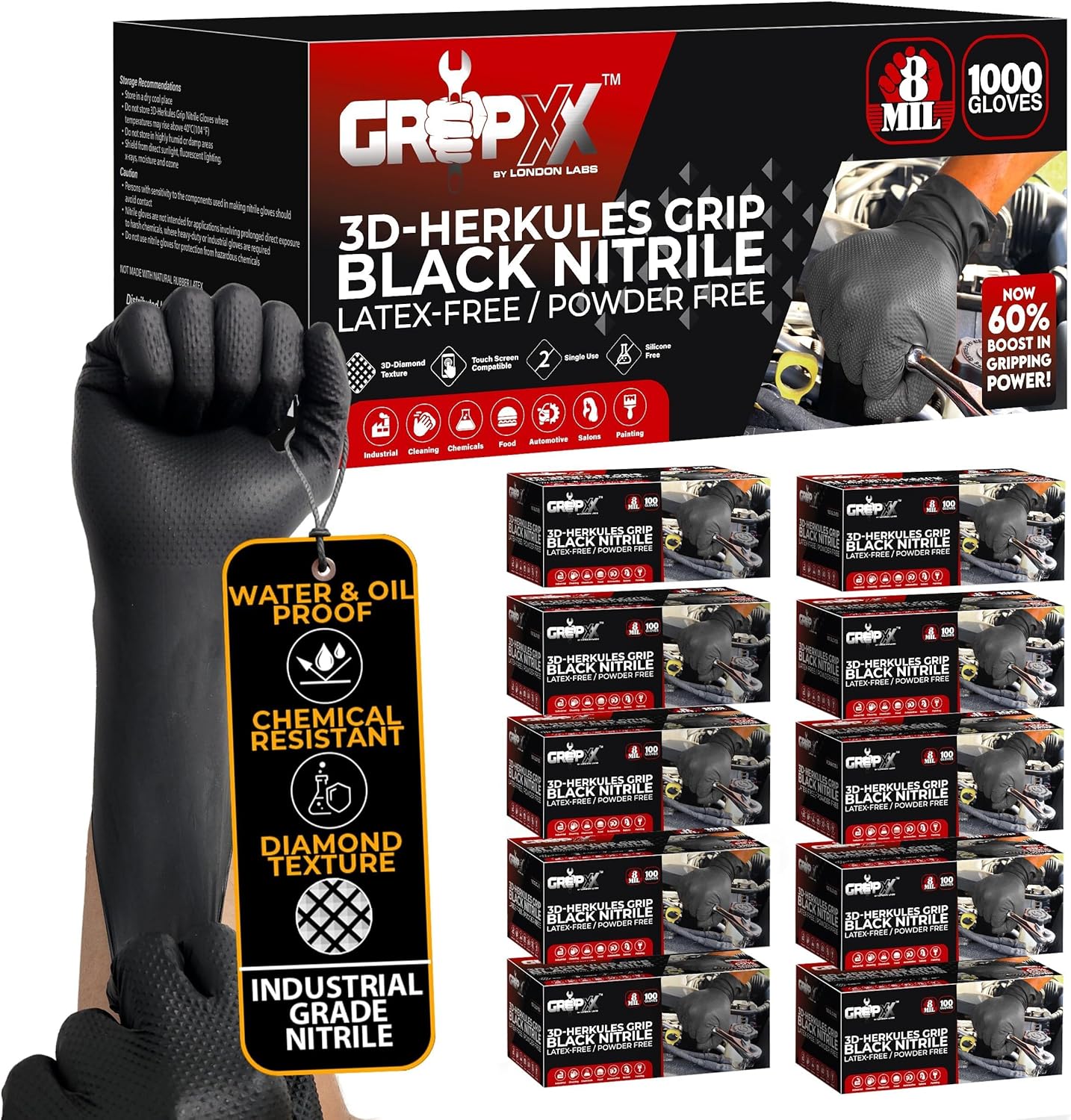
- Work gloves
- Safety glasses
- Basic socket and screwdriver set
- Clean shop rags
- Vacuum gauge
- Mass air flow sensor-safe cleaner
Parts & Supplies
- Replacement engine air filter
- Intake hose or duct clamps if damaged
- Throttle body cleaner
- Replacement PCV hose or vacuum hose if cracked
This article is part of our Engine Maintenance & Repair Guides.
Restricted engine airflow means the engine is not getting the clean, measured air it needs to run normally. That can happen because of a clogged air filter, collapsed intake duct, dirty throttle body, contaminated mass air flow sensor, or an internal blockage somewhere in the intake path.
For a DIY owner, the good news is that airflow problems often leave visible clues and can usually be narrowed down with a careful inspection, a scan tool, and a few basic tests. Common complaints include weak acceleration, rough idle, poor fuel economy, black exhaust smoke, hesitation, and a check engine light.
This guide walks through a practical diagnostic process so you can confirm whether airflow is really restricted, identify where the restriction is happening, and decide whether the issue is a simple maintenance item or something that needs more advanced repair.
Common Symptoms of Restricted Engine Airflow
Airflow restrictions can feel similar to fuel, ignition, or exhaust problems, so start by looking at the pattern of symptoms rather than jumping to one part. A true intake airflow issue often shows up most clearly when the engine needs more air under acceleration.
- Sluggish acceleration, especially when merging or climbing hills
- Engine feels like it is “holding back” at higher RPM
- Rough idle or unstable idle speed
- Reduced fuel economy
- Black smoke from the exhaust on gasoline engines
- Check engine light with airflow, fuel trim, or throttle-related trouble codes
- Whistling, honking, or sucking noises from the intake tract
If the vehicle also has severe misfires, loud exhaust restriction symptoms, or stalling only after warm-up, keep an open mind. A clogged catalytic converter, failing fuel pump, or major ignition issue can mimic restricted intake airflow.
Safety and Preparation
Work on a cool engine unless a specific warm-engine test is required. Keep loose clothing and fingers away from belts, fans, and the throttle linkage. If you remove intake tubes or the air box, do not allow dirt or hardware to fall into the intake opening.
Before You Begin
- Park on a level surface and set the parking brake.
- Confirm the battery is fully charged if you plan to scan data or idle the engine for a while.
- Have the correct replacement air filter ready if the current one is dirty.
- If the check engine light is on, scan for codes before disconnecting anything.
Start With Scan Tool Clues
A scan tool does not replace physical inspection, but it can quickly point you toward an airflow-related problem. Read stored and pending trouble codes and note freeze-frame data, especially engine load, RPM, throttle position, and fuel trims.
Codes That May Appear with Airflow Issues
- P0101 through P0104 for mass air flow sensor performance or circuit faults
- P0171 or P0174 for lean conditions that may be caused by unmetered air leaks rather than restriction
- P0172 or P0175 for rich conditions if airflow is underreported
- P2111, P2112, or related throttle body codes on electronic throttle systems
- Manufacturer-specific intake or air path performance codes
Look at live data at idle and during a light throttle snap. On many gasoline engines, mass air flow values should rise smoothly with RPM and throttle opening. A reading that stays unusually low, jumps erratically, or does not respond normally can support an airflow restriction or sensor problem.
Do not replace a sensor based only on a code. A dirty filter, cracked duct, loose intake clamp, or restricted throttle plate can trigger sensor-related faults without the sensor itself being bad.
Inspect the Air Filter and Air Box
The air filter is the easiest and most common place to find restricted airflow. Open the air box and remove the filter. If it is packed with dust, leaves, insects, rodent nesting material, or moisture damage, it can choke off incoming air.
What to Check
- Filter media darkened and clogged across most of the surface
- Filter collapsed, misshapen, or installed incorrectly
- Debris collected in the lower air box
- Water intrusion or a soggy filter
- A blocked cold-air inlet or snorkel ahead of the filter
If the filter is clearly dirty, replace it rather than trying to blow it out. Also inspect the air box lid seal. A poorly seated filter or warped lid can let dirt bypass the filter, contaminate the mass air flow sensor, and create a second problem after the restriction is fixed.
Check the fresh-air inlet path from the grille or fender area to the air box. Plastic bags, leaves, snow packing, rodent debris, or a crushed snorkel can reduce airflow before air even reaches the filter.
Tools That Make This Job Easier


Check Intake Ducting for Collapse, Leaks, or Internal Damage
Follow the intake path from the air box to the throttle body. Flexible intake tubes can crack, soften, delaminate internally, or collapse under load. A leak before the mass air flow sensor may let in debris; a leak after it can cause unmetered air and poor running.
Inspect These Areas Closely
- Accordion sections of the intake hose for splits in the folds
- Loose or missing hose clamps
- Disconnected vacuum or breather hoses
- Oil-soaked rubber that has become soft and sucked inward
- Internal liners or resonator pieces that may have broken loose
Some intake tubes look fine from the outside but are partially blocked inside. If the hose feels unusually soft, remove it and inspect the full bore with a flashlight. Internal separation can create a flap that acts like a choke plate when airflow increases.
If you find cracks after the mass air flow sensor, repair them before making any judgment about the sensor or fuel trim readings. Unmetered air can cause symptoms that seem like restriction while actually creating a lean condition.
Inspect and Test the Mass Air Flow Sensor
A contaminated mass air flow sensor can underreport air entering the engine. That can make the engine run poorly and mimic the effects of restricted airflow even if the intake path is mostly clear.
Signs the MAF May Be Part of the Problem
- MAF-related codes are present
- Live airflow data is lower than expected for engine size and RPM
- The sensor element looks dusty or oily
- An oiled aftermarket filter was recently installed or over-oiled
- The engine runs differently when the MAF is unplugged, if your vehicle strategy allows limited backup operation
Remove the sensor only if you can do so without damaging it. Inspect the sensing element for dust or oil film. Clean it only with a dedicated mass air flow sensor cleaner. Do not touch the sensing wires, and do not use brake cleaner, carb cleaner, or compressed air at close range.
After cleaning and reassembly, clear the codes if needed and retest. If airflow readings become stable and drivability improves, the sensor contamination was likely contributing to the issue. If readings are still off but the intake path is clear, further electrical testing may be needed.
Inspect the Throttle Body and Air Passage
Carbon buildup around the throttle plate can restrict idle and low-throttle airflow. This is especially common on engines with electronic throttle bodies and can cause rough idle, stalling, sticky throttle response, or idle control issues.
How to Inspect It
- Remove the intake tube at the throttle body.
- Look for heavy black carbon deposits on the throttle bore and plate edges.
- Check whether the plate appears sticky or slow to move, if manual inspection is allowed on your vehicle.
- Inspect for oily sludge from the PCV system.
If cleaning is appropriate for your vehicle, use throttle body cleaner and a clean rag. Avoid forcing an electronic throttle plate open unless the service procedure for your vehicle allows it, because some systems can be damaged. A moderate ring of carbon can be enough to upset airflow at idle.
After cleaning, some vehicles need an idle relearn or throttle adaptation. If the idle is unstable immediately afterward, check the service information before assuming another fault exists.
Check Vacuum Hoses, PCV Plumbing, and Intake Manifold Connections
Not every airflow complaint comes from too little air entering the engine. Sometimes the engine is getting air from the wrong place. Cracked vacuum hoses, a split PCV hose, or a loose intake manifold connection can create unmetered airflow that confuses the engine computer.
Look For
- Cracked or collapsed PCV hoses
- Disconnected brake booster or purge lines
- Loose intake manifold fasteners or damaged gaskets
- Brittle elbows hidden under cosmetic engine covers
- Hissing sounds at idle
A vacuum leak is different from a restriction, but the symptoms overlap enough that it needs to be ruled out early. If fuel trims are strongly positive at idle and improve off-idle, a vacuum leak is often more likely than a clogged air path.
Use care with spray-based leak checks around hot engines. If you are not experienced, it is safer to rely on visual inspection, hose manipulation, and scan tool fuel trim clues.
Recommended Tools for This Job


Use a Vacuum Gauge or Road Test to Confirm a Restriction
If the basic visual checks do not reveal the problem, a vacuum gauge can help determine whether the engine is struggling to breathe. Connect the gauge to a suitable intake manifold vacuum source and observe readings at idle and during a brief throttle opening.
What the Readings Can Suggest
- A steady normal idle vacuum reading usually means no major intake restriction at idle.
- A slow return to normal after revving can point to an exhaust restriction, not just intake restriction.
- An abnormally low and unstable reading may suggest vacuum leaks, valve timing issues, or engine mechanical problems.
- Symptoms that appear only under load may indicate a collapsing intake hose or restricted air inlet that is not obvious at idle.
A short road test can also help. If the engine pulls normally at low throttle but bogs badly when you ask for power, inspect the intake hose for collapse under load and recheck the air box inlet. If the engine is weak all the time and gets worse as RPM rises, keep exhaust restriction on your suspect list.
Differentiate Intake Restriction From Exhaust Restriction or Fuel Problems
This is one of the most important parts of the diagnosis. A vehicle with a clogged catalytic converter, weak fuel pump, or major ignition problem can feel almost identical to one with restricted engine airflow. The goal is to avoid replacing intake parts when the real fault is elsewhere.
Clues That Point More Toward Intake Restriction
- Very dirty air filter or blocked air inlet
- Visible intake hose collapse
- Dirty throttle body with idle airflow complaints
- Contaminated MAF sensor and abnormal airflow readings
- Improvement after opening or repairing the intake tract
Clues That Point More Toward Another System
- Sulfur smell, glowing converter, or severe power loss at high RPM suggesting exhaust restriction
- Misfire codes, shaking under load, or ignition coil faults
- Lean codes under heavy load with low fuel pressure suggesting a fuel delivery issue
- Timing-related codes or poor vacuum suggesting valve timing problems
If your inspections show a clean intake path and the scan tool data does not support an airflow issue, move on instead of forcing the diagnosis. Many wasted repairs happen because drivability symptoms were mistaken for an intake problem too early.
What to Do After You Find the Cause
Once you identify the restriction or related fault, fix the obvious problem first and then verify the repair. Do not stack multiple changes at once if you can avoid it, because that makes it harder to know what solved the issue.
Typical Repairs
- Replace a clogged air filter
- Clean debris from the air box and fresh-air inlet
- Replace a cracked or collapsing intake duct
- Clean the mass air flow sensor correctly
- Clean the throttle body if carbon buildup is restricting airflow
- Replace damaged vacuum or PCV hoses
After repair, clear trouble codes if needed, restart the engine, and check idle quality. Then review live data again. Airflow readings should respond smoothly, fuel trims should move closer to normal, and throttle response should improve. Finish with a road test under the same conditions that originally caused the complaint.
If symptoms remain after these checks, the problem may be outside the intake system. At that point, further testing for exhaust backpressure, fuel pressure, ignition performance, or engine mechanical condition is the smarter next step.
When to Stop and Get Professional Help
DIY diagnosis makes sense when the problem is visible and accessible, but some situations call for better tools or model-specific procedures. Electronic throttle issues, intermittent sensor faults, smoke testing, and advanced fuel trim analysis can be difficult without proper equipment.
- The engine has reduced-power mode or throttle actuator codes
- There are signs of internal engine damage or valve timing problems
- You suspect an exhaust restriction but cannot test backpressure
- The vehicle still runs poorly after filter, duct, sensor, and throttle inspections
- You are not sure whether unplugging or cleaning a component is safe on your specific vehicle
Key Takeaways
- Start with the air filter, air box, and fresh-air inlet because simple blockages are common and easy to confirm.
- Inspect intake tubes carefully for hidden cracks or internal collapse, especially if power loss happens mostly under load.
- Use scan tool data to support the diagnosis, but do not replace the MAF sensor or throttle body on codes alone.
- A vacuum leak, fuel problem, or clogged catalytic converter can mimic restricted engine airflow, so compare symptoms before buying parts.
- After any repair, verify the fix with live data and a road test under the same conditions that caused the complaint.
FAQ
Can a Dirty Engine Air Filter Really Cause Noticeable Power Loss?
Yes. A severely clogged air filter can reduce the amount of air reaching the engine, especially during acceleration when airflow demand is higher. Mildly dirty filters may not cause obvious symptoms, but heavily loaded filters can lead to sluggish performance, poor fuel economy, and rich-running symptoms.
Will Restricted Engine Airflow Always Trigger a Check Engine Light?
No. Some restrictions cause drivability symptoms before any code sets. A dirty filter or partially blocked intake snorkel may reduce performance without immediately turning on the check engine light, while MAF or throttle-related issues are more likely to set codes.
How Do I Know if the Problem Is the MAF Sensor or the Air Filter?
Inspect the filter and intake path first because they are quicker and cheaper to confirm. If the filter and ducts are clean and intact but airflow data is still abnormal or MAF codes are present, then the sensor becomes a stronger suspect. Physical inspection and live data together are more reliable than guessing from symptoms alone.
Can a Vacuum Leak Feel Like Restricted Airflow?
Yes. A vacuum leak lets in unmetered air and can cause rough idle, hesitation, lean codes, and poor throttle response. That can look like an airflow problem, but the fix is different, so hoses and intake connections should always be checked during diagnosis.
Is It Safe to Clean the Throttle Body Myself?
Usually yes, but you need to follow the correct procedure for your vehicle. Some electronic throttle bodies can be damaged if the plate is forced open by hand. Use throttle body cleaner, avoid flooding the intake, and check whether an idle relearn is required afterward.
What if the Intake Looks Fine but the Car Still Has No Power?
If the intake system checks out, consider exhaust restriction, fuel delivery problems, ignition misfires, or engine timing issues. A clogged catalytic converter is a common look-alike because it limits the engine’s ability to move air through the system under load.
Can I Keep Driving with Restricted Engine Airflow?
You may be able to drive short distances if the problem is minor, but it is not ideal. Ongoing airflow issues can hurt fuel economy, foul plugs, contaminate sensors, and cause poor performance when you need power. If the engine is stumbling badly or in reduced-power mode, avoid driving until it is diagnosed.
Need Parts for This Repair?
The right parts and supplies vary by vehicle.
Select your make and model to find compatible parts and accessories for your car.
Exact Fit
Parts that fit your make and model
Quality You Can Trust
Top brands and OEM quality options
Fast Shipping
Get the parts you need, delivered fast