

Note: This article contains affiliate links. If you click on these links and make a purchase, I may earn a small commission at no extra cost to you. This helps support my research and content. Read my full affiliate disclosure here.
Repair Snapshot
Use a mechanic if the vehicle has intermittent stalling with no clear test results, complex coil-on-plug diagnostics, or requires oscilloscope testing and advanced wiring repair. Professional help is also smart if the car will not start and you cannot confirm spark safely.
This article is part of our Engine Maintenance & Repair Guides.
Ignition control problems can cause hard starting, random misfires, stalling, poor acceleration, or a complete no-start condition. The tricky part is that the bad part is not always the ignition coil itself. Power supply issues, failed crank or cam sensors, damaged wiring, blown fuses, or a faulty ignition control module can all interrupt spark timing and trigger similar symptoms.
For a DIY diagnosis, the goal is to work in order: confirm the symptom, scan for trouble codes, verify battery voltage, check for spark, inspect power and ground at the affected component, and only then replace the failed part. That approach helps you avoid guessing and prevents replacing expensive coils or modules that were never bad.
This guide walks you through practical ignition system checks for many common gasoline vehicles. Exact connector locations and test values vary by make and engine, so always compare your readings with factory service information when possible.
How the Ignition Control System Works
Modern ignition systems create spark by switching coil current on and off at exactly the right time. On older designs, a separate ignition control module may command the coil directly. On newer vehicles, the engine control module often handles timing using crankshaft and camshaft sensor signals.
In simple terms, battery voltage feeds the ignition system, the crank and cam sensors tell the computer where the engine is in its rotation, and the control module or PCM triggers each coil. If any part of that chain fails, spark may become weak, inconsistent, mistimed, or disappear entirely.
- A failed coil usually affects one cylinder or a paired cylinder group, depending on design.
- A bad crankshaft position sensor often causes a no-start or sudden stall with loss of spark.
- A failed ignition module can cause intermittent no-start, random stalling, or total spark loss.
- Poor grounds, corrosion, or heat-damaged connectors can mimic expensive component failures.
Common Symptoms of Ignition Control Problems
Before testing anything, identify exactly what the car is doing. The pattern matters. A misfire only under load points you in a different direction than a hot no-start or an engine that dies once warmed up.
- Cranks but will not start
- Starts and stalls after a few seconds
- Random or cylinder-specific misfire
- Buck or hesitation during acceleration
- Sudden stalling when hot, then restarting after cooling down
- Tachometer drops to zero while cranking or while the engine stalls
- Check engine light with ignition or misfire-related fault codes
Symptoms that appear only after the engine warms up often suggest an ignition control module, crank sensor, or failing coil that breaks down with heat. A no-start with no spark on any cylinder points more toward a power supply, PCM control, crank sensor, or shared ignition module issue than a single bad plug or coil.
Safety Steps Before Testing
Ignition systems generate high voltage. Use insulated tools, keep hands clear of coils and plug wires during cranking, and never hold a plug wire to test for spark. Use a proper inline spark tester instead.
- Park on a level surface and set the parking brake.
- Work in a well-ventilated area away from fuel vapors.
- Disable fuel delivery when performing extended cranking tests if required by your service manual.
- Disconnect the negative battery terminal before unplugging major modules or repairing wiring.
- Keep loose clothing and hands away from belts and fans while cranking.
Start with Codes, Battery Voltage, and Visual Inspection
Scan for Diagnostic Trouble Codes
Plug in an OBD-II scanner and record all stored and pending codes before clearing anything. Common ignition-related codes include P0300 random misfire, P0301 through P0308 cylinder-specific misfires, and crank or cam sensor codes such as P0335 or P0340. Freeze-frame data can tell you whether the fault happened cold, hot, at idle, or under load.
Confirm Battery and Charging Basics
Low system voltage can create false ignition symptoms. With the engine off, a healthy battery should usually read around 12.4 to 12.7 volts. During cranking, voltage should not drop excessively. If it does, charge and test the battery first. A weak battery can prevent modules and coils from operating properly.
Inspect Obvious Failure Points
- Check ignition-related fuses and relays.
- Look for loose coil connectors, oil-filled spark plug tubes, or melted wiring near exhaust parts.
- Inspect engine grounds and battery terminals for corrosion.
- Check for rodent damage or broken insulation around the harness.
- On distributor systems, inspect the cap and rotor for cracks, carbon tracking, or moisture.
If you find a loose connector, blown fuse, or heavily corroded ground, fix that first and retest. Many ignition complaints come down to poor connections rather than failed electronics.
Tools That Make This Job Easier
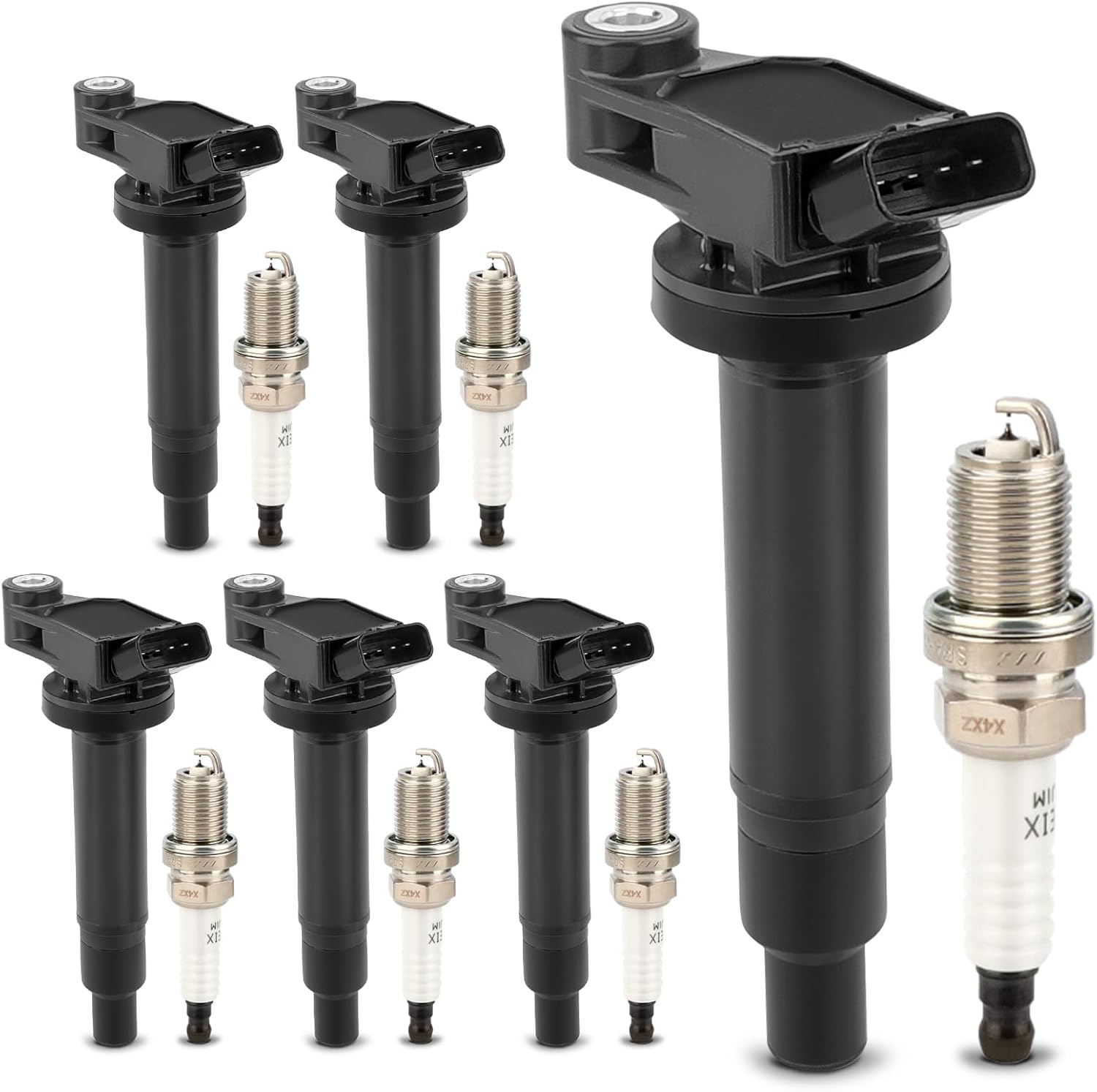


Check for Spark the Right Way
The next question is simple: does the engine have spark, and if so, is it missing on one cylinder or all cylinders? Use a spark tester connected according to the tool instructions. Crank the engine and watch for a strong, consistent spark.
- Spark on all cylinders usually means the ignition control side is working, and you may need to look at fuel, timing, plugs, or compression next.
- No spark on any cylinder points toward a shared issue such as a fuse, power feed, crank sensor, ignition module, PCM command, or main ground.
- No spark on one cylinder often points to a bad coil, plug, boot, connector, or local wiring fault.
- Weak or intermittent spark may indicate a failing coil, low voltage, poor grounds, or a module breaking down under heat.
If the vehicle has coil-on-plug ignition, swap the suspected coil with a coil from another cylinder when practical. If the misfire code follows the coil, that is strong evidence the coil is bad. If the misfire stays on the same cylinder, inspect the plug, injector, compression, and wiring to that cylinder.
Test Power, Ground, and Control Signals
Verify Power at the Coil or Module
With the key on, use a multimeter or test light to confirm battery voltage at the ignition coil or ignition module feed wire. Compare to a wiring diagram for your vehicle. If there is no power, trace back to the fuse, relay, ignition switch circuit, or damaged harness.
Confirm Ground Integrity
A module or coil can have power and still fail to operate if ground is poor. Check voltage drop on the ground side while cranking or while the component is loaded. A high voltage drop indicates resistance in the ground path. Clean the ground point and repair damaged cables or eyelets.
Check for Trigger or Control Signal
Most ignition systems need a switching signal from the PCM or ignition control module. Depending on the design, you may be able to use a test light, noid-style signal probe, or a multimeter set to frequency or duty cycle. If power and ground are present but there is no trigger, the problem may be upstream at the crank sensor, cam sensor, module, or PCM.
Because signal testing varies widely by vehicle, do not pierce wires unless absolutely necessary. Back-probe connectors carefully and use the service manual pinout to avoid shorting reference circuits.
Diagnose the Most Common Failed Components
Ignition Coils and Coil Packs
Coils commonly fail from age, heat, moisture intrusion, or internal insulation breakdown. Symptoms often include a misfire under load, rough idle, and a flashing check engine light. On coil-on-plug systems, remove the suspect coil and inspect for cracks, carbon tracks, or oil contamination from a valve cover leak.
Coil resistance testing can help on some older systems, but on many newer coils it is less reliable than swap testing, spark testing, and checking for proper power and command. If one coil repeatedly fails, inspect the spark plug gap and plug condition because excessive resistance can overload the coil.
Ignition Control Module
A failing ignition control module can create intermittent no-starts, hot soak stalling, and sudden spark loss. Some older modules were commonly tested at parts stores, but heat-related failures are not always caught off the car. If the module loses function only when hot, use symptom pattern, power-and-ground checks, and service data to confirm.
Crankshaft and Camshaft Position Sensors
Without a valid crankshaft signal, many engines will not spark or inject fuel. A failed crank sensor can mimic a bad ignition module. Signs include no RPM reading during cranking on scan data, stalling when hot, or a P0335-series code. Cam sensor issues may allow cranking with long start times, poor synchronization, or misfire codes depending on the system.
Wiring, Connectors, and Grounds
Do not overlook connector spread, green corrosion, brittle insulation, and harness damage near engine movement points. Intermittent ignition complaints are often wiring problems that only appear when the engine torques under load or when heat softens the harness.
Recommended Tools for This Job


How to Replace a Failed Ignition Component
Once testing identifies the failed part, replace it methodically. The exact procedure depends on whether you are changing a coil, ignition control module, or sensor, but the basic process is similar.
- Disconnect the negative battery cable.
- Remove any engine covers or intake pieces blocking access.
- Label connectors if multiple coils or similar plugs are close together.
- Unplug the electrical connector and inspect for burnt terminals or oil contamination.
- Remove the retaining bolts or screws and lift out the failed component.
- Compare the new part to the old one for connector shape, mounting points, and part number.
- Apply dielectric grease only where appropriate, such as inside some coil boots, not on electrical terminals unless specified.
- Install the new part and torque fasteners to specification.
- Reconnect the harness, reinstall removed components, and reconnect the battery.
If you replaced a crank or cam sensor, double-check wire routing and air gap requirements where applicable. If you replaced a module that mounts to a heat sink, use the correct thermal compound if the manufacturer requires it. Skipping that step can shorten module life.
Repair Wiring and Connector Issues Correctly
When the problem is in the harness rather than the component, a clean repair matters. Twisted-together wires and cheap crimp connectors often fail quickly under engine heat and vibration.
- Replace heat-damaged pigtails instead of forcing loose terminals back into shape.
- Use automotive-grade wire of the same gauge when repairing broken sections.
- Seal repairs with adhesive-lined heat shrink when possible.
- Support the harness so it cannot rub on brackets, valve covers, or exhaust shields.
- Clean corroded terminals with electrical contact cleaner and replace terminals that are burnt or loose.
After the repair, gently wiggle the harness with the engine idling or while monitoring scan data. If the misfire or stall no longer appears, that is a strong sign the wiring fault has been corrected.
Final Checks After the Repair
After replacing the failed part or repairing the wiring, clear the codes and verify the fix under the same conditions that caused the original symptom.
- Start the engine cold and hot to confirm reliable ignition operation.
- Check for smooth idle and normal acceleration under load.
- Monitor live misfire counters and engine RPM signal with a scan tool if available.
- Make sure no new codes return after a road test.
- Inspect the repair area for loose connectors, tools left behind, or wires routed too close to heat.
If the original symptom remains after you replaced a part, stop and recheck the diagnosis. Ignition problems overlap with fuel delivery, timing, and mechanical engine faults, so replacing more parts without new test results usually wastes time and money.
Mistakes to Avoid During Ignition Diagnosis
- Do not replace coils just because you have a misfire code without checking spark plugs and connectors.
- Do not assume a crank-no-start means the fuel system is fine if you have not confirmed spark.
- Do not condemn a control module before verifying power, ground, and sensor input.
- Do not ignore low battery voltage or poor engine grounds.
- Do not clear codes before recording them and checking freeze-frame data.
- Do not use incorrect spark plugs or excessive plug gap, which can overload ignition coils.
When Professional Diagnosis Makes More Sense
Some ignition faults are straightforward, but others require a lab scope, manufacturer scan data, or experience with intermittent electrical failures. If your car stalls randomly with no repeatable pattern, loses spark only when hot, or shows multiple communication and ignition faults together, a professional diagnosis may save money compared with trial-and-error parts replacement.
This is especially true on newer vehicles where the ignition command is tightly integrated with security systems, variable valve timing, and direct injection controls. In those cases, what looks like an ignition problem may actually be a sensor synchronization or PCM control issue.
Key Takeaways
- Always start by scanning for codes, checking battery voltage, and inspecting fuses, grounds, and connectors before replacing ignition parts.
- Use a proper spark tester to determine whether spark is missing on one cylinder or all cylinders, because that changes the diagnosis completely.
- If power and ground are present but there is no ignition trigger, focus on the crank sensor, cam sensor, ignition module, or PCM command path.
- When a misfire follows a swapped coil, the coil is likely bad; when it stays on the same cylinder, inspect the plug, wiring, injector, and compression.
- Heat-related stalling or no-start issues often point to a failing ignition module, crank sensor, or wiring fault rather than a simple spark plug problem.
FAQ
Can a Bad Ignition Control Module Cause a No-start?
Yes. If the ignition control module fails, it may stop triggering the coil or coils, which can leave the engine with no spark. However, similar symptoms can also be caused by a bad crankshaft sensor, blown fuse, poor ground, or wiring fault, so testing is important before replacing the module.
What Trouble Codes Are Common with Ignition Control Problems?
Common codes include P0300 for random misfire, P0301 through P0308 for cylinder-specific misfires, and sensor-related codes such as P0335 for crankshaft position sensor issues or P0340 for camshaft position sensor problems. Some vehicles may also set manufacturer-specific ignition module or primary circuit codes.
How Do I Know if the Problem Is the Coil or the Spark Plug?
On coil-on-plug systems, swapping the suspect coil with a known good coil from another cylinder is a practical test. If the misfire moves with the coil, the coil is likely faulty. If the misfire stays on the same cylinder, inspect the spark plug, coil boot, connector, injector operation, and engine compression.
Will a Bad Crankshaft Position Sensor Affect Spark?
Yes. Many engines rely on the crankshaft position sensor to determine ignition timing. If that signal is missing or erratic, the PCM may stop spark entirely or trigger it incorrectly, causing a no-start, stall, or severe misfire.
Can Low Battery Voltage Cause Ignition Problems?
Absolutely. Low cranking voltage can prevent the ignition module, PCM, or coils from operating properly. It can also create misleading fault codes and weak spark symptoms. Always verify battery condition and cable connections early in the diagnosis.
Is It Safe to Keep Driving with Ignition Control Problems?
Usually not for long. A persistent misfire can damage the catalytic converter, leave you stranded, or create unsafe stalling in traffic. If the engine is bucking, stalling, or flashing the check engine light, diagnose and repair it as soon as possible.
Do I Need to Relearn Anything After Replacing an Ignition Component?
Most coil replacements do not require a relearn, but some crankshaft or camshaft sensor replacements may require a variation relearn or confirmation with a scan tool on certain vehicles. Always check service information for your specific make and model.
Need Parts for This Repair?
The right parts and supplies vary by vehicle.
Select your make and model to find compatible parts and accessories for your car.
Exact Fit
Parts that fit your make and model
Quality You Can Trust
Top brands and OEM quality options
Fast Shipping
Get the parts you need, delivered fast