

Note: This article contains affiliate links. If you click on these links and make a purchase, I may earn a small commission at no extra cost to you. This helps support my research and content. Read my full affiliate disclosure here.
What You’ll Need
A quick look at the tools and supplies commonly used for this job.
Tools
- OBD-II scan tool
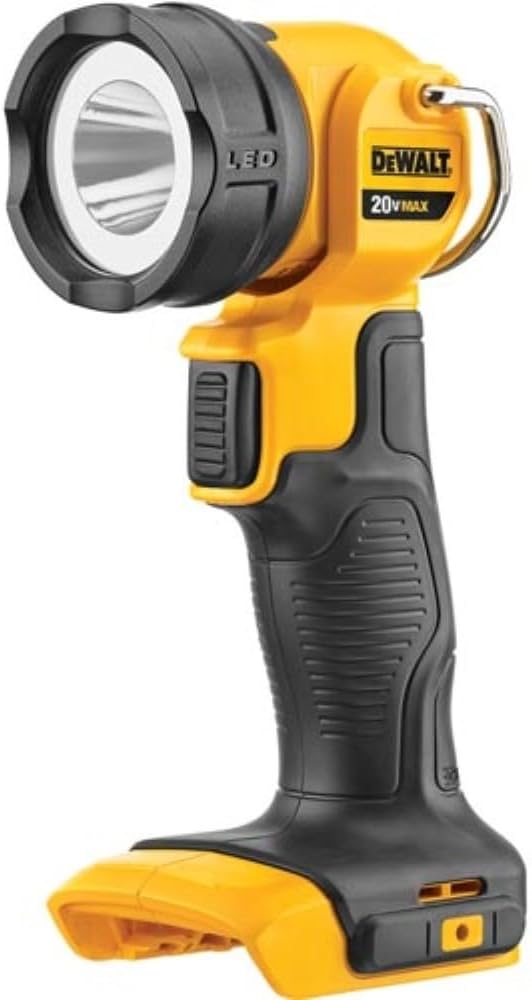
- Flashlight
- Mechanic’s stethoscope
- Compression tester
- Cylinder leak-down tester
- Oil drain pan
- Cooling system pressure tester
- Borescope
- Basic socket and spark plug socket set
- Clean white shop towels
This article is part of our Engine Maintenance & Repair Guides.
Serious internal engine damage usually shows up as a pattern, not a single symptom. Knocking noises, heavy smoke, metal in the oil, low compression, overheating, and repeated misfires can all point to damaged bearings, pistons, rings, valves, head gaskets, or even a cracked block.
The goal of diagnosis is to separate major internal failure from problems that only feel catastrophic, such as a bad ignition coil, fuel issue, leaking injector, weak battery, or accessory noise. A careful step-by-step inspection can save you from replacing an engine unnecessarily.
If the engine is making a loud rod knock, has no oil pressure, is overheating badly, or is locked up, do not keep running it. A few more minutes of operation can turn a repairable problem into a complete engine failure.
Common Symptoms That Suggest Internal Engine Damage
Internal engine damage often creates several symptoms at once. One symptom by itself is not proof, but a combination of noise, poor performance, fluid contamination, and failed mechanical tests strongly points to a serious problem.
- A deep knocking or hammering noise that gets louder with rpm or load can indicate worn rod or main bearings.
- A sharp ticking from the valvetrain area can point to a collapsed lifter, worn cam lobe, rocker issue, or valve damage.
- Heavy blue exhaust smoke usually means the engine is burning oil through worn rings, damaged pistons, or valve guide seals.
- Thick white smoke with coolant loss may indicate a blown head gasket, cracked head, or cracked block.
- Low power, rough idle, and repeated misfire codes can be caused by compression loss in one or more cylinders.
- Milky oil, oily coolant, or bubbling in the cooling system can signal internal leakage between oil, coolant, and combustion chambers.
- Very low oil pressure or an oil pressure warning light combined with noise is a major red flag for bearing or lubrication damage.
- An engine that cranks unusually fast may have little or no compression in multiple cylinders.
- An engine that will not turn by hand may be seized from overheating, bearing failure, or a broken internal part.
Safety and When to Stop Testing
You can perform several useful checks at home, but you should not keep running an engine that is already showing signs of severe mechanical failure. The purpose of testing is to confirm the likely cause with the least additional damage.
- Stop running the engine immediately if oil pressure is near zero, the engine is overheating, or the knock is loud and constant.
- Do not open a hot cooling system.
- Disable fuel and ignition before performing compression or leak-down tests.
- If the engine has thrown a rod, has a hole in the block, or is seized solid, further testing may be limited to inspection only.
Start With Basic Checks Before Assuming the Worst
Scan for Trouble Codes
Use an OBD-II scanner and record all stored and pending codes. Misfire codes, cam/crank correlation codes, knock sensor activity, oil pressure-related messages, and overheating codes add context. Codes do not prove internal damage, but they help you narrow the affected cylinders or systems.
Check Oil Level and Condition
Pull the dipstick before starting the engine. Oil that is glittery, full of metallic flakes, smells badly burnt, or looks milky is a major clue. Fine metallic sparkle can suggest bearing or valvetrain wear. Thick milkshake-like oil can point to coolant contamination.
Check Coolant Condition
Look in the radiator or reservoir when the engine is cool. Oil floating in coolant, unexplained coolant loss, or continuous bubbling after startup can suggest combustion gases entering the cooling system. Rusty coolant alone does not prove internal damage, but contamination matters.
Rule Out External Noises
A bad alternator bearing, tensioner, A/C compressor, flexplate, or exhaust leak can sound severe. If safe, listen carefully with a stethoscope. Accessory noise is usually more external and localized. Internal knock tends to come from the engine block or oil pan area and changes predictably with engine load and rpm.
Listen to the Type of Noise
Engine noises can provide important clues about what failed internally. While sound alone is not enough for a final diagnosis, it helps determine what tests to run next.
- A deep lower-end knock that gets worse under throttle often points to connecting rod bearing damage.
- A dull thud at all times may suggest main bearing wear.
- A piston slap noise is often louder when cold and may lessen somewhat as the engine warms, though severe piston damage can remain noisy.
- A light top-end ticking may come from lifters, rocker arms, valve lash issues, or camshaft wear.
- A chirp or puffing noise from the intake or exhaust can be associated with a burned valve or compression leak.
- A sudden loud metallic bang followed by a no-start may indicate a broken timing component or major rotating assembly failure.
If you suspect rod knock, avoid repeated revving to ‘confirm’ the sound. That can finish off a failing bearing and damage the crankshaft beyond repair.
Tools That Make This Job Easier


Inspect the Oil for Metal
One of the most useful DIY checks is inspecting the engine oil and filter contents. Drain the oil into a clean pan if you are already near a service interval or if the engine may be damaged.
What to Look For
- Fine silver glitter can indicate bearing or internal wear.
- Copper or bronze-colored particles can point to bearing material.
- Larger shiny flakes or chips may suggest piston, ring, cam, or other hard-part damage.
- Heavy sludge may indicate poor maintenance and oil starvation risk.
Cutting open the oil filter can reveal trapped metal that the drain pan misses. If you find obvious metallic debris, especially copper-colored material or non-magnetic flakes, serious internal wear is likely.
Check for Compression Problems
A compression test is one of the best first-line mechanical tests for suspected internal engine damage. It helps identify worn rings, damaged pistons, burned valves, timing problems, or head gasket failure.
How to Perform a Compression Test
- Warm the engine if possible, then shut it off. If running it is unsafe, test cold and note that readings may be lower.
- Disable fuel and ignition.
- Remove all spark plugs.
- Hold the throttle open if applicable.
- Install the compression gauge in one cylinder.
- Crank the engine for several revolutions until the reading peaks.
- Record the reading and repeat for all cylinders.
How to Interpret Results
Exact numbers vary by engine, so compare your readings to service information if available. In general, the cylinders should be fairly even. One cylinder that is much lower than the rest suggests a localized problem like a burned valve, broken ring, damaged piston, or head gasket leak. Multiple low cylinders can point to timing issues, general wear, or a major head gasket failure between cylinders.
If a low cylinder improves significantly after adding a small amount of oil for a wet compression test, ring or cylinder wall wear becomes more likely. If it does not improve, suspect valves, head gasket leakage, or a cracked component.
Use a Leak-Down Test to Pinpoint the Failure
A leak-down test is more precise than a compression test because it shows where the cylinder is losing pressure. This is one of the best ways to confirm whether the problem is in the rings, valves, or head gasket.
Basic Leak-Down Process
- Bring the cylinder being tested to top dead center on the compression stroke.
- Connect the leak-down tester and shop air according to the tool instructions.
- Apply pressure and read the percentage of leakage.
- Listen for where the air escapes.
What the Escaping Air Means
- Air heard at the oil filler, dipstick tube, or crankcase points to worn rings, a damaged piston, or cylinder wall damage.
- Air from the throttle body or intake suggests an intake valve that is not sealing.
- Air from the tailpipe points to an exhaust valve sealing problem.
- Bubbles in the radiator or coolant reservoir suggest head gasket, cracked head, or block damage.
- Air moving into an adjacent spark plug hole may indicate a head gasket failure between cylinders.
Look for Signs of Head Gasket, Head, or Block Damage
Not all serious internal engine damage involves bearings or pistons. Some of the most expensive failures are combustion leaks into the cooling system or coolant leaks into the cylinders.
Typical Clues
- Unexplained coolant loss with no visible external leak
- White exhaust smoke after warm-up, especially with a sweet smell
- Bubbles in the radiator during cranking or after startup
- One or two spark plugs that look steam-cleaned compared to the others
- Repeated overheating followed by rough running
- Milky residue under the oil cap, especially if combined with coolant loss
A cooling system pressure test can help reveal internal leakage. If pressure drops with no visible external leak, remove spark plugs and inspect cylinders for coolant intrusion. A borescope can help you identify wet pistons, washed cylinder walls, or visible damage.
Recommended Tools for This Job


Inspect the Spark Plugs and Combustion Chambers
Spark plugs provide a quick look into each cylinder. Remove and label them by cylinder so you can compare patterns.
- An oil-fouled plug can indicate oil control problems, worn rings, or valve guide issues in that cylinder.
- A plug with a smashed electrode can suggest foreign object damage or contact from a broken internal part.
- A very clean plug in an otherwise dirty set can indicate coolant entering that cylinder.
- Heavy black carbon on one cylinder may point to poor combustion, low compression, or injector issues.
If you have a borescope, inspect the piston tops and cylinder walls. Look for scoring, broken piston crowns, excessive oil pooling, coolant washing, or contact marks from internal failure.
Distinguish Internal Damage From Other Problems
Before concluding the engine is ruined, rule out faults that can mimic major damage. Many engines with ignition or fuel problems run very poorly, misfire heavily, and smoke temporarily without having damaged internals.
- A bad ignition coil or plug can cause a severe misfire but will not usually create low compression.
- A leaking injector can wash down a cylinder and create rough running, fuel smell, and poor numbers that improve after repair.
- A jumped timing chain or belt can cause multiple low compression readings and valve damage on interference engines, so verify valve timing if symptoms fit.
- A clogged PCV system can increase oil consumption and smoke without requiring a complete engine overhaul.
- An external coolant leak can mimic head gasket symptoms if you focus only on overheating and coolant loss.
How to Judge Severity and Decide on Next Steps
Once you finish the inspection and tests, decide whether the engine is safe to run, worth repairing, or better replaced. The diagnosis matters because some internal problems are localized while others mean the entire engine is compromised.
Signs the Engine May Still Be Repairable
- Compression loss is limited to one cylinder and leak-down points to a valve issue or head gasket problem.
- There is no significant metal in the oil.
- Oil pressure is still normal.
- No deep lower-end knock is present.
- The engine has not severely overheated or seized.
Signs Replacement or Full Rebuild Is More Likely
- Rod knock, main bearing noise, or very low oil pressure
- Heavy metal contamination in oil or filter
- Multiple cylinders with poor compression from ring or piston damage
- A cracked block, hole in the block, or seized rotating assembly
- Severe overheating followed by widespread loss of compression
If the vehicle is older or high-mileage, compare the cost of a used engine, remanufactured engine, or major repair against the car’s overall value and condition. Even if you can do some labor yourself, machine work and internal parts add up quickly.
When a Professional Diagnosis Makes Sense
DIY testing can identify most serious engine failures, but a professional inspection may be the best move if the results are mixed or the repair decision is expensive. A shop can perform advanced diagnostics such as in-cylinder pressure analysis, oil pressure verification with a mechanical gauge, cooling system combustion gas testing, and teardown inspection.
Paying for a solid diagnosis is often cheaper than replacing parts blindly or buying an engine you may not need.
Key Takeaways
- Do not keep running an engine with loud knocking, overheating, or no oil pressure because extra runtime can destroy repairable parts.
- Check the oil, coolant, scan codes, spark plugs, and engine noise pattern before assuming the engine needs replacement.
- Use compression and leak-down testing together because they are the fastest way to confirm whether damage is in the rings, valves, or head gasket.
- Metal in the oil, low oil pressure, and lower-end knocking usually point to major internal wear and a likely rebuild or replacement.
- If test results are unclear and the repair is expensive, get a professional mechanical diagnosis before making a final decision.
FAQ
Can a Bad Misfire Feel Like Serious Internal Engine Damage?
Yes. A severe ignition or fuel misfire can make the engine shake, lose power, and even backfire. The difference is that true internal damage usually shows up in compression or leak-down testing, abnormal oil condition, or mechanical noise.
What Noise Most Strongly Suggests Internal Engine Damage?
A deep knocking noise from the lower engine that gets worse with rpm or load is one of the strongest warning signs, especially if it is paired with low oil pressure or metal in the oil.
Will a Check Engine Light Confirm Internal Engine Damage?
No. The check engine light only tells you the engine management system has detected a fault. Misfire and correlation codes can support your diagnosis, but mechanical tests are needed to confirm internal damage.
Can I Drive with Suspected Internal Engine Damage?
It is risky. If the engine has a knock, overheating issue, low oil pressure, heavy smoke, or coolant contamination, driving it can make the damage much worse. Towing is the safer choice.
Does Low Compression Always Mean the Engine Is Worn Out?
No. Low compression can come from a burned valve, head gasket leak, timing issue, or temporary cylinder wash-down. That is why a leak-down test and follow-up inspection are so important.
What Does Metal in the Oil Usually Mean?
It usually means internal wear or failure. Fine glitter can indicate wear, while larger flakes or copper-colored material can point to more serious bearing or hard-part damage.
Can a Blown Head Gasket Count as Serious Internal Engine Damage?
Yes, especially if it allows coolant into cylinders or oil passages, causes overheating, or warps the cylinder head. Some head gasket failures are repairable, but severe overheating can turn them into full engine replacement cases.
Is a Compression Test Enough by Itself?
Not usually. A compression test is a great screening tool, but a leak-down test gives much better information about where the cylinder is losing pressure and what component is likely damaged.
Need Parts for This Repair?
The right parts and supplies vary by vehicle.
Select your make and model to find compatible parts and accessories for your car.
Exact Fit
Parts that fit your make and model
Quality You Can Trust
Top brands and OEM quality options
Fast Shipping
Get the parts you need, delivered fast