

Note: This article contains affiliate links. If you click on these links and make a purchase, I may earn a small commission at no extra cost to you. This helps support my research and content. Read my full affiliate disclosure here.
What You’ll Need
A quick look at the tools and supplies commonly used for this job.
Tools
- OBD2 scan tool
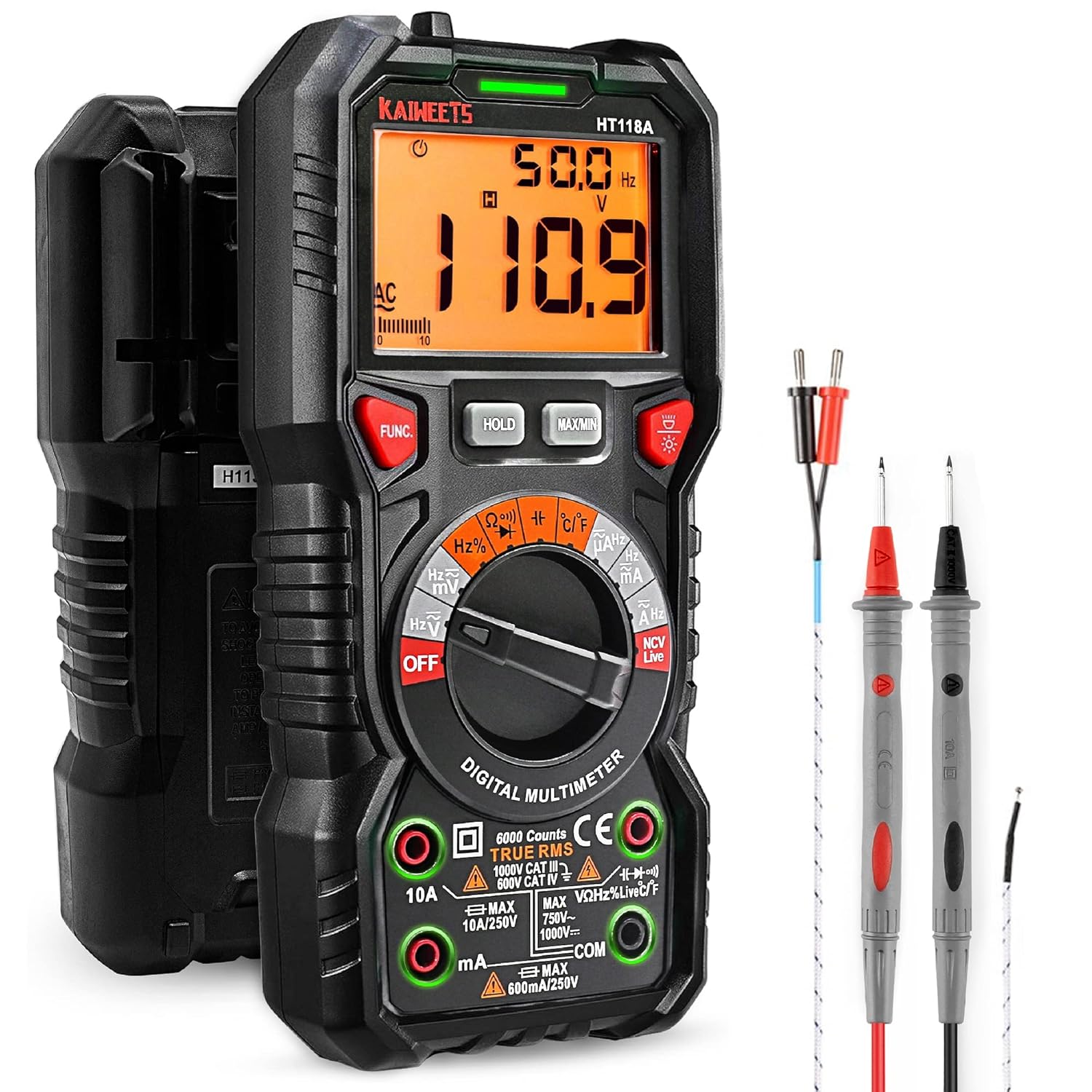
- Digital multimeter
- Flashlight
- Basic socket and screwdriver set
- Throttle body or intake cleaner
- Shop rags
- Vacuum line pliers or hose pinch pliers
- Vehicle repair manual or wiring diagram
Parts & Supplies
- Replacement idle air control valve
- Idle air control valve gasket or O-ring
- Replacement vacuum hose if cracked
- Throttle body gasket if removed
This article is part of our Engine Maintenance & Repair Guides.
Idle air control valve problems can cause rough idle, stalling, hard starting, or an engine that races when your foot is off the gas. The challenge is that those same symptoms can also come from vacuum leaks, a dirty throttle body, sensor faults, or charging issues.
A smart diagnosis starts by confirming the symptom, checking for trouble codes, and testing the valve and its circuit instead of replacing parts on a guess. On many vehicles, the idle air control valve, often called the IAC valve, meters bypass air around the throttle plate so the engine can maintain a stable idle under changing loads like air conditioning or power steering.
This guide walks through a DIY-friendly process to figure out whether the IAC valve is actually the problem, whether it is just dirty or sticking, or whether another fault is causing the unstable idle.
What the Idle Air Control Valve Does
On older cable-throttle systems and many earlier electronic systems, the IAC valve controls how much air bypasses the closed throttle plate at idle. The engine computer commands the valve open or closed to keep idle speed stable during cold starts, gear changes, accessory loads, and deceleration.
If the valve sticks, responds slowly, loses electrical control, or its air passage gets carboned up, the engine may idle too low, too high, surge up and down, or stall when coming to a stop. Some newer vehicles do not use a separate IAC valve because idle speed is controlled by the electronic throttle body, so make sure your vehicle actually has a serviceable IAC valve before diagnosing one.
Common Symptoms That Point to an IAC Valve Issue
A bad or dirty IAC valve usually affects the engine most when your foot is off the accelerator. Pay close attention to when the problem appears, because that pattern helps separate an IAC issue from ignition, fuel delivery, or transmission problems.
- Idle speed is too low, especially right after start-up or when shifting into Drive.
- Idle speed is too high and stays elevated even after the engine warms up.
- Idle surges up and down without touching the throttle.
- Engine stalls when coming to a stop or when the A/C compressor cycles on.
- Cold starts require feathering the gas pedal to keep the engine running.
- The engine idles poorly but runs better at higher RPM.
These symptoms suggest the engine cannot control bypass air correctly at idle, but they do not prove the valve itself is bad. A vacuum leak, dirty throttle plate, poor charging voltage, or incorrect sensor input can create the same behavior.
Before You Test: Rule Out the Most Common Look-Alikes
Check for Vacuum Leaks
Cracked vacuum hoses, leaking intake gaskets, a split PCV hose, or an air duct leak can raise idle speed or cause unstable idle. Inspect every hose between the air filter box and intake manifold, especially small molded elbows and lines connected near the throttle body.
Inspect the Throttle Body
Heavy carbon around the throttle plate can reduce airflow at closed throttle and force the computer to overcorrect idle. On engines with a separate IAC passage, that passage can also clog with carbon and make the valve appear faulty even when the motor inside still works.
Look for Charging or Ground Problems
Low system voltage can make idle control erratic because the computer and IAC motor or solenoid do not respond correctly. If the battery warning light has been on, lights dim at idle, or the engine runs poorly with accessories on, check battery condition and alternator output before blaming the valve.
Confirm Your Engine Is Otherwise Healthy
Misfires, low fuel pressure, and major ignition problems can mimic idle control issues. If the engine shakes badly at all RPM, smells strongly of raw fuel, or sets misfire codes, diagnose those problems first.
Scan for Trouble Codes and Live Data
Connect an OBD2 scan tool and check for stored, pending, and history codes. Some vehicles set IAC-specific codes such as P0505, P0506, or P0507, but many do not. Even when no direct IAC code is present, related codes can point you toward the real cause.
- P0505 may indicate an idle control system malfunction.
- P0506 often points to idle speed lower than expected.
- P0507 often points to idle speed higher than expected.
- Lean codes like P0171 or P0174 may suggest a vacuum leak rather than a failed IAC valve.
- Throttle position, coolant temperature, and charging-system-related faults can affect idle strategy.
If your scan tool shows live data, look at coolant temperature, throttle position, short- and long-term fuel trim, commanded idle speed, and actual idle speed. A cold engine reading unrealistically warm may skip fast idle and stall. Very positive fuel trims at idle that improve off idle strongly suggest a vacuum leak.
Tools That Make This Job Easier


Perform a Basic Visual Inspection
Before unplugging parts, inspect the IAC valve body, connector, and harness. Most IAC valves are mounted on or near the throttle body with a two-wire, four-wire, or multi-pin connector depending on design.
- Check the connector for broken locking tabs, corrosion, oil contamination, or loose terminals.
- Inspect the wiring harness for rubbing, melted insulation, or previous repair splices.
- Look for carbon buildup around the IAC air passage and throttle bore.
- Check that the IAC mounting bolts are tight and the gasket is not damaged.
- Inspect nearby vacuum hoses and the intake duct for cracks or disconnections.
If you find green corrosion, damaged pins, or an intake leak right away, repair that first. Many apparent valve failures turn out to be connector or unmetered-air problems.
Listen and Observe How the Engine Reacts
Start the engine and observe idle behavior in Park and, if safe, in Drive with the brake firmly applied. Turn accessories on one at a time, such as the air conditioning, headlights, and rear defroster.
A healthy idle control system should compensate for added load with only a small dip in RPM before stabilizing. If the engine stalls or nearly stalls every time a load is added, the IAC valve may be sticking closed, the passage may be blocked, or the computer may not be commanding the valve correctly.
If the idle hangs high after revving the engine and slowly drops back down, suspect a sticky IAC pintle, carbon buildup, or a vacuum leak. If the idle is unstable only during cold starts, include coolant temperature sensor data in your diagnosis.
Test the IAC Valve by Unplugging It
On many vehicles, unplugging the IAC valve while the engine is idling will cause a noticeable change in idle speed or quality. The exact result depends on the design and where the valve was positioned when you disconnected it.
- If unplugging the valve causes no change at all, the valve may already be stuck, the passage may be blocked, or the circuit may be dead.
- If idle gets much worse or the engine stalls, the valve was likely doing something and the circuit is at least partly functional.
- If idle remains abnormally high even with the valve unplugged, suspect a vacuum leak or throttle plate issue.
Do not treat this as a final test by itself. It is only a quick functional check, and some systems may react slowly or set a fault code after disconnection.
Remove and Inspect the Valve
With the engine off and the battery disconnected if your service information recommends it, remove the IAC valve from the throttle body. Inspect the pintle, air passage, and gasket area.
- Heavy carbon on the pintle or seat can prevent the valve from moving freely.
- A torn O-ring or gasket can create an air leak and abnormal idle speed.
- Oil sludge inside the passage may indicate a PCV system issue contributing to contamination.
- Physical damage to the pintle or housing usually means replacement is the better choice.
Clean carbon deposits with throttle body or intake cleaner and a rag. Avoid forcing or twisting the pintle unless your service manual explicitly says it is safe. Some IAC motors can be damaged by pushing the pintle in by hand.
Check Electrical Resistance and Power Supply
Use a digital multimeter and your wiring diagram to test the valve correctly. The procedure varies by design. Some IAC valves are stepper motors with multiple coils, while others are simple duty-cycle-controlled solenoids.
Resistance Check
With the valve disconnected, measure resistance across the specified terminals. Compare the reading with factory specifications. An open circuit, shorted coil, or reading far outside spec usually confirms a failed valve.
Power and Ground Check
With the key on, verify that the connector has the proper reference voltage or battery voltage where required. Also check for a good ground or computer-controlled ground path, depending on system design.
Harness Integrity Check
If the valve tests good but the connector lacks power, ground, or command signals, trace the harness back for breaks, corrosion, or poor terminal fit. Wiggle the harness gently while monitoring voltage if the problem seems intermittent.
If you do not have factory specs, resistance testing is still useful for spotting an obviously open or shorted coil, but avoid condemning the valve solely on a number found online for a different engine family.
Recommended Tools for This Job


Use Scan Tool Commands if Available
A professional or advanced consumer scan tool may let you command the idle air control valve open and closed. This is one of the best tests because it compares the computer’s command with the engine’s actual response.
- If commanded movement changes RPM as expected, the valve and passage are probably functioning.
- If the command changes but RPM does not, the valve may be stuck or the air passage may be blocked.
- If there is no command activity, suspect wiring, PCM driver issues, or system conditions preventing idle control operation.
If your scan tool shows IAC counts or steps, compare the reading to idle behavior. Extremely high counts with low idle can mean the computer is trying to add air but the valve or passage cannot deliver it. Very low counts with high idle can point to a vacuum leak.
How to Tell an IAC Problem From a Vacuum Leak
This is one of the most important distinctions in idle diagnosis. Both faults can create rough or high idle, but the clues are different.
- A vacuum leak often causes high idle, lean codes, hissing noises, and fuel trims that are strongly positive at idle.
- A stuck-closed or clogged IAC often causes low idle or stalling when loads increase.
- A stuck-open IAC can mimic a vacuum leak by causing high idle, but fuel trims may look less lean than with a true leak.
- Spray or smoke testing around the intake system can help confirm a leak if done safely and correctly.
If the engine speed changes when you gently flex a vacuum hose or when smoke escapes around the intake, fix the leak before replacing the IAC valve. The computer cannot control idle properly when unmetered air is entering the engine.
When Cleaning Fixes the Problem and When Replacement Makes Sense
If the valve was heavily carboned up, the pintle was sticky, and the engine idles normally after cleaning the valve and throttle body passage, replacement may not be necessary. Clear codes, complete an idle relearn if required, and retest with the engine cold and hot.
Replacement makes more sense when the valve fails resistance tests, has physical damage, sticks again quickly after cleaning, or never responds to commands despite proper power and ground. Always install a new gasket or O-ring if the design uses one, because even a small mounting leak can create a false diagnosis.
After replacement, some vehicles need an idle relearn procedure. That may involve starting the engine without accessories, letting it idle to operating temperature, or following a scan-tool-guided relearn. Skipping this step can leave the idle unstable even with a good new valve.
Mistakes to Avoid During Diagnosis
- Replacing the IAC valve before checking for vacuum leaks and carbon buildup.
- Using the wrong cleaner or flooding the electrical side of the valve with solvent.
- Forcing the pintle inward by hand on a design that can be damaged.
- Ignoring battery voltage and ground quality during electrical testing.
- Skipping the throttle body inspection when diagnosing idle complaints.
- Assuming every rough idle is an IAC issue instead of checking for misfires or fuel problems.
What to Do Next Based on Your Results
If the valve is dirty but electrically sound, clean it and the idle air passage, then recheck idle stability under load. If the valve fails resistance tests or has good power and ground but no movement, replace it. If the valve checks out but fuel trims are lean or idle remains high, inspect more closely for vacuum leaks.
If the engine still idles poorly after cleaning or replacing the valve, shift your focus to the throttle body, coolant temperature sensor, charging system, PCV system, and intake leaks. A methodical process saves money and avoids replacing a working part.
Key Takeaways
- Check for vacuum leaks and throttle body carbon before condemning the idle air control valve.
- Use scan data, electrical tests, and engine response tests together because one quick check is not enough.
- Low idle or stalling under load often points to a stuck or blocked IAC passage, while high idle often suggests a leak.
- Clean a dirty valve and passage first if the valve is electrically sound and not physically damaged.
- If a replacement valve is installed, complete any required idle relearn so the engine computer can control idle correctly.
FAQ
Can a Bad Idle Air Control Valve Cause Stalling Only at Stoplights?
Yes. A sticking or clogged IAC valve often shows up when the throttle closes and the engine suddenly needs controlled bypass air to stay running. If the engine stalls mainly when coming to a stop or when the A/C turns on, the IAC system is worth testing.
Will a Check Engine Light Always Come on for a Bad IAC Valve?
No. Some vehicles set idle control codes, but others may only show symptoms with no direct IAC code. That is why live data, visual inspection, and electrical testing are important.
Can I Clean an Idle Air Control Valve Instead of Replacing It?
Often, yes. If the problem is carbon buildup and the valve’s coil or motor is still good, cleaning the valve and the idle air passage can restore normal idle. Replace it if it fails electrical tests, is physically damaged, or remains stuck after cleaning.
What Is the Difference Between a Vacuum Leak and a Bad IAC Valve?
A vacuum leak lets unmetered air into the engine and commonly causes high idle and lean fuel trims. A bad IAC valve affects the engine’s ability to control idle airflow, often causing low idle, surging, or stalling under load, though a stuck-open valve can also cause high idle.
Is It Safe to Drive with IAC Valve Problems?
Sometimes for a short distance, but it is not ideal. Unstable idle can cause stalling in traffic, poor cold starts, and unpredictable operation with the A/C or steering load. Diagnose it soon, especially if the engine stalls at intersections.
Do All Cars Have an Idle Air Control Valve?
No. Many newer vehicles use electronic throttle control to manage idle speed and do not have a separate serviceable IAC valve. Check your engine layout or service information before looking for one.
Why Did My Idle Get Worse After Replacing the IAC Valve?
Possible reasons include a missed vacuum leak, a poor-quality replacement part, a damaged gasket, a dirty throttle body that was not cleaned, or a required idle relearn that was skipped. Recheck installation and scan for codes.
Need Parts for This Repair?
The right parts and supplies vary by vehicle.
Select your make and model to find compatible parts and accessories for your car.
Exact Fit
Parts that fit your make and model
Quality You Can Trust
Top brands and OEM quality options
Fast Shipping
Get the parts you need, delivered fast