

Note: This article contains affiliate links. If you click on these links and make a purchase, I may earn a small commission at no extra cost to you. This helps support my research and content. Read my full affiliate disclosure here.
Repair Snapshot
Use a mechanic if fuel pressure testing, smoke testing, injector diagnostics, or wiring diagnosis is beyond your comfort level. Get professional help right away if the engine is misfiring badly, stalling in traffic, or leaking fuel.
This article is part of our Engine Maintenance & Repair Guides.
Fuel trim problems mean the engine computer is adding or subtracting fuel because the air-fuel mixture is not where it should be. That does not automatically mean a bad oxygen sensor or a bad fuel injector. In many cases, the real cause is unmetered air, a dirty mass air flow sensor, low fuel pressure, or an exhaust leak that fools the sensors.
If your car has a check engine light, rough idle, poor fuel economy, hesitation, or lean and rich trouble codes like P0171, P0174, P0172, or P0175, fuel trim data can point you toward the root problem. The key is to diagnose the pattern instead of replacing parts at random.
This guide shows you how to read short-term and long-term fuel trim, what numbers are normal, how to separate air leaks from fuel delivery problems, and what repair steps usually fix the issue on a typical gas-powered vehicle.
What Fuel Trim Means
Fuel trim is the engine computer’s correction to injector pulse width. Short-term fuel trim (STFT) is the quick adjustment happening in real time, while long-term fuel trim (LTFT) is the slower learned correction stored over time. The computer uses oxygen sensor feedback to decide whether it needs to add fuel or remove fuel.
- Positive fuel trim means the computer is adding fuel because it sees a lean condition.
- Negative fuel trim means the computer is subtracting fuel because it sees a rich condition.
- Small movement is normal, especially for STFT at idle and during throttle changes.
- Large positive or negative numbers usually mean there is a real engine, air, fuel, or sensor problem.
As a rule of thumb, trims close to 0 are ideal. Many healthy engines will show STFT moving around a few percent and LTFT somewhere within about plus or minus 5 percent. Once combined trims start getting closer to plus 10 percent, plus 15 percent, or more, diagnosis is usually justified. The same idea applies in the negative direction for rich-running problems.
Common Symptoms of Fuel Trim Problems
Fuel trim issues do not always feel the same. Some cars only turn on the check engine light, while others drive poorly or use much more fuel than normal.
- Check engine light with lean or rich mixture codes
- Rough idle, especially when cold or in gear
- Hesitation, stumble, or lack of power
- Hard starting or extended cranking
- Poor fuel economy
- Fuel smell from the exhaust
- Occasional misfire codes or idle surge
A lean problem is often more noticeable at idle, while some fuel delivery issues show up more under load. Watching how the trims change at idle versus 2,500 rpm is one of the fastest ways to narrow down the cause.
Trouble Codes Often Linked to Fuel Trim
Before touching anything, scan for stored and pending codes and save the freeze-frame data. Fuel trim problems often appear with a set of related codes rather than just one.
- P0171 or P0174: system too lean on bank 1 or bank 2
- P0172 or P0175: system too rich on bank 1 or bank 2
- P0101 to P0104: mass air flow sensor performance or circuit issues
- P013x or P015x: oxygen sensor faults that may be cause or effect
- P0300 to P030x: random or cylinder-specific misfires from mixture problems
- EVAP or purge valve codes that may point to a vapor control issue affecting mixture
Do not assume the first code names the bad part. For example, an oxygen sensor code can be set because the engine is genuinely running lean, not because the sensor itself has failed.
How to Read Fuel Trim Data Correctly
Check the Data at Idle
Warm the engine fully and watch STFT and LTFT for each bank at idle. If trims are strongly positive at idle, especially over about plus 10 to plus 15 percent combined, suspect a vacuum leak, intake leak, PCV issue, or low idle airflow reading from a dirty MAF sensor.
Check the Data at 2,500 Rpm with No Load
Hold the engine around 2,500 rpm and compare the trims. If the trims improve significantly off idle, a vacuum leak becomes more likely because manifold vacuum drops and the leak has less effect. If trims stay lean or get worse, think about MAF underreporting, fuel pressure problems, injector restriction, or exhaust leaks ahead of the oxygen sensor.
Compare Bank 1 and Bank 2
If only one bank is affected, the problem is often localized: an intake gasket leak on one side, a single exhaust leak, a bank-specific sensor issue, or injector problems on one side of a V engine. If both banks show similar high positive trim, suspect a shared issue like a dirty MAF sensor, low fuel pressure, a large vacuum leak, or a stuck-open purge valve.
Look at Related Live Data
- MAF grams per second at idle and under light throttle
- Upstream oxygen sensor switching behavior or air-fuel ratio sensor readings
- Engine coolant temperature to confirm the engine is reaching normal temperature
- Calculated load and throttle position
- Fuel system status showing closed loop operation
- Misfire counters if your scan tool supports them
Tools That Make This Job Easier


Most Common Causes of Positive Fuel Trim
Positive trim means the computer is adding fuel to make up for a lean condition. These are the faults DIY owners most often find.
- Vacuum leaks at hoses, intake boots, PCV lines, brake booster hoses, or intake manifold gaskets
- Dirty or failing mass air flow sensor
- Cracked air intake duct between the MAF sensor and throttle body
- Low fuel pressure from a weak pump, clogged filter, or bad regulator
- Restricted or dirty fuel injectors
- Exhaust leak ahead of the upstream oxygen sensor
- Stuck-open EVAP purge valve allowing extra air or vapor at the wrong time
On high-mileage vehicles, more than one of these can be present at the same time. That is why observing fuel trim patterns matters more than replacing the first suspect part.
Most Common Causes of Negative Fuel Trim
Negative trim means the computer is pulling fuel because it sees a rich condition. Some causes are mechanical, while others are sensor or control related.
- Leaking or dripping fuel injectors
- Excessive fuel pressure from a regulator or control issue
- Contaminated or over-oiled MAF sensor causing overreported airflow
- Stuck-open purge valve feeding fuel vapor constantly
- Restricted air intake or badly clogged air filter
- Faulty coolant temperature sensor making the engine think it is cold
- Misfires that leave oxygen low in the exhaust and distort trim readings on some systems
Rich conditions can damage the catalytic converter if ignored, so avoid extended driving when trims are heavily negative and the exhaust smells strongly of fuel.
Step-by-Step Diagnosis
Start with a Visual Inspection
Open the hood and inspect the intake system before disconnecting or replacing anything. Look for split vacuum lines, a loose oil cap, disconnected PCV hoses, damaged intake boots, missing hose clamps, and obvious signs of fuel leakage. On many cars, a cracked intake tube after the MAF sensor is the whole problem.
Inspect the Air Filter and Intake Ducting
A heavily restricted air filter can contribute to rich operation, and unmetered air entering after the MAF sensor can cause lean trims. Make sure the filter box is seated correctly and that the duct between the MAF and throttle body has no tears, especially in the folds underneath where cracks are easy to miss.
Check for Vacuum Leaks
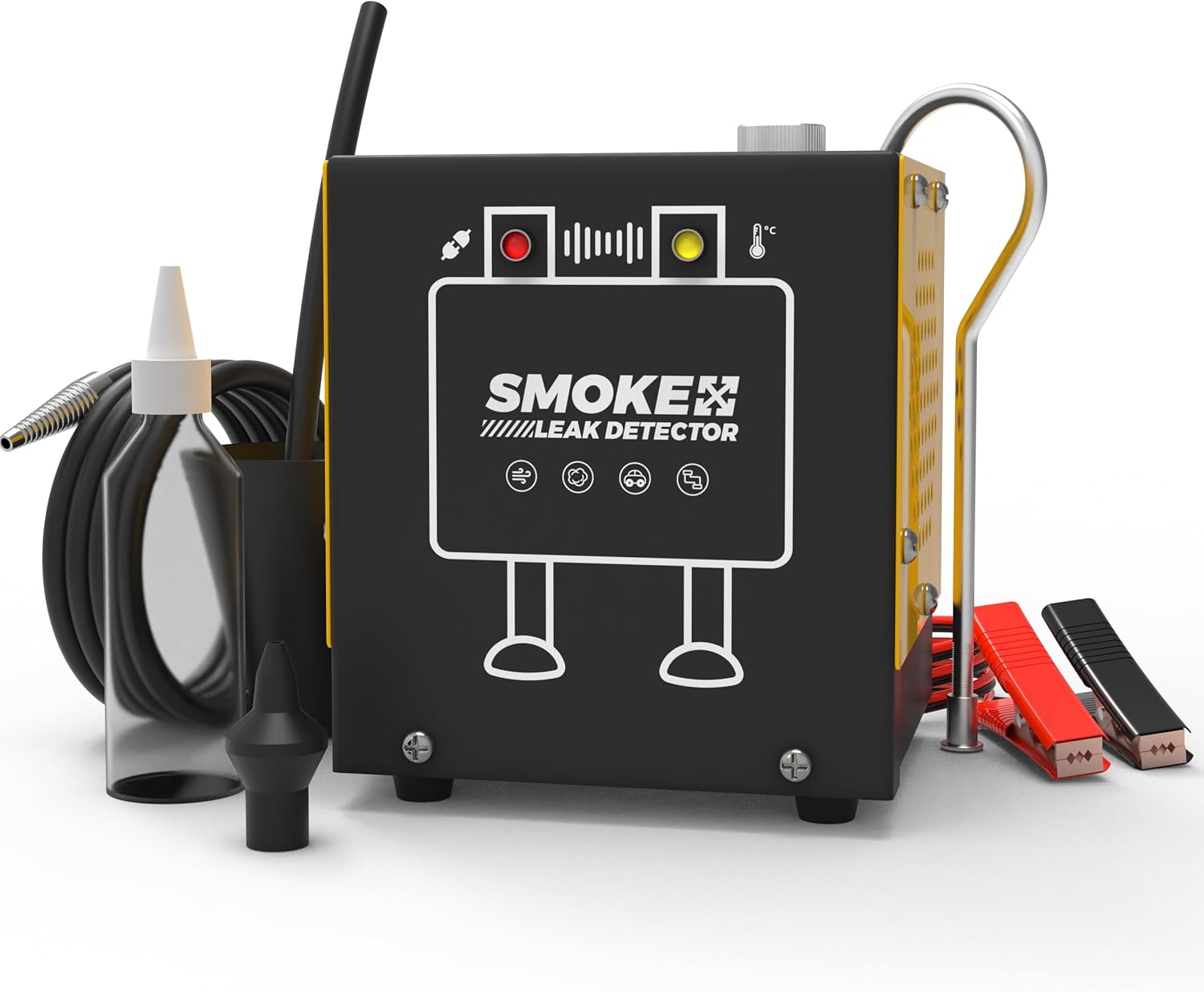
Listen for hissing around the intake manifold, throttle body, and vacuum hoses. A smoke tester is the best DIY method because it shows leaks clearly without guesswork. If you do not have one, you can still inspect hoses by hand and check suspect areas carefully. Focus on PCV lines, intake manifold gaskets, brake booster hose connections, and any vacuum tees.
Clean and Inspect the MAF Sensor
If your engine uses a MAF sensor, remove it carefully and spray only the sensing elements with MAF cleaner. Do not touch the wires with your fingers or tools. Let it dry fully before reinstalling. A dirty MAF often causes positive trims on both banks because the sensor underreports incoming air.
Check Purge Valve Behavior
A purge valve stuck open can create hard starting after refueling, rough idle, and abnormal fuel trims. With the engine idling, monitor trims while pinching off the purge hose temporarily if accessible and safe to do so. If trims improve sharply, inspect the purge valve and EVAP plumbing further.
Inspect for Exhaust Leaks Before the Upstream Sensor
An exhaust leak near the manifold or upstream oxygen sensor can pull in outside air and trick the sensor into reporting lean. Look for black soot marks, ticking noise on cold start, or loosened fasteners. This is especially important if only one bank shows a lean condition.
Test Fuel Delivery if Trims Stay Lean
If no air leak is found and the MAF looks good, check fuel pressure against factory specifications. Low pressure or poor volume can cause high positive trims, weak acceleration, and sometimes misfires under load. Depending on the vehicle, this may involve a mechanical gauge, scan tool data, or both.
Consider Injector Issues
Dirty injectors can cause lean trims, while leaking injectors can cause rich trims. If one bank or one cylinder is affected more than the rest, injector balance or cylinder contribution testing may be needed. That level of diagnosis is where many DIY owners choose to involve a professional shop.
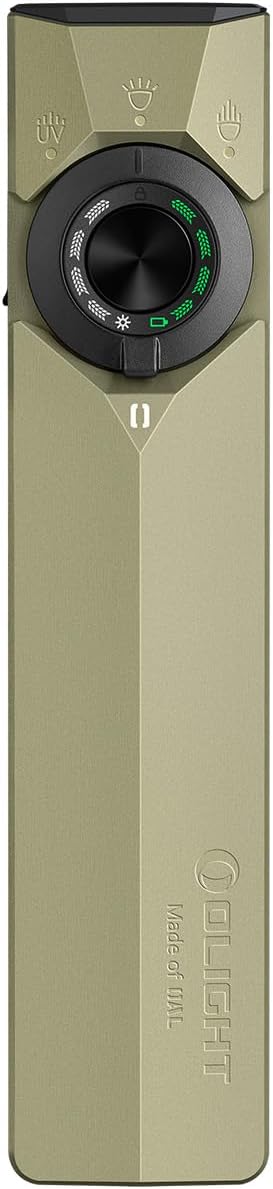
Recommended Tools for This Job

How to Fix the Problem Once You Find It
The repair depends on the failure you confirmed. The goal is to correct the root cause, not just clear the codes.
- Replace cracked or collapsed vacuum hoses and damaged intake boots.
- Reseat loose air intake connections and tighten clamps.
- Replace leaking intake manifold or throttle body gaskets if testing confirms a leak.
- Clean the MAF sensor with proper MAF cleaner and replace it only if testing supports failure.
- Repair exhaust leaks ahead of the upstream oxygen sensor.
- Replace a faulty purge valve that is stuck open or leaking internally.
- Replace a weak fuel pump, clogged filter, or bad regulator if fuel pressure is out of spec.
- Service or replace restricted or leaking injectors as needed.
If you clean a sensor or replace a simple hose, it is smart to inspect related items while you are there. For example, if a PCV hose split, check the valve and surrounding elbows too, since the same heat and age often affect them all.
After-Repair Checks
After making the repair, clear the codes and reset fuel trims if your scan tool allows it. Then perform a careful verification drive.
- Warm the engine fully and confirm it enters closed loop.
- Watch STFT and LTFT at idle, at 2,500 rpm, and during light cruise.
- Make sure combined trims have moved back closer to normal and no longer trend heavily positive or negative.
- Check for pending codes after the drive cycle.
- Reinspect the repaired area for vacuum leaks, fuel leaks, or loose clamps.
Do not expect STFT to stay at exactly zero. Small movement is normal. What you want is a stable correction pattern that is much closer to normal than before and no returning mixture codes.
Mistakes to Avoid
Fuel trim diagnosis goes wrong when parts are replaced before the data is understood. These mistakes waste time and money.
- Replacing oxygen sensors first without checking for vacuum, intake, or exhaust leaks
- Ignoring freeze-frame data that shows when the fault occurred
- Looking only at STFT and not the combined STFT plus LTFT picture
- Skipping a visual inspection of intake ducts and PCV hoses
- Using the wrong cleaner on a MAF sensor or touching the sensing wire
- Assuming a lean code always means low fuel pressure
- Clearing codes before recording live data and baseline trim numbers
When DIY Makes Sense and When It Does Not
Many fuel trim problems are very DIY-friendly when the cause is a bad hose, dirty MAF sensor, cracked intake tube, or obvious vacuum leak. If you have a decent scan tool and can compare idle versus cruise trim data, you can often narrow the fault quickly.
Professional help is worth it when diagnosis requires smoke testing, fuel pressure waveform analysis, injector balance testing, advanced oscilloscope work, or access to hard-to-reach components. That is especially true if trims are severe, misfires are present, or the car is unsafe to drive.
Key Takeaways
- High positive trims at idle that improve off idle usually point to a vacuum or intake air leak.
- Similar trim problems on both banks often suggest a shared cause like a dirty MAF sensor, low fuel pressure, or a stuck purge valve.
- Inspect the intake duct, PCV hoses, and MAF sensor before replacing oxygen sensors or injectors.
- Always compare fuel trims at idle and at 2,500 rpm, then confirm the repair with live data after clearing codes.
- If fuel pressure, injector testing, or smoke testing is needed and you lack the tools, a professional diagnosis can save money.
FAQ
What Fuel Trim Numbers Are Considered Normal?
On many engines, short-term trim moving a few percent around zero is normal, and long-term trim within about plus or minus 5 percent is usually healthy. Numbers consistently beyond about plus or minus 10 percent deserve closer diagnosis, especially if there are drivability symptoms or trouble codes.
Can a Bad Oxygen Sensor Cause Fuel Trim Problems?
Yes, but oxygen sensors are often blamed when they are only reporting a real lean or rich condition. Check for intake leaks, MAF problems, fuel delivery issues, and exhaust leaks before replacing sensors.
Why Are My Fuel Trims High at Idle but Better when I Rev the Engine?
That pattern commonly points to a vacuum leak or intake leak. At idle, engine vacuum is highest, so unmetered air has a stronger effect. As rpm rises and vacuum drops, the leak may influence trims less.
Can a Dirty MAF Sensor Cause Both Banks to Run Lean?
Yes. If the MAF underreports airflow, the computer injects too little fuel and then has to add fuel through positive trims. This often affects both banks similarly on engines with a single MAF sensor.
Will Fuel Injector Cleaner Fix Fuel Trim Problems?
It might help if mild injector deposits are the issue, but it will not fix vacuum leaks, cracked intake ducts, low fuel pressure, a bad purge valve, or a faulty sensor. Treat it as a minor maintenance step, not a guaranteed repair.
Should I Keep Driving with Fuel Trim Codes?
Short trips may be possible if the car runs normally, but it is best not to ignore the issue. Lean conditions can cause drivability problems and misfires, while rich conditions can damage the catalytic converter and waste fuel.
Do I Need a Scan Tool with Live Data to Diagnose Fuel Trim Issues?
It is strongly recommended. You can find obvious hose or intake problems without one, but live data is what lets you compare idle and cruise trims, identify bank differences, and confirm the repair properly.
Need Parts for This Repair?
The right parts and supplies vary by vehicle.
Select your make and model to find compatible parts and accessories for your car.
Exact Fit
Parts that fit your make and model
Quality You Can Trust
Top brands and OEM quality options
Fast Shipping
Get the parts you need, delivered fast