

Note: This article contains affiliate links. If you click on these links and make a purchase, I may earn a small commission at no extra cost to you. This helps support my research and content. Read my full affiliate disclosure here.
What You’ll Need
A quick look at the tools and supplies commonly used for this job.
Tools
Parts & Supplies
- Replacement spark plugs if needed
- Replacement ignition coil if testing confirms failure
- Dielectric grease
- Electrical contact cleaner
This article is part of our Engine Maintenance & Repair Guides.
Bad ignition coils can cause misfires, rough running, poor acceleration, and a flashing check engine light, but those symptoms can also be caused by plugs, wiring, fuel issues, or vacuum leaks.
The goal of diagnosis is to prove whether the coil itself is failing or whether it is only the part showing the symptom. On many modern engines, ignition coils are easy to access, which makes this a good DIY diagnostic job if you work carefully and avoid random parts swapping.
This guide walks through the most useful checks in order: confirm the symptom, scan for codes, inspect the coil and connector, isolate the cylinder, and test power, ground, and coil response before deciding what to replace.
What Bad Ignition Coils Usually Feel Like
An ignition coil converts battery voltage into the high voltage needed to fire the spark plug. When it weakens or fails, the spark may become intermittent or disappear entirely on one cylinder or several cylinders. That creates a misfire, and the engine control module usually notices it quickly.
- Rough idle, especially when warm.
- Engine hesitation or bucking under load.
- Noticeable loss of power during acceleration.
- Flashing or steady check engine light.
- Poor fuel economy and raw fuel smell from the exhaust.
- Hard starting, especially in damp weather.
A single bad coil often causes a consistent misfire on one cylinder. Multiple failing coils, a shared power supply issue, or a PCM control problem may cause several cylinders to misfire at once. If the symptom only happens under load, such as climbing a hill or accelerating onto the highway, that often points to weak spark output rather than a total dead coil.
Safety Before You Start
Ignition systems can produce very high voltage. Do not pull plug wires or touch coil outputs with the engine running unless you are following a safe test procedure and using insulated tools. Also avoid working around moving belts, fans, and hot exhaust parts.
- Work on a cool engine when possible.
- Keep loose clothing and hands away from moving parts.
- Do not force connectors or pry on brittle plastic coils.
- If the check engine light is flashing, limit driving because active misfires can damage the catalytic converter.
Tools and Information That Help Most
You do not need a lab scope to diagnose many coil problems. A scan tool, a multimeter, and careful observation will usually get you far enough to identify a failed coil or rule it out.
Most Useful Tools
- OBD-II scan tool that can read stored and pending trouble codes.
- Digital multimeter for checking voltage, ground, and resistance where applicable.
- Basic hand tools to remove engine covers and coils.
- A spark plug socket if you plan to inspect the plug from the affected cylinder.
- Vehicle-specific firing order and coil connector pinout if available.
If you can access live misfire counters or Mode 06 data on your scan tool, diagnosis gets easier because you can identify which cylinder is acting up before parts are removed.
Start With Trouble Codes and Freeze-Frame Data
The fastest way to narrow down an ignition coil problem is to scan the car before disconnecting anything. Misfire codes often point you toward a specific cylinder, while related codes can reveal whether the problem is more likely fuel, air, or electrical.
Common Codes You May See
- P0300: random or multiple cylinder misfire.
- P0301 through P0312: cylinder-specific misfire depending on engine cylinder count.
- Manufacturer-specific ignition primary or secondary circuit codes.
- Catalyst-damaging misfire warnings if the problem is severe.
Look at freeze-frame data if your scanner provides it. Note engine load, RPM, coolant temperature, and vehicle speed. A coil that fails mostly when hot may not act up during a cold idle test in the driveway. If the misfire happened under heavy load, try to duplicate those conditions later during testing.
Do not assume the code automatically means the coil is bad. A P0304 tells you cylinder 4 is misfiring, not why. The cause could still be the spark plug, injector, low compression, oil contamination in the plug well, or a damaged connector.
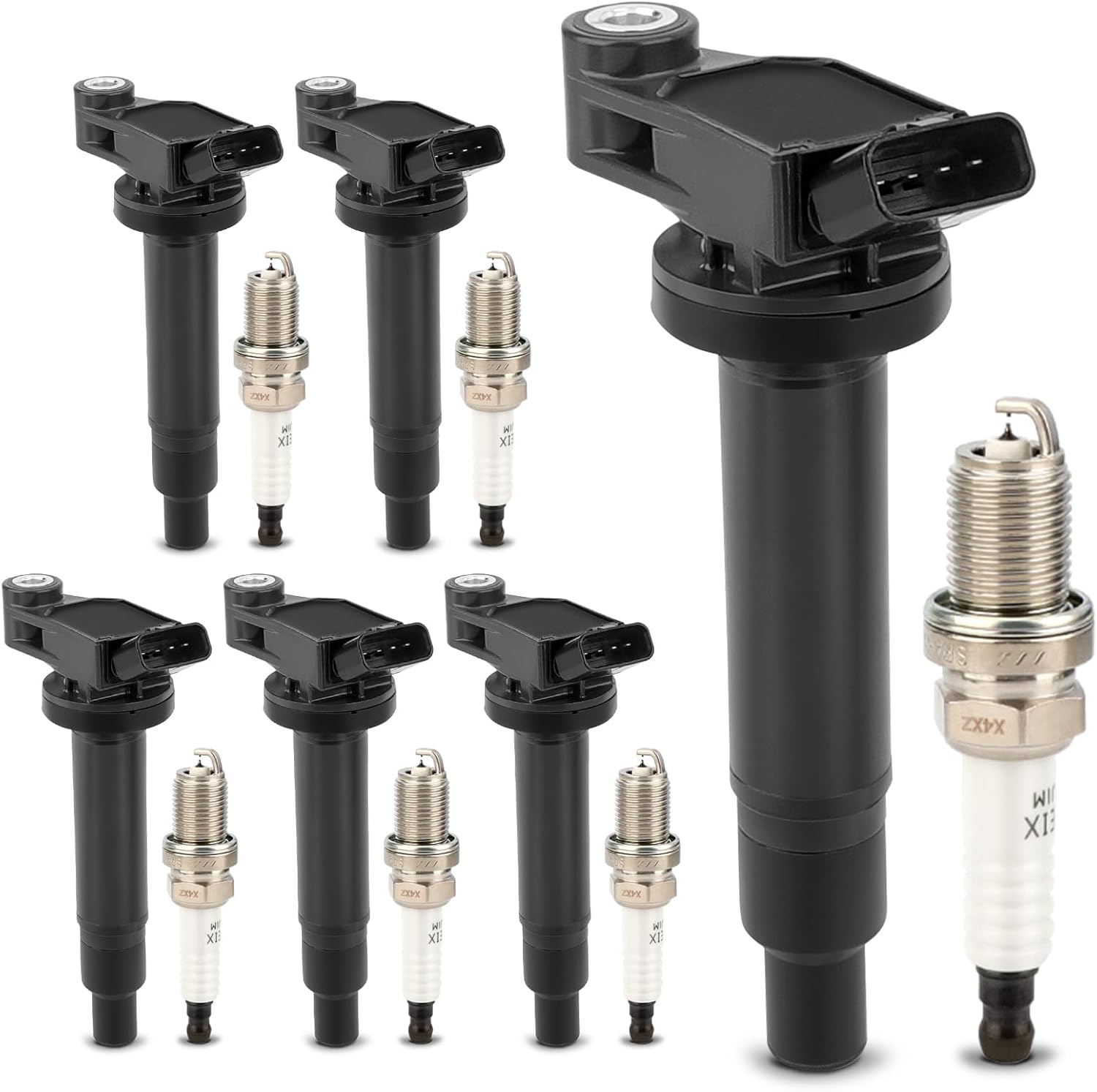
Tools That Make This Job Easier


Perform a Visual Inspection First
Visual checks are quick and often reveal the problem before electrical testing is needed. Remove any engine cover and inspect the suspect coil, the connector, and the area around the spark plug tube.
- Cracks in the coil housing.
- White tracking marks or carbon lines on the coil boot.
- Burn marks, melted plastic, or a swollen boot.
- Oil or coolant in the spark plug well.
- Loose, corroded, or backed-out connector terminals.
- Broken lock tabs or harness damage near the coil.
If you find oil in the plug well, the valve cover tube seal may be the root problem. Oil contamination can cause misfire symptoms and damage the coil boot. In that case, replacing the coil without fixing the leak may only provide a temporary improvement.
Also inspect the spark plug if access is easy. A worn plug with excessive gap forces the coil to work harder and can mimic or contribute to coil failure. If the plug is badly worn, fouled, cracked, or fuel soaked, address that before condemning the coil.
Use the Coil Swap Test on Coil-on-Plug Systems
On engines with one coil per cylinder, the swap test is one of the most reliable DIY methods. If one cylinder has a misfire code, move that coil to a different cylinder and see whether the misfire follows the coil.
How to Do It
- Identify the misfiring cylinder from the code or live data.
- Turn the engine off and let hot parts cool if needed.
- Remove the suspect coil and move it to another easy-to-access cylinder.
- Move the good coil from that cylinder back into the original position.
- Clear the codes and drive or idle the vehicle long enough for the fault to return.
- Rescan the vehicle.
If the misfire code changes from the original cylinder to the cylinder where you moved the coil, the coil is very likely bad. For example, a P0302 becomes a P0305 after moving coil 2 to cylinder 5. That is strong evidence of a failed coil.
If the misfire stays on the same cylinder, the coil may still be okay and the problem may be the spark plug, injector, compression, or wiring to that cylinder. At that point, inspect or swap the spark plug next if appropriate.
Check Power, Ground, and Control at the Coil Connector
A good coil will not work if it is missing battery voltage, ground, or the PCM trigger signal. If several coils are dead or one coil seems fine in a swap test, check the connector before buying parts.
What You Are Checking
- Power supply from the ignition circuit or relay.
- Ground integrity at the coil or engine harness.
- PCM switching signal on the control wire.
Use a wiring diagram for your engine whenever possible. Many coil connectors have two or three wires. One is power, one is ground or control, and some systems handle ground control through the PCM. Wire colors and pin positions vary by manufacturer.
Basic Voltage Check
With the key on and engine off, back-probe the connector and verify that the coil power feed is present. On most vehicles you should see battery voltage or very close to it. If there is no power on one connector, compare it with a known good cylinder. If there is no power on all coils, suspect a blown fuse, faulty relay, broken harness, or ignition power supply issue.
Ground Check
Check that the coil ground circuit has low resistance to chassis or engine ground if the design uses a dedicated ground. A poor ground can create an intermittent misfire and heat damage at the connector.
Checking the actual PCM trigger signal usually requires a test light designed for low-current circuits, a noid-style ignition tester, or ideally a scope. If you do not have that equipment, compare connector power and harness condition first, then rely on the coil swap and spark plug checks to narrow it down.
Can You Test Coil Resistance With a Multimeter?
Sometimes, but it is not always decisive. Older coils and some waste-spark or distributor-based coils may have published primary and secondary resistance specs. Many modern coil-on-plug units do not give useful resistance readings with a basic meter, and a weak coil can still measure within spec while failing under load.
If the service information provides resistance values, compare the suspect coil against spec and against a known good coil from another cylinder. A completely open circuit or dramatically different reading can indicate failure. But if the readings are similar, do not call the coil good based on resistance alone.
- Useful for some older coil designs.
- Less useful for many modern pencil-style coils.
- Best used as supporting evidence, not the only test.
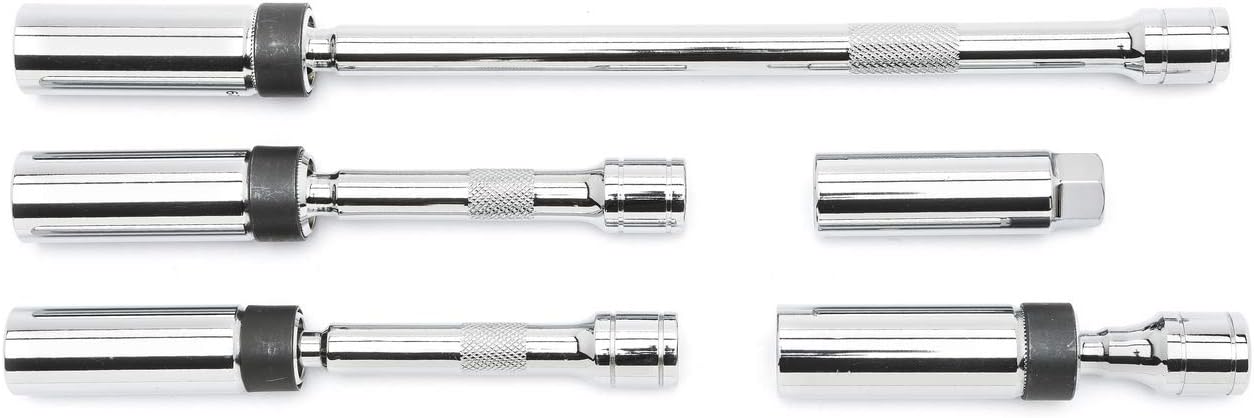
Recommended Tools for This Job


Rule Out Spark Plug and Mechanical Problems
Before replacing a coil, make sure the cylinder itself can support combustion. An engine with low compression, a leaking valve, or a fuel delivery problem can throw a misfire code that looks electrical at first.
Check the Spark Plug
Remove the plug from the suspect cylinder and compare it with another cylinder if possible. If the gap is excessive, the insulator is cracked, or the electrode is badly worn, replace the plugs as a set if they are due. Installing a new coil on a worn-out plug can shorten coil life.
Think About Injector and Compression Issues
If the coil and plug swap do not move the misfire, listen for injector operation, review fuel trim data, and consider a compression test. A dead injector, vacuum leak affecting one cylinder, or low compression can all create the same rough-running complaint.
How to Interpret Your Results
- Misfire follows the coil after swapping: replace the coil.
- Misfire stays on the original cylinder after coil swap: inspect or replace the spark plug, then continue with injector and compression checks.
- No power at one coil: trace the harness, connector, fuse, or relay issue.
- No power at multiple coils: suspect a shared ignition feed problem.
- Coil well full of oil or coolant: repair the leak and replace damaged ignition parts as needed.
- Misfire only under load with old plugs installed: replace worn plugs before condemning a marginal coil.
This is also where patterns matter. One isolated cylinder with a moved misfire usually means a bad coil. Multiple cylinders on the same bank, or all cylinders at once, usually point somewhere else first, such as power supply, grounds, PCM control, fuel quality, or a major air leak.
When to Replace One Coil Vs All Coils
If testing clearly identifies one failed coil and the others are performing normally, replacing only the bad coil is usually reasonable. However, if the vehicle has high mileage, several original coils, and visible heat cracking on others, some owners choose to replace more than one for preventive reasons.
Do not replace all coils just because one code appeared unless you have evidence they are aging out together. A better compromise is to replace the failed coil and ensure the spark plugs are current, properly gapped, and matched to the vehicle’s requirements.
When installing a new coil, use a small amount of dielectric grease inside the boot if recommended by the manufacturer, torque fasteners correctly, and make sure the connector clicks fully into place.
Common Mistakes to Avoid
- Replacing a coil without scanning for cylinder-specific codes first.
- Ignoring worn spark plugs that may have caused the coil to overwork.
- Overlooking oil or coolant contamination in the plug well.
- Assuming a misfire code automatically means ignition rather than fuel or compression.
- Testing a coil by pulling connectors or wires off a running engine.
- Mixing up coil locations during swaps and losing track of which cylinder moved where.
What to Do Next If the Diagnosis Is Unclear
If you still cannot confirm the problem after codes, visual checks, and swaps, the next level of diagnosis usually requires better data. A professional shop may use an oscilloscope, advanced scan data, current ramp testing, injector balance testing, or a relative compression test.
That is especially true if the misfire is intermittent, only happens hot, only occurs under heavy load, or appears across multiple cylinders with no obvious coil fault. Those patterns can involve wiring breaks inside the harness, PCM driver issues, injector faults, or internal engine problems.
Key Takeaways
- Start with scan codes and identify the exact cylinder before removing parts.
- A coil swap test on a coil-on-plug engine is one of the best ways to confirm a bad ignition coil.
- Always inspect the spark plug, connector, and plug well for wear, corrosion, oil, or coolant contamination.
- If the misfire does not move with the coil, look at the plug, injector, wiring, and engine compression next.
- Do not keep driving with an active misfire because it can overheat and damage the catalytic converter.
FAQ
Can a Bad Ignition Coil Cause a Flashing Check Engine Light?
Yes. A flashing check engine light usually means an active misfire severe enough to risk catalytic converter damage. A bad ignition coil is one common cause, but worn spark plugs, injector problems, or engine mechanical faults can do it too.
Will a Bad Ignition Coil Always Set a Code?
Not always. A weak coil may misfire only under certain temperatures or loads and may not set a code right away. Pending codes, freeze-frame data, and live misfire counters can help catch intermittent failures sooner.
Is It Okay to Drive with a Bad Ignition Coil?
It is best to avoid it. Driving with a misfire can cause poor performance, higher fuel consumption, and catalytic converter damage. Short trips to move the car may be possible, but a flashing check engine light means you should limit driving.
How Do I Know if the Problem Is the Coil or the Spark Plug?
Use a swap test. Move the suspect coil to another cylinder and see if the misfire follows it. If the misfire stays on the same cylinder, inspect or swap the spark plug next. Plug condition, gap, and contamination often reveal the answer.
Should I Replace All Ignition Coils at the Same Time?
Usually no, unless testing shows multiple weak coils or the set is very old and failing together. In most cases, replace the confirmed bad coil and make sure the spark plugs are in good condition.
Can a Multimeter Prove an Ignition Coil Is Bad?
Sometimes, especially on older coil designs with published resistance specs. On many modern coil-on-plug systems, a multimeter may not catch a coil that fails only under load, so swap testing and scan data are often more useful.
What Causes Ignition Coils to Fail?
Heat, age, vibration, moisture intrusion, oil contamination, and excessive spark plug gap are common causes. A worn spark plug makes the coil work harder and can shorten its life.
Need Parts for This Repair?
The right parts and supplies vary by vehicle.
Select your make and model to find compatible parts and accessories for your car.
Exact Fit
Parts that fit your make and model
Quality You Can Trust
Top brands and OEM quality options
Fast Shipping
Get the parts you need, delivered fast