

Note: This article contains affiliate links. If you click on these links and make a purchase, I may earn a small commission at no extra cost to you. This helps support my research and content. Read my full affiliate disclosure here.
What You’ll Need
A quick look at the tools and supplies commonly used for this job.
Tools
- OBD2 scan tool
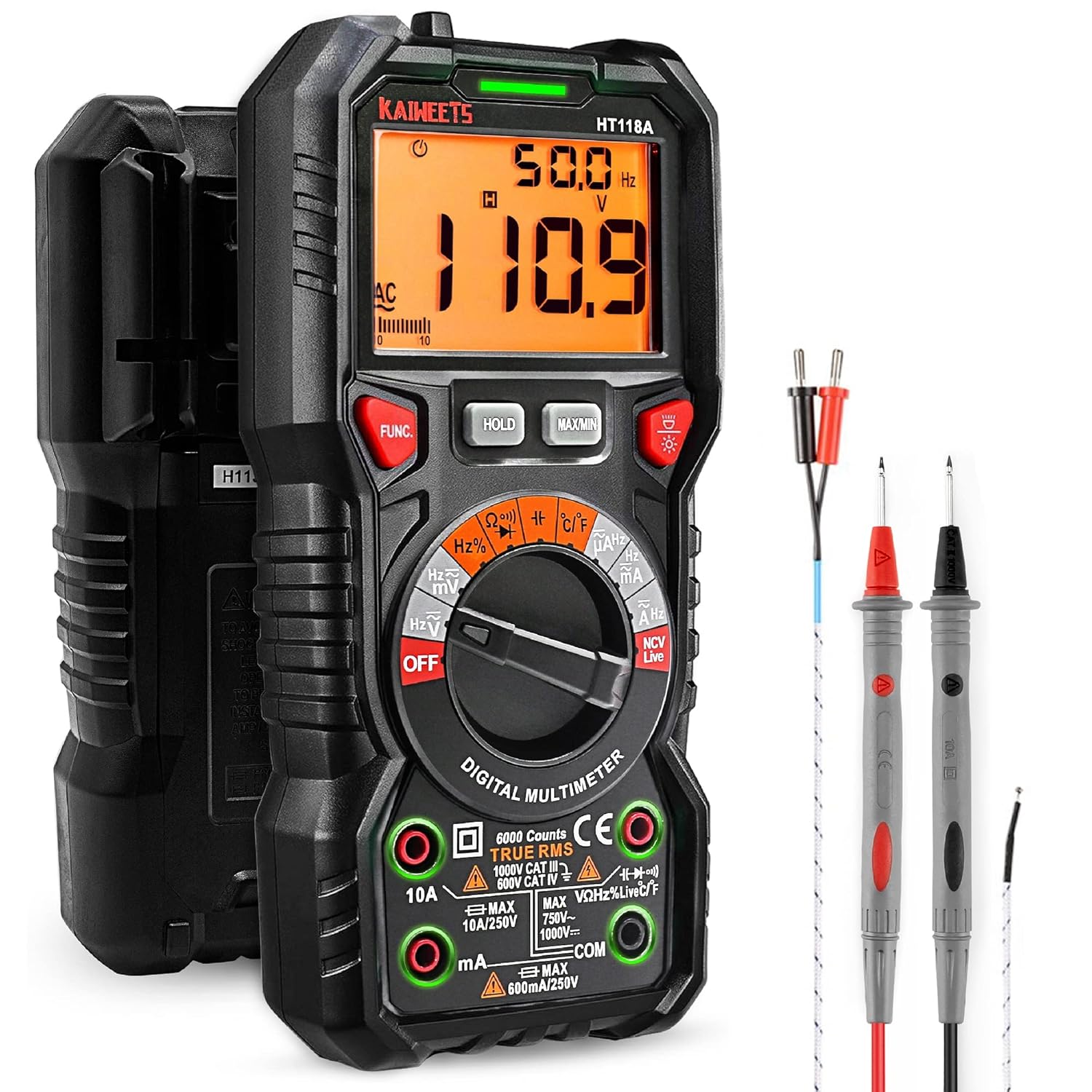
- Digital multimeter
- Basic socket and ratchet set
- Flashlight
- Back-probe pins or test leads
- Repair manual or wiring diagram
Parts & Supplies
- Electrical contact cleaner
- Dielectric grease
- Shop towels
- Replacement camshaft position sensor
This article is part of our Engine Maintenance & Repair Guides.
A bad camshaft position sensor can cause hard starting, rough running, poor acceleration, stalling, and a check engine light, but those symptoms can also come from wiring faults, timing issues, or crankshaft sensor problems.
The goal of a proper diagnosis is to confirm whether the sensor itself has failed, whether the engine computer is losing the signal because of damaged wiring or poor connections, or whether another problem is creating similar trouble codes. If you replace the sensor without testing, you can easily spend money and still have the same drivability issue.
This guide walks through the practical checks a DIYer can do at home: reading codes, looking at live data, inspecting the connector, checking power and ground, and deciding when the problem points to the sensor, the circuit, or engine timing.
What the Camshaft Position Sensor Does
The camshaft position sensor tells the engine control module where the camshaft is in relation to the crankshaft. The computer uses that information to control fuel injection timing, ignition timing on some systems, variable valve timing operation, and misfire detection.
On many engines, the camshaft sensor works closely with the crankshaft position sensor. If the computer loses either signal, the engine may crank longer than normal, start and stall, enter a reduced-power mode, or fail to start at all.
Depending on the vehicle, the sensor may be mounted in the cylinder head, valve cover area, timing cover, or distributor housing on older designs. Some engines use more than one camshaft sensor, so always verify which bank or sensor location the code is referring to.
Common Symptoms of a Bad Camshaft Position Sensor
- Check engine light with camshaft-related trouble codes.
- Long cranking before the engine starts, especially when warm.
- Intermittent stalling or sudden engine shutdown.
- Rough idle, hesitation, or poor throttle response.
- Reduced fuel economy or lack of power.
- A no-start condition on some vehicles.
These symptoms are useful clues, but they do not prove the sensor itself is bad. A damaged harness, oil intrusion in the connector, stretched timing chain, weak battery voltage, poor engine ground, or a failing crankshaft sensor can create many of the same complaints.
Trouble Codes That Often Point to This System
Start with a full code scan before touching any parts. Camshaft position sensor faults often set codes such as P0340, P0341, P0342, P0343, and similar bank- or sensor-specific codes. On engines with multiple cams, you may also see codes that specify Bank 1, Bank 2, Sensor A, or Sensor B.
Read all stored, pending, and history codes if your scanner supports them. Also look for related crankshaft sensor, variable valve timing, misfire, or correlation codes. A cam/crank correlation code can mean the sensor signal is unreliable, but it can also point to a timing chain or timing belt issue rather than an electrical failure.
If freeze-frame data is available, note engine temperature, RPM, speed, and battery voltage at the moment the code set. Intermittent failures often show up only when the engine is hot or only during startup.
Safety and Setup Before Testing
- Park on a level surface and set the parking brake.
- Keep hands, clothing, and test leads away from belts and fans.
- Work on a cool engine when inspecting connectors near exhaust components.
- Use a wiring diagram if possible so you identify power, ground, and signal correctly.
- Do not force meter probes into sealed connectors if you can back-probe safely.
Before deeper testing, verify the battery is in good shape and fully charged. Low system voltage can produce false sensor codes and unstable scan data, especially during cranking.
Tools That Make This Job Easier


Initial Inspection You Should Never Skip
Check the Connector and Harness
Unplug the camshaft position sensor and inspect the connector closely. Look for bent pins, green corrosion, loose terminal tension, oil contamination, water intrusion, damaged lock tabs, or insulation rubbed through by engine movement. Many cam sensor faults are caused by the connector, not the sensor.
Look for Physical Damage Around the Sensor
Inspect the area around the sensor for oil leaks, debris buildup, or signs that the sensor has been struck or installed crooked. If the sensor uses an O-ring, oil can wick into the electrical side when the seal fails. On some engines, metal particles can collect on a magnetic sensor tip and distort the signal.
Check for Obvious Timing-related Clues
If the engine rattles on startup, runs poorly at all speeds, or has cam/crank correlation codes after recent timing work, keep mechanical timing in mind. A stretched chain, slipped reluctor, or incorrectly installed timing components can make a good sensor look bad.
Use a Scan Tool to Narrow the Problem
Read Live Data While Cranking and Idling
Connect the scan tool and watch RPM, cam sync status if available, and any camshaft position PID your scanner provides. If the engine computer shows a steady crankshaft RPM but no camshaft sync or an erratic cam signal, the cam sensor circuit becomes a stronger suspect.
Compare Current Codes with Behavior
A hard fault that returns immediately after clearing usually points to an active circuit issue such as no power, no ground, open signal wire, or a dead sensor. A code that takes time to return may be heat-related, vibration-related, or caused by an intermittent connector problem.
Wiggle-test if the Fault Is Intermittent
With the engine idling, gently move the harness near the sensor and along the route to the main loom while watching scan data. If the engine stumbles or the signal drops out, you likely have a wiring or connector fault rather than a failed sensor element.
Basic Electrical Tests with a Multimeter
Most camshaft position sensors are either two-wire magnetic sensors or three-wire Hall-effect sensors. Testing depends on the design, so check the wiring diagram first. If you are unsure, do not ohm-test a three-wire electronic sensor the same way you would a magnetic pickup.
For a Three-wire Hall-effect Sensor
- Turn the key on with the connector back-probed.
- Check for the reference voltage on the power wire; many systems use about 5 volts, though some use battery voltage.
- Check for a solid ground by measuring voltage drop to battery negative; excessive voltage drop points to a ground problem.
- Check the signal wire while cranking or idling; the voltage should switch as the target passes the sensor.
If power and ground are correct but the signal does not change, the sensor may be bad. If reference voltage is missing, the fault could be in the wiring, engine computer, or another sensor on the same reference circuit pulling voltage down.
For a Two-wire Magnetic Sensor
- With the sensor unplugged, check service information for a resistance specification if one is provided.
- Measure sensor resistance and compare it to spec; an open circuit or shorted reading can indicate failure.
- While cranking, measure AC voltage output across the two sensor terminals; a healthy sensor usually produces an AC signal, though the exact value varies by engine and cranking speed.
A magnetic sensor can test within resistance range and still fail when hot, so combine meter results with real-world symptom behavior and scan data.
Recommended Tools for This Job


How to Tell Whether the Sensor, Wiring, or Timing Is the Real Issue
Signs the Sensor Itself Is Likely Bad
- The sensor has correct power and ground, but the signal is missing or erratic.
- The fault follows the sensor after connector and wiring checks pass.
- The problem is repeatable when the sensor gets hot.
- The connector is clean and the harness tests good, yet the code returns quickly.
Signs the Wiring or Connector Is More Likely
- Reference voltage or ground is missing at the connector.
- The signal cuts in and out when the harness is moved.
- Pins are spread, corroded, oily, or loose.
- There is visible chafing, rodent damage, or heat damage near the harness route.
Signs a Mechanical Timing Problem May Be Involved
- You have cam/crank correlation codes along with rattling or poor overall engine performance.
- The engine recently had timing chain, belt, or cylinder head work.
- Replacing or testing the sensor does not change the signal pattern issue.
- Variable valve timing faults appear with the cam sensor code.
When Replacing the Sensor Makes Sense
Replacement is reasonable when the sensor has failed electrical tests, loses signal when hot, or receives proper power and ground but cannot produce a reliable output. It is also reasonable when physical damage or severe oil intrusion has clearly compromised the unit.
Before installing the new part, clean the connector if needed, inspect the mounting surface, and compare the new sensor to the old one for identical shape, connector orientation, and seal design. A mismatched sensor can create fresh problems immediately.
After replacement, clear the codes and road-test the vehicle through the conditions that originally triggered the problem. Recheck for pending codes and confirm normal startup, idle, acceleration, and scan data.
Mistakes DIYers Often Make During Diagnosis
- Replacing the cam sensor before checking battery voltage, wiring, and connector condition.
- Ignoring crankshaft sensor codes that may be the root cause.
- Assuming a correlation code always means a bad sensor instead of possible timing chain wear.
- Using resistance tests on the wrong sensor type.
- Probing connectors carelessly and damaging terminals during testing.
- Buying the cheapest sensor available and introducing a new signal problem.
If your tests are inconclusive, the next step is often checking the waveform with an oscilloscope or comparing cam and crank patterns together. That is beyond basic DIY equipment, but it is the right move before guessing on expensive timing repairs.
What to Do Next Based on Your Results
If the sensor lacks reference voltage or ground, repair the circuit before replacing parts. If the sensor has proper feed and ground but no valid signal, replace the sensor with a quality part and retest. If signal and wiring look good but correlation or performance issues remain, inspect mechanical timing and variable valve timing operation.
If the vehicle still stalls or will not start after cam sensor checks pass, test the crankshaft sensor system next. Many no-start complaints that seem cam-related are actually caused by crank signal loss or a weak power and ground supply to the engine control system.
Key Takeaways
- Start with codes, freeze-frame data, and live data before replacing the camshaft position sensor.
- Verify connector condition, reference voltage, ground, and signal output because wiring faults are common.
- Cam/crank correlation codes can indicate a timing chain or timing belt problem, not just a bad sensor.
- A sensor with proper power and ground but no switching signal is a strong replacement candidate.
- Clear codes and confirm the repair with a road test under the same conditions that caused the fault.
FAQ
Can a Bad Camshaft Position Sensor Cause a No-start?
Yes. On some engines, a failed camshaft position sensor can cause a long crank or a complete no-start. On others, the engine may still start but run poorly. It depends on how the engine computer uses the signal.
What Code Usually Means the Camshaft Position Sensor Is Bad?
Codes like P0340 through P0343 are common camshaft position sensor circuit codes, but they do not automatically prove the sensor is bad. The code may also be triggered by wiring faults, poor connections, or mechanical timing issues.
Can I Drive with a Bad Camshaft Position Sensor?
Sometimes you can, but it is not a good idea. The vehicle may stall, hesitate, lose power, or become hard to restart. Continued driving can also make diagnosis harder if more codes develop.
How Do I Know if It Is the Cam Sensor or the Crank Sensor?
Use a scan tool and test both circuits if needed. The crank sensor usually affects RPM signal during cranking, while the cam sensor affects synchronization and timing-related data. Trouble codes and live data together give the best clue.
Will Disconnecting the Battery Reset a Camshaft Sensor Code?
It may clear stored memory on some vehicles, but it will not fix the actual fault. If the problem is still present, the code will return as soon as the computer sees the issue again.
Do Camshaft Position Sensors Fail Only when Hot?
No, but heat-related failure is common. Some sensors work normally when cold and drop out after engine temperature rises. That is why intermittent stalling after warm-up often points to sensor or internal electronics failure.
Should I Use an Aftermarket or OEM Camshaft Position Sensor?
A high-quality OEM or reputable aftermarket sensor is the safest choice. Cheap low-quality sensors can produce weak or inconsistent signals and may cause the same code to come back.
Need Parts for This Repair?
The right parts and supplies vary by vehicle.
Select your make and model to find compatible parts and accessories for your car.
Exact Fit
Parts that fit your make and model
Quality You Can Trust
Top brands and OEM quality options
Fast Shipping
Get the parts you need, delivered fast