

Note: This article contains affiliate links. If you click on these links and make a purchase, I may earn a small commission at no extra cost to you. This helps support my research and content. Read my full affiliate disclosure here.
What You’ll Need
A quick look at the tools and supplies commonly used for this job.
Tools
Parts & Supplies
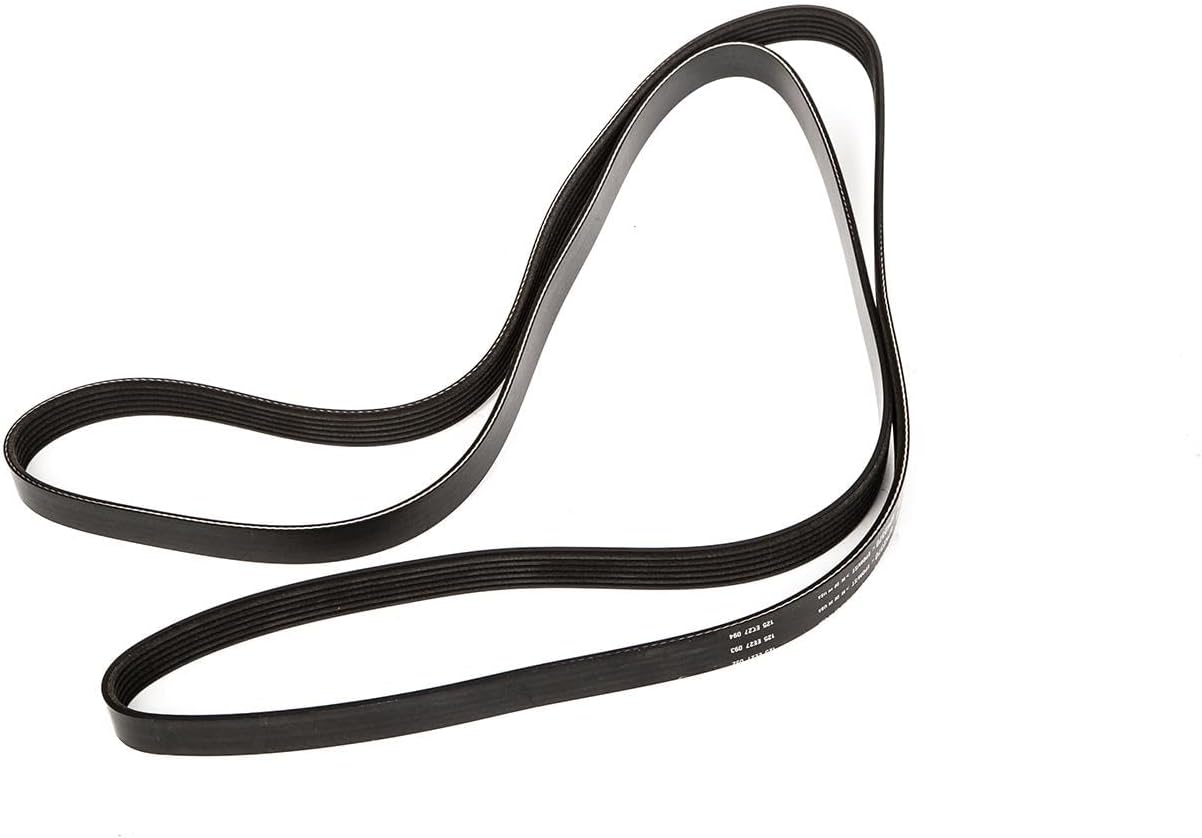
- Replacement serpentine belt if worn or contaminated
- Replacement idler pulley or tensioner pulley if failed
- Shop rags
- Belt routing diagram or service information
This article is part of our Engine Maintenance & Repair Guides.
A bad accessory pulley can sound like a failing alternator, bad A/C compressor, worn belt tensioner, or even an engine internal problem, so careful diagnosis matters before you buy parts.
On most engines, the serpentine belt drives several accessories and rides across multiple pulleys, including idler pulleys, tensioner pulleys, and the pulleys attached to components like the alternator, power steering pump, water pump, and A/C compressor. When one pulley bearing starts to wear, it can create chirping, squealing, grinding, belt dust, belt wandering, or visible wobble.
The goal is to isolate which pulley is failing, confirm whether the problem is the pulley itself or the component behind it, and avoid replacing good parts. This guide walks through the symptoms, safe inspection steps, and simple tests a DIY owner can use at home.
What an Accessory Pulley Does
An accessory pulley guides or drives the serpentine belt. Some pulleys are simple free-spinning idler pulleys with a bearing in the center. Others are part of a spring-loaded belt tensioner. Still others are mounted to driven accessories such as the alternator or A/C compressor. In all cases, the pulley must spin smoothly, stay aligned with the other pulleys, and hold the belt in the correct path.
When the bearing inside a pulley wears out, the pulley may get noisy, develop side-to-side play, bind, or tilt out of alignment. That can quickly damage the belt and, if ignored, lead to belt loss, charging problems, overheating, heavy steering, or A/C failure depending on what the belt drives on your vehicle.
Common Symptoms of a Bad Accessory Pulley
- Chirping or squeaking that changes with engine speed.
- Grinding, rumbling, or dry-bearing noise from the front of the engine.
- A serpentine belt that walks toward the edge of a pulley.
- Visible pulley wobble while the engine is running.
- Belt dust, frayed belt edges, or shiny glazed belt ribs.
- Intermittent battery warning light, overheating, or loss of A/C if the belt slips or jumps.
Chirping usually points to misalignment, a worn bearing beginning to drag, or a belt issue. Grinding or rumbling more strongly suggests a bad bearing. A high-pitched squeal can be caused by a locked or dragging pulley, but it can also come from a loose or contaminated belt, so do not diagnose from sound alone.
Safety Before You Start
Keep hands, clothing, jewelry, hair, and tools away from moving belts and pulleys. Never touch the belt path with the engine running. Do all hands-on checks with the engine off, key removed, and components cool enough to handle.
If you need to observe belt tracking with the engine running, stand to the side, use a flashlight carefully, and keep clear of the rotating assembly. If access is poor, remove cosmetic covers first so you are not leaning into the belt path.
Initial Inspection with the Engine Off
Check the Belt First
Inspect the serpentine belt before blaming a pulley. A cracked, glazed, oil-soaked, or frayed belt can create many of the same symptoms. If the belt has missing ribs, edge wear, or heavy glazing, note that as evidence. A damaged belt may be the result of a bad pulley, but it can also be the original cause of noise.
Look for Obvious Pulley Damage
Use a flashlight and inspect every visible pulley face and belt path. Look for rust trails from a bearing, melted plastic on composite pulleys, chips in the pulley grooves, belt dust buildup, or a pulley that sits noticeably crooked compared with the others.
- Check whether the belt is centered on each pulley.
- Look for belt ribs hanging off one edge.
- Compare pulley spacing and alignment across the belt drive.
- Inspect the tensioner arm position if visible.
If one pulley is clearly offset or tilted, the problem may be the pulley bearing, the pulley mounting bolt, the tensioner assembly, or the accessory shaft behind that pulley.
Tools That Make This Job Easier


Listen to the Noise and Narrow Down the Source
Start the engine and listen from the passenger-side and driver-side front corners of the engine bay if access allows. Note whether the noise is a chirp, squeal, scrape, or growl, and whether it gets louder with RPM, electrical load, steering input, or A/C engagement.
Use a Stethoscope Carefully
A mechanic’s stethoscope works best on stationary housings near the pulley bearing, not on the spinning pulley itself. Touch the probe to the alternator housing, tensioner body, idler mounting area, power steering pump body, and A/C compressor housing while the engine runs. A harsh growl or grinding transmitted through one housing more than the others can point you to the failing component.
If you do not have a stethoscope, a long screwdriver can sometimes help transmit sound, but use extreme caution and only touch fixed metal housings. Never let the tool contact a moving pulley or belt.
Watch Belt Tracking and Pulley Movement
With the engine idling, observe the belt from a safe angle. A healthy belt usually runs smoothly with only minor normal movement from the tensioner. A bad pulley often shows itself through belt wander, flutter, or a pulley face that appears to wobble.
- If the belt moves side to side across one pulley, suspect misalignment or bearing wear there.
- If the tensioner arm shakes excessively, the pulley may be dragging or the tensioner spring may be weak.
- If one pulley visibly oscillates, shut the engine off and inspect that pulley immediately.
- If the belt chirps at one spot in rotation, inspect for pulley damage or contamination.
A pulley can look fine at a glance but still run out of true. Even slight wobble can make a belt chirp and wear the edges quickly.
Remove Belt Tension and Inspect Each Pulley by Hand
This is usually the most reliable DIY test. With the engine off, use the proper serpentine belt tool or breaker bar to unload the belt tensioner. Note the routing first or take a clear photo. Slip the belt off one accessible pulley and release the tensioner slowly.
What to Feel For
- Spin each free pulley by hand and feel for roughness, scraping, grinding, or tight spots.
- Check for side-to-side play by gently rocking the pulley at the outer edge.
- Compare suspect pulleys with known-good ones for resistance and smoothness.
- Look for wobble while rotating the pulley slowly by hand.
An idler pulley or tensioner pulley should spin smoothly and quietly. Depending on design, it may not freewheel for a long time, but it should not feel gritty, notchy, loose, or noisy. Any obvious bearing play is a strong failure sign.
Check Driven Accessories Too
Do not stop at the simple pulleys. Spin and wiggle the alternator pulley, power steering pulley if accessible, water pump pulley if belt-driven, and A/C compressor clutch pulley. If one of these feels rough or loose, the fault may be the accessory bearing or the whole component, not just a bolt-on pulley.
How to Tell Pulley Failure From Other Belt Drive Problems
Bad Pulley Vs Bad Belt
A worn belt often causes squeal on startup, in wet weather, or under heavy load. A bad pulley bearing is more likely to create chirping, grinding, or rumbling even when the belt itself looks decent. If the belt is old and the pulley feels smooth, replace the belt first if service history is unknown.
Bad Pulley Vs Bad Tensioner
The pulley on the tensioner can fail, but so can the spring-loaded tensioner arm. If the pulley bearing is smooth yet the arm sits crooked, bounces excessively, or does not maintain stable tension, replace the full tensioner assembly rather than only the pulley if your design allows separate service.
Bad Pulley Vs Failing Accessory
If the pulley attached to the alternator, water pump, power steering pump, or A/C compressor has play, the underlying accessory shaft bearing may be failing. In that case, replacing the pulley alone may not fix it. Pay attention to fluid leaks, charging issues, cooling problems, or A/C noise because they help identify the component behind the pulley.
Bad Pulley Vs Alignment Problem
Use a straightedge across multiple pulley faces where possible. If one pulley sits forward or backward compared with the others, the problem may be a bent bracket, incorrect replacement part, loose mounting hardware, or failing accessory shaft. Misalignment can destroy a new belt quickly even if the pulley bearing itself is still quiet.
Recommended Tools for This Job


Symptoms That Point to Specific Pulley-related Failures
- A dry, fast chirp at idle often points to slight misalignment or early bearing wear.
- A deep growl or rough metallic sound usually indicates a bearing that is already deteriorating.
- A pulley that resists spinning or stops abruptly may be binding internally.
- Blue discoloration, melted plastic, or burnt smell suggests severe heat from bearing failure.
- Frayed belt edges usually indicate pulley tilt, misalignment, or a pulley with side play.
If the noise changes immediately when the A/C clutch engages, inspect both the compressor clutch pulley and the belt load on the rest of the system. If the noise increases with steering input, look closely at the power steering pump and belt tension condition. These are clues, not proof, so always confirm with belt-off inspection.
When the Diagnosis Is Confirmed
Replace the failed pulley or component promptly. A noisy pulley bearing rarely gets better, and once it begins to wobble or bind, belt failure can happen without much warning. If the belt shows glazing, fraying, cracks, or contamination, replace it at the same time.
After repair, verify the belt routing, confirm the belt is seated fully in every groove, and start the engine to recheck tracking. Listen for any remaining chirp or growl. If noise remains after replacing the obvious failed pulley, inspect the rest of the belt drive again because more than one bearing may be worn.
Signs You Should Stop Driving
- The pulley wobbles visibly with the engine running.
- The belt is walking off the edge of a pulley.
- You hear loud grinding or intermittent locking.
- There is smoke, burning rubber smell, or fresh belt dust everywhere.
- The battery light, temperature gauge, or steering assist warning appears with belt noise.
Mistakes to Avoid During Diagnosis
- Do not spray belt dressing to hide the noise; it can mask the real issue and contaminate the belt.
- Do not assume the loudest part is the bad part without checking all pulleys with the belt removed.
- Do not replace only the belt when a pulley has obvious play or roughness.
- Do not over-tighten hardware or reuse damaged mounting bolts.
- Do not confuse a bad tensioner assembly with a bad pulley bearing without checking arm movement and alignment.
The most common DIY mistake is replacing the alternator or A/C compressor because the noise seems to come from that area, when the real problem is the nearby idler or tensioner pulley. Systematic testing saves money.
Key Takeaways
- Confirm pulley problems with a belt-off hand inspection, because noise alone can be misleading.
- Rough spinning, grinding, wobble, or side play are the strongest signs that a pulley bearing has failed.
- Check belt condition and pulley alignment at the same time, since a damaged belt can be both a symptom and a cause.
- If the bad pulley is part of a tensioner or accessory, you may need to replace the full assembly instead of only the pulley.
- Do not keep driving if the belt is wandering, the pulley is wobbling, or you hear loud grinding from the belt drive.
FAQ
Can a Bad Accessory Pulley Sound Like a Bad Alternator?
Yes. A failing idler or tensioner pulley can transmit noise through the front of the engine and mimic alternator or A/C compressor noise. That is why removing belt tension and spinning each pulley by hand is such an important confirmation step.
How Do I Know if the Problem Is the Pulley or the Serpentine Belt?
A worn belt usually shows visible cracking, glazing, contamination, or frayed edges and often squeals under load. A bad pulley is more likely to feel rough, loose, noisy, or wobbly when inspected by hand with the belt removed.
Can I Drive with a Noisy Accessory Pulley?
It is risky. A noisy pulley bearing can seize or come apart, which may throw the serpentine belt. If that belt drives the alternator, water pump, or power steering pump, you could end up stranded or overheat the engine.
Should I Replace the Belt when I Replace a Bad Pulley?
If the belt is old, glazed, cracked, frayed, or contaminated, replace it at the same time. Even if the belt is not the root cause, a failing pulley often damages the belt, and reusing a worn belt can create noise after the repair.
What Does Pulley Wobble Mean?
Pulley wobble usually means the bearing is worn, the pulley is damaged, the mounting hardware is loose, or the shaft behind the pulley is failing. Visible wobble is a strong sign that repair should not be delayed.
Can the Tensioner Pulley Be Replaced by Itself?
On some vehicles, yes. On others, the pulley and tensioner are best replaced as a complete assembly. If the tensioner arm is weak, crooked, or unstable, replacing only the pulley will not solve the problem.
Why Does the Noise Get Worse when the A/C Is Turned On?
Turning on the A/C increases belt load and may engage the compressor clutch pulley, which can make an already weak bearing louder. It can also reveal belt slip or a weak tensioner that was less noticeable with lower load.
Need Parts for This Repair?
The right parts and supplies vary by vehicle.
Select your make and model to find compatible parts and accessories for your car.
Exact Fit
Parts that fit your make and model
Quality You Can Trust
Top brands and OEM quality options
Fast Shipping
Get the parts you need, delivered fast