

Note: This article contains affiliate links. If you click on these links and make a purchase, I may earn a small commission at no extra cost to you. This helps support my research and content. Read my full affiliate disclosure here.
Repair Snapshot
Use a mechanic if fluid is actively dripping onto the exhaust, the leak source is hard to access, or the spill involves fuel. Professional help is also smart if the engine bay is extremely hot or smoking heavily after driving.
This article is part of our Engine Maintenance & Repair Guides.
Cleaning oil or fluid from hot engine parts is mostly about safety, patience, and fixing the source of the leak before you clean the mess. If oil, coolant, power steering fluid, or transmission fluid lands on the exhaust manifold, catalytic converter shield, or other high-heat surfaces, it can create smoke, strong odor, and in some cases a real fire risk.
The safest approach is to let the engine cool enough to avoid burns, remove as much fluid as possible with absorbent material first, then use the right cleaner on the affected metal surfaces. You also need to inspect nearby hoses, gaskets, and covers so the problem does not come right back after the next drive.
This guide walks through how DIY car owners can clean spilled or leaking fluid from hot engine parts, what cleaners are safe to use, what areas to protect, and when the situation is serious enough to stop driving and call a mechanic.
When This Job Is Necessary
You usually need this repair when you notice smoke from under the hood, a burning-oil smell through the vents, or fresh fluid collecting on engine components near the exhaust. A small spill from topping off fluids can smoke for a short time, but an active leak that keeps feeding hot parts needs attention right away.
- Burning oil smell after driving or idling
- Light smoke from the engine bay after shutdown
- Visible wet spots on the exhaust manifold heat shield or nearby metal
- Fresh oil, coolant, or other fluid around the valve cover, hoses, or filler area
- Repeated smoke even after an earlier cleanup
If you see flames, heavy smoke, or fuel dripping, do not keep troubleshooting with the engine running. Shut the vehicle off, move away if needed, and handle it as a fire hazard.
Know Which Fluid You Are Dealing With
Before spraying cleaners everywhere, try to identify the fluid. The cleanup method is similar in many cases, but the leak source and urgency can be very different.
Common Fluids Found on Hot Engine Parts
- Engine oil: Brown to black, slick, often smells burnt when it hits exhaust parts.
- Coolant: Green, orange, pink, yellow, or blue depending on type; can leave a crusty residue after drying.
- Power steering fluid: Often red, amber, or light brown; can smell sharp when burning.
- Transmission fluid: Usually red or reddish-brown; less common on top-side engine parts but possible from routed lines.
- Brake fluid: Clear to amber; should be treated carefully because it can damage paint and some plastics.
- Fuel: Sharp gasoline smell, evaporates quickly, and is the highest fire risk.
If the leak appears to be fuel, stop here and have the car repaired before driving it. Fuel on hot components is not a normal DIY cleanup-and-go situation.
Let the Engine Cool the Right Way
Do not spray cold water or strong cleaner onto an extremely hot engine or exhaust component. Rapid temperature change can crack parts, warp thin shields, or flash cleaner vapors back toward you. Park on a level surface, shut the engine off, set the parking brake, and open the hood.
Wait until the area is warm at most, not scorching hot. On many vehicles that means at least 30 to 60 minutes after driving, and sometimes longer if the spill reached the exhaust manifold or catalytic converter area. You should be able to work nearby without feeling intense heat on your hand from several inches away.
- Never touch suspected hot parts with bare skin to test temperature.
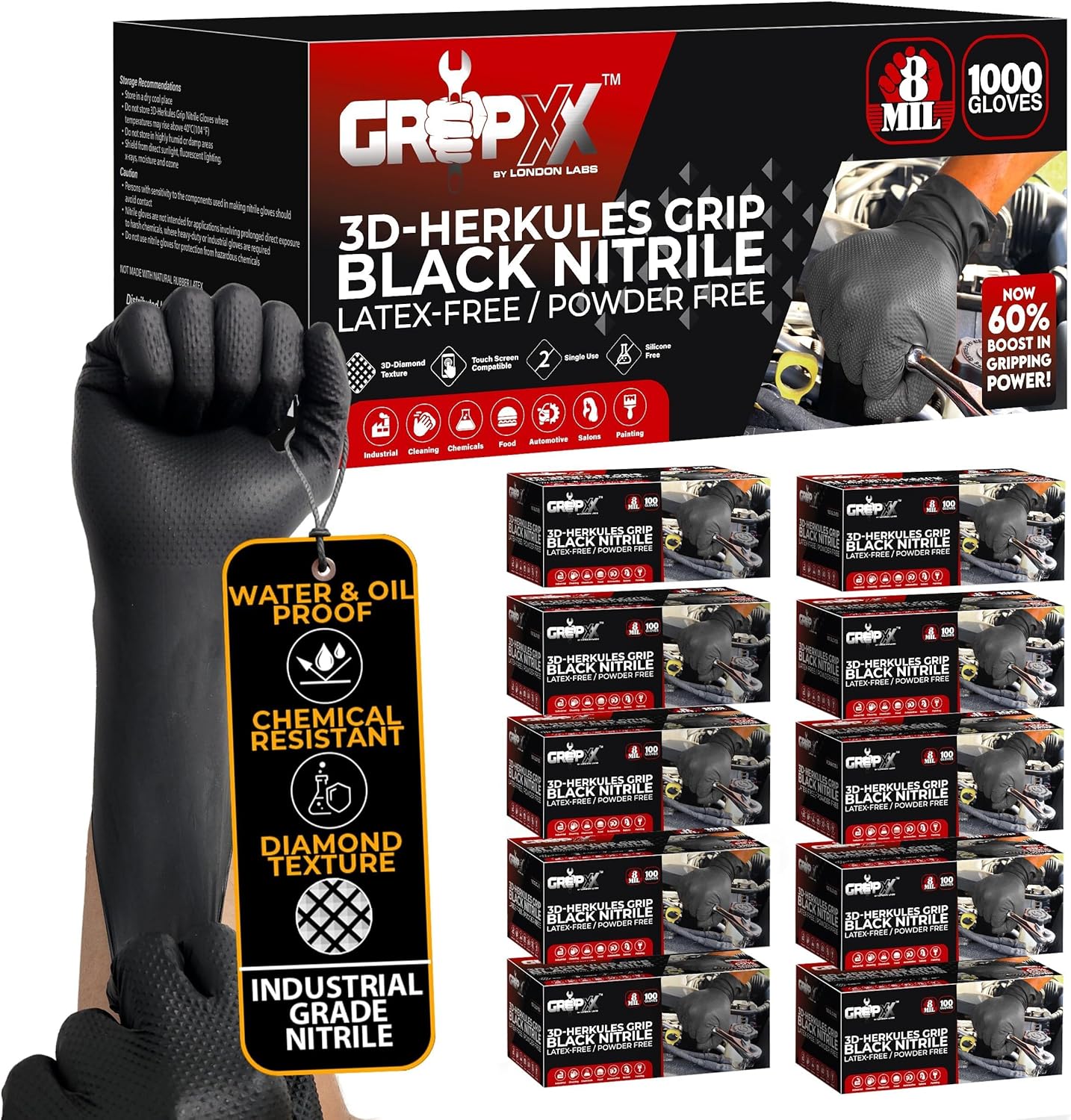
- Wear gloves and safety glasses before you start wiping or spraying.
- Work outside or in a well-ventilated area.
- Keep ignition sources away from solvents and evaporating fluids.
Prepare the Area Before Cleaning
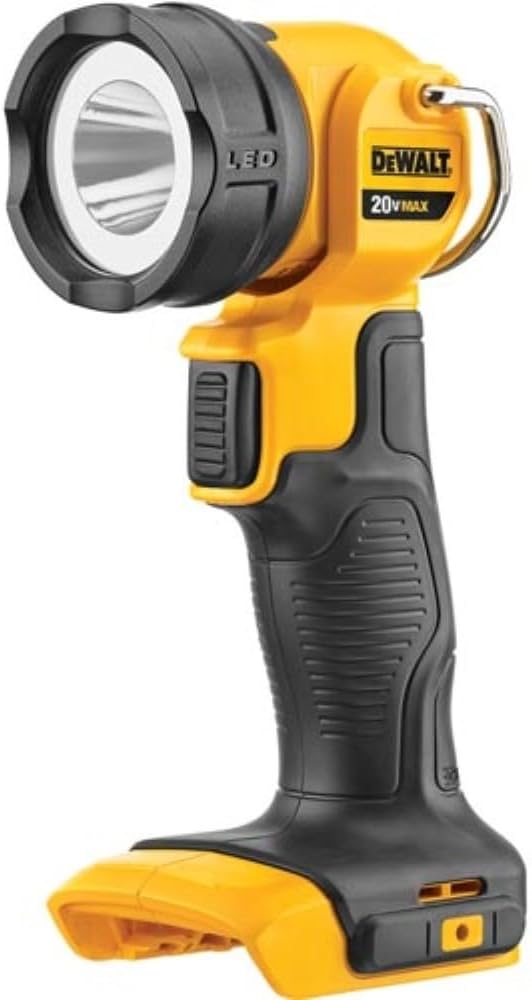
A controlled cleanup is faster and safer than soaking the whole engine bay. Start by removing plastic engine covers if they block your view. Use a flashlight to trace the wet path from the hottest area upward toward the likely source.
Protect Sensitive Components
Use aluminum foil or plastic sheeting to shield alternators, exposed wiring connectors, ignition coils, serpentine belts, and air intake openings from overspray. Most modern engine bays can tolerate light cleaning, but you still want to avoid flooding electronics or saturating belt surfaces with degreaser.
Place absorbent pads or rags below the work area if possible. This keeps runoff from pooling on splash shields, crossmembers, or the garage floor where it can drip later and make it look like the leak is worse than it is.
Tools That Make This Job Easier


Remove Fresh Fluid First
Always blot and lift away as much fresh fluid as you can before using any cleaner. This prevents you from spreading the mess over a larger area and gives the degreaser less work to do.
- Use shop towels or rags to blot wet areas on accessible metal parts.
- For pooled oil or coolant in recesses, press a rag into the area and lift it out rather than wiping sideways.
- Use a plastic scraper to gently lift thick sludge or baked-on grime from heat shields or flat metal surfaces.
- Replace soaked towels often so you are removing fluid instead of smearing it around.
Do not drag oily rags across the serpentine belt, pulleys, or electrical connectors. If fluid has reached the belt, clean that area separately and be prepared to replace the belt if it slips or squeals afterward.
Clean the Affected Engine Parts Safely
Once the bulk of the fluid is gone, clean the remaining film from the hot engine parts. The safest general choice is an engine-safe degreaser on warm, not hot, metal. For stubborn residue on bare metal only, a small amount of brake cleaner can help, but use it carefully and avoid painted surfaces, rubber, and plastics unless the product label specifically says it is safe.
Basic Cleaning Method
- Spray degreaser onto a rag first for tight areas, or lightly onto the dirty metal surface if there is room to control overspray.
- Let the cleaner dwell for the time listed on the label, usually one to five minutes.
- Agitate the area with a soft brush to loosen oily film and residue.
- Wipe away the dissolved grime with clean rags.
- Repeat until the metal surface is no longer slick and visible residue is gone.
If you use brake cleaner as a final wipe on exhaust shields or other bare metal, use short bursts and let vapors dissipate fully. Avoid soaking oxygen sensor wiring, rubber hoses, painted covers, and plastic intake parts.
For Dried Coolant or Sticky Residue
Coolant often leaves a sticky or chalky layer. After degreasing, a damp rag can help lift the remaining residue. Do not flood the engine bay. A light wipe with water on a cloth is usually enough, followed by a dry towel.
Check the Leak Source Before Calling the Job Done
Cleaning the mess without finding the cause only buys a little time. After the dirty area is clean enough to inspect, look above the hot spot for the point where fresh fluid starts.
Common Sources Above Hot Engine Parts
- Valve cover gasket seepage dripping onto the exhaust manifold
- Oil spilled during a recent oil fill or filter change
- Power steering return hose seepage near the front of the engine
- Coolant hose clamp leaks or seepage at the thermostat housing
- Leaking camshaft or timing cover area on certain engines
- Brake fluid from a clutch or brake master cylinder area on some vehicles
A bright flashlight helps here. Follow the highest wet point, not the dirtiest point. Gravity and airflow can move fluid backward and downward, especially after highway driving.
Recommended Tools for This Job


Dry the Area and Run a Careful Test
Before restarting the engine, wipe the cleaned area dry and remove any protective foil or plastic you installed. Make sure no rags are left in the engine bay. If cleaner overspray reached the belt, wipe it down thoroughly.
- Start the engine and let it idle with the hood open.
- Watch the cleaned area for several minutes using a flashlight.
- Look for new wetness forming at a gasket edge, hose junction, or fitting.
- Check for smoke or strong odor as leftover residue burns off.
- Shut the engine off if you see active dripping onto hot exhaust parts.
A faint smell may linger briefly if there was a lot of oil on the exhaust shield, but repeated smoke after cleaning usually means there is still residue left or the leak is still active.
What to Do if Smoke Continues
Persistent smoke after a good cleanup usually points to one of three things: hidden residue in a crevice or heat shield, a leak that is still feeding hot parts, or fluid collecting lower down and burning later.
- Reinspect behind heat shields and at the back side of the engine with a mirror or phone camera.
- Check underside splash shields for fluid pooling and dripping back onto exhaust parts.
- Look at the valve cover perimeter, oil cap area, hose connections, and fluid reservoirs for fresh seepage.
- Clean again after repairing the leak source so you are not chasing old residue and new leaks at the same time.
If smoke is thick, the smell is severe, or you are unsure whether the fluid is oil or fuel, do not keep driving the vehicle hoping it clears up.
Mistakes to Avoid
A few common mistakes turn a manageable cleanup into a bigger repair bill.
- Spraying cleaner onto parts that are still extremely hot
- Using too much liquid around alternators, coil packs, or open electrical connectors
- Ignoring the leak source and only cleaning the visible mess
- Using a metal scraper that gouges shields or sealing surfaces
- Letting oil soak into the serpentine belt and assuming it will be fine
- Driving the vehicle with suspected fuel leakage
When You Should Not DIY This Repair
This is usually a manageable DIY task if the spill is minor and the leak source is easy to reach. But there are times when stopping and calling a professional is the smarter choice.
- The fluid is fuel or you strongly smell gasoline.
- The leak lands directly on the exhaust manifold or catalytic converter and starts smoking immediately.
- The engine bay is packed tightly and you cannot see or reach the source safely.
- The leak appears to come from a pressurized line, turbo oil feed, or a major gasket failure.
- You already cleaned the area and the smoke returned after a short drive.
A mechanic can pressure-test the cooling system, add dye to oil or fluid systems, inspect with a lift, and repair the actual source before it becomes a breakdown or fire issue.
Disposal and Cleanup After the Repair
Used oily rags and absorbent pads should not be tossed carelessly on a garage floor. Place them in a metal container or sealed bag until you can dispose of them according to local rules. Wipe up any drips from the driveway or floor with absorbent material and clean the area so pets do not contact coolant or other chemicals.
Wash your hands well, even if you wore gloves, and keep leftover cleaner away from heat sources. If you removed any engine covers, reinstall them only after all cleaned areas are dry.
Key Takeaways
- Let hot engine parts cool to a safe working temperature before wiping or spraying anything.
- Blot up fresh oil or fluid first, then use an engine-safe degreaser to remove the remaining film.
- Protect belts, wiring, alternators, and intake openings from overspray during cleanup.
- Find and repair the leak source above the hot spot or the smoke will come back.
- Do not drive the car if you suspect fuel is leaking onto hot engine or exhaust components.
FAQ
Can I Spray Water on Hot Engine Parts to Clean Off Oil?
No. Spraying water on very hot engine or exhaust parts can cause rapid cooling and may damage components or spread contamination. Let the area cool first, then clean it with rags and an appropriate degreaser.
Will Spilled Oil on the Exhaust Burn Off by Itself?
A tiny amount may burn off after a short time, but larger spills can smoke for a while and may continue smelling bad. It is better to clean the area and verify that there is no active leak.
Is Brake Cleaner Safe to Use in the Engine Bay?
It can be useful on bare metal for final residue removal, but it should be used carefully. Avoid spraying it on painted surfaces, rubber hoses, plastics, belts, and sensitive electrical components unless the product label says it is safe for those materials.
How Do I Know if the Leak Is Oil or Coolant?
Oil is slick and usually brown to black, while coolant is often brightly colored and may dry into a crusty residue. Smell, color, and where the fluid starts can help identify it, but severe leaks may need professional diagnosis.
Why Is My Engine Still Smoking After I Cleaned Everything?
There may still be residue trapped in a heat shield or crevice, or the leak may still be active. Reinspect the area with a flashlight and look for fresh wetness forming after the engine idles.
Can I Drive with Oil Dripping Onto the Exhaust Manifold?
It is not a good idea. Oil on the exhaust manifold can create smoke, odor, and fire risk. The vehicle should be cleaned and the leak repaired before regular driving.
What Is the Most Common Cause of Oil on Hot Engine Parts?
One of the most common causes is a leaking valve cover gasket, especially when oil drips onto the exhaust manifold below it. Spills during oil top-offs or oil changes are also common.
Need Parts for This Repair?
The right parts and supplies vary by vehicle.
Select your make and model to find compatible parts and accessories for your car.
Exact Fit
Parts that fit your make and model
Quality You Can Trust
Top brands and OEM quality options
Fast Shipping
Get the parts you need, delivered fast