

Note: This article contains affiliate links. If you click on these links and make a purchase, I may earn a small commission at no extra cost to you. This helps support my research and content. Read my full affiliate disclosure here.
What You’ll Need
A quick look at the tools and supplies commonly used for this job.
Tools
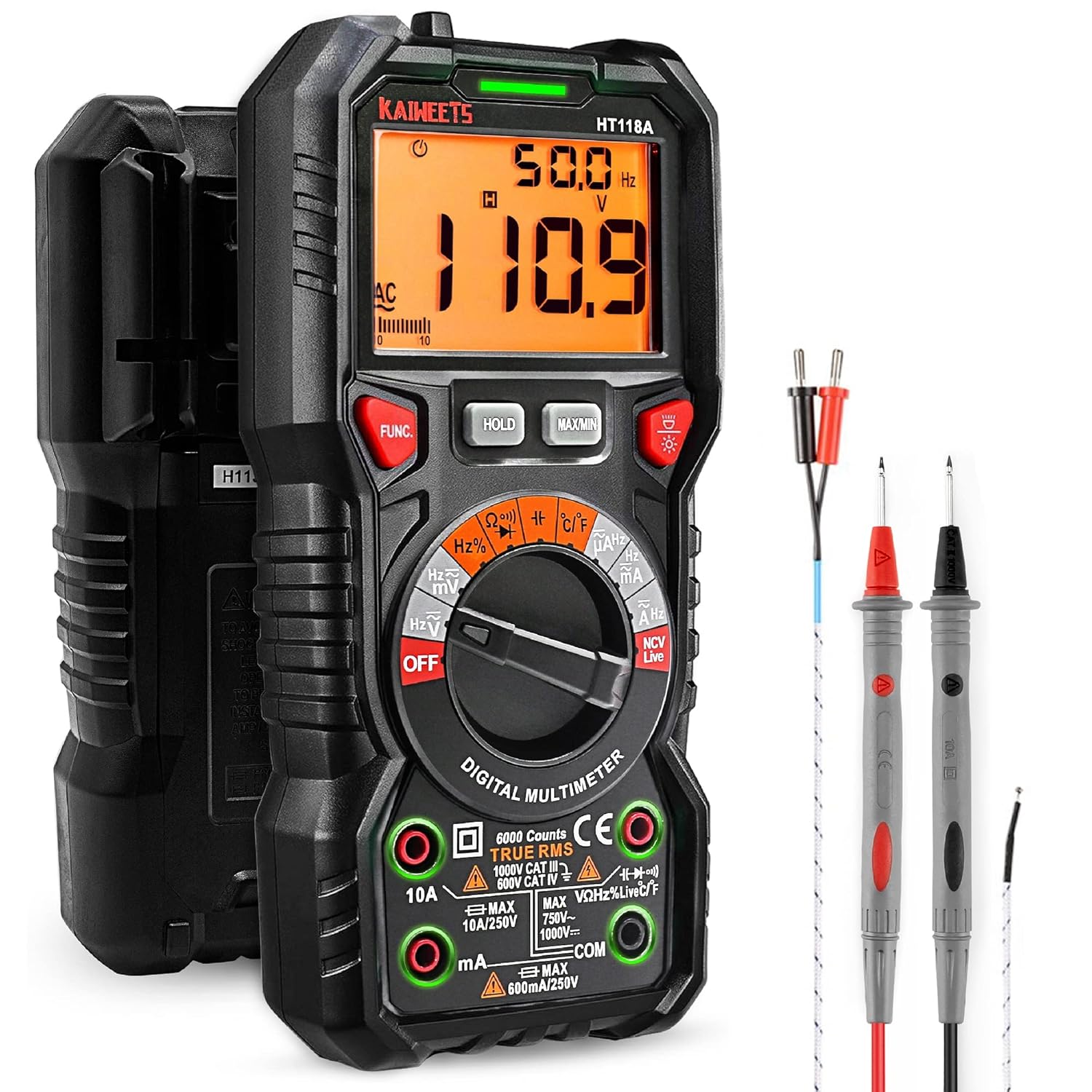
- Digital multimeter
- Wrench and socket set
- Safety glasses
- Mechanic’s gloves
- Flashlight
- Battery terminal cleaning brush
- Wire brush or sandpaper
Parts & Supplies
- Battery terminal protectant
- Baking soda and water solution
- Shop towels or rags
- Replacement battery terminal or cable if needed
This article is part of our Electrical System Maintenance & Repair Guides.
Bad battery cables can mimic a weak battery, bad starter, or charging problem, which is why they are often overlooked during basic troubleshooting. If your engine cranks slowly, clicks, loses power intermittently, or starts only after you wiggle a cable, the problem may be excess resistance inside a cable or at one of its connections.
The good news is that battery cable diagnosis does not require advanced scan tools. With a careful visual inspection, a multimeter, and a simple voltage drop test, you can usually tell whether the positive cable, ground cable, or terminal connection is causing the issue.
This guide walks through the practical checks DIY car owners can use to confirm cable problems, separate them from battery or starter faults, and decide whether cleaning, tightening, or replacing a cable is the right next step.
Common Symptoms of Bad Battery Cables
Battery cables fail in a few common ways: corrosion builds up at the terminal, the cable strands corrode under the insulation, the terminal end loosens, or the ground connection to the engine or body develops resistance. Any of these faults can reduce current flow, especially during starting when demand is highest.
- Slow cranking even with a battery that tests good or is fully charged.
- A single click or rapid clicking when turning the key.
- Intermittent no-start conditions that change when you move a cable by hand.
- Electrical power dropping out briefly, especially while cranking.
- Hot battery terminals or cables after repeated start attempts.
- Visible green, white, or bluish corrosion around the battery posts or cable ends.
- A burning smell or melted insulation near a high-resistance connection.
These symptoms are not exclusive to battery cables, so the goal is to confirm the cable circuit before replacing parts. A weak battery, bad starter, or poor charging system can create similar complaints, but cable faults usually show up as visible corrosion, heat, or excessive voltage loss between two connection points.
Safety and Preparation
Before testing, park on a level surface, set the parking brake, and switch the ignition off. Wear eye protection and avoid letting metal tools bridge the battery posts. Batteries can vent explosive gas, and a short across the terminals can create dangerous sparks instantly.
If you need to remove the cables for cleaning or inspection, disconnect the negative cable first and reconnect it last. That reduces the chance of accidentally shorting the positive terminal to ground with a wrench.
- Make sure the battery is reasonably charged before drawing conclusions from starting tests.
- If corrosion is heavy, clean the area before testing so you can access bare metal and see the true condition of the terminal.
- Do not pull hard on a cable without supporting the terminal end; some weakened ends can break apart.
What to Inspect Before Using a Meter
Check the Battery Posts and Terminal Fit
Look closely where each cable clamps to the battery post. The terminal should sit fully down on the post and should not rotate by hand once tightened. A loose terminal can act like a bad battery even when the cable itself is fine.
Corrosion may appear as white powder, blue-green buildup, or swelling near the terminal. If corrosion is severe, it can spread inside the cable where you cannot see it, increasing resistance even after the visible surface is cleaned.
Inspect the Positive Cable Path
Follow the positive cable from the battery to the starter motor, starter relay, fuse block, or power distribution center depending on vehicle design. Look for cracked insulation, burned spots, rub-through points, amateur repairs, or add-on accessory connections that may have loosened the main cable.
Inspect the Ground Side Carefully
Ground cables are just as important as the positive side and often cause overlooked issues. Follow the negative cable from the battery to the body and engine block. A rusty engine ground, frayed strap, or loose mounting bolt can create major voltage loss during cranking.
- Look for green corrosion creeping out from under the insulation.
- Check for swollen cable sections that suggest internal corrosion.
- Inspect engine-to-body ground straps for breaks or heavy rust.
- Watch for oily, dirty, or painted ground contact surfaces.
Tools That Make This Job Easier


Simple Hands-On Checks
With the engine off, gently try moving each cable end by hand. The connection should feel solid. If power returns when you twist or press on a cable, you may have a loose terminal, broken strands inside the insulation, or a compromised crimp at the terminal end.
Another clue is heat. After a failed crank attempt, carefully feel near the terminal ends and major cable connections. A hot spot indicates resistance. Current flow through a poor connection creates heat, which is a strong sign the cable or terminal is failing under load.
Do not rely on appearance alone, though. A cable can look acceptable on the outside but have severe internal corrosion hidden beneath the insulation, especially near the battery where acid fumes and moisture collect.
How to Test Battery Cables With a Multimeter
Start with Base Battery Voltage
Set the multimeter to DC volts and measure directly across the battery posts, not the cable terminals. A fully charged battery at rest should typically read about 12.6 volts. Around 12.4 volts is partially charged, and near 12.2 volts or lower means the battery should be charged before you trust further test results.
If the battery itself is extremely weak, cable diagnosis becomes less reliable because the whole system voltage sags. Charge or test the battery first if needed.
Measure Voltage at the Terminals Versus the Posts
Place one meter lead on the battery post and the other on the matching cable terminal end. On the positive side, touch one lead to the positive post and the other to the positive clamp. Have a helper attempt to crank the engine. Do the same on the negative side between the negative post and negative clamp.
During cranking, the voltage difference between the post and terminal should be very low. If you see noticeable voltage across that tiny connection, the terminal is dirty, loose, or corroded.
Perform a Positive Cable Voltage Drop Test
Connect the red lead to the battery positive post and the black lead to the starter-side end of the positive cable, usually the large starter terminal or main power connection. Have a helper crank the engine while you watch the meter.
On most passenger vehicles, a healthy positive cable path should usually show no more than about 0.2 to 0.5 volts drop during cranking, depending on design and cable length. If the reading is significantly higher, the positive cable or one of its connections has excessive resistance.
Perform a Ground-side Voltage Drop Test
Connect the red lead to the starter housing or engine block near the starter and the black lead to the battery negative post. Crank the engine and read the voltage drop. The ground side should also be low, commonly around 0.2 to 0.3 volts on a good system, though some vehicles may vary slightly.
If the ground-side drop is high, inspect the negative cable, body ground, engine ground, and any braided ground straps. A bad ground often causes slow cranking, weird electrical behavior, and intermittent no-starts.
How to Interpret Your Test Results
- Low battery voltage at rest plus low cranking voltage usually points to a discharged or weak battery first.
- Normal battery voltage but high drop between post and terminal points to a dirty or loose battery connection.
- Normal battery voltage but high drop along the positive cable path points to corrosion, damaged strands, or a poor connection at the starter or fuse block.
- Normal battery voltage but high drop on the ground side points to a bad negative cable, poor engine ground, or corroded ground mounting point.
- Very low voltage drop with no crank at all may shift suspicion toward the starter motor, starter relay, ignition switch, or anti-theft system.
If you find more than one issue, fix the easiest and most obvious problem first, then retest. For example, a heavily corroded negative terminal and a weak battery can exist at the same time. Cleaning the terminal alone may improve symptoms but not solve the full starting problem.
Recommended Tools for This Job


Cleaning and Retesting the Connections
If testing suggests poor terminal contact, disconnect the negative cable first, then the positive. Clean the posts and terminal interiors with a battery terminal brush until bright metal is visible. If acid residue is present, neutralize it with a baking soda and water solution, then dry the area thoroughly.
Also remove and clean the engine and body ground attachment points if they show rust, paint, dirt, or corrosion. Ground connections need clean bare metal contact to carry starting current properly.
Reconnect the positive cable first, then the negative, and tighten both securely. Do not overtighten lead terminals, but make sure they cannot move by hand. After cleaning, repeat the voltage drop test. If readings improve into a normal range, the issue was likely the connection rather than the cable itself.
When the Cable Needs Replacement
Replacement is usually the right fix if corrosion has traveled under the insulation, the terminal end is cracked or loose at the crimp, the cable gets hot during cranking, or the voltage drop stays high after all contact surfaces have been cleaned and tightened.
Do not ignore swollen insulation, green powder pushing out from the cable end, or stiff brittle cable sections. Those are strong signs the conductor inside is damaged. Repairs using universal clamp-on ends can work as a temporary fix in some cases, but an OE-style cable assembly is usually the more reliable long-term repair.
- Replace the positive cable if the starter feed or fuse block connection remains high-resistance after cleaning.
- Replace the negative cable if the battery-to-engine or battery-to-body path still shows excessive drop.
- Replace any damaged ground strap that looks rusted through, frayed, or heat-damaged.
Mistakes to Avoid During Diagnosis
- Do not test only battery voltage and assume the cables are fine.
- Do not probe painted or dirty metal when performing voltage drop tests.
- Do not confuse terminal corrosion with a bad starter before checking voltage loss under load.
- Do not replace the battery first just because the engine cranks slowly.
- Do not overlook the engine block and body grounds.
The biggest diagnostic mistake is skipping loaded testing. A cable can pass a visual check and still fail when hundreds of amps are demanded by the starter. That is why voltage drop testing during cranking is the most useful confirmation step.
What to Do Next After Diagnosis
If your tests confirm bad battery cables or terminal connections, clean and tighten what you can first, then retest. If resistance remains high, replace the affected cable and inspect the battery posts, starter connection, and ground points at the same time so the new part is not compromised by an old dirty connection.
If cable readings are normal but the vehicle still will not crank properly, move on to battery load testing, starter circuit testing, charging system checks, and control-side starter activation tests. Good battery cables eliminate one major possibility, but they are only one part of the starting system.
Key Takeaways
- Use a voltage drop test during cranking, because visual inspection alone can miss internal cable corrosion.
- Check both the positive cable and the entire ground path, including engine and body grounds.
- A hot terminal or cable after cranking is a strong clue that resistance is too high.
- Clean and tighten the connections first, then retest before replacing expensive parts.
- Replace the cable if voltage drop stays high after cleaning or if corrosion has spread under the insulation.
FAQ
Can Bad Battery Cables Act Like a Bad Starter?
Yes. High resistance in a battery cable can prevent enough current from reaching the starter, causing slow cranking, clicking, or a no-crank condition that feels like starter failure.
How Much Voltage Drop Is Too Much on a Battery Cable?
It varies by vehicle, but during cranking a single cable path should generally stay low, often around 0.2 to 0.5 volts or less. A reading clearly above that suggests excessive resistance in the cable or its connections.
Can I Diagnose a Bad Battery Cable Without Removing It?
Often yes. Visual inspection, movement checks, heat checks, and voltage drop testing can identify many cable problems without removing the cable. Removal helps if corrosion or poor ground contact is suspected.
Why Does My Car Start when I Wiggle the Battery Cable?
That usually points to a loose terminal, damaged cable end, or broken internal strands that make intermittent contact when moved.
Should I Replace Both Battery Cables at the Same Time?
Not always, but inspect both carefully. If one cable shows severe corrosion or age-related damage, the other may also be near failure, especially on older vehicles.
Can Corrosion Inside the Cable Be Hidden?
Yes. Battery acid fumes and moisture can corrode the copper inside the insulation, especially near the terminal. The outside may look decent even when resistance is high.
Is Cleaning the Terminals Enough to Fix the Problem?
Sometimes. If the issue is only surface corrosion or a loose connection, cleaning and tightening may restore proper operation. If voltage drop stays high afterward, the cable itself likely needs replacement.
Need Parts for This Repair?
The right parts and supplies vary by vehicle.
Select your make and model to find compatible parts and accessories for your car.
Exact Fit
Parts that fit your make and model
Quality You Can Trust
Top brands and OEM quality options
Fast Shipping
Get the parts you need, delivered fast