

Note: This article contains affiliate links. If you click on these links and make a purchase, I may earn a small commission at no extra cost to you. This helps support my research and content. Read my full affiliate disclosure here.
What You’ll Need
A quick look at the tools and supplies commonly used for this job.
Tools
- Digital multimeter
- Battery charger
- Safety glasses
- Work gloves
- Flashlight
- Basic socket and wrench set
Parts & Supplies
- Replacement serpentine belt if worn
- Battery terminal cleaner or wire brush
- Shop rags
- Dielectric grease
This article is part of our Electrical System Maintenance & Repair Guides.
A bad alternator usually shows up as a charging problem, not just a dead battery. If your car needs jump-starts, the battery light comes on, or the headlights dim at idle, the alternator should move high on your suspect list.
The key is to diagnose it in the right order. Many charging complaints are caused by a weak battery, loose belt, corroded battery terminals, bad grounds, or wiring issues that can mimic a failed alternator. A few simple checks with a multimeter can help you tell the difference before you spend money on parts.
This guide walks through the common symptoms, what tools you need, how to test charging voltage, and how to interpret the results so you know whether the alternator is bad, the battery is failing, or the problem is somewhere else in the charging system.
Common Symptoms of a Bad Alternator
Alternators rarely fail with just one dramatic sign. More often, they create a pattern of electrical problems that get worse over days or weeks. Knowing those patterns helps you avoid replacing the wrong component.
- Battery warning light or charging-system light stays on or flickers.
- Headlights dim at idle and brighten when engine speed increases.
- Slow cranking, repeated dead battery, or frequent jump-starts.
- Power windows, blower motor, radio, or dash electronics act weak or erratic.
- Burning smell, whining noise, or chirping near the alternator or belt drive.
- Engine stalls shortly after the battery light comes on because the car is running only on battery power.
These symptoms matter because the alternator’s job is to supply electrical power while the engine runs and recharge the battery after startup. If output drops too low, the battery begins carrying the vehicle load by itself until it becomes too weak to keep the engine electronics alive.
Safety and What to Check Before Testing
Work Safely Around the Charging System
Keep loose clothing, jewelry, and fingers away from the serpentine belt and cooling fans when the engine is running. Use safety glasses, and do not let metal tools bridge the battery terminals. If you need to disconnect wiring, shut the engine off first.
Start with a Visual Inspection
A quick under-hood inspection can save time. A good alternator cannot charge properly if the belt slips, the battery terminals are corroded, or the main charging cable has a poor connection.
- Check that the serpentine belt is present, properly routed, and not cracked, glazed, or loose.
- Inspect the alternator pulley area for wobble, noise, or signs the belt has been slipping.
- Look for white, green, or blue corrosion on the battery posts and cable ends.
- Make sure battery cables are tight and the ground connections to body and engine are secure.
- Inspect the alternator electrical connector and main charge wire for looseness, burning, or damaged insulation.
If you find obvious belt damage or severe cable corrosion, fix that first and then retest. Many ‘bad alternators’ are really charging systems with poor mechanical or electrical connections.
Step-by-Step Alternator Tests
Test the Battery with the Engine Off
Before judging the alternator, you need a reasonably charged battery. Set your digital multimeter to DC volts and measure across the battery terminals with the engine off and the car sitting for at least 15 minutes if possible.
- About 12.6 volts usually indicates a fully charged battery.
- Around 12.4 volts means the battery is partially charged.
- Near 12.2 volts or lower means the battery is significantly discharged.
- Below roughly 12.0 volts means testing may be misleading until the battery is charged.
If the battery is very low, charge it first. A deeply discharged battery can make a good alternator look weak because the system is under heavy recovery load, and some vehicles may not regulate charging normally with a badly depleted battery.
Measure Charging Voltage at Idle
Start the engine and let it idle. Place the multimeter probes on the battery terminals again. In most passenger vehicles, normal charging voltage is typically about 13.5 to 14.8 volts, though exact numbers vary with temperature, vehicle design, and electrical load.
Tools That Make This Job Easier


If you still see battery voltage only, such as 12.1 to 12.6 volts with the engine running, the alternator likely is not charging or the charge path is interrupted. If voltage is above about 15 volts, the voltage regulator may be overcharging.
Raise Engine Speed Slightly
Bring engine speed up to roughly 1,500 to 2,000 rpm and watch the meter. Charging voltage should stay stable and generally remain in the normal range. If voltage climbs from low battery voltage to a healthy charging number only when revved, that can point to a slipping belt, weak alternator output at idle, or a control issue.
Turn on Electrical Loads
With the engine running, switch on the headlights, blower motor, rear defroster, and other major loads. A healthy alternator should keep system voltage near the mid-13s or higher on most vehicles. A small dip is normal when loads first switch on, but voltage should recover quickly.
If voltage falls toward 12 volts and keeps dropping with accessories on, the alternator may not be producing enough current. This test is especially useful for catching alternators that look acceptable with no load but fail when the car actually needs power.
Watch for Unstable Readings
A charging system should be fairly steady. Rapid fluctuations, flickering lights, or voltage readings that jump around can suggest worn brushes, a failing internal regulator, poor wiring connections, or a bad ground. If the dash lights pulse in sync with engine speed, pay close attention to belt condition and alternator output.
How to Separate Alternator Problems From Battery Problems
A lot of DIY misdiagnosis happens because a bad battery and a bad alternator can cause similar symptoms. The battery starts the car; the alternator keeps it running and recharges the battery afterward. You need to consider both.
Signs the Battery May Be the Main Issue
- The battery is old, swollen, leaking, or fails to hold a charge after being fully charged.
- Charging voltage with the engine running is normal, but the car still cranks slowly after sitting.
- The vehicle starts and runs normally once jump-started, and system voltage tests in the normal charging range.
Signs the Alternator May Be the Main Issue
- The battery keeps going dead even after being charged or replaced.
- System voltage stays near static battery voltage with the engine running.
- The battery light comes on while driving and electrical accessories weaken.
- The car eventually stalls after the battery discharges.
If the battery is questionable, have it load-tested. A weak battery can strain the charging system, and a failing alternator can damage a battery by repeatedly undercharging it. In many real-world cases, both parts are compromised by the time the problem is diagnosed.
Check the Belt, Wiring, and Voltage Drop
If charging voltage is low, do not condemn the alternator until you check the path the electricity travels through. Output can be lost between the alternator and battery because of resistance in cables, fuses, grounds, or connections.
Inspect the Serpentine Belt and Tension
A glazed or slipping belt can reduce alternator speed and output, especially at idle or under heavy load. Listen for squealing when lights, defroster, or air conditioning are turned on. If the tensioner is weak or the belt is shiny and hardened, the alternator may be fine but unable to spin fast enough.
Check the Main Charge Wire
Most alternators have a heavy output cable connected to the battery positive side through a fuse or fusible link. If that connection is loose, corroded, or open, the alternator may generate power internally but fail to deliver it to the battery.
Perform a Basic Voltage Drop Test
With the engine running and electrical loads on, place the multimeter positive lead on the alternator output stud and the negative lead on the battery positive terminal. A low reading is expected; excessive voltage drop suggests resistance in the positive side of the charging circuit.
Then check the ground side by placing one lead on the alternator housing and the other on the battery negative terminal. Again, excessive voltage drop points to a poor ground path. Exact acceptable values vary, but lower is better, and anything noticeably high deserves inspection and cleaning.
If the alternator output terminal shows healthy charging voltage but the battery posts do not, the problem is likely in the wiring, fuse, or connection between them rather than inside the alternator itself.
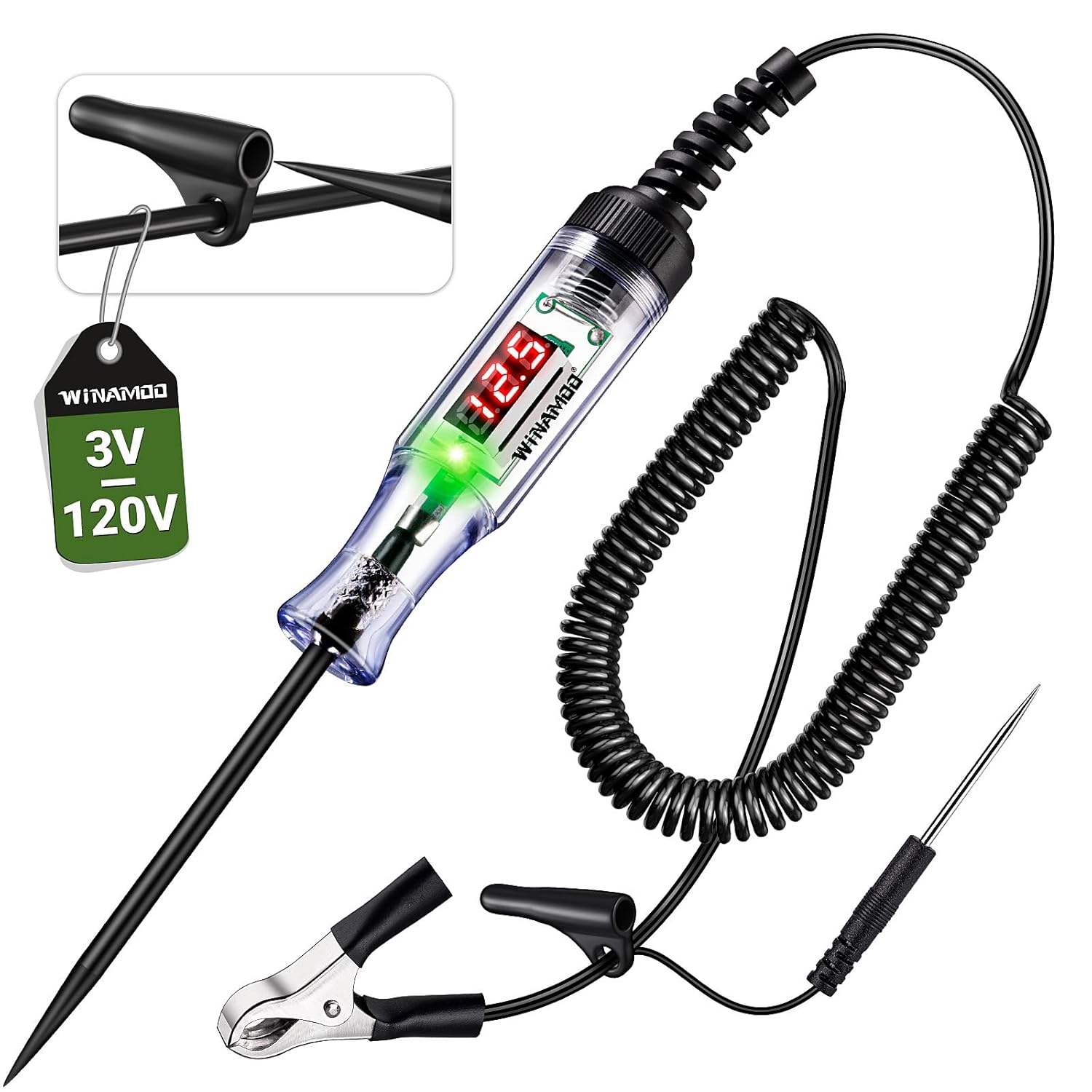
Recommended Tools for This Job


Other Clues That Support Alternator Failure
Noise From the Alternator
A whining, grinding, or growling noise from the alternator area can indicate worn bearings. Bad bearings can eventually seize the alternator, shred the belt, or reduce output if the rotor does not spin properly.
Burning Smell or Visible Heat Damage
An overheating alternator may produce a hot electrical smell or show discoloration near the rear housing or connector. That can point to internal diode failure, overloaded wiring, or a battery that has been overworked.
Repeated Warning Lights and Erratic Electronics
When system voltage becomes unstable, modern vehicles may set multiple warning lights or act strangely. Transmission shifting, infotainment systems, instrument clusters, electric power steering, and engine controls can all behave unpredictably when charging voltage drops too low.
That does not always mean those systems are faulty. Low system voltage can create a chain reaction of misleading symptoms, so confirm charging performance before chasing unrelated codes or replacing modules.
How to Interpret Your Test Results
- Engine off around 12.6 volts, engine running around 13.5 to 14.8 volts: the alternator is likely charging normally.
- Engine off low, engine running still near 12 volts: the alternator is likely not charging, or there is an open circuit between alternator and battery.
- Engine running above about 15 volts: likely overcharging from a regulator problem.
- Charging voltage normal at first but drops as loads increase: alternator output may be weak under demand, or belt slip may be present.
- Charging voltage good at alternator but poor at battery: suspect cable resistance, bad fuse link, or connection issues.
- Battery repeatedly dies even though charging voltage is normal: battery condition or a parasitic draw may be the real problem.
If your results are borderline, repeat the tests after charging the battery fully and cleaning the battery terminals. Taking measurements on dirty or loose connections can lead to false conclusions.
What to Do Next if the Alternator Is Bad
If testing points clearly to a failed alternator, avoid driving the vehicle any farther than necessary. Once the battery’s reserve power is used up, the engine can stall and leave you stranded.
- Replace the alternator with a quality unit that matches your engine and electrical load requirements.
- Inspect or replace the serpentine belt and tensioner if belt wear or slippage is present.
- Charge the battery fully after repair, because an exhausted battery may not recover from repeated deep discharge.
- Clean and tighten battery terminals and ground connections before final retesting.
- Verify charging voltage again after installation to confirm the repair.
If the battery was repeatedly drained, have it tested after the alternator repair. Even if the car starts, a battery that has been deeply discharged multiple times may have lost capacity and may fail soon afterward.
Key Takeaways
- Test battery voltage first, because a severely discharged battery can distort alternator test results.
- A running voltage that stays near 12 volts usually points to a charging failure, not just a weak battery.
- Do not skip belt, cable, fuse, and ground checks, because connection problems can mimic a bad alternator.
- If voltage drops hard under electrical load, the alternator may be weak even if it passes a basic idle check.
- After alternator replacement, fully charge and test the battery so an already damaged battery does not cause repeat problems.
FAQ
Can a Car Run with a Bad Alternator?
Yes, but only until the battery is depleted. Once the alternator stops charging, the car runs on stored battery power alone, and the engine may stall when voltage gets too low.
What Voltage Should I See if My Alternator Is Working?
Most vehicles show roughly 13.5 to 14.8 volts at the battery with the engine running. Exact numbers vary by vehicle, temperature, and charging strategy, but readings near static battery voltage usually indicate a problem.
Will a Bad Alternator Always Turn on the Battery Light?
Not always. The battery or charging warning light is common, but some alternator failures are intermittent or weak under load, so you may notice dim lights or repeated dead batteries before the warning light stays on.
How Do I Know if It Is the Alternator and Not the Battery?
Check battery voltage with the engine off and then again with the engine running. If charging voltage rises into the normal range, the alternator is likely working. If it stays near battery voltage, the alternator or its wiring is the more likely issue.
Can a Bad Serpentine Belt Cause Alternator Symptoms?
Yes. A loose, glazed, or slipping serpentine belt can prevent the alternator from spinning fast enough to charge properly, especially at idle or when electrical demand is high.
Should I Replace the Battery when I Replace the Alternator?
Not automatically, but you should test it. If the battery is old, fails a load test, or has been deeply discharged multiple times, replacing it may prevent another no-start problem soon after the alternator repair.
Can I Test an Alternator by Disconnecting the Battery While the Engine Is Running?
No. That old method can damage the vehicle’s electronics and is not safe on modern cars. Use a digital multimeter and proper charging-system tests instead.
Need Parts for This Repair?
The right parts and supplies vary by vehicle.
Select your make and model to find compatible parts and accessories for your car.
Exact Fit
Parts that fit your make and model
Quality You Can Trust
Top brands and OEM quality options
Fast Shipping
Get the parts you need, delivered fast