

Note: This article contains affiliate links. If you click on these links and make a purchase, I may earn a small commission at no extra cost to you. This helps support my research and content. Read my full affiliate disclosure here.
Repair Snapshot
Use a mechanic if the engine has been overheating, coolant is disappearing, or the cap is mounted on a pressurized remote reservoir and you are unsure of the correct replacement. A pro is also the better choice if the cooling system needs pressure testing or there are signs of a blown head gasket.
This article is part of our Cooling System Maintenance & Repair Guides.
Replacing a radiator cap is one of the simplest cooling system repairs you can do, but it has to be done safely and with the correct part. The cap does more than close the filler neck. It holds pressure in the cooling system, raises the coolant boiling point, and helps move coolant between the radiator and overflow tank.
A weak, leaking, or incorrect radiator cap can cause overheating, coolant loss, air intrusion, or a collapsed hose even when the radiator and thermostat are still good. The good news is that most radiator caps can be replaced in minutes with no special tools, as long as the engine is completely cool.
This guide explains how to choose the right cap, remove the old one without getting burned, inspect the sealing surfaces, install the new cap, and verify the system is working properly afterward.
What the Radiator Cap Does and When to Replace It
The radiator cap is a pressure control valve for the cooling system. On many vehicles, it mounts directly on the radiator. On others, especially newer cars, the pressurized cap may be on a coolant expansion tank instead of the radiator itself. In either design, the cap is calibrated to hold a specific pressure, such as 13 psi, 16 psi, or 18 psi, depending on the vehicle.
When system pressure rises, the cap allows excess coolant to move into the overflow reservoir. As the engine cools down, the cap’s vacuum valve helps pull coolant back into the system. If that process fails, coolant levels can become inconsistent and the engine may run hot.
Common Signs the Cap Needs Replacement
- Coolant pushing into the overflow tank too easily or boiling over.
- Visible cracks, rust, or corrosion on the cap.
- A torn, flattened, or hardened rubber seal.
- Coolant smell or residue around the filler neck.
- Repeated overheating with no obvious leak elsewhere.
A radiator cap is inexpensive, so it is often replaced as preventive maintenance when there are cooling system complaints. Still, it should not be used to mask a deeper problem. If your engine overheats badly, builds pressure unusually fast from a cold start, or blows coolant out even with a new cap, more diagnosis is needed.
Before You Start: Safety and Correct Cap Selection
Never Remove the Cap on a Hot Engine
This is the most important rule. A hot cooling system is pressurized, and removing the cap can release scalding coolant and steam instantly. Let the vehicle sit until the upper radiator hose is cool to the touch. If you are not sure the engine is cool, wait longer. Many burns happen because someone assumes ‘warm’ is safe.
Match the Pressure Rating and Design
Do not guess on the replacement cap. Use the owner’s manual, a repair manual, or the vehicle parts catalog to confirm the exact cap. The pressure rating, depth, locking tabs, and seal design must match. Installing a cap with too low a pressure rating can cause boiling and overflow. A cap with too high a rating can stress hoses, the radiator, heater core, and other cooling system parts.
Also confirm whether your vehicle uses a traditional radiator cap or a cap on a degas bottle or pressurized expansion tank. Some vehicles have a simple cap on an unpressurized overflow bottle, which is not the same part.
Check for Obvious Cooling System Issues First
- Low coolant level in the radiator or pressurized tank.
- Cracked overflow hose between the filler neck and reservoir.
- Damaged radiator filler neck or tank opening.
- Oil in coolant, heavy bubbling, or sweet-smelling exhaust smoke.
- Wet hoses, radiator seams, or water pump leaks.
If you see major leaks or signs of internal engine problems, replacing the cap alone is unlikely to fix the issue.
Tools That Make This Job Easier


How to Remove the Old Radiator Cap
Prepare the Vehicle
Park on a level surface, shut the engine off, and let it cool completely. Open the hood and locate the cap. If it is dusty or greasy around the filler neck, wipe the area clean first so debris does not fall into the cooling system.
Remove the Cap Safely
Place a thick rag over the cap, press down, and turn it slowly to the first detent if the cap design uses a staged release. On a truly cool engine, there should be little or no pressure. Once you confirm that, press down again and continue turning until the cap releases fully. Lift it straight off.
If you hear hissing, see steam, or feel the cap pushing upward, stop immediately and let the engine cool more. Do not try to rush this step.
Inspect the Old Cap
- Look for a cracked or swollen rubber gasket.
- Check for rust, mineral buildup, or bent locking ears.
- Press the spring-loaded center section to see if it feels weak or stuck.
- Compare the pressure rating markings to the replacement part.
It is common for old caps to look only mildly worn but still fail to hold pressure correctly. If the seal is hardened or the spring feels weak, replacement is justified.
Inspect the Filler Neck and Coolant Level
Before installing the new cap, inspect the radiator neck or pressurized tank opening carefully. A new cap cannot seal properly on a damaged surface.
What to Look For
- Nicks, dents, or corrosion where the rubber seal contacts the neck.
- Damaged or bent bayonet tabs that the cap locks onto.
- Sludge or crusty deposits that prevent a full seal.
- A split overflow nipple or disconnected overflow hose.
Wipe the sealing area gently with a clean rag. Do not scrape aggressively with metal tools, since that can gouge the sealing surface. If the neck is heavily corroded or distorted, the cap may continue to leak and the radiator or tank may need repair or replacement.
Verify Coolant Level
On a traditional radiator, coolant should generally be near the top of the filler neck when the engine is cold. On a pressurized expansion tank system, the coolant should be at the cold fill line. If the level is low, top it off with the correct coolant mixture before installing the new cap. Using the wrong coolant type can cause corrosion or seal damage over time, so check your owner’s manual if you are unsure.
How to Install the New Radiator Cap
Confirm the Replacement Matches
Set the old and new caps side by side. Compare the diameter, depth, rubber seal placement, and pressure rating. The markings may be stamped on the top or underside. If anything looks noticeably different, stop and recheck the part number.
Install the Cap
Place the new cap squarely onto the filler neck. Align the locking tabs, then press down and turn clockwise until it seats fully. Most caps stop with a firm, positive engagement. Do not force it beyond its designed stop.
The cap should sit evenly and feel secure. If it rocks, does not lock, or seems loose, remove it and inspect the neck and cap alignment again.
No Torque Specification Is Typically Used
Radiator caps are not usually torqued with a wrench. They are hand-installed only. The important point is full engagement of the lock tabs and proper sealing contact. If your vehicle uses a threaded cap on a specific expansion tank design, follow the manufacturer’s service information for any special tightening notes.
Recommended Tools for This Job


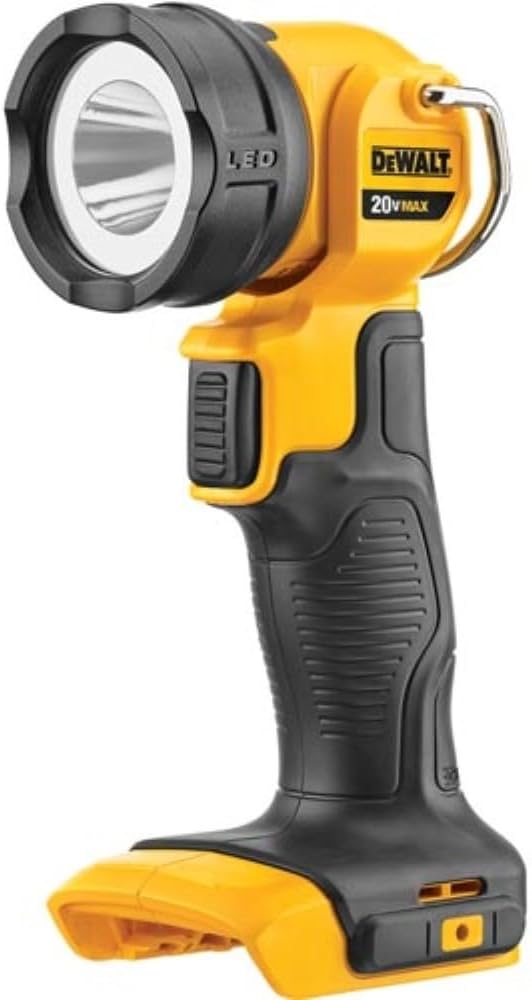
What to Do After Installation
Warm Up the Engine and Monitor It
Start the engine and let it idle with the hood open. Watch the temperature gauge as the engine warms up. Check around the cap, overflow hose, and tank or radiator neck for any seepage. On some vehicles, you may see coolant begin to circulate once the thermostat opens.
You usually do not need to bleed the cooling system just for a cap replacement unless coolant was low or you opened other parts of the system. If you had to add coolant, follow your vehicle’s recommended bleeding or burping procedure to remove trapped air.
Check the Overflow Reservoir
Make sure the overflow bottle is filled to the correct cold mark. After a full heat cycle and complete cool-down, recheck the reservoir level. The system should draw coolant back as it cools if the cap and overflow hose are working correctly.
Look for Signs of Continuing Problems
- Temperature gauge climbs higher than normal.
- Coolant still pushes out into the overflow bottle excessively.
- Upper radiator hose becomes rock-hard unusually quickly from a cold start.
- Coolant level drops again after one or two drive cycles.
- You smell coolant or see drips under the vehicle.
If any of those symptoms remain, the cap may not have been the root cause. A thermostat issue, radiator blockage, fan problem, external leak, or combustion gas entering the cooling system could still be present.
Mistakes to Avoid
- Removing the old cap before the engine is fully cool.
- Buying a cap based only on appearance instead of exact pressure rating and fitment.
- Ignoring damage to the filler neck or overflow hose.
- Assuming a new cap will fix chronic overheating by itself.
- Overfilling the overflow bottle above the proper cold mark.
- Mixing incompatible coolant types when topping off the system.
The most common DIY mistake is replacing the cap without confirming the system is otherwise healthy. A bad cap can absolutely cause cooling issues, but it is only one piece of the system.
When a New Radiator Cap Will Not Fix the Problem
If your vehicle still overheats or loses coolant after replacing the cap, more testing is needed. Cooling systems fail in several ways, and the symptoms can overlap.
Problems Often Mistaken for a Bad Cap
- Stuck thermostat preventing proper coolant flow.
- Radiator fan not turning on at the right temperature.
- Clogged radiator or restricted heater core.
- Leaking water pump or coolant crossover gasket.
- Cracked overflow reservoir or split hose.
- Head gasket failure pressurizing the system.
A cooling system pressure tester is useful here. It can help confirm whether the cap holds pressure and whether the system leaks down. Many parts stores lend test kits, but if you are not comfortable using one, a repair shop can diagnose the issue quickly.
Key Takeaways
- Only remove and replace a radiator cap when the engine is completely cool.
- Always match the new cap’s exact pressure rating and fitment to your vehicle.
- Inspect the filler neck, overflow hose, and coolant level before installing the new cap.
- A radiator cap is hand-tightened by design and should lock in place firmly without tools.
- If overheating or coolant loss continues after replacement, diagnose the rest of the cooling system instead of guessing.
FAQ
Can I Replace a Radiator Cap Myself?
Yes. On most vehicles it is a straightforward DIY job as long as the engine is completely cool and you install the exact correct cap for the vehicle.
How Do I Know Which Radiator Cap Pressure Rating I Need?
Check the owner’s manual, factory service information, or a trusted parts catalog using your vehicle’s year, make, model, and engine. Do not choose a cap by looks alone.
What Happens if I Use the Wrong Radiator Cap?
A cap with too low a pressure rating can allow coolant to boil or overflow too early. A cap with too high a rating can overstress hoses, the radiator, heater core, and seals.
Do I Need to Drain Coolant to Replace a Radiator Cap?
No, not usually. You only remove the cap and inspect the coolant level. You may need to add coolant if the system is low, but a full drain is not part of this job.
Should I Replace the Radiator Cap if My Car Is Overheating?
It can be a worthwhile low-cost step if the cap is old or clearly damaged, but overheating can also be caused by leaks, a thermostat, cooling fans, a clogged radiator, or internal engine problems.
Do I Need to Bleed the Cooling System After Replacing the Cap?
Not if you only swapped the cap and did not lose coolant. If the coolant was low and you added some, follow the vehicle’s bleed procedure if required to remove trapped air.
How Often Should a Radiator Cap Be Replaced?
There is no universal replacement interval, but many people replace it when cooling system symptoms appear or during major cooling system service. If the seal is hardened, cracked, or the spring feels weak, replace it.
Why Is There Still Pressure in the Cooling System After I Installed a New Cap?
Some pressure during normal operation is expected because that is the cap’s job. If pressure builds extremely fast from a cold start or coolant keeps getting forced out, the vehicle likely has another cooling system or engine issue.
Need Parts for This Repair?
The right parts and supplies vary by vehicle.
Select your make and model to find compatible parts and accessories for your car.
Exact Fit
Parts that fit your make and model
Quality You Can Trust
Top brands and OEM quality options
Fast Shipping
Get the parts you need, delivered fast