

Note: This article contains affiliate links. If you click on these links and make a purchase, I may earn a small commission at no extra cost to you. This helps support my research and content. Read my full affiliate disclosure here.
Repair Snapshot
Use a mechanic if the engine overheated severely, the temperature stays high after basic checks, or you suspect a head gasket, water pump, or internal engine damage. Professional help is also best if you see coolant in the oil, heavy steam, or repeated overheating with no obvious leak.
This article is part of our Cooling System Maintenance & Repair Guides.
An overheating engine is a stop-now problem, not something to drive through and hope goes away. If your temperature gauge climbs into the red, you see steam, or a warning message appears, the goal is to protect the engine first and troubleshoot second.
The good news is that many overheating cases come from a short list of cooling system faults: low coolant, a leak, a bad thermostat, a failing radiator fan, a weak radiator cap, or a worn water pump belt. This guide walks you through what to do immediately, how to inspect the system safely, and which repairs a careful DIYer can realistically handle at home.
Because overheating can quickly lead to warped cylinder heads, blown head gaskets, and major engine damage, always err on the side of caution. If the engine got extremely hot, shut off suddenly, or now runs rough, smokes, or mixes oil and coolant, skip the DIY diagnosis and have it inspected professionally.
What to Do Right Away
If the gauge is rising but the engine is still running normally, turn off the A/C and turn the heater to full hot with the blower on high. This pulls heat away from the engine and may buy you a few minutes to get off the road safely. Then reduce speed, avoid hard acceleration, and find a safe place to stop.
If the temperature warning light comes on, the gauge enters the red, or steam is coming from under the hood, pull over as soon as it is safe and shut the engine off. Do not keep driving to “make it home.” A short extra drive can turn a simple hose or thermostat repair into a head gasket or engine replacement.
- Move to a safe shoulder or parking area and turn on the hazard lights.
- Shut the engine off if the gauge is in the red or steam is visible.
- Do not remove the radiator cap while the engine is hot.
- Wait at least 20 to 30 minutes before opening the hood fully or checking coolant components closely.
- If coolant is pouring out, there is heavy steam, or the engine runs rough, arrange a tow.
Signs the Problem Is Actually Overheating
A true overheating problem usually shows up in more than one way. The most obvious sign is the dash temperature gauge climbing higher than normal or a coolant temperature warning message. You may also notice reduced heater performance, a sweet coolant smell, pinging under load, steam from the hood, or coolant puddles under the car.
Not every temperature reading issue means the engine is truly overheating. A faulty coolant temperature sensor, bad gauge, wiring issue, or trapped air in the cooling system can create misleading symptoms. Still, treat every overheat warning as real until you confirm otherwise.
- Temperature gauge climbs above its usual midpoint
- Coolant temperature warning light or message appears
- Steam or coolant smell from under the hood
- Cabin heater suddenly blows cool air
- Coolant reservoir is empty or overflowing
- Engine begins knocking, losing power, or running rough
Safe Checks Before You Start Repairs
Let the Engine Cool Completely
Never loosen the radiator cap on a hot engine. Cooling systems are pressurized, and hot coolant can spray out with enough force to cause serious burns. Wait until the upper radiator hose feels cool enough to touch and there is no pressure left in the system.
Check Coolant Level
Look at the coolant reservoir first. If the reservoir is empty or far below the minimum line, the system may be low from a leak, recent service, or boil-over. On a fully cool engine, remove the radiator cap and confirm the radiator is full if your vehicle uses a removable cap.
Look for Obvious Leaks
Inspect around the radiator, upper and lower hoses, thermostat housing, water pump area, heater hoses, and coolant reservoir. Dried white, pink, green, or orange crusty residue often marks a leak point even if the system is not actively dripping.
Check the Belt and Fan Operation
If the water pump is driven by the serpentine belt, a loose, missing, or slipping belt can cause immediate overheating. Electric radiator fans should cycle on when the engine gets hot or the A/C is turned on. A fan that never comes on can cause overheating at idle or in traffic.
Tools That Make This Job Easier


Most Common Causes of Engine Overheating
Most overheating events come from coolant not circulating properly, not enough coolant in the system, or the system not being able to hold pressure. That narrows your diagnosis quickly.
- Low coolant level from a leak or poor previous fill
- Leaking radiator hose or clamp allowing coolant loss under pressure
- Bad thermostat stuck closed and blocking coolant flow
- Faulty radiator cap that cannot maintain proper system pressure
- Cooling fan failure from a blown fuse, relay, motor, or sensor issue
- Worn water pump or slipping belt reducing coolant circulation
- Clogged radiator with internal restriction or external debris blocking airflow
- Air trapped in the system after recent cooling system work
- Head gasket failure pushing combustion gases into the cooling system
The pattern matters. If the car overheats mainly at idle but cools down at highway speed, suspect radiator fans or airflow. If it overheats on the highway, suspect low coolant, thermostat, water pump, internal restriction, or head gasket issues. If the heater stops blowing hot and the gauge spikes, low coolant or air in the system is especially likely.
Step-by-Step DIY Diagnosis
Inspect Coolant Condition and Level
With the engine cold, check that the radiator and reservoir are filled to the proper level. Coolant should look relatively clean and consistent. Rusty, muddy, oily, or sludgy coolant points to neglected maintenance or internal engine problems.
Pressure-test the Cooling System if Possible
A cooling system pressure tester is one of the fastest ways to locate small leaks. Pump the system to the cap’s rated pressure and watch for drops while checking hoses, seams, fittings, the water pump weep hole, and the heater core area. If the pressure falls and no external leak appears, an internal leak becomes more likely.
Check Radiator Fan Function
Start the engine and let it warm up while monitoring temperature. Many vehicles will switch the fan on once the coolant reaches operating temperature. If the fan stays off, check related fuses and relays first. You can also use an OBD2 scan tool to watch coolant temperature and compare it to fan operation.
Feel for Thermostat and Flow Clues
As the engine warms from cold, the upper radiator hose usually remains relatively cool until the thermostat opens, then it quickly gets hot. If the engine overheats and the hose never warms properly, the thermostat may be stuck closed. Use caution around moving parts and hot surfaces.
Look for Head Gasket Warning Signs
Repeated overheating with no clear leak, bubbling in the radiator neck, coolant pushed out of the reservoir, white exhaust smoke, milky oil, or unexplained coolant loss can indicate combustion gases entering the cooling system. At that point, DIY troubleshooting usually stops and confirmatory testing is needed.
Repairs a DIYer Can Usually Handle
Top Off Coolant Correctly
If the coolant was simply low and you have not found a major leak, add the correct manufacturer-specified coolant mixture to the radiator and reservoir when the engine is cold. Avoid mixing incompatible coolant types. If you are in an emergency and must add fluid to get off the road, distilled water is safer than running dry, but it should not replace a proper repair.
Replace a Leaking Hose or Clamp
A soft, swollen, cracked, or leaking radiator hose is a common cause of overheating and usually a straightforward repair. Drain enough coolant to lower the level below the hose, remove the old clamp and hose, clean the fittings, install the new hose with fresh clamps, and refill the system. Make sure the hose is fully seated before tightening.
Replace the Radiator Cap
A weak cap can let coolant boil at a lower temperature and may cause overflow or gradual coolant loss. Because radiator caps are inexpensive and easy to replace, they are worth addressing if the seal is damaged, the spring feels weak, or pressure testing points to cap failure.
Replace the Thermostat
A thermostat replacement is within reach for many DIYers if access is reasonable. Drain enough coolant, remove the housing, note the old thermostat orientation, clean the mating surfaces, install the new thermostat and gasket, torque the housing evenly, then refill and bleed the system. Incorrect installation or poor bleeding can cause the new repair to overheat again.
Replace a Worn Serpentine Belt
If the belt drives the water pump and shows cracks, glazing, missing ribs, or looseness, replace it. A slipping belt can reduce pump speed enough to raise coolant temperature, especially under load or in hot weather.
Recommended Tools for This Job

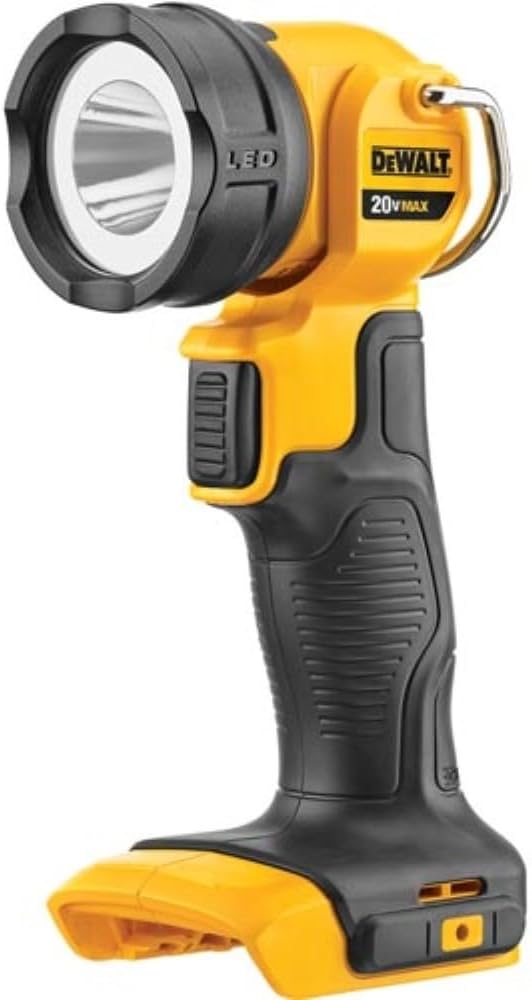

How to Bleed Air Out of the Cooling System
Air pockets can create false overheating, poor heater output, and erratic temperature spikes after any cooling system service. Some engines are notoriously difficult to bleed, so always check the service procedure for your vehicle.
- Park on a level surface or slightly nose-up if your vehicle’s design benefits from it.
- Fill the radiator and reservoir with the correct coolant mixture on a cold engine.
- Open any factory bleed screws if equipped.
- Set the heater to full hot so coolant can circulate through the heater core.
- Start the engine and allow it to reach operating temperature while monitoring the coolant level.
- Add coolant as the level drops and watch for steady heat from the cabin vents.
- When air bubbles stop and the level stabilizes, install the cap and road-test the vehicle.
- After the engine cools again, recheck the reservoir level and top off if needed.
If the engine still runs hot after careful bleeding, do not assume there is just more air trapped. Persistent overheating means there is still an underlying fault.
When Overheating Means a Bigger Problem
Sometimes overheating is the symptom, not the root cause. If the problem returns quickly after topping off coolant or replacing an obvious failed part, dig deeper before driving regularly.
- Coolant disappears with no visible external leak
- Bubbles continue in the radiator or reservoir after bleeding
- The engine misfires on startup after sitting overnight
- White smoke or sweet-smelling exhaust is present
- Oil looks milky or coolant has an oily film
- The radiator fan works, coolant is full, but the engine still overheats
- There is grinding, wobble, or coolant leakage at the water pump
These signs point toward head gasket failure, water pump problems, internal blockage, or severe radiator restriction. Those repairs often require special tools, chemical block testing, compression testing, or substantial disassembly, making professional diagnosis the safer choice.
Mistakes to Avoid
- Do not open the radiator cap while the engine is hot.
- Do not keep driving once the gauge reaches the red zone.
- Do not pour cold water on a hot engine to cool it down.
- Do not mix random coolant types unless the manufacturer says they are compatible.
- Do not ignore a repeated need to top off coolant.
- Do not assume replacing the thermostat will fix every overheating issue.
The biggest DIY mistake is focusing only on the symptom and not the cause. An overheat event always deserves a full cooling system check, even if the car seems fine after it cools down.
How to Prevent It From Happening Again
Cooling systems fail gradually most of the time. A quick monthly inspection can catch many issues before they become a roadside overheat.
- Check the reservoir level regularly when the engine is cold.
- Inspect hoses for swelling, cracks, and seepage near clamps.
- Replace coolant at the recommended service interval.
- Keep radiator fins clear of leaves, dirt, and bugs.
- Pay attention to heater performance changes and sweet coolant smells.
- Replace aging belts, caps, and hoses before they fail under pressure.
Key Takeaways
- If the gauge enters the red or steam appears, pull over and shut the engine off immediately to prevent major engine damage.
- Never remove a hot radiator cap; wait until the system is fully cool before checking coolant or opening the system.
- Low coolant, leaking hoses, a bad thermostat, fan failure, and a weak radiator cap are the most common DIY-fixable causes.
- After any cooling system repair, bleed trapped air carefully or the engine may overheat again even with new parts installed.
- If overheating returns, coolant disappears, or you suspect a head gasket or water pump issue, stop driving and get a professional diagnosis.
FAQ
Can I Drive My Car a Short Distance if It Is Overheating?
You should avoid driving it once the gauge is in the red, the warning light is on, or steam is visible. Even a short drive can cause head gasket failure, warped cylinder heads, or severe engine damage.
How Long Should I Wait Before Opening the Radiator Cap?
Wait until the engine is completely cool, usually at least 20 to 30 minutes, and longer if temperatures were extremely high. Only remove the cap when the upper radiator hose is cool and there is no remaining pressure.
Why Does My Car Overheat Only in Traffic or at Idle?
That pattern often points to a radiator fan problem, poor airflow through the radiator, or debris blocking the cooling fins. At highway speed, natural airflow helps compensate, so the issue shows up most at low speed.
Why Does My Car Overheat on the Highway but Seem Okay Around Town?
Highway overheating often suggests low coolant, a stuck thermostat, a weak water pump, a slipping belt, or a restricted radiator. Under higher load and sustained RPM, those problems become more noticeable.
Can Low Coolant Alone Cause Overheating?
Yes. If the coolant level drops enough, the system cannot circulate heat properly and air pockets may form. Low coolant nearly always means there is a leak, improper fill, or another issue that should be corrected.
Will Replacing the Thermostat Fix Every Overheating Problem?
No. A bad thermostat is common, but overheating can also be caused by leaks, fan issues, a bad radiator cap, blocked radiator passages, water pump failure, or internal engine damage. Diagnose the system before replacing parts.
What if I Topped Off the Coolant and It Still Overheats?
If topping off coolant does not solve it, look for a leak, trapped air, fan failure, thermostat issues, or water pump problems. Repeated overheating after refilling means the underlying fault is still present and further driving is risky.
How Do I Know if Overheating Damaged the Head Gasket?
Warning signs include coolant loss with no visible leak, bubbling in the radiator or reservoir, white exhaust smoke, milky oil, rough running, and overheating that returns quickly. Those symptoms usually require professional testing.
Need Parts for This Repair?
The right parts and supplies vary by vehicle.
Select your make and model to find compatible parts and accessories for your car.
Exact Fit
Parts that fit your make and model
Quality You Can Trust
Top brands and OEM quality options
Fast Shipping
Get the parts you need, delivered fast