

Note: This article contains affiliate links. If you click on these links and make a purchase, I may earn a small commission at no extra cost to you. This helps support my research and content. Read my full affiliate disclosure here.
Repair Snapshot
Use a mechanic if the engine overheated badly, coolant and oil are mixing, the head gasket may be damaged, or the repair involves major component removal. Professional help is also smart if the vehicle keeps overheating after basic cooling system parts have been checked.
This article is part of our Cooling System Maintenance & Repair Guides.
Engine overheating is one of the fastest ways to turn a small cooling system problem into a major repair bill. If your temperature gauge climbs above normal, the warning light comes on, or steam starts coming from under the hood, the goal is to stop the problem safely and diagnose it before the engine suffers damage.
Most overheating problems come from a handful of causes: low coolant, a leak, a stuck thermostat, a bad radiator fan, a weak water pump, restricted airflow, or combustion gases entering the cooling system. The good news is that many of these issues can be checked at home with basic tools and a methodical approach.
This guide walks you through what to do first, how to inspect the cooling system, which symptoms point to specific failures, and when a simple fix is reasonable versus when it’s time to call a mechanic.
What to Do First If Your Engine Is Overheating
If the temperature gauge is rising quickly or the engine temperature warning appears while driving, reduce load on the engine right away. Turn off the A/C, turn the cabin heat to full hot if needed to pull some heat away from the engine, and look for a safe place to pull over. Do not keep driving an overheating vehicle unless moving it a very short distance is absolutely necessary for safety.
Once parked, shut the engine off if the gauge is near the red zone, steam is visible, or the engine is running poorly. Let the vehicle cool completely before opening the hood fully or touching any cooling system part. A hot cooling system is pressurized, and removing the radiator cap too soon can cause serious burns.
- Pull over as soon as it is safe and stop the engine if the temperature keeps climbing.
- Do not remove the radiator cap on a hot engine.
- Watch for coolant puddles, steam, a sweet smell, or a broken belt.
- If the engine knocks, misfires badly, or loses power, do not restart it until it has been inspected.
Common Signs That Help Narrow Down the Cause
Before replacing parts, pay attention to when the overheating happens. The pattern matters. Some vehicles only overheat at idle, some only at highway speed, and some overheat all the time. Those clues often point you in the right direction faster than guessing.
Overheats at Idle or in Traffic
This often points to a radiator fan problem, weak airflow through the radiator, low coolant, or a failing water pump. If the vehicle cools down once you’re moving, the fan system or airflow is a strong suspect.
Overheats at Highway Speed
High-speed overheating can point to low coolant level, a partially clogged radiator, a stuck thermostat, a slipping water pump issue, a collapsing hose, or a head gasket problem pushing gases into the cooling system.
No Cabin Heat and Rising Engine Temperature
If the heater suddenly blows cold air while the engine is hot, coolant may be low, air may be trapped in the system, or circulation may be poor because of a thermostat, water pump, or blockage issue.
White Smoke, Bubbling Reservoir, or Milky Oil
These signs can indicate a blown head gasket or cracked engine component. At that point, basic cooling system repairs may not solve the overheating, and further running can cause severe engine damage.
Inspect the Cooling System Safely
After the engine is fully cool, begin with a visual inspection. Open the hood and look around the radiator, hoses, coolant reservoir, water pump area, thermostat housing, and engine front cover. Dried coolant residue often leaves white, green, orange, pink, or crusty trails that show where a leak started.
- Check the coolant level in the overflow reservoir and, if the system design allows, the radiator itself when cold.
- Inspect upper and lower radiator hoses for swelling, cracking, soft spots, or collapsed sections.
- Look for wetness around hose ends, clamps, radiator seams, and the water pump weep hole.
- Inspect the radiator fins for heavy debris, bent sections, or external blockage.
- Check the serpentine belt condition and tension if the water pump is belt-driven.
Low coolant is a symptom, not the root cause. If the level is down, find out where it went. Topping it off without tracking the leak may only buy a little time before the engine overheats again.
Check the Coolant Level and Condition
Coolant should be at the proper cold mark in the reservoir and should look reasonably clean. Rusty, muddy, oily, or heavily contaminated coolant can reduce heat transfer and hint at internal problems. If you see oil floating in the coolant or a thick sludge, stop and investigate before simply flushing the system.
Use the correct coolant type for your vehicle. Mixing incompatible formulas can shorten coolant life and contribute to deposits or corrosion. If the system is just a little low and there is no obvious leak, top it up with the correct premixed coolant or the proper coolant mixed with distilled water, then continue diagnosing.
If the system was very low or empty, assume there is a leak or a severe internal issue. Refill cautiously, bleed air as required by the vehicle procedure, and monitor for dripping, pressure loss, or bubbling in the reservoir.
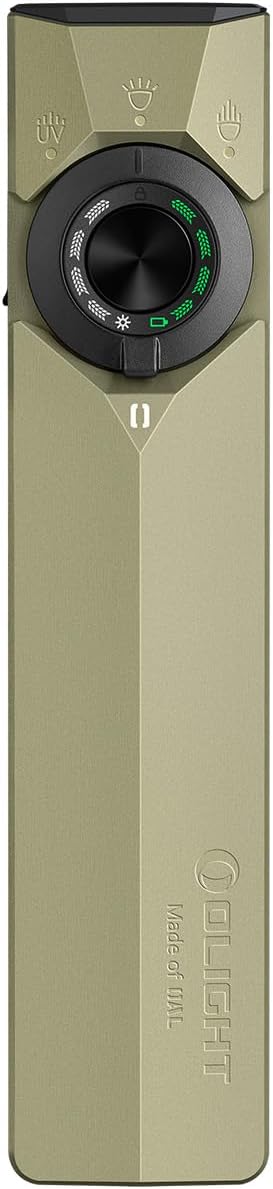
Tools That Make This Job Easier


Test for External Leaks
A cooling system pressure tester is one of the most useful tools for diagnosing overheating. With the engine cool, attach the tester to the radiator neck or expansion tank, then pump the system to the cap’s rated pressure or the vehicle’s specified test pressure. Never exceed the recommended pressure.
Once the system is pressurized, inspect for drips or seepage. Small leaks that only appear when hot often show up during a pressure test. Common leak points include radiator end tanks, hose connections, thermostat housings, heater hoses, heater control valves, water pump seals, and plastic fittings.
- If pressure drops quickly with no visible leak, suspect an internal leak or a cap that does not seal.
- If coolant appears at the water pump vent hole, replace the pump.
- If a hose weeps at a clamp, tighten or replace the clamp and inspect the hose end for swelling or cracking.
- If the radiator core or end tank leaks, radiator replacement is usually the reliable fix.
Check the Radiator Cap and System Pressure
The radiator cap is easy to overlook, but it matters. Cooling systems rely on pressure to raise the boiling point of coolant. A weak cap can let coolant boil too soon, overflow into the reservoir improperly, or fail to draw coolant back into the system as the engine cools.
Inspect the cap seal for cracks, flattening, or corrosion. If you have a cap tester, verify that it holds the rated pressure. If not, replacing an old or questionable cap is often a low-cost preventive move when diagnosing recurring overheating.
Verify Radiator Fan Operation
On many modern vehicles, an electric fan should turn on when coolant temperature rises or when the A/C is commanded on. If the engine overheats mostly at idle, let the vehicle warm up while monitoring the fan from a safe distance. Keep hands, clothing, and tools away from moving parts.
- Turn the A/C on and see whether the radiator fan starts.
- Check fan fuses, relays, wiring connectors, and the fan motor.
- Scan for trouble codes related to coolant temperature sensors or fan control circuits.
- If the fan motor does not run when power and ground are present, replace the fan motor or fan assembly.
Mechanical fans with a clutch should provide noticeable airflow when hot. A weak fan clutch may freewheel too much and fail to pull enough air through the radiator at low speed.
Check the Thermostat, Water Pump, and Coolant Flow
A stuck thermostat can prevent coolant from circulating through the radiator, causing rapid overheating. Common signs include the upper radiator hose staying relatively cool while the engine gets hot, sudden temperature spikes, or repeated overheating shortly after startup.
A failing water pump may leak, wobble, make grinding noise, or circulate coolant poorly. Some pumps use plastic impellers that can break down internally without obvious external signs. If the pump is not moving coolant properly, the heater may be weak and the engine may overheat even with a full system.
Basic Thermostat Check
As the engine warms from cold, the upper radiator hose usually stays cooler until the thermostat opens, then it should heat up as coolant begins flowing to the radiator. If the gauge climbs high but the hose remains cool and the radiator stays much cooler than the engine, the thermostat may be stuck closed.
Basic Water Pump Clues
- Coolant leaking from the pump area or weep hole points to pump failure.
- A loose pulley, bearing noise, or belt misalignment also supports pump replacement.
- If the belt is slipping or missing, the pump may not be turning properly.
- Some vehicles require timing belt or major front-end disassembly for pump replacement, which may make this a shop job.
Look for Airflow and Radiator Restrictions
An engine can overheat even when coolant level is correct if the radiator cannot shed heat. Start by checking for debris packed into the radiator and condenser fins, such as leaves, bugs, plastic bags, or dirt. Gently clean external blockage with low-pressure water or compressed air from the correct side so you do not bend the fins.
Internal restriction is harder to see. Cold spots across the radiator after warm-up can suggest clogged passages. An infrared thermometer can help compare temperatures from one side of the radiator to the other. Large uneven temperature zones may point to internal blockage and reduced flow.
A lower radiator hose that collapses under higher RPM can also restrict flow. If a hose feels unusually soft or lacks its internal spring where one is required, replace it.
Rule Out a Head Gasket or Internal Engine Problem
If the cooling system checks out but the engine still overheats, consider an internal problem. A blown head gasket can force combustion gases into the cooling system, push coolant out, create constant bubbling in the reservoir, and cause overheating even with good fans and a new thermostat.
- Continuous bubbles in the reservoir after startup can indicate combustion gases entering the system.
- Unexplained coolant loss with no external leak may mean coolant is entering the engine cylinders.
- White exhaust smoke with a sweet smell can indicate coolant burning in the engine.
- Milky oil or rising oil level can indicate coolant contamination.
A block test, cooling system pressure retention test, compression test, or leak-down test can help confirm an internal failure. At this stage, professional diagnosis is often worth it because continuing to drive can warp cylinder heads or ruin bearings.
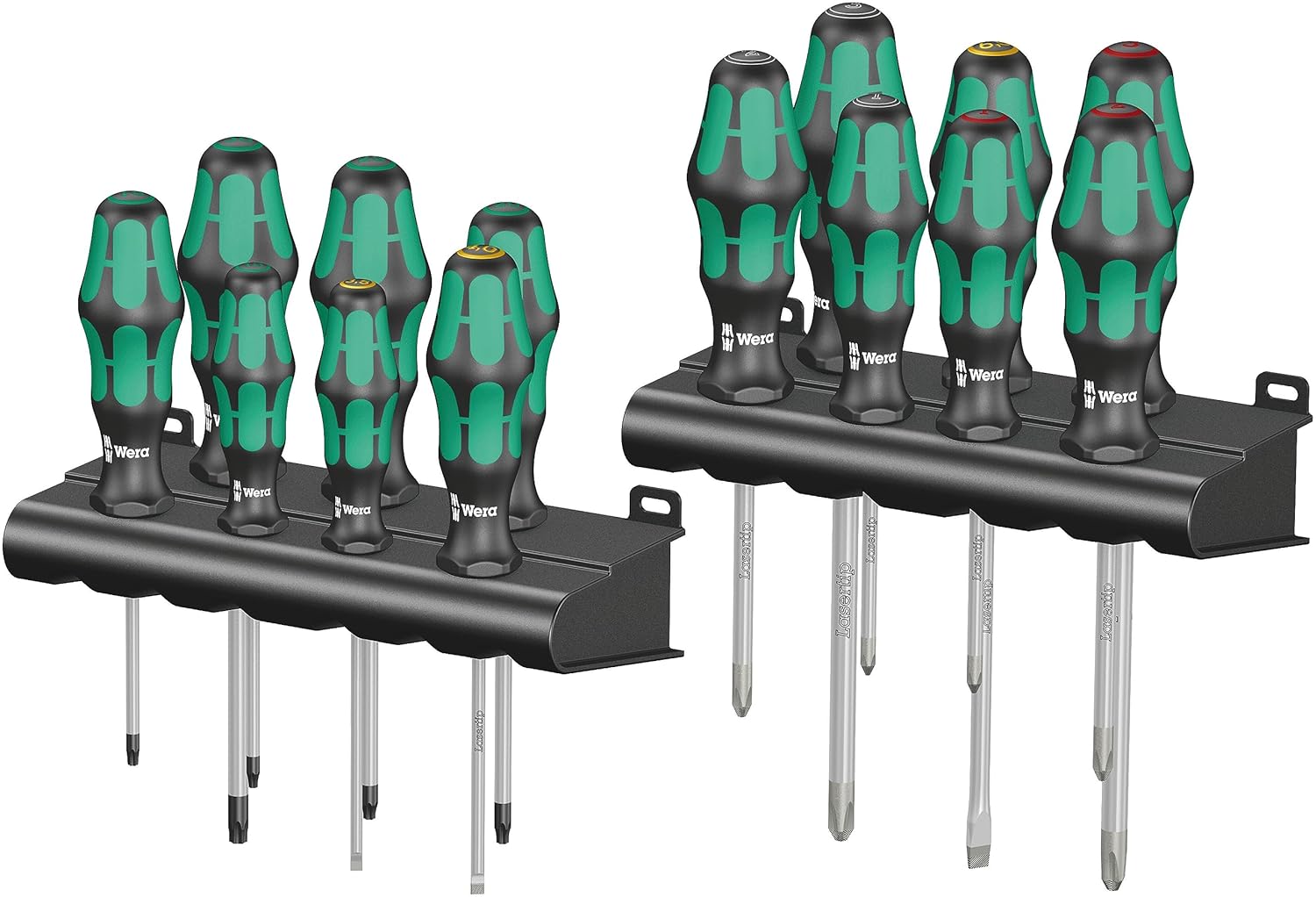
Recommended Tools for This Job


How to Fix the Most Common Causes
Low Coolant Due to a Small Leak
Repair the leak first, then refill the system with the correct coolant and bleed trapped air. Recheck the level after a full heat cycle and cooldown. Do not rely on repeated top-offs as a long-term fix.
Bad Radiator Hose or Clamp
Replace swollen, cracked, soft, or oil-soaked hoses. Install new clamps if the old ones are corroded or weak. Make sure the hose seats fully on the fitting before tightening the clamp.
Failed Thermostat
Drain enough coolant to get below the thermostat housing, remove the housing, clean both sealing surfaces, install the new thermostat in the correct orientation, fit the proper gasket or seal, and torque the housing bolts evenly. Refill and bleed the system thoroughly.
Faulty Radiator Fan
Replace the failed fan motor, relay, fuse, sensor, or fan assembly as needed based on testing. After the repair, verify the fan cycles on and off at operating temperature and responds when the A/C is switched on if the vehicle is designed that way.
Weak Radiator Cap
Install a new cap with the correct pressure rating. An incorrect cap can create new problems, so match the factory specification.
Restricted Radiator
Clean external blockage first. If the radiator is internally clogged, a flush may help in mild cases, but many clogged radiators need replacement for a dependable fix.
How to Refill and Bleed the Cooling System
Air trapped in the cooling system can cause false overheating, poor heater performance, and coolant level fluctuations. After any repair that opens the cooling system, refill it carefully and bleed it according to the vehicle’s procedure.
- Make sure the drain is closed and all hoses and clamps are secured.
- Fill the radiator or expansion tank slowly with the correct coolant.
- Open any bleed screws if your vehicle uses them.
- Start the engine with the heater set to hot and allow it to reach operating temperature.
- Watch for air bubbles, add coolant as the level drops, and close bleed screws once a steady stream appears.
- Let the engine cool fully, then recheck and top off the radiator and reservoir to the proper marks.
If the temperature rises abnormally during bleeding, shut the engine off and let it cool before continuing. Persistent air intrusion after proper bleeding may indicate an internal leak.
Final Checks Before You Call the Repair Done
After the repair, confirm that the vehicle reaches normal operating temperature and stays there under different conditions. Let it idle, drive it at city speed, and take a short highway test if safe to do so. Watch the temperature gauge closely and inspect again afterward.
- Verify stable temperature at idle and during a short road test.
- Check for leaks after the engine is hot and again after cooldown.
- Confirm the heater works normally and produces steady heat.
- Recheck coolant level the next day when the engine is fully cold.
- Scan for stored or pending trouble codes if the check engine light was on.
When DIY Is Fine and When to Stop
DIY diagnosis makes sense for coolant level checks, visual leak inspection, hose replacement, radiator cap replacement, thermostat replacement on accessible engines, fan fuse and relay checks, and basic pressure testing. These are realistic repairs for many home mechanics.
Stop and consider professional help if the engine overheated badly enough to stall, if the oil looks contaminated, if there is repeated coolant loss with no visible leak, if the water pump is buried behind timing components, or if tests suggest a head gasket failure. At that point, the cost of guessing wrong can be much higher than the cost of a proper diagnosis.
Key Takeaways
- Never remove a radiator cap on a hot engine because the cooling system can spray boiling coolant under pressure.
- If coolant is low, treat that as evidence of a leak or internal problem rather than the actual root cause.
- Overheating at idle often points to a fan or airflow problem, while overheating at speed often points to flow restriction or internal engine issues.
- After any cooling system repair, refill and bleed the system correctly or trapped air can mimic the original problem.
- If you see white smoke, constant bubbling, or milky oil, stop driving and test for a head gasket or other internal engine damage.
FAQ
Can I Drive My Car if It Is Overheating?
Only far enough to get to a safe place if absolutely necessary. Driving an overheating engine can quickly cause head gasket failure, warped cylinder heads, or complete engine damage.
Why Does My Car Overheat Only when Idling?
That usually points to poor airflow through the radiator, such as a bad electric cooling fan, weak fan clutch, blocked radiator fins, or low coolant. The car may cool better once moving because road speed increases airflow.
Will Adding Coolant Fix Engine Overheating?
It may temporarily help if the system was low, but low coolant almost always means there is a leak, trapped air, or an internal problem. You still need to find the reason the coolant level dropped.
How Do I Know if My Thermostat Is Stuck Closed?
Common clues include rapid overheating after startup, a hot engine with a relatively cool radiator or upper hose, and poor coolant circulation. The most reliable fix is usually thermostat replacement after confirming the rest of the system is in good shape.
What Are Signs of a Bad Water Pump?
Look for coolant leaking from the pump weep hole, bearing noise, pulley wobble, belt problems, poor cabin heat, and overheating despite a full cooling system. Some pumps fail internally without a dramatic external leak.
Can a Bad Radiator Cap Really Cause Overheating?
Yes. A weak or leaking cap can prevent the cooling system from holding proper pressure, which lowers the coolant boiling point and can cause overflow, coolant loss, and overheating.
How Much Does It Cost to Fix Engine Overheating?
It depends on the cause. A radiator cap or hose may cost well under $100 in parts, while a radiator, fan assembly, or water pump can run a few hundred dollars. A head gasket repair can easily reach $1,500 or more at a shop.
Need Parts for This Repair?
The right parts and supplies vary by vehicle.
Select your make and model to find compatible parts and accessories for your car.
Exact Fit
Parts that fit your make and model
Quality You Can Trust
Top brands and OEM quality options
Fast Shipping
Get the parts you need, delivered fast