

Note: This article contains affiliate links. If you click on these links and make a purchase, I may earn a small commission at no extra cost to you. This helps support my research and content. Read my full affiliate disclosure here.
What You’ll Need
A quick look at the tools and supplies commonly used for this job.
Tools
- Floor jack
- Jack stands
- Wheel chocks
- Lug wrench or impact socket set
- Infrared thermometer
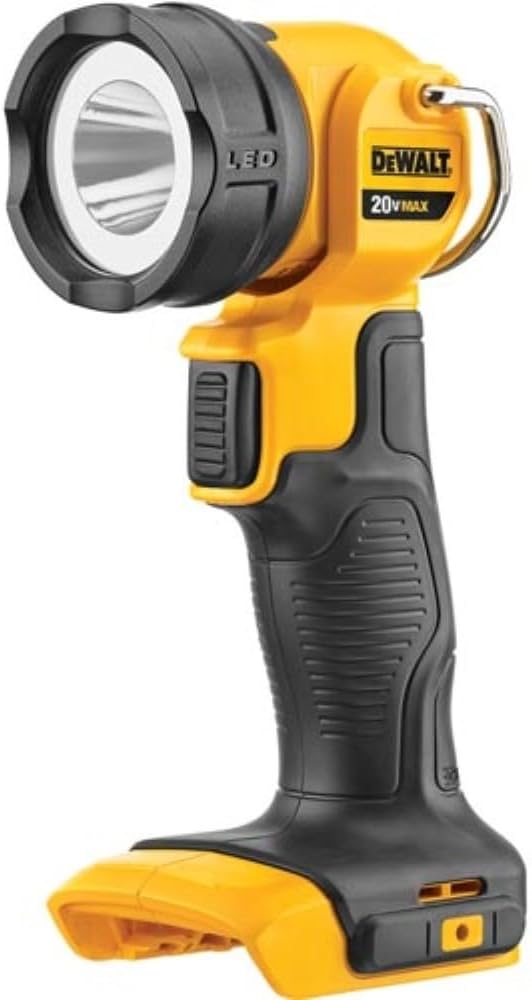
- Flashlight
- Basic socket and wrench set
- Brake caliper piston tool or large C-clamp
- Flat screwdriver or small pry bar
- Brake pressure gauge or line clamp set
- Needle-nose pliers
- Safety glasses and gloves
Parts & Supplies
- Brake cleaner
- Replacement brake fluid
- Replacement brake pads and rotors if worn or heat-damaged
- High-temperature brake grease
- Shop rags
- Replacement caliper slide pins or hardware kit
- Replacement flexible brake hose
This article is part of our Brake System Maintenance & Repair Guides.
Brake drag means one or more brakes are not fully releasing after you let off the pedal. That creates excess heat, uneven pad wear, poor fuel economy, pulling, reduced performance, and in severe cases a dangerous loss of braking control.
The key to diagnosing brake drag is figuring out whether the problem is mechanical, hydraulic, or parking-brake related. A sticking caliper, seized slide pins, collapsed rubber brake hose, overadjusted parking brake, contaminated hardware, or a master cylinder issue can all produce similar symptoms, so a step-by-step process matters.
This guide walks you through the checks a DIY owner can perform safely at home, including heat comparison, wheel resistance testing, caliper inspection, brake hose diagnosis, and how to interpret what each result means.
What Brake Drag Feels Like
Brake drag is often easiest to notice before you ever lift the vehicle. The car may feel sluggish, coast poorly, pull to one side, or smell hot after a short drive. On some vehicles, you may also notice one wheel covered in heavier brake dust than the others.
- The vehicle slows down faster than normal when you lift off the throttle.
- One wheel feels much hotter than the others after a short drive.
- The car pulls left or right even when the steering wheel is straight.
- You hear a constant scraping sound that changes with vehicle speed.
- Fuel economy drops and the vehicle feels underpowered.
If brake drag is severe, do not keep driving to “see if it clears up.” Overheated pads and rotors can glaze, crack, warp, or boil the brake fluid, turning a minor repair into a much more expensive one.
Safety Before You Start
Brake components can get extremely hot during a drag condition. Always let the vehicle cool enough to work safely unless you are specifically using a non-contact thermometer to compare temperatures.
- Park on a level surface and chock the wheels.
- Use jack stands, not just a floor jack.
- Do not touch rotors, calipers, or drums right after a road test.
- Wear eye protection when using brake cleaner or opening hydraulic components.
- If a wheel is smoking or the car barely rolls, stop driving and inspect immediately.
Initial Road Test and Heat Check
Do a Short Controlled Drive
Start with a 5- to 10-minute drive on local roads. Use normal braking, then try to minimize brake use for the last minute before stopping so you do not skew the temperatures with a hard final stop.
Compare Wheel and Brake Temperatures
Use an infrared thermometer to check each front rotor surface near the same location, then each rear rotor or drum. One wheel that is dramatically hotter than the others usually points to drag at that corner. If both fronts or both rears are unusually hot, suspect a system-wide hydraulic problem, parking brake issue, or driving pattern that is affecting both sides.
As a rule of thumb, a side-to-side difference of more than roughly 50°F after similar use deserves attention. Exact numbers vary with weather and driving conditions, but one wheel should not be much hotter than the matching wheel on the other side.
What Your Temperature Results Suggest
- One front wheel much hotter: likely sticking caliper, seized slide pins, or restricted brake hose.
- One rear wheel much hotter: likely rear caliper issue, parking brake hardware problem, or seized drum brake hardware.
- Both front wheels hot: possible master cylinder pushrod issue, blocked compensation port, or ABS/hydraulic fault.
- Both rear wheels hot: parking brake not fully releasing, seized rear cables, or rear hydraulic issue.
Lift the Vehicle and Check for Wheel Resistance
Once the vehicle is safely supported, spin each wheel by hand. You are not looking for zero contact, because many disc brakes have a slight pad-to-rotor kiss. You are looking for a clear difference between corners.
How to Judge Normal Versus Abnormal Drag
- A normal wheel usually spins with light resistance and slows gradually.
- A dragging wheel is noticeably harder to turn and may stop almost immediately.
- A severely dragging wheel may barely move at all without force.
- Compare left to right on the same axle instead of relying on feel alone.
If one wheel drags, remove that wheel and inspect the brake assembly. If both wheels on one axle drag similarly, widen your suspicion to hydraulic pressure being trapped upstream or the parking brake system holding both sides.
Inspect the Brake Pads, Rotor, and Hardware
Uneven wear patterns tell you a lot. Brake drag usually leaves visible evidence long before a part fails completely.
Pad Wear Clues
- Inner pad worn much more than outer pad: piston may be sticking or not retracting properly.
- Outer pad worn much more than inner pad: slide pins may be seized or bracket movement restricted.
- Both pads worn heavily on one wheel only: that corner is likely dragging consistently.
- Glazed or crumbling friction material: brake has likely been overheating.
Rotor Clues
- Blue or purple discoloration indicates excess heat.
- Scored rotor faces can point to stuck pads or hardware.
- Heavy heat checking or cracking means parts may need replacement, not just adjustment.
- A rotor that is much harder to turn even with pads retracted can indicate bearing or parking brake issues instead.
Also inspect the caliper bracket abutment areas and hardware clips. Rust buildup under the clips can pinch the pads and prevent them from sliding back after braking.
Tools That Make This Job Easier


Check the Caliper Slide Pins and Pad Movement
Floating calipers rely on smooth pin movement to release evenly. If one or both slide pins seize, the caliper cannot center itself and one pad stays applied.
What to Inspect
- Remove the caliper and check whether each slide pin moves freely by hand.
- Look for torn pin boots that allow water and rust inside.
- Inspect the bracket contact points for rust jacking under stainless hardware clips.
- Make sure the pads slide freely in the bracket without binding.
If the pins are dry, rusty, or frozen, that is a strong mechanical cause of brake drag. Clean and lubricate reusable pins with the correct high-temperature brake grease, and replace any pitted pins, torn boots, or damaged brackets. Do not grease pad friction material or rotor surfaces.
Test for a Sticking Caliper Piston
A sticking caliper piston can hold the pads against the rotor even when the slide pins are fine. Heat-damaged seals, corrosion, or contamination inside the caliper bore can all cause this.
Simple Piston Retraction Check
With the caliper removed and supported, use an appropriate piston tool or large C-clamp to slowly push the piston back into the bore. It should retract smoothly with steady force. If it cocks, jerks, takes extreme force, or will not retract, the caliper is suspect.
How to Separate Piston Problems From Trapped Pressure
If the piston is hard to retract, crack open the bleeder screw while applying compression. If the piston suddenly retracts much easier and fluid escapes, the problem may be trapped hydraulic pressure from a restricted hose or upstream component, not the caliper itself. If it is still hard to compress with the bleeder open, the caliper is more likely mechanically seized.
This is one of the most useful DIY diagnostic steps because it helps prevent replacing a caliper when the actual problem is a collapsed brake hose.
Check for a Collapsed Flexible Brake Hose
A rubber brake hose can fail internally and act like a one-way valve. Pressure goes to the caliper when you press the pedal, but it cannot return quickly when you release it. The brake then stays partially applied.
Common Hose-related Signs
- One wheel drags after braking but frees up later.
- The caliper releases when you open the bleeder screw.
- The hose outer surface may look fine even when the inside has failed.
- The problem may worsen as the brakes get hotter.
Basic Hose Diagnosis
If a wheel is dragging, loosen the bleeder screw carefully. If the wheel immediately spins more freely and there is a small release of fluid pressure, trapped hydraulic pressure is present. That pressure can come from the hose, master cylinder, ABS hydraulic unit, or an adjustment issue at the brake pedal. On a single-wheel problem, the flexible hose is a very common cause.
Do not use locking pliers directly on a brake hose, as they can damage it. If you use a line clamp designed for brake hoses during diagnosis, use only a proper brake line clamp and only as directed.
Inspect the Parking Brake System
Rear brake drag is often caused by parking brake components that are not fully releasing. This applies to drum brakes, rear calipers with integral parking brake mechanisms, and rotor-hat drum parking brakes.
What to Check
- Parking brake lever or pedal returns fully to its stop.
- Rear cables move freely and are not rusted or kinked.
- Caliper parking brake arm returns completely when released.
- Drum brake adjusters are not over-tightened.
- Parking brake shoes inside a rotor hat are not delaminated or jammed.
If both rear wheels drag and the parking brake was recently adjusted or used heavily, start here before assuming a hydraulic failure. A seized cable can hold one side on continuously, while poor equalizer adjustment can affect both sides.
Recommended Tools for This Job


Look for Master Cylinder or Pedal Adjustment Issues
When more than one wheel drags, especially both fronts or all four, think beyond the individual caliper. The master cylinder needs to uncover the compensation port when the pedal is released so fluid pressure can return to the reservoir.
Possible Upstream Causes
- Brake pedal free play is incorrect.
- Booster pushrod adjustment is too long and keeps the master cylinder partially applied.
- Master cylinder internal fault blocks fluid return.
- Contaminated brake fluid has damaged seals or swollen rubber components.
- ABS hydraulic unit is trapping pressure, though this is less common than caliper or hose faults.
A common clue is that multiple brakes release after you crack a line at the master cylinder or after the vehicle sits and cools down. Another clue is a brake pedal that does not return fully or feels unusually firm before drag begins.
Brake Drag on Drum Brake Systems
If your vehicle uses rear drum brakes, drag can come from shoe adjustment, weak return springs, seized wheel cylinders, binding backing-plate contact points, or parking brake linkage issues.
Drum-specific Checks
- Make sure the drum is not difficult to remove because the shoes are overadjusted.
- Inspect return springs for stretching, corrosion, or incorrect installation.
- Check that the shoes contact the backing plate at lubricated wear points only.
- Look for leaking wheel cylinders or pistons that do not retract smoothly.
- Verify the self-adjuster is not assembled backward or frozen.
A slightly audible shoe contact can be normal on some drum systems, but a wheel that gets significantly hotter than the opposite side is not.
How to Interpret Your Findings
Use the pattern of symptoms rather than one clue by itself. The same hot wheel can be caused by several faults, but your test results will usually narrow it down quickly.
- Hot wheel plus frozen slide pins plus uneven outer pad wear: caliper bracket or pin issue.
- Hot wheel plus piston difficult to retract even with bleeder open: sticking caliper piston.
- Hot wheel plus piston retracts easily when bleeder is opened: trapped hydraulic pressure, often a hose.
- Both rears dragging plus parking brake lever not returning fully: parking brake mechanism or cable issue.
- Multiple wheels dragging after brake work: wrong pedal adjustment, blocked master cylinder return, or installation error.
- Rear drum drag plus over-tight drum fit and fresh adjustment: shoes adjusted too tight.
Common Mistakes During Diagnosis
Brake drag diagnosis goes wrong when parts are replaced before confirming whether the problem is mechanical or hydraulic.
- Replacing a caliper without checking the hose for trapped pressure.
- Ignoring rust buildup under pad hardware clips.
- Assuming both pads should retract visibly away from the rotor on a disc brake.
- Comparing wheel drag on an incline or with the transmission affecting rotation.
- Overlooking the parking brake on rear disc systems.
- Failing to check the opposite side for comparison.
What to Do After the Diagnosis
Once you have identified the cause, repair the fault and then inspect any heat-damaged components before putting the vehicle back into regular service. Pads that have been overheated may glaze and no longer perform correctly, even if the drag issue is fixed.
- Replace seized calipers, damaged hoses, or frozen parking brake cables rather than trying to force them back into service.
- Service both sides of the axle when wear or corrosion conditions are similar.
- Replace pads and rotors if there is severe uneven wear, heat spotting, cracking, or glazing.
- Bleed the brake system if hydraulic parts were opened.
- Road test again and recheck temperatures side to side.
If the drag affects multiple wheels and you suspect master cylinder, booster pushrod, or ABS hydraulic unit issues, that diagnosis can become more advanced. At that point, service information and pressure testing tools become especially important.
Key Takeaways
- Use a short road test and an infrared thermometer first, because one hot wheel quickly narrows the problem area.
- If a dragging brake releases when you open the bleeder screw, suspect trapped hydraulic pressure before replacing the caliper.
- Seized slide pins, rusted pad hardware, and sticking parking brake parts are common mechanical causes DIY owners can verify visually.
- Multiple dragging wheels point upstream toward pedal adjustment, master cylinder return problems, or a parking brake system issue.
- Do not keep driving a vehicle with obvious brake drag, because excess heat can damage pads, rotors, fluid, and wheel-end components.
FAQ
Can Brake Drag Go Away on Its Own?
Sometimes a dragging brake seems to improve after the vehicle cools down, but that does not mean the problem is fixed. Heat can temporarily change how a restricted hose, caliper seal, or parking brake cable behaves. If you noticed a hot wheel, smell, pull, or poor coasting, the system still needs inspection.
Is a Little Brake Drag Normal on Disc Brakes?
A small amount of pad contact is normal on many disc brake systems, so the wheel may not free-spin like a bicycle wheel. What is not normal is one wheel being much harder to turn than the matching side, getting much hotter, or wearing pads noticeably faster.
How Can I Tell if the Brake Hose Is Bad Instead of the Caliper?
A useful clue is whether the brake releases when the bleeder screw is opened. If trapped pressure escapes and the wheel frees up, the hose or another upstream hydraulic component may be restricting return flow. If the piston still will not retract with the bleeder open, the caliper itself is more likely seized.
Can Bad Wheel Bearings Feel Like Brake Drag?
Yes, a failing wheel bearing can create heat and resistance, but the symptoms are usually different. Bearings often make a growling or humming noise and the resistance remains even when the caliper or drum brake is fully released. Brake drag typically changes with pedal application and often leaves pad or rotor heat evidence.
Why Do My Rear Brakes Drag After Using the Parking Brake?
Rear brake drag after parking brake use often points to sticking cables, a seized rear caliper parking brake lever, overadjusted shoes, or hardware corrosion. This is especially common in wet or rusty climates where parking brake components do not return smoothly.
Should I Replace Pads and Rotors After Fixing Brake Drag?
If the brakes were only lightly dragging and the friction surfaces are still in good condition, replacement may not always be necessary. But if the pads are tapered, glazed, cracked, or contaminated, or the rotor shows heavy heat spotting, blueing, scoring, or cracking, replacement is the better repair.
Can Old Brake Fluid Contribute to Brake Drag?
Yes. Old or contaminated brake fluid can promote internal corrosion and damage seals, increasing the chance of sticking pistons or hydraulic faults. While fluid alone is not the most common cause, poor fluid condition can contribute to the underlying failure.
Need Parts for This Repair?
The right parts and supplies vary by vehicle.
Select your make and model to find compatible parts and accessories for your car.
Exact Fit
Parts that fit your make and model
Quality You Can Trust
Top brands and OEM quality options
Fast Shipping
Get the parts you need, delivered fast