

Note: This article contains affiliate links. If you click on these links and make a purchase, I may earn a small commission at no extra cost to you. This helps support my research and content. Read my full affiliate disclosure here.
What You’ll Need
A quick look at the tools and supplies commonly used for this job.
Tools
- OBD-II scan tool with ABS capability
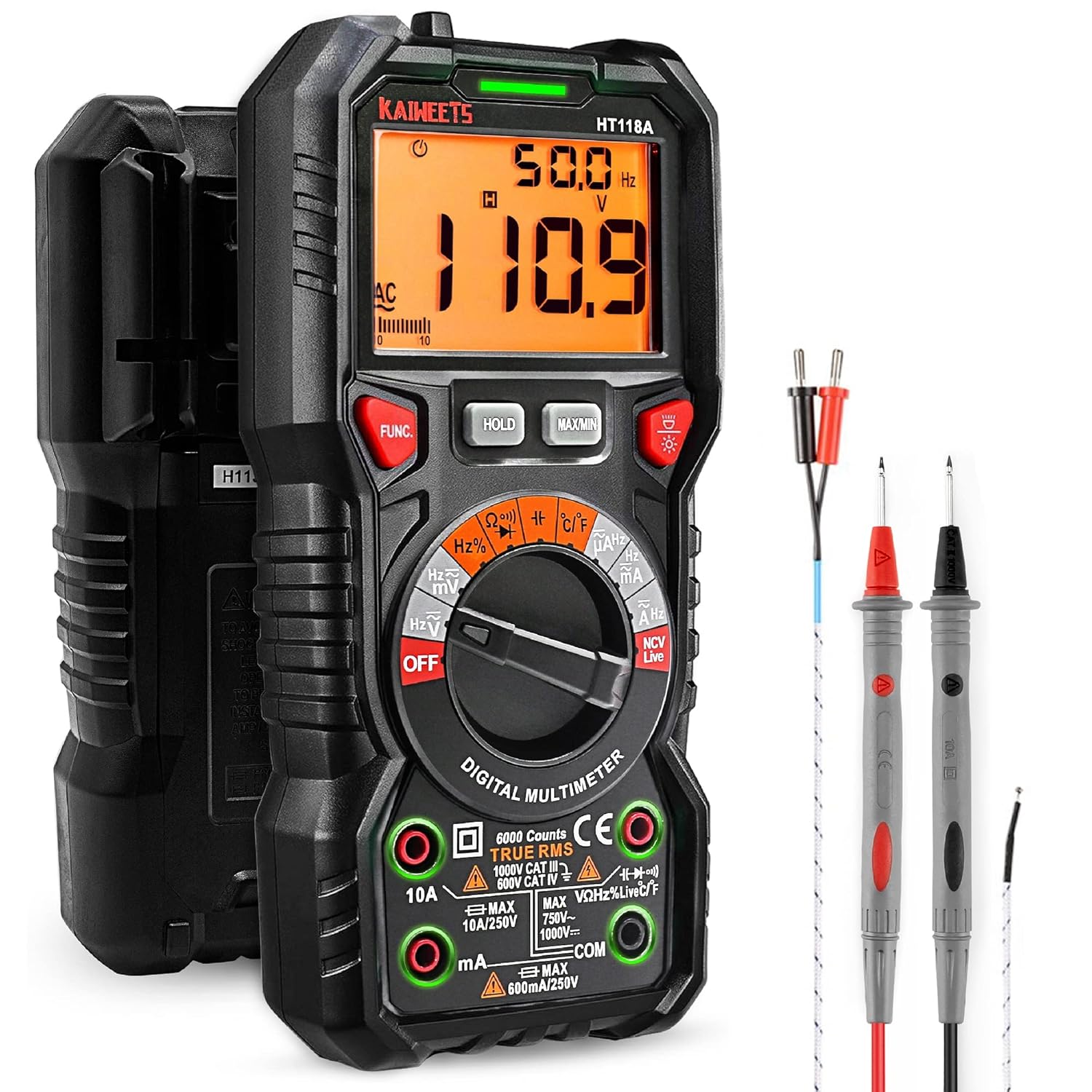
- Digital multimeter
- Basic socket and wrench set
- Flashlight
- Wheel chocks
- Brake fluid test strips or tester
- Jack and jack stands
- Shop rags
- Service information or wiring diagram
Parts & Supplies
- Correct brake fluid for the vehicle
- Electrical contact cleaner
- Dielectric grease
- Replacement ABS fuse or relay if needed
This article is part of our Brake System Maintenance & Repair Guides.
An ABS hydraulic control unit problem can trigger warning lights, disable anti-lock braking, and sometimes create a hard-to-explain brake pedal feel or odd brake behavior. Because the hydraulic control unit works closely with the ABS module, wheel speed sensors, pump motor, valves, and brake lines, it is easy to blame the wrong part.
The goal of diagnosis is to confirm whether the hydraulic control unit itself is failing, whether the electrical side of the ABS system is at fault, or whether a simpler issue like contaminated brake fluid, low voltage, damaged wiring, or a bad wheel speed signal is setting misleading codes. Replacing the HCU without testing can be expensive and may not solve the problem.
This guide walks through practical DIY checks, scan tool tests, and decision points so you can narrow the fault before spending money or opening the brake hydraulic system.
What the ABS Hydraulic Control Unit Does
The ABS hydraulic control unit, often called the HCU or hydraulic modulator, is the part of the anti-lock braking system that physically manages brake fluid pressure during ABS operation. When a wheel is about to lock, the system uses solenoids and internal passages inside the HCU to increase, hold, or release pressure at specific wheels.
On many vehicles, the HCU is mounted together with the ABS control module or directly below it. The electronic module reads wheel speed data and commands the HCU valves and pump motor. Because these parts work as one system, a code that seems to point at the hydraulic unit may actually be caused by the module, wiring, power supply, ground issue, or a wheel speed sensor fault.
- The HCU contains brake fluid passages, isolation valves, dump valves, and usually a pump motor circuit.
- It only operates actively during ABS, traction control, or stability control events on many vehicles.
- A true internal HCU problem may affect pedal feel, pressure control, or the system’s ability to modulate braking correctly.
Common Symptoms of an HCU-Related Problem
Before testing, write down exactly what the vehicle is doing. Symptoms matter because some point more strongly to an electrical communication issue, while others suggest a hydraulic or valve-related problem.
- ABS warning light stays on or returns immediately after clearing codes.
- Traction control or stability control lights are also illuminated.
- Brake pedal kicks back, pulses unexpectedly, or feels inconsistent at low speed.
- ABS activates when it should not, especially near a stop on dry pavement.
- Pump motor runs too often, runs continuously, or does not run during commanded tests.
- One or more wheels seem to drag or release differently after a braking event.
- Stored ABS codes point to pump motor, valve circuit, pressure control, or internal hydraulic faults.
A normal base braking system can still work even with an ABS fault. That means the car may stop in regular driving, but anti-lock braking and related safety features may be disabled. If the pedal is sinking, braking is weak, or the car pulls sharply under braking, treat the problem as a safety issue and do not keep driving until the base brake system is checked.
Safety Before You Start
ABS diagnosis often happens around brake lines, electrical connectors, and raised wheels. Work on a level surface, chock the wheels, and support the vehicle securely if you need wheel access. Do not loosen brake lines or open the hydraulic unit unless you are prepared to bleed the brake system correctly and follow the service procedure for your specific vehicle.
Brake fluid damages paint and absorbs moisture easily. Use only the specified fluid type and keep the reservoir capped when possible. If you are not confident performing hydraulic brake work, stop after the non-invasive checks and let a professional handle system opening, pressure bleeding, or module programming.
Initial Checks That Can Save You From a Wrong Diagnosis
Check Battery Voltage First
Low system voltage can trigger ABS and stability control faults, especially pump motor and communication codes. With the engine off, a healthy battery is typically around 12.6 volts. With the engine running, charging voltage is often around 13.5 to 14.7 volts. If voltage is low or unstable, fix that first before blaming the HCU.
Inspect Brake Fluid Level and Condition
A low brake fluid level may indicate worn pads or a leak. Dark, contaminated, or moisture-heavy fluid can affect internal valve operation and cause corrosion inside ABS components over time. Check for dirty fluid, debris in the reservoir, and any signs of leakage around the master cylinder, brake lines, calipers, and the HCU itself.
Look at Fuses, Relays, and Grounds
Many ABS complaints come down to a blown fuse, weak relay, corroded power feed, or poor ground. Use the underhood and interior fuse diagrams to identify the ABS pump and module circuits. Inspect for heat damage, corrosion, or loose terminal fit. A pump motor code with missing power supply is not proof of a failed hydraulic unit.
Do a Visual Inspection of the HCU Area
Find the ABS hydraulic unit and inspect the connector body, harness routing, and brake line fittings. Look for fluid seepage, bent or stressed lines, impact damage, prior repair marks, or green-white corrosion in the connector area. If the unit sits low in the engine bay, water intrusion is a real possibility.
Tools That Make This Job Easier


Read ABS Trouble Codes the Right Way
A basic code reader usually is not enough. You need a scan tool that can access the ABS system, read live wheel speed and module data, and ideally run active tests. Pull all stored, pending, and history ABS codes before disconnecting anything.
- Record exact code numbers and descriptions.
- Note whether codes are current, stored, or intermittent.
- Check freeze-frame or event data if available.
- See whether the scan tool can communicate normally with the ABS module.
Codes involving pump motor circuits, valve solenoids, internal relay faults, pressure modulation errors, or internal module failures may point toward the HCU assembly. But wheel speed sensor codes, steering angle sensor issues, yaw sensor faults, or voltage supply codes often trigger ABS light complaints without the hydraulic unit being bad.
If you have multiple unrelated ABS codes at once, suspect a shared power, ground, or connector issue before replacing major components.
Separate Wheel Speed Sensor Problems From HCU Problems
False ABS activation at low speed is commonly caused by a wheel speed sensor signal dropping out, not a failed hydraulic control unit. This matters because the HCU may be doing exactly what the module commands based on bad input data.
Use Live Data During a Slow Road Test
In a safe area, monitor all wheel speed sensors while driving slowly in a straight line. All wheel speed readings should track closely. If one wheel intermittently drops to zero or reads lower than the others before the vehicle stops, inspect that sensor, tone ring, bearing, and wiring first.
Inspect the Sensor Hardware
Check for damaged tone rings, cracked reluctor rings on CV axles, excessive rust buildup under a sensor, loose wheel bearings, or harness damage near the steering knuckle. A sensor fault can create symptoms that feel like a hydraulic problem because the ABS pump and valves respond to the faulty signal.
Electrical Tests for the ABS Unit and Pump Motor
If codes or symptoms still point toward the HCU assembly, move to electrical verification. The exact pins and expected values depend on the vehicle, so use a wiring diagram and service data whenever possible.
Verify Power and Ground at the ABS Connector
Back-probe the ABS module or HCU connector as the service manual directs. Confirm battery feed, ignition feed, and ground integrity under load. A test light or loaded circuit test is often more revealing than a simple voltage reading because a corroded wire can show voltage with no real current-carrying ability.
Check Pump Motor Circuit Operation
If your scan tool supports bidirectional control, command the ABS pump motor on. Listen for pump operation and watch whether the command fails immediately. If the scan tool commands the pump but nothing happens, you need to confirm whether power and ground are reaching the motor circuit. On some vehicles the pump motor is serviced with the hydraulic unit; on others, the motor or module may be separate.
Inspect Connector Condition Closely
Unplug the connector only with the key off and after following safe procedures. Look for backed-out terminals, moisture, corrosion, or fluid contamination. Clean light corrosion carefully with electrical contact cleaner, allow it to dry, and recheck terminal tension if possible. Reconnect securely and retest before concluding the unit has failed internally.
Do not ohm-test random pins without service information. You can damage a control unit or misinterpret readings if you are unsure which pins belong to valves, sensors, communication lines, or module electronics.
Hydraulic and Mechanical Clues That Point to the HCU
A true hydraulic unit problem usually leaves clues that are different from a simple sensor or wiring issue. Focus on symptoms that involve brake pressure behavior rather than just warning lights.
- Brake pedal feel changes unpredictably after ABS activation.
- One circuit seems to hold or release pressure improperly.
- The pump motor runs but pressure modulation is clearly abnormal.
- There is evidence of contaminated fluid or internal corrosion in the ABS assembly.
- Manufacturer-specific codes identify stuck valves or internal hydraulic performance faults.
If a wheel appears to stay applied, drag, or release slowly, do not assume the HCU is at fault immediately. A collapsed brake hose, seized caliper, restricted line, or master cylinder issue can create similar symptoms. Compare all four corners and verify the base brake hardware is in good condition.
Recommended Tools for This Job


Use Active Tests If Your Scan Tool Supports Them
Active tests are one of the best ways to narrow the diagnosis because they let you command parts of the ABS system directly instead of waiting for a fault to happen on the road.
- Command the pump motor on and off.
- Cycle individual ABS solenoids if the tool allows it.
- Run an automated ABS bleed routine after hydraulic service when required.
- Watch for immediate code resets while commands are being issued.
If the module successfully commands the pump and valves, wiring and at least part of the HCU assembly are likely functioning. If commands fail consistently and power, ground, and communication are good, suspicion shifts toward an internal module or HCU fault. Some vehicles integrate these parts so tightly that diagnosis leads to replacing the entire ABS hydraulic control unit assembly.
How to Interpret Common Diagnostic Outcomes
Likely Not the HCU
- One wheel speed sensor drops out in live data.
- ABS codes follow low voltage, blown fuses, or poor grounds.
- The ABS light is on, but braking symptoms are otherwise normal and codes point to sensor inputs.
- False ABS activation happens only at very low speed and a tone ring or bearing issue is found.
Possible HCU or Integrated ABS Assembly Fault
- Pump motor or valve codes return after wiring, fuse, relay, and voltage checks pass.
- Bidirectional commands fail even though proper power and ground are present.
- Hydraulic behavior is abnormal and base brake components check out.
- There is visible leakage or contamination at the hydraulic unit.
- Factory-level scan data or service information points to internal hydraulic or valve failure.
Always check whether your vehicle has known service bulletins for ABS module or hydraulic unit issues. Some models have common solder joint failures, relay defects, or corrosion problems that look like HCU failure but have a more specific repair path.
When Replacement or Professional Service Makes Sense
If testing strongly supports an internal HCU fault, replacement may require more than bolting in a part. Many vehicles need system bleeding with a scan tool, brake pressure relearn procedures, coding, or module initialization after installation. Used units can be risky because the internal condition is unknown and compatibility may vary by build date, option package, and software level.
Professional help is a smart choice if you have confirmed good wheel speed data, good power and ground, repeatable pump or valve faults, or any hydraulic symptom you cannot isolate confidently. Brake safety is not an area for guesswork.
Step-by-Step Diagnostic Workflow
- Confirm the complaint: warning lights, pedal behavior, false ABS activation, or pump noise.
- Check battery voltage, charging voltage, brake fluid level, and fluid condition.
- Inspect ABS fuses, relays, grounds, connectors, and visible wiring.
- Scan the ABS system and record all codes and live data.
- Road test safely while monitoring wheel speed data to rule out sensor dropouts.
- Inspect any suspect wheel speed sensor, tone ring, or hub area.
- Use wiring diagrams to verify ABS power, ground, and pump motor circuit integrity.
- Run active tests for the pump and valves if your scan tool allows it.
- Compare findings with the base brake system so a caliper, hose, or master cylinder issue is not mistaken for an HCU fault.
- Replace or refer out only after the evidence points clearly to the hydraulic control unit or integrated assembly.
Key Takeaways
- Start with voltage, fluid condition, fuses, and grounds because ABS hydraulic unit codes can be caused by simple electrical problems.
- Use ABS live data to rule out wheel speed sensor dropouts before suspecting the hydraulic control unit.
- A pump motor or valve code does not confirm HCU failure until power, ground, wiring, and connector integrity are verified.
- Hydraulic symptoms like pressure holding, abnormal modulation, or internal leakage make an HCU fault more likely than a sensor issue.
- If replacement is needed, check whether the vehicle requires scan tool bleeding, coding, or initialization after installation.
FAQ
Can I Drive with an ABS Hydraulic Control Unit Problem?
Sometimes the vehicle will still have normal base braking, but ABS, traction control, and stability control may be disabled. If braking feels weak, the pedal sinks, the car pulls, or a wheel seems to drag, do not keep driving until the system is inspected.
Will a Bad Wheel Speed Sensor Look Like an HCU Problem?
Yes. A bad wheel speed sensor or damaged tone ring can trigger false ABS activation and warning lights that make the hydraulic unit seem faulty. Live wheel speed data is one of the best ways to separate these issues.
Can Low Brake Fluid Cause ABS Warning Lights?
Yes. Low fluid can trigger brake warnings and contribute to ABS faults depending on the vehicle. Low fluid also suggests pad wear or a leak, both of which should be addressed before deeper ABS diagnosis.
Do I Need a Special Scan Tool to Diagnose the ABS Unit?
In most cases, yes. A generic code reader often cannot access ABS codes, live wheel speed data, or active pump and valve tests. An ABS-capable scan tool makes diagnosis much more accurate.
Can I Replace Just the ABS Module Instead of the Hydraulic Control Unit?
It depends on the vehicle. Some designs allow separate replacement of the electronic module, while others treat the module and hydraulic unit as one assembly. Check service information and part listings for your exact model.
Does an HCU Replacement Always Require Bleeding the Brakes?
Usually yes if the hydraulic portion is opened. Many vehicles also require an ABS automated bleed procedure with a scan tool to remove trapped air from the unit after replacement.
What Is the Most Common DIY Mistake when Diagnosing ABS HCU Faults?
Replacing the hydraulic unit based only on a code description. Codes are starting points, not proof. Power supply issues, ground faults, wiring damage, low voltage, and wheel speed sensor problems are often the real cause.
Need Parts for This Repair?
The right parts and supplies vary by vehicle.
Select your make and model to find compatible parts and accessories for your car.
Exact Fit
Parts that fit your make and model
Quality You Can Trust
Top brands and OEM quality options
Fast Shipping
Get the parts you need, delivered fast