

Note: This article contains affiliate links. If you click on these links and make a purchase, I may earn a small commission at no extra cost to you. This helps support my research and content. Read my full affiliate disclosure here.
Driving a GMC Sierra 1500 in winter changes the demands you place on tires. Reduced temperatures, packed snow, and icy roads all require rubber compounds and tread designs that maintain grip when all-season tires start to lose effectiveness. Picking the right winter tires for your Sierra 1500 matters for stopping distance, steering feel, and load-carrying safety when hauling or towing in cold conditions.This guide shortlists the top winter tire options for the GMC Sierra 1500 and explains the evaluation criteria used to pick them. It focuses on traction, tread longevity, and fitment to help you select the best match for how you use the truck. Next, we cover key buying considerations and practical guidance for fitting and maintaining winter tires on your Sierra 1500.
Looking for other parts? See all GMC Sierra 1500 parts & accessories.
Top Picks at a Glance
| Best Quality Built to a higher standard if you want something more solid | Nokian Hakkapeliitta LT3 Studded Winter Tire LT265/70R17 |  |
| Best Value The sweet spot between price and what you get | Firestone Winterforce 2 UV Studdable Winter Tire P235/75R15 XL |  |
| Highest Rated A top-rated pick with lots of positive feedback | Dunlop Winter Maxx SJ8 Winter Tire 275/65R18 |  |
| Most Popular A crowd favorite that many people choose with confidence | Nexen Winguard Winspike 3 LT265/75R16 Winter Light Truck Tire |  |
| Best Seller A high-volume bestseller chosen again and again | Cooper Discoverer Snow Claw Winter LT265/70R17 121/118R Tire | 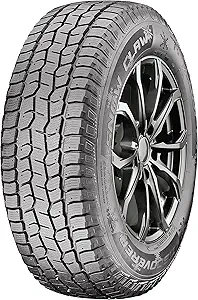 |
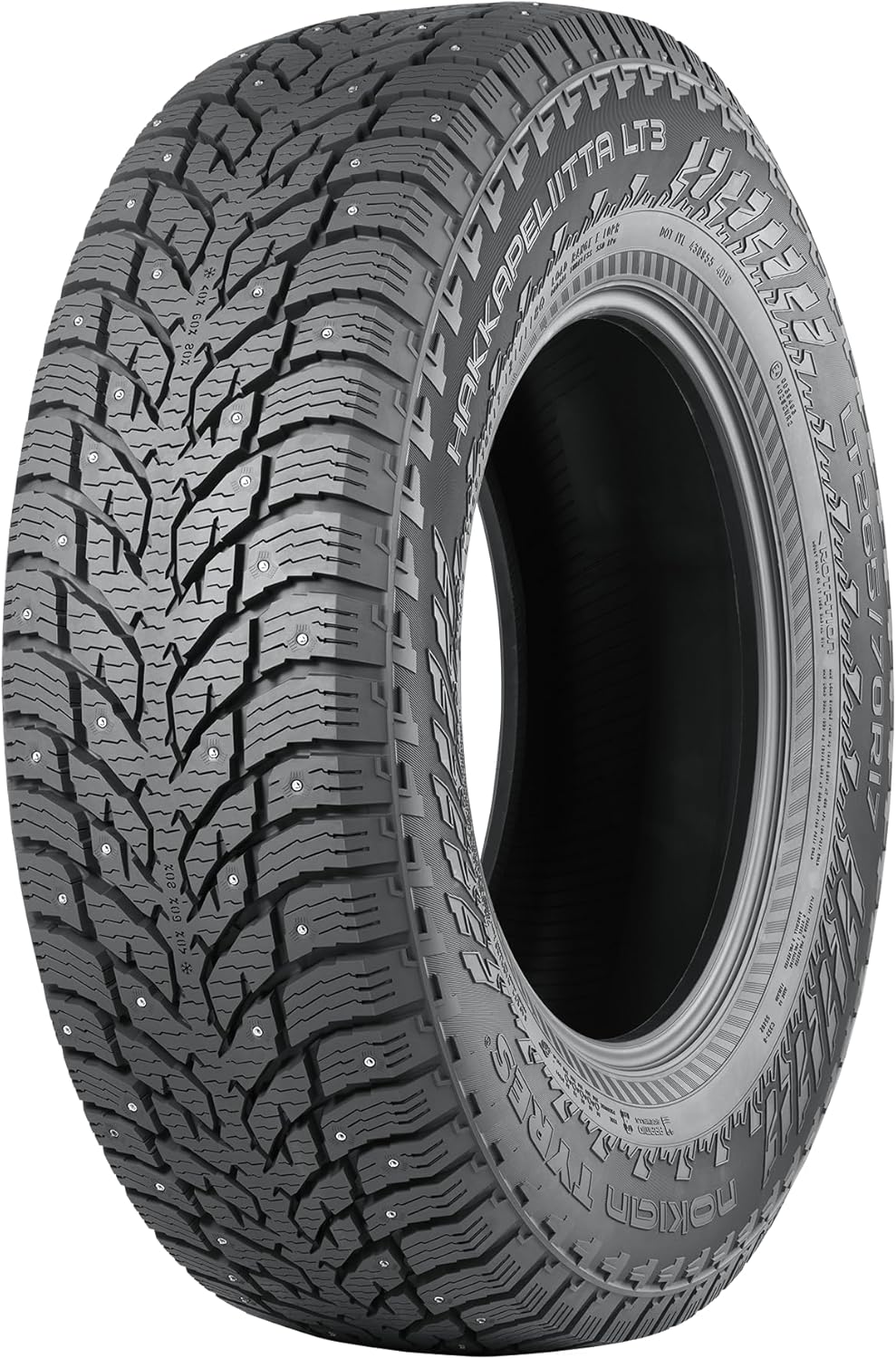
1. Nokian Hakkapeliitta LT3 Studded Winter Tire LT265/70R17
| Size | LT265/70R17 |
|---|---|
| Tread Depth | 16.5 32nds |
| Load Index | 121 |
| Seasons | Winter |
| Ply | 10-Ply |
The Nokian Hakkapeliitta LT3 is a studded winter tire built for demanding cold-weather use on light trucks such as a GMC Sierra 1500. It combines a deep, aggressive tread and Arctic Grip compound to improve bite on ice and packed snow, while studs further enhance grip where traction is most critical. Reinforced with aramid sidewall fibers and a 10-ply construction, the tire is engineered for durability and load carrying on work sites and heavy loads. Expect confident braking and low-speed traction on icy roads, and a tread pattern that resists slushplaning. The main compromises are typical for studded winter rubber: increased road noise and faster wear if used in milder, above-freezing conditions, and studs can be overkill on wet pavement. For Sierra drivers who need maximum winter bite and heavy-load durability, these tires deliver performance-oriented winter control, but they should be swapped out once the season warms to avoid premature wear and noise penalties.
Best for: Drivers of a GMC Sierra 1500 who prioritize maximum winter traction and heavy-load durability for frequent icy or snowbound driving and who are comfortable swapping tires seasonally.
Less Ideal for: Drivers who mostly travel on cleared roads, need a quiet daily driver year-round, or who rarely encounter ice should consider a non-studded winter tire or an all-season option instead.
- Studded tread and Arctic Grip compound provide exceptional ice and packed-snow traction
- Aramid-reinforced sidewalls and 10-ply construction improve durability under heavy loads
- Aggressive tread design reduces slushplaning and maintains stability in deep snow
- Designed specifically for winter use with a deep 16.5/32nds tread depth for longer cold-weather life
- Not suitable for use above about 45 degrees Fahrenheit due to accelerated wear and noise
- Studs and aggressive tread increase road noise and can reduce comfort on dry pavement
Verdict: If you need maximum ice and heavy-load winter performance on a GMC Sierra 1500, the studded Hakkapeliitta LT3 delivers the best bite and durability for severe winter conditions.
2. Firestone Winterforce 2 UV Studdable Winter Tire P235/75R15 XL

| Size | P235/75R15 |
|---|---|
| Load Capacity | 2183 Pounds |
| Tread Depth | 12 32nds |
| Construction Type | Radial |
| Load Range | XL |
The Firestone Winterforce 2 UV is a winter tire aimed at pickup trucks and SUVs and built to deliver reliable traction in snow and ice. It uses a cold-weather rubber compound, directional tread with open shoulder slots, and full-depth siping to maintain grip as the tread wears; the tire is certified with the 3-Peak Mountain Snowflake and can be pinned for studs for added ice traction. In real-world use it performs well for winter commuting and light work duty, offering secure braking and confidence on packed snow and slick surfaces. Practical benefits include a tread designed to last multiple seasons and compatibility with studding for drivers who need extra bite on ice. Limitations are typical of dedicated winter tires: it will not match all-season tread life or dry-road handling in warm weather, and studding requires a separate installation step and local legality checks for use on public roads.
Best for: GMC Sierra 1500 owners who prioritize secure winter traction for commuting and light-duty work and want a tire that can be studded for extra ice performance.
Less Ideal for: Drivers who spend most of the year in mild climates or need a single set of tires for year-round use should consider an all-season or touring tire instead.
- 3-Peak Mountain Snowflake certification for verified winter performance
- Studdable/pinned construction for added ice traction when needed
- Full-depth siping and directional tread aimed at prolonged winter grip
- Designed for light trucks and pickups with an XL load rating
- Not intended for warm-weather driving so dry handling and tread life on gravel/ pavement will be reduced compared with all-season tires
Verdict: Choose the Winterforce 2 UV for your Sierra when dependable winter traction and the option to add studs matter more than year-round wear or warm-weather handling.
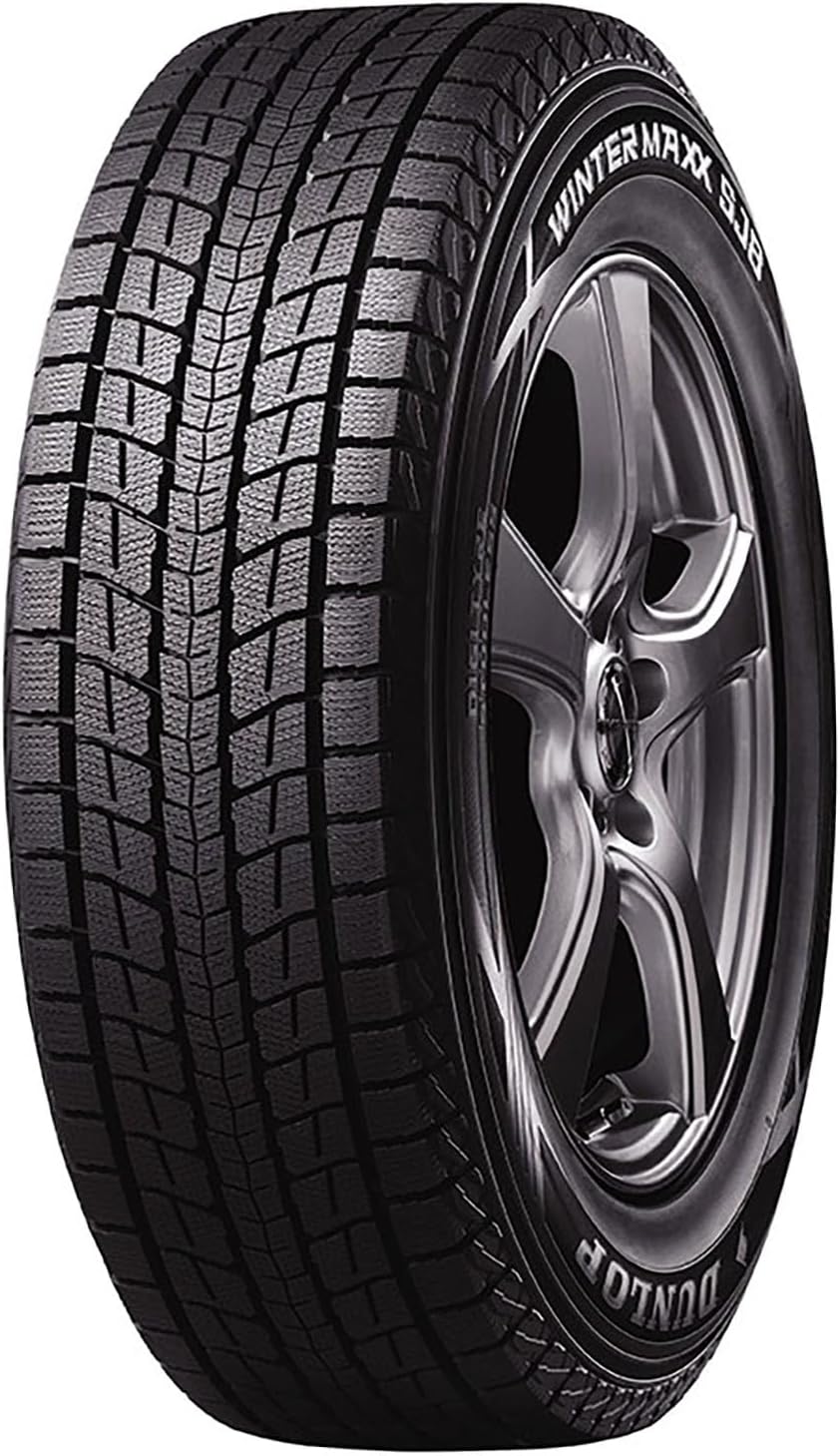
3. Dunlop Winter Maxx SJ8 Winter Tire 275/65R18
| Size | 275/65R18 |
|---|---|
| Rim Size | 18 Inches |
| Load Index | 116 |
| Speed Rating | R |
| Tread Depth | 14 32nds |
The Dunlop Winter Maxx SJ8 is a winter tire built to improve traction and control on snow and ice for larger vehicles. It uses a Nano-Fit rubber compound to stay flexible in low temperatures and Maxx Sharp Edge and Miura-Ori sipes to bite into slippery surfaces, while wide grooves help evacuate slush and reduce hydroplaning. Typical use is seasonal: mount these for winter months when temperatures regularly fall below about 45 degrees Fahrenheit and swap back to all-season or summer tires for warmer months. The tire’s symmetrical tread and 14/32nds tread depth give predictable braking and cornering in packed snow, and the 116 load index supports heavy half-ton truck duty when properly fitted. Trade-offs include a relatively low R speed rating compared with some factory tires and the expectation that wet/ice grip will decline as sipes wear, so plan for seasonal replacement cycles rather than long-term year-round use. Be prepared to have a tire shop seat large beads during installation on 18-inch wheels.
Best for: Drivers who prioritize dependable winter traction and safety for a Sierra 1500 and are willing to run a dedicated winter tire seasonally to preserve performance.
Less Ideal for: Drivers who need a year-round tire or who prioritize top-speed highway performance over winter stopping and snow traction.
- Designed for winter conditions with a low-temperature compound for improved grip on snow and ice
- Aggressive siping pattern and grooves that enhance traction and reduce hydroplaning risk
- 14/32nds tread depth and symmetrical design for consistent braking and handling in packed snow
- 116 load index suitable for half-ton truck use when properly matched
- R speed rating is lower than many factory-fit tires, reducing high-speed margin on highways
Verdict: Choose the Winter Maxx SJ8 if your Sierra 1500 needs a budget-conscious winter tire that delivers reliable snow and ice grip for seasonal use.
4. Nexen Winguard Winspike 3 LT265/75R16 Winter Light Truck Tire

| Size | LT265/75R16 |
|---|---|
| Construction | Radial |
| Maximum Pressure | 80 PSI |
| Tread Type | Directional |
| UTQG | 400 AA A |
The Nexen Winguard Winspike 3 is a studdable winter tire built for light trucks and SUVs, engineered to improve grip and control on snow, ice, wet and slush. It uses an advanced winter rubber compound and dense siping to keep the tread flexible in sub-freezing temperatures while a directional pattern and deep grooves help evacuate water and slush. Optional TSMI #12 studs can be installed for extra bite on ice, and the tire carries a Three-Peak Mountain Snowflake certification for proven winter capability. In everyday use it should provide confident braking and straight-line traction in moderate to severe winter conditions; expect quieter performance than aggressive off-road winter tires but better ice grip if you fit studs. Limitations include the typical compromises of studded setups, such as increased road noise and possible reduced dry-road comfort, and sizing is specific so confirm fitment for your Sierra 1500's wheel and load needs.
Best for: Buyers who prioritize verified winter traction and want a tire they can stud for extra ice control on a Sierra 1500, valuing on-road winter performance and predictable handling in snow and slush.
Less Ideal for: Drivers who rarely encounter ice or deep snow and who prefer the quietest possible ride year-round should consider an all-season or non-studdable winter tire instead.
- Studdable design with optional TSMI #12 studs for improved ice traction
- Three-Peak Mountain Snowflake certification for verified winter performance
- Directional tread and deep grooves that shed water and slush effectively
- Winter-specific compound and dense siping to maintain flexibility and bite in very cold temperatures
- Studded configuration can increase road noise and accelerate wear on dry pavement
Verdict: A studdable, 3PMSF-certified winter LT tire that gives GMC Sierra drivers dependable snow and ice traction when studs are required.
5. Cooper Discoverer Snow Claw Winter LT265/70R17 121/118R Tire

| Rim Size | 17 Inches |
|---|---|
| Load Index | 121 |
| Speed Rating | R |
| Seasons | Winter |
| Ply | 10-Ply |
The Cooper Discoverer Snow Claw is a winter tire built for light trucks and SUVs and designed to deliver strong traction in severe snow and ice. It uses a flexible winter compound and a directional tread with Snow Groove Technology that traps snow in the grooves to improve snow-on-snow bite, and the construction accepts studs for extra ice performance. Typical use is seasonal: fit the set for snowy months and switch back to all-seasons for the rest of the year. For GMC Sierra 1500 drivers who need confident winter starts, hill climbing, and braking, the Snow Claw provides predictable grip and a composed ride for a winter tire. Practical benefits include a high load index suitable for heavy duty use and a deep tread for longer wear in winter conditions. Limitations are that it is a dedicated winter tire so it will wear faster and feel different in warm weather, and stud installation is an extra step and cost if you need peak ice performance. Some users have reported durability issues on high-mileage trucks, so expect to inspect regularly if you drive long distances year-round.
Best for: Drivers who prioritize predictable winter traction and safety on snowy or icy roads and want a tire designed specifically for severe winter conditions for their Sierra.
Less Ideal for: Those seeking an all-season tire for year-round use or drivers who avoid seasonal tire changes and long warm-weather highway mileage should consider alternatives.
- Severe Weather Rated and Three-Peak Mountain Snowflake certified for verified winter traction
- Snow Groove Technology traps snow to improve snow-on-snow grip
- Studdable design allows added ice traction when needed
- High load index suitable for light trucks and heavy loads
- Dedicated winter compound will wear faster and handle differently in warm conditions
- Some reviewers report belt or durability problems on very high-mileage truck use
Verdict: Choose the Cooper Discoverer Snow Claw if you need a truck-grade winter tire that prioritizes proven snow and ice traction for your Sierra 1500.
Choosing the Right GMC Sierra 1500 Winter Tire: Key Factors to Consider
Tread Compound and Temperature Performance
Winter-specific rubber compounds remain flexible in low temperatures, which lets the tread conform to icy and snowy surfaces for better grip. Compounds that harden in cold will reduce traction and lengthen stopping distances, so prioritize tires formulated for winter use.
For the Sierra 1500, consider how often you drive in single-digit or below-freezing temperatures and whether you need a tire optimized for severe ice versus mixed snow and slush. Tire compounds that balance softness with wear resistance will provide traction while avoiding excessively rapid tread wear under truck loads.
Tread Pattern and Siping
The pattern of grooves, blocks, and sipes controls how the tire clears snow and channels water. Deep circumferential grooves and wide lateral channels help prevent slush buildup and reduce hydroplaning risk. Dense, multi-directional siping increases biting edges for traction on packed snow and glare ice.
On a Sierra 1500, look for patterns that resist snow packing and maintain steering responsiveness under load. Aggressive siping may slightly increase rolling noise but offers meaningful improvement in braking and lateral grip on slick surfaces.
Load Capacity and Speed Rating
The Sierra 1500 often carries cargo or tows, so winter tires must have appropriate load ratings to support the vehicle safely. Using a tire with an insufficient load index can lead to premature wear or structural failure, especially when carrying heavy loads at highway speeds.
Confirm the tire's load index and speed rating match or exceed the truck's original equipment specifications. If you frequently tow or carry heavy payloads, prioritize higher load-rated winter tires designed for light truck use.
Tread Depth and Wear Life
Deeper tread provides more room for snow to pack and more material for siping to remain effective as the tire wears. However, deeper winter tread can sometimes reduce precise steering feel until the tire settles in. Evaluate expected treadwear ratings and real-world reports for longevity under pickup use.
For Sierra 1500 owners who put high miles on their trucks or use them for daily driving in winter, choosing a winter tire with a durable compound and reasonable tread depth helps avoid midseason replacement and maintains consistent winter performance across the season.
Studded Vs Non-Studded Options
Studded winter tires add metal studs for improved traction on ice but may be restricted or offer reduced dry-road comfort. Non-studded winter tires rely on advanced compounds and tread design to deliver ice and snow traction without studs.
Decide based on typical winter conditions around your area and local regulations. If you encounter frequent black ice and studs are legal where you drive, they can enhance safety. Otherwise, quality non-studded winter tires usually provide strong performance with fewer tradeoffs in noise and road wear.
Size Fitment and Wheel Considerations
Choosing the correct winter tire size ensures proper clearance, accurate speedometer readings, and correct load handling. Verify common Sierra 1500 wheel diameters and widths to select a tire that clears suspension and brake components when steering or under compression.
If you plan to swap to dedicated winter wheels, select a wheel/tire combination that maintains the truck's rolling radius within acceptable limits. That prevents drivetrain strain and maintains the truck's towing and stability control calibration.
When To Install Winter Tires on Your Sierra 1500
Timing the switch to winter tires depends on sustained ambient temperatures rather than calendar dates. A practical rule is to install winter tires when daily temperatures regularly fall below about 45 degrees Fahrenheit because rubber compounds in all-season tires start to harden and lose grip.
If your area sees early-season snow or extended periods of cold, plan to fit winter tires before the first major storm. Installing a full winter set on dedicated wheels makes seasonal swaps faster and reduces mounting costs.
- Install before sustained sub-45 F temperatures
- Fit a full set of four winter tires to preserve handling balance
- Consider local weather patterns and road treatment practices
Understanding Winter Tire Size Fitment for a Pickup
Correct size fitment balances clearance, load capacity, and rolling circumference. For the Sierra 1500, follow the vehicle placard or owner manual recommendations and match the load index and diameter range. Upsizing may improve traction in deep snow but can affect speedometer accuracy and gear ratios.
If you opt for alternative sizing on separate winter wheels, choose sizes that maintain overall diameter within the tolerances recommended for the truck to avoid unintended transmission or stability system effects.
- Check the door jamb placard and owner manual for approved sizes
- Maintain load index equal to or higher than stock
- Keep overall diameter close to original to preserve gearing
Studded Winter Tires: Benefits and Drawbacks
Studded winter tires offer superior mechanical bite on hard-packed ice and can shorten stopping distances in those conditions. However, studs add road noise, can accelerate wear on pavement, and are subject to seasonal restrictions in many jurisdictions.
For Sierra 1500 owners who regularly traverse icy rural roads, studs can add a margin of safety. If most driving is on salted or plowed urban roads, a high-performance studless winter tire often delivers the best mix of traction and comfort.
- Studs excel on black ice and polished surfaces
- Expect increased noise and pavement wear with studs
- Verify local laws before choosing studded tires
Installation, Rotation, and Winter Tire Maintenance
Proper installation and maintenance keep winter tires performing throughout the season. Have tires mounted and balanced, and ensure lug nuts are torqued to the manufacturer specification. Record tire pressures and check them regularly since cold air reduces pressure and alters handling.
Rotate winter tires at regular intervals to promote even wear. Inspect tread depth and siping condition; replace tires when tread pattern effectiveness diminishes. Store off-season wheels and tires in a cool, dry place away from direct sunlight to preserve the rubber compound.
- Mount and balance tires professionally
- Check pressures weekly during cold snaps
- Rotate every 5,000 to 7,000 miles or per owner manual
Winter Tire Tread Depth and Replacement Triggers
Tread depth directly affects a tire's ability to displace snow and maintain biting edges. New winter tires start with deeper grooves and denser siping; as depth diminishes, performance on packed snow and slush deteriorates.
Measure tread depth periodically. Replace winter tires before they reach the minimum depth where performance drops off, especially if you rely on them for regular commuting or towing in winter conditions.
- Deeper tread improves snow packing and bite
- Monitor siping condition as tread wears
- Replace proactively rather than waiting for legal minimums
Budgeting for Winter Tire Installation and Service
Beyond the tire purchase, budget for mounting, balancing, and alignment if needed. Some owners use a dedicated winter wheel set to avoid repeated mounting costs. Alignment before winter use reduces irregular wear and preserves handling.
Factor in storage costs if you need a place to keep off-season wheels. Also account for seasonal installation fees during high-demand periods and potential minor repairs like valve stem replacement.
- Include mounting and balancing in your winter budget
- Consider dedicated wheels to lower long-term installation costs
- Plan alignment and inspection before heavy winter use
How We Chose the Best GMC Sierra 1500 Winter Tire
We focused on criteria that directly affect real-world winter performance for the GMC Sierra 1500. Primary factors included low-temperature rubber compound performance and snow and ice traction, since these determine braking and cornering ability in winter conditions. We evaluated tread design and siping density to assess water and slush evacuation and bite on packed snow. Load capacity and speed ratings were checked to ensure tires can safely carry typical payloads and towing loads for a full-size pickup.Durability and expected tread life under winter use were considered to balance grip with replacement frequency. Fitment coverage was examined so selections match common Sierra 1500 wheel and tire sizes without requiring unusual modifications. We also took mounting and balance behavior into account because heavier pickups can expose weak points in tire construction.Excluded from our selections were tires intended primarily for off-road mud or summer performance tires that lack winter-rated rubber. We did not include tires that do not meet minimum load or speed requirements for the Sierra 1500. The result is a focused list that prioritizes winter traction, safe load handling, and reasonable durability for pickup use.
Our full evaluation process is outlined in our review methodology.
FAQ
Are winter tires necessary on a GMC Sierra 1500 if I have four-wheel drive?
Four-wheel drive helps with traction when accelerating, but it does not reduce stopping distance on ice or packed snow. Winter tires improve braking and cornering in cold conditions, so they are recommended even for four-wheel-drive Sierra 1500s.
How much tread depth do winter tires need to remain effective?
Winter tire effectiveness declines as tread depth decreases. While legal minimums vary, many experts recommend replacing winter tires before they drop below roughly 6/32 inch for reliable snow performance. Track siping visibility and stopping distances as indicators.
Can I mix winter tires with all-season tires on my truck?
Mixing tire types can upset handling balance and traction symmetry. For safety, fit a matched set of four winter tires to preserve predictable handling and to maintain the truck's stability control systems' expected behavior.
When is the right time to switch back to all-season or summer tires?
Switch back when daily temperatures consistently stay above about 45 F and the risk of snow or ice has passed. Warmer pavement wears winter compounds faster and can reduce fuel efficiency, so swapping back in spring preserves tread life.
Do studded winter tires damage road surfaces or increase noise?
Yes, studs can increase pavement wear and raise cabin noise levels. Many regions restrict studded tire use during certain months, so check local regulations before choosing studded winter tires for your Sierra 1500.
Will winter tires affect my truck's fuel economy?
Winter tires can slightly reduce fuel economy because of softer compounds and more aggressive tread patterns that increase rolling resistance. The safety benefits in traction and braking typically outweigh the modest fuel penalty during cold months.
Final Verdict
Prioritize winter traction, correct load capacity, and proper fitment when selecting winter tires for your GMC Sierra 1500. Balance compound performance and tread depth against expected wear based on how much driving, towing, or hauling you do in winter.Choose a matched set with the right load index and consider dedicated winter wheels to simplify seasonal swaps. That approach provides predictable handling, reliable braking, and the best overall safety for winter driving in a full-size pickup.
Explore More:
- Check out all GMC Sierra 1500 parts & accessories
- Explore Winter Tires Maintenance & Repair Guides
- Explore Wheels & Tires
- Browse all Auto Parts
