

Note: This article contains affiliate links. If you click on these links and make a purchase, I may earn a small commission at no extra cost to you. This helps support my research and content. Read my full affiliate disclosure here.
If you own a 1999-2006 GMC Sierra 1500, the right wheel spacers can solve rubbing, let you run wider wheels, and give a cleaner, more aggressive stance without permanent modification. This guide covers the top seven spacer options shortlisted for this specific truck generation, explaining how fitment, thickness, and hub interface affect safety and ride quality.You will find clear guidance on the spacer types and installation considerations we prioritized, plus practical notes on torque, thickness selection, and compatibility with factory hubs and brake clearance. Read on for the evaluation criteria and what to check before you install spacers on your Sierra 1500.
Looking for other parts? See all GMC Sierra 1500 parts & accessories.
Top Picks at a Glance
| Best Overall The best all-around choice for most situations | FLYCLE 1.5" 6×5.5 Hubcentric Forged Aluminum Wheel Spacers (78.1mm Hub Bore) |  |
| Best Quality Built to a higher standard if you want something more solid | AA Ignition 2-inch 6×5.5 Wheel Spacer Kit (Set of 4) |  |
| Best Value The sweet spot between price and what you get | MAYASAF 1.5" Hubcentric Wheel Spacers — 2-Pack, 6-Lug, 78.1mm Bore |  |
| Best Budget The cheapest option that still gets the job done reliably | ECCPP 1" 6×5.5 Hub-Centric Wheel Spacers (6 Lug) |  |
| Highest Rated A top-rated pick with lots of positive feedback | KSP Performance 1.5" Forged 6×5.5 Hub-Centric Wheel Spacers (4-pack) |  |
| Most Popular A crowd favorite that many people choose with confidence | Orion Motor Tech 2" 6×5.5 Wheel Spacer Kit with M14x1.5 Studs (4 pcs) |  |
| Best Seller A high-volume bestseller chosen again and again | dynofit 2-inch Forged 6×5.5 Wheel Spacers (Set of 4) |  |
1. FLYCLE 1.5" 6×5.5 Hubcentric Forged Aluminum Wheel Spacers (78.1mm Hub Bore)

| Thickness | 1.5 inch (38mm) |
|---|---|
| Bolt pattern | 6×5.5 (6×139.7mm) |
| Hub bore | 78.1mm |
| Material | 6061-T6 forged aluminum |
| Thread pitch | 14×1.5 |
These FLYCLE spacers are forged from 6061-T6 aluminum, CNC-machined, anodized and supplied with 14×1.5 studs to move wheels outward by 1.5 inches. They install between the hub and wheel to increase tire clearance, correct brake caliper rubbing, and give a wider, more planted stance. Because they are hubcentric with a 78.1mm bore and high-grade studs, they aim to minimize vibration and keep wheels centered at highway speeds when torqued properly. Typical use is bolt-on during a wheel swap or when upgrading to wider tires; installation requires proper torque and periodic checks. The package focuses on durability and corrosion resistance but does not include lug nuts or instructions specific to every model, so some mechanical know-how is helpful. For a buyer seeking a balance of strength, fit, and everyday drivability, these spacers deliver a noticeable aesthetic and functional improvement while remaining lightweight compared with steel alternatives.
Best for: Buyers who want a reliable, factory-quality spacer that improves tire clearance and stance while keeping everyday drivability and minimized vibration high on the priority list.
Less Ideal for: Drivers looking for a DIY-free, all-in-one kit or those who need extreme offsets beyond 1.5 inches should consider alternatives or professional fitment services.
- Forged 6061-T6 construction for good strength-to-weight and corrosion resistance
- Hubcentric 78.1mm bore helps maintain wheel centering and reduce vibration
- CNC machining and anodized finish for consistent fit and improved durability
- Includes 14×1.5 class 12.9 studs for strong fastener clamping
- Does not include lug nuts or step-by-step vehicle-specific installation instructions
- 1.5-inch offset may limit wheel options on some setups and requires checking for proper tire and fender clearance
Verdict: A balanced, forged-aluminum 1.5-inch hubcentric spacer that improves clearance and stance while maintaining a vibration-free ride for daily-driven GM trucks.
2. AA Ignition 2-inch 6×5.5 Wheel Spacer Kit (Set of 4)

| Size | 2 Inches |
|---|---|
| Bolt Pattern | 6×5.5 (6×139.7mm) |
| Vehicle Service Type | SUV, Truck |
| Finish | Anodized |
These AA Ignition 2-inch wheel spacers push your wheels outward to increase offset, free up clearance for larger tires or brake calipers, and give a wider stance that can improve cornering feel. The kit arrives with studs, lug nuts, and hardware for a full bolt-on installation: you mount the spacer to the hub, then attach the wheel to the spacer. CNC-machined anodized aluminum and heat-treated studs and nuts provide corrosion resistance and stronger fasteners compared with cheaper cast parts. In real-world use they suit street and light off-road duty where added track width and wheel fitment are the goal. Important limitations: these are not hub-centric so centering during installation matters to avoid vibration, and some users report needing to trim or shorten factory studs or trim fender liners on certain setups. Quality feedback is mixed across reviews, so follow torque sequence, use thread locker where recommended, and recheck fasteners after initial miles. For a Sierra 1500 seeking a modest, performance-focused stance and room for larger brakes or tires, this kit delivers the expected functional gains when installed carefully.
Best for: Buyers focused on improved handling, a wider stance, or fitting larger brakes or tires on a 1999–2006 GMC Sierra who are comfortable with careful installation and post-install torque checks.
Less Ideal for: Drivers who want a drop-in, worry-free hub-centric spacer or who prefer a factory-exact fitment without any modification or extra setup checks.
- Complete kit including studs, lug nuts, and installation hardware for a full bolt-on fit.
- CNC-machined anodized finish resists corrosion and presents a clean look.
- Heat-treated studs and 10.9-grade hardware for stronger clamping compared with standard fasteners.
- 2-inch offset provides noticeable clearance for larger tires and aftermarket brake calipers.
- Not hub-centric so precise centering during installation is required to avoid vibration.
- Some vehicle setups may require trimming wheel studs or fender liners for clearance.
Verdict: If you want a straightforward 2-inch spacer to widen track, clear bigger tires or brakes, and get a more aggressive stance on a 1999–2006 Sierra, this kit gives the necessary hardware and corrosion-resistant machining when installed carefully.
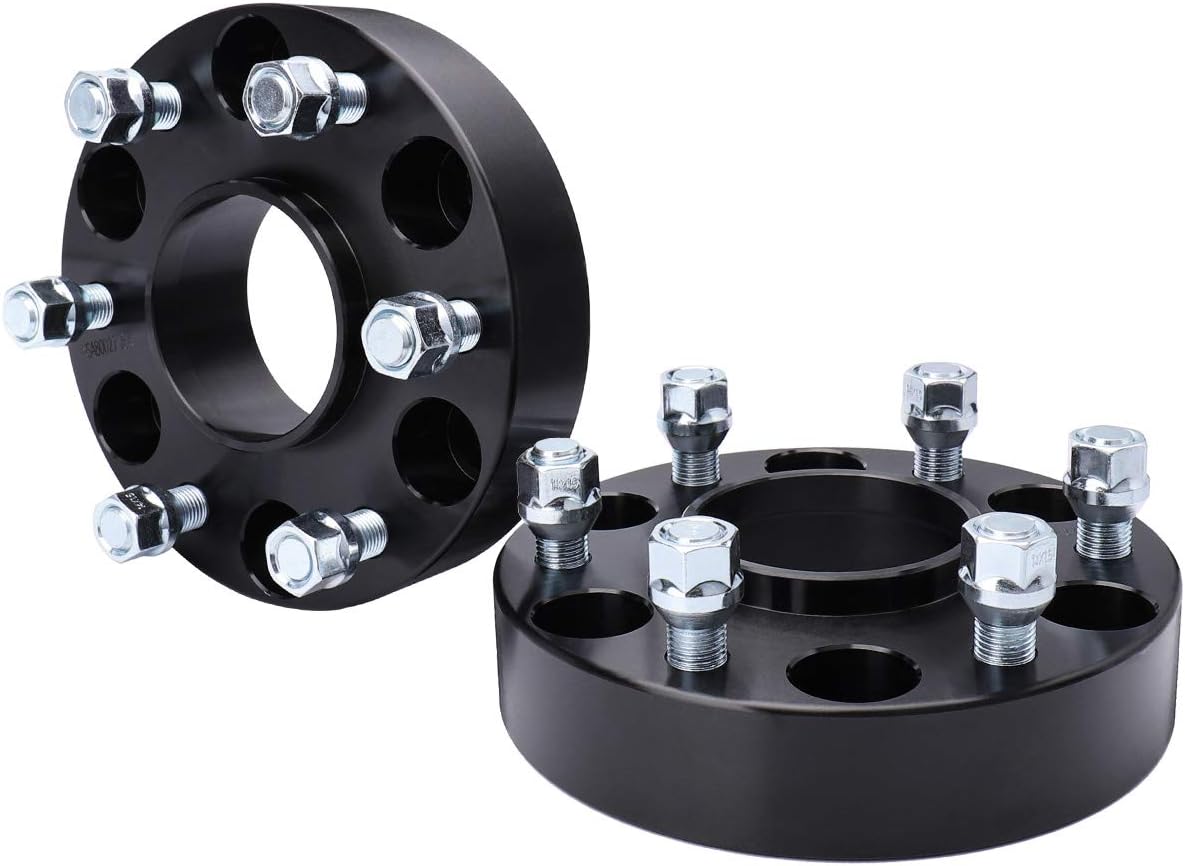
3. MAYASAF 1.5" Hubcentric Wheel Spacers — 2-Pack, 6-Lug, 78.1mm Bore
| Thickness | 1.5" |
|---|---|
| Bolt pattern | 6×5.5 (6×139.7mm) |
| Hub bore | 78.1mm |
| Stud thread | M14x1.5 |
| Stud grade | 10.9 |
These MAYASAF spacers move the wheel out 1.5 inches to increase track width and clear larger tires or aftermarket lift components on compatible 6-lug trucks. Machined from T6 billet aluminum and finished with a corrosion-resistant coating, they are lightweight compared with steel and designed to resist fatigue under normal driving. The hub-centric 78.1mm bore and M14x1.5 stud threading mean the spacer centers on the factory hub for easier installation and reduced vibration when torqued correctly. In practice they improve stance and tire clearance and can help with fitment problems from lifts or wider wheels. However, there are mixed reports about stud durability, so careful torqueing and periodic inspection are important; have a shop confirm fit and torque spec if you are unsure. These spacers are a practical option for owners who want a moderate width increase without heavy aftermarket adapters, but installers should follow recommended torque sequences and check for any contact after installation.
Best for: Buyers who want a low-cost, factory-centered spacer to gain clearance or a wider stance on a 1999–2006 GMC Sierra 1500 and prefer a lighter aluminum option over steel.
Less Ideal for: If you need heavier-duty load-bearing adapters for extreme off-road use or plan very large tire upgrades, choose a purpose-built heavy steel adapter and consult a professional installer.
- Billet T6 aluminum construction for lighter weight than steel
- Hubcentric 78.1mm bore for accurate centering and reduced vibration
- 1.5" thickness provides noticeable track width increase for stance and clearance
- Corrosion-resistant coating for longer life in road conditions
- Some customers reported stud breakage, so strength may vary and requires careful installation
Verdict: A lightweight, hubcentric 1.5" aluminum spacer that gives Sierra 1500 owners a practical clearance and stance upgrade while staying close to factory fitment.
4. ECCPP 1" 6×5.5 Hub-Centric Wheel Spacers (6 Lug)

| Thickness | 1 inch |
|---|---|
| Bolt pattern | 6×5.5 (6×139.7mm) |
| Thread pitch | 14×1.5 |
| Hub bore (ID) | 78.1mm |
| Recommended torque | 85-90 ft/lbs |
These ECCPP spacers move a 6-lug wheel out by 1 inch to provide a wider track and improved clearance for wheels or brake components. They are hub-centric and CNC machined from forged 6061-T6 aluminum with an anodized finish, which helps them seat tightly on the hub and resist corrosion. Installation is straightforward for a mechanically comfortable DIYer: clean mating surfaces, fit the spacer to the hub, and torque the supplied studs to the recommended 85 to 90 ft-lbs while using threadlocker if desired. Practical benefits include better wheel stance and potential clearance for larger wheels or calipers without permanent modification. Limitations to note are the need to confirm thread pitch and possible stud trimming or replacement if factory studs protrude, plus some buyers report inconsistent cosmetic finish on arrival. For budget-focused truck owners these offer a lot of functionality for the price, but anyone wanting premium finish or an installer-free drop-in should consider higher-end branded spacers.
Best for: Truck owners looking for an affordable way to widen stance or gain wheel/brake clearance and who are comfortable with a basic DIY installation and compatibility checks.
Less Ideal for: Drivers who need a flawless visual finish straight out of the box or who want a guaranteed installer-free, bolt-on solution without checking threads or potentially modifying studs.
- Hub-centric CNC machining for tight hub fit to reduce vibration risk
- Forged 6061-T6 aluminum construction with anodized coating for strength and corrosion resistance
- Includes studs and torque guidance for straightforward DIY installation
- 1 inch offset provides noticeable track widening and extra clearance for wheels or brakes
- Some buyers report poor cosmetic condition or surface blemishes on arrival
- May require trimming or replacing factory studs and matching lug thread pitch during installation
Verdict: A budget-friendly, hub-centric 1-inch spacer that gives GMC Sierra owners a precise fit and functional clearance gain without a big cost.
5. KSP Performance 1.5" Forged 6×5.5 Hub-Centric Wheel Spacers (4-pack)

| Bolt pattern | 6×5.5 (6×139.7mm) |
|---|---|
| Spacer thickness | 1.5 inches |
| Hub bore | 78.1mm |
| Thread pitch | M14x1.5 |
These KSP 1.5" forged wheel spacers push wheels outward to improve stance and clearance on 6×5.5 trucks, and they are built for hub-centric fitment. Made from 6061-T6 aircraft aluminum and black anodized, the spacers are CNC machined for accurate hole location and include heat-treated SCM435 studs plus geomet grade 10.9–12.9 hardware with thread locker. Typical use is bolt-on: remove the factory lugnuts, fit the spacer to the hub, torque to the recommended 85–95 ft-lbs and then install the wheel to the spacer. In practice that construction and the included hub rings reduce vibration and the forged aluminum resists cracking better than many cast alternatives. Limitations to note are that installation may require trimming or swapping studs on some aftermarket wheels and you must follow torque and thread-lock procedures to avoid fastener issues. The kit is vehicle-specific for late-model Chevy/GMC full-size trucks and works well as a reliability-minded way to correct wheel offset or improve wheel clearance when installed and torqued correctly.
Best for: Drivers who prioritize a durable, factory-quality wheel spacer that minimizes vibration and reduces the risk of cracking when widening the stance on late-model full-size Chevy/GMC trucks.
Less Ideal for: People who plan frequent wheel swaps across multiple vehicles or who need universal spacers for many different bolt patterns should consider other options.
- Forged 6061-T6 aluminum construction for improved strength over cast spacers
- CNC-machined hub-centric bore (78.1mm) for accurate fit and reduced vibration
- Includes heat-treated studs and high-grade bolts with thread locker for secure fastening
- Black anodized finish provides corrosion resistance and cleaner appearance
- May require stud trimming or adjustments with some aftermarket wheels during installation
Verdict: A forged, hub-centric 1.5" spacer built for strength and reliable fitment that reduces vibration and cracking risk when correctly installed on 6×5.5 full-size trucks.
6. Orion Motor Tech 2" 6×5.5 Wheel Spacer Kit with M14x1.5 Studs (4 pcs)

| Bolt pattern | 6×5.5 (6×139.7) |
|---|---|
| Spacer thickness | 2 inches |
| Stud size | M14x1.5 |
| Material | T6 aircraft-grade aluminum |
These Orion Motor Tech 2-inch wheel spacers push wheels out for a wider track and a more aggressive look while aiming to improve cornering and stability on compatible full-size trucks. The set includes four hub-centric-style spacers machined from T6 aircraft-grade aluminum and fitted with Dacromet-coated M14x1.5 studs for corrosion resistance. Install is straightforward: you mount the spacer to the hub then torque the included studs and refit the wheel, which most DIYers can do with common hand tools and a torque wrench. In practice the spacers deliver the visual widening owners want and reviewers report solid fitment when matched to the 6×5.5 pattern. Be aware spacers change wheel offset and can cause tire scrub or slight vibration if wheel alignment, tire clearance, or wheel backspacing are not addressed; some users also reported receiving incomplete kits. These are a practical option for drivers who want a factory-quality-looking spacer without heavy added weight, but plan for a proper install, alignment, and periodic bolt recheck after the first few hundred miles.
Best for: Buyers who prioritize proven fitment and documented user experiences and want a solid visual and handling upgrade for their 1999–2006 full-size GMC pickups while minimizing installation complexity.
Less Ideal for: Drivers unwilling to check wheel clearance, have alignment performed, or accept small handling changes after installation should consider alternatives that do not alter track width.
- Hub-centric design for improved centering and stability
- Machined from T6 aircraft-grade aluminum for strength with low added mass
- Dacromet-coated M14x1.5 studs increase corrosion resistance
- Straightforward install that most DIYers can complete with a torque wrench
- May introduce tire rubbing or minor vibration if alignment or clearance adjustments are not made
- Some buyers reported incomplete packaging or missing pieces on arrival
Verdict: A budget-friendly, hub-centric 2-inch spacer kit that gives 1999–2006 full-size GMC trucks a wider stance and proven fitment when installed and checked properly.
7. dynofit 2-inch Forged 6×5.5 Wheel Spacers (Set of 4)

| Bolt pattern | 6×5.5 (6×139.7mm) |
|---|---|
| Hub bore | 108mm |
| Thickness | 2 inches (50.8mm) |
| Stud thread pitch | M14x1.5 |
| Material | Forged 6061-T6 aluminum |
These dynofit spacers move wheels outward by 2 inches to correct backspacing and give a wider stance on 6×5.5 bolt pattern trucks. Made from forged 6061-T6 aluminum with CNC machining and anodized finish, they come as a set of four with M14x1.5 studs and a 108mm hub bore. In practice they are installed between the hub and wheel to add clearance for larger tires or to align tires with aftermarket fender flares; the kit includes bolts that are rated for corrosion resistance. Buyers report straightforward installation on Silverado/Sierra models and a noticeable improvement in stance without vibration when properly torqued and rechecked after initial miles. Important limitations are that hub centering may require minor paint removal or trimming of existing studs on some vehicles and alignment and re-torqueing after 50–100 miles is recommended. Also these spacers are aluminum, so while lighter than steel they are less robust under extreme heavy-duty towing compared with thicker steel adapters.
Best for: Buyers who prioritize a safe, factory-like fit and want to fix clearance or stance issues on a 1999–2006 Sierra without major suspension changes should consider these spacers.
Less Ideal for: If you need a spacer for heavy-duty commercial towing or expect repeated severe off-road impact, consider heavier steel adapters or vehicle-specific heavy-duty solutions instead.
- Forged 6061-T6 aluminum construction for a good strength-to-weight ratio
- CNC machined and anodized finish improves fit and corrosion resistance
- Includes M14x1.5 studs and hardware for a complete install
- 2-inch thickness effectively corrects backspacing and provides a wider stance
- May require sanding paint from the spacer bore or trimming original studs for perfect hub fitment
- Aluminum construction is lighter but not as impact-tolerant as heavy steel adapters
Verdict: A practical, forged aluminum 2-inch spacer that gives Sierra owners a reliable way to correct backspacing and achieve a wider stance while keeping installation simple and factory-aligned.
Choosing the Right 1999-2006 GMC Sierra 1500 Wheel Spacers: Key Factors to Consider
Bolt Pattern and Hub Fit
Correct bolt pattern and hub fit are fundamental for the 1999-2006 GMC Sierra 1500 because an incorrect pattern or poor hub interface can cause unsafe loads and vibration. Confirming the bolt pattern ensures the spacer aligns with factory studs and wheels, while a hub-centric design centers the wheel on the hub flange to transfer loads through the hub rather than the studs.
For this truck, inaccurate hub-to-spacer fit may produce runout that shows up as steering shimmy at speed. When shopping, look for published hub pilot diameter and a snug tolerance to the Sierra's hub dimensions. If a spacer is lug-centric, factor in additional checks for concentricity and balance after installation.
Material and Manufacturing Quality
Material choice directly influences strength and long-term durability. High-quality spacers are typically machined from billet aluminum or forged alloys with clear metallurgical specs and protective coatings to prevent corrosion around the hub and studs.
Poorly manufactured spacers can crack or deform under repeated load cycles, especially on a heavy pickup like the Sierra 1500. Verify that spacer faces are flat, bolt holes are chamfered correctly, and threads are clean. Anodizing or hard-coat finishes help resist corrosion, which is important where salt or moisture exposure is common.
Thickness and Clearance Needs
Thickness determines how far the wheel moves outward and affects fender clearance, brake caliper clearance, and suspension geometry. On a Sierra 1500, small changes in offset can noticeably alter scrub radius and track width, influencing steering feel and tire wear.
Choose the minimal thickness that resolves rubbing or allows desired wheel widths while preserving proper lug engagement. If you need thicker spacers, check whether longer studs or an installation kit are required to maintain safe thread engagement. Also consider whether the spacer will create enough clearance for brake components at full lock and suspension travel.
Hub-Centric Vs Lug-Centric Design
A hub-centric spacer seats on the vehicle hub and centers the wheel by the hub bore, reducing the likelihood of vibration. A lug-centric spacer relies on lug nuts to center the wheel, which can be adequate but is more sensitive to wheel tolerances and installation technique.
For a 1999-2006 Sierra 1500, hub-centric spacers are generally preferable if they match the OEM hub pilot diameter, because the truck's weight and wheel sizes amplify any imbalance. If choosing lug-centric spacers, plan on precision mounting, balancing, and frequent torque checks to mitigate potential vibration.
Hardware and Installation Kit Availability
Complete hardware matters. Many spacers require extended studs, replacement lug nuts, or an installation kit that includes washers and torque instructions. Using the correct hardware ensures adequate thread engagement and clamping force on the wheel.
For the Sierra 1500, determine whether the spacer set includes studs long enough for the combined thickness of the spacer and wheel. If not, a stud kit is a necessary additional purchase. Also check whether the manufacturer supplies clear torque specs and any notes about re-torque intervals to reduce the risk of loosening.
Maintenance and Long-Term Serviceability
Wheel spacers are not a set-and-forget item. Regular inspection prevents issues from corrosion, fatigue, or loosening. Look for spacers with serviceable features such as replaceable studs and readily available hardware.
On trucks used for towing or heavy loads, periodic checks of torque and visible wear become more important. Consider how easy it will be to access replacement parts, and whether the spacer finish will resist local environmental factors like road salt or mud to prolong safe service life.
Confirming Fitment on the 1999–2006 Sierra 1500
Start by verifying the truck's bolt pattern and hub pilot diameter against any spacer you consider. The Sierra 1500 often uses truck-specific hub details that must match precisely to avoid concentricity issues. When fitment data is provided, cross-check both the wheel side and vehicle side dimensions and confirm whether the spacer is hub-centric or lug-centric.
- Measure hub pilot diameter before ordering if fitment data is unclear
- Confirm spacer bolt pattern and wheel compatibility
- Check whether spacer thickness affects lug stud engagement
Choosing Spacer Thickness for Clearance and Stance
Decide what problem you are solving: rubbing at full lock, the desire to run a wider wheel, or a cosmetic flush look. Smaller thicknesses address minor clearance issues while larger thicknesses push the wheel out more for stance but may require stud upgrades. Take into account brake caliper clearance and inner fender space at full suspension travel.
- Test fit with wheel and tire mock-up when possible
- Prefer the minimum thickness that resolves interference
- Plan for stud or nut changes if needed for thicker spacers
Installation Checklist and Torque Practices
Safe installation starts with clean mating surfaces and correct torque. Use the manufacturer's torque spec for the wheel studs or nuts and re-torque after initial use, typically after the first 50 to 100 miles. If the spacer set includes new studs or nuts, confirm the grade and thread fit before installing.Also inspect for even contact around the hub flange and ensure wheels seat fully against the spacer face. If you encounter uneven seating, do not drive the truck until the cause is resolved, as that condition can lead to rapid stud wear and vibration.
- Clean hub and spacer mating surfaces thoroughly
- Use calibrated torque wrench and follow re-torque schedule
- Check wheel runout and balance after installation
Vibration, Balancing, and Longevity Considerations
Any spacer can introduce additional runout if not precisely machined or if the hub interface is loose. After installing spacers, balance the wheels with the spacer in place and test drive at different speeds to confirm there is no steering shimmy. If vibration occurs, verify hub fit and lug torque before assuming spacer failure.Long-term, inspect spacers for corrosion, hairline cracks, or elongated holes. Maintenance intervals should be more frequent for trucks used on rough roads or carrying heavy loads.
- Balance wheels with spacers installed
- Monitor for vibration at common cruising speeds
- Inspect spacer and studs periodically for wear
Brake and Suspension Clearance Checks
Moving the wheel outward changes the relationship between wheel face and brake components. Confirm that the spacer does not cause the wheel to come into contact with brake calipers or sensors at full steering lock and during suspension travel. Additionally, note any changes in steering geometry that could amplify bump steer or change steering effort.If heavy modifications to brakes or steering have been performed on the truck, reassess spacer choice with those changes in mind, since altered component positions can change required spacer thickness and clearance.
- Check clearance at full lock and full bump travel
- Re-evaluate spacer choice after any brake or steering modifications
- Account for wheel offset plus spacer combined movement
Still looking for the perfect fit?
Select your GMC Sierra 1500 configuration to see the most relevant Wheel Spacers recommendations
How We Chose the Best 1999-2006 GMC Sierra 1500 Wheel Spacers
We selected products that meet the real-world needs of 1999-2006 GMC Sierra 1500 owners by applying measurable, vehicle-specific filters. First, we verified fitment for the Sierra 1500 wheel bolt pattern and OEM hub dimensions to avoid compatibility issues. Second, we prioritized material and manufacturing quality, favoring forged or high-grade billet aluminum with clear specifications for tensile strength and corrosion resistance.Third, we evaluated hub-centric design and how well spacers align to the factory hub to reduce vibration risk. Fourth, we considered thickness options and whether the spacer set includes longer wheel studs or an installation kit, since some thicknesses require stud upgrades for safe lug engagement. Finally, we checked known torque specifications and whether the manufacturer provides clear torque and installation guidance. We excluded any spacer that lacked confirmed fit data for the 1999-2006 Sierra 1500, had unclear manufacturing specs, or did not offer necessary hardware for safe installation.
Our full evaluation process is outlined in our review methodology.
FAQ
Will wheel spacers cause vibration on my Sierra 1500?
Vibration can occur if spacers are not hub-centric or if machining tolerances are poor. Proper hub fit, precise mounting, balancing with spacers installed, and correct torque usually prevent vibration. If vibration appears, re-check hub seat, lug torque, and wheel balance before assuming spacer defect.
How thick of a wheel spacer can I safely use?
Safe thickness depends on maintaining sufficient lug thread engagement and ensuring brake and suspension clearance. Start with the smallest thickness that solves the issue, and use longer studs if a thicker spacer is needed. Follow recommended minimum thread engagement guidelines and the spacer maker's notes.
Do I need hub-centric spacers or are lug-centric okay?
Hub-centric spacers are generally preferable for a heavier pickup like the Sierra 1500 because they reduce the chance of imbalance and vibration by centering the wheel on the hub. Lug-centric spacers can work but require careful installation, balancing, and periodic checks.
What torque spec should I use when installing spacers?
Use the torque specification that matches the lug nut and stud grade indicated by the spacer manufacturer or the OEM wheel torque if hardware is unchanged. Re-torque after the first 50 to 100 miles and at regular intervals. If in doubt, follow the higher-precision torque guidance provided with an installation kit.
Will spacers affect wheel alignment or tire wear?
Spacers change track width and scrub radius, which can slightly alter steering feel and tire wear patterns. Properly chosen spacers with minimal necessary thickness typically have modest effects, but larger spacers may increase wear or change alignment needs. Monitor tire wear after installation and check alignment if you notice changes in handling.
Do I need new studs or an installation kit with spacers?
Often yes. Thicker spacers commonly require extended studs or replacement lug nuts to maintain safe thread engagement. An installation kit that includes the correct studs, nuts, and torque guidance simplifies safe mounting and reduces the risk of insufficient engagement.
Final Verdict
For the 1999-2006 GMC Sierra 1500, prioritize correct bolt pattern, hub-centric fit, and the minimum spacer thickness that achieves your clearance or stance goal. Material quality and included hardware are critical for long-term safety, and proper installation with correct torque and balancing will reduce the risk of vibration.Weigh the tradeoff between appearance and mechanical changes: a modest spacer can fix rubbing with minimal impact, while larger spacers require deeper checks for stud engagement, braking clearance, and steering geometry. Follow installation best practices and scheduled inspections so you can confidently use spacers on your Sierra 1500.
Explore More:
- Check out all GMC Sierra 1500 parts & accessories
- Explore Wheel Spacers Maintenance & Repair Guides
- Explore Wheels & Tires
- Browse all Auto Parts
