

Note: This article contains affiliate links. If you click on these links and make a purchase, I may earn a small commission at no extra cost to you. This helps support my research and content. Read my full affiliate disclosure here.
If you drive a 2013-2017 Honda Accord and want a wider track, improved wheel fitment, or a more aggressive stance, the right wheel spacers make a big difference. Properly selected spacers can clear calipers and suspension components, align wheels for better visual fit, and preserve safe hub engagement. They are a simple modification but one that requires attention to size, centering method, and hardware quality.This guide covers the top shortlisted wheel spacers for the 2013-2017 Accord, explains the technical factors that matter, and outlines installation and torque expectations so you can pick a spacer that matches your goals. Read on for practical guidance before you commit to a set.
Looking for other parts? See all Honda Accord parts & accessories.
Top Picks at a Glance
| Best Overall The best all-around choice for most situations | YHTAUTO 1" Hubcentric Wheel Spacers 5×114.3mm with M12x1.5 Studs (4-pack) | 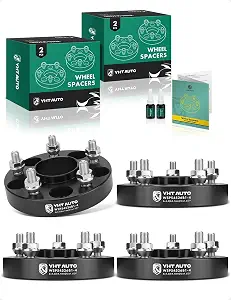 |
| Best Quality Built to a higher standard if you want something more solid | dynofit 25mm 5×4.5 Hub-Centric Wheel Spacers, Set of 4 |  |
| Best Value The sweet spot between price and what you get | Customadeonly 15mm 5×114.3 Hub-Centric Wheel Spacers (64.1mm) — Pair |  |
| Best Budget The cheapest option that still gets the job done reliably | VLAOSCHI Forged 6mm 5-Lug Wheel Spacers (Pack of 2) |  |
| Highest Rated A top-rated pick with lots of positive feedback | KSP Performance 1" 5×114.3 Hubcentric Forged Wheel Spacers (64.1mm bore) |  |
| Most Popular A crowd favorite that many people choose with confidence | Orion Motor Tech 1" 5×4.5 Hub-Centric Wheel Spacers with M12x1.5 Studs (4pcs) |  |
1. YHTAUTO 1" Hubcentric Wheel Spacers 5×114.3mm with M12x1.5 Studs (4-pack)
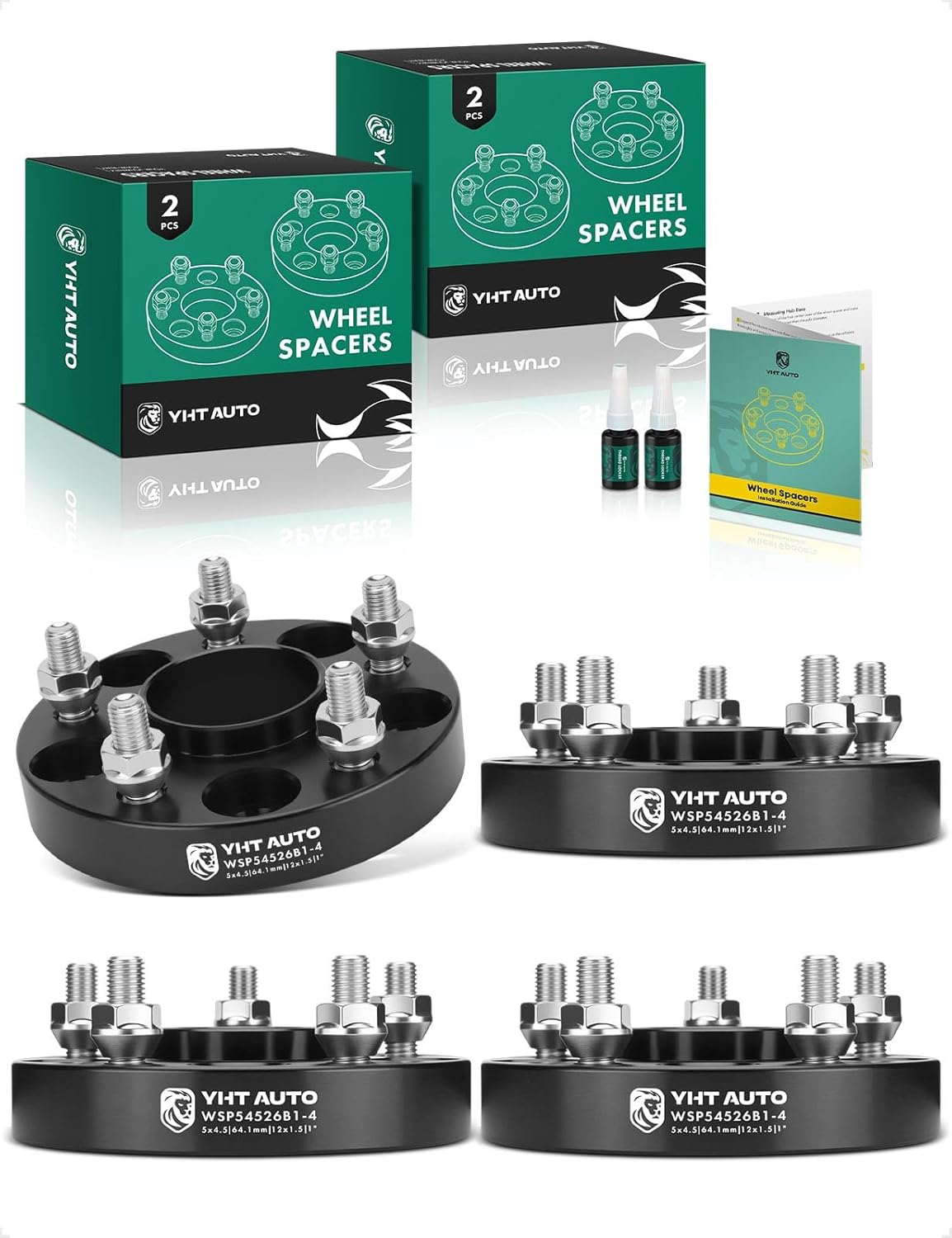
| Bolt pattern | 5×114.3mm (5×4.5) |
|---|---|
| Thickness | 1 inch |
| Hub bore | 64.1 mm (with lip) |
| Stud size | M12 x 1.5 |
| Stud grade | 12.9 |
These YHTAUTO spacers push each wheel out by one inch to widen track and improve stance on compatible Hondas and Acuras, using a hub-centric lip to center the spacer on the hub. They bolt on using the supplied M12x1.5 studs and lug nuts and are rated with 12.9-grade studs for high tensile strength; the listing also gives a recommended torque range to help ensure secure installation. For a 2013–2017 Honda Accord they provide a straightforward bolt-on way to clear wider tires, tighten handling feel slightly, and achieve a more planted look without changing factory studs. Installation is simple for anyone comfortable removing wheels and torquing hardware, but regular rechecks are important since some users report loose hardware when torque and threadlocker are not used. Fitment depends on matching the 5×114.3 bolt pattern and the 64.1mm hub bore so verify fit before purchase. If you want a modest stance change and factory-style centering, these spacers deliver an easy, budget-friendly option, though careful installation and periodic checks are required for long-term peace of mind.
Best for: Buyers who want a balanced, bolt-on improvement to stance and minor handling for a 2013–2017 Accord and prioritize a factory-centered spacer that is straightforward to install.
Less Ideal for: Drivers seeking aggressive wheel offset changes, large wheel/tire fitment beyond a 1 inch push, or those unwilling to perform periodic torque checks and basic maintenance should consider other solutions.
- Hubcentric design with a 64.1mm lip for positive centering on the hub
- Supplied M12x1.5 studs and lug nuts with 12.9 grade studs for high tensile strength
- 1 inch thickness provides noticeable stance and additional clearance for wider tires
- Clear torque recommendation included to guide proper installation
- Comes as a 4-piece kit so all four wheels can be updated at once
- Some reviewers reported looseness when recommended torque or threadlocker was not used
- Fitment depends strictly on matching 5×114.3 bolt pattern and 64.1mm hub bore so not universal
Verdict: A simple, hubcentric 1" spacer kit that gives 2013–2017 Accords a wider stance and easier fitment for slightly wider tires while remaining an affordable bolt-on upgrade.
2. dynofit 25mm 5×4.5 Hub-Centric Wheel Spacers, Set of 4

| Bolt pattern | 5×4.5 (5×114.3mm) |
|---|---|
| Bore | 64.1mm |
| Thickness | 25.4mm (1 inch) |
| Stud thread pitch | M12x1.5 |
| Material | 6061-T6 Aluminum (forged) |
These dynofit wheel spacers are a forged 6061-T6 aluminum set designed to move your wheels 1 inch outward for improved stance and clearance. They install between the hub and wheel using the included M12x1.5 studs and a hub-centric lip that centers the spacer on the vehicle flange. Typical uses are correcting brake caliper and tire clearance, fitting wider tires, and achieving a more aggressive wheel fitment on lowered or performance-tuned Accords and similar vehicles. The forged construction and CNC machining improve strength and fit compared with cast parts, while the treated bolts resist corrosion. Buyers should note the spacers add load to suspension components and use longer studs, so proper torqueing and periodic checks are important; a few reports link spacers to drivetrain stress on heavily modified cars. Also the anodized finish may fade over time under heat and road exposure. When installed correctly these spacers offer a simple way to widen track and address rubbing without wheel replacement.
Best for: Drivers focused on performance fitment and handling who need one-inch spacers to clear brakes or run wider tires on a 2013–2017 Accord while keeping a centered, stable wheel setup.
Less Ideal for: Owners seeking a no-maintenance visual upgrade without any effect on suspension or driveline loads or those who do not plan to check torque and component wear regularly.
- Forged 6061-T6 aluminum construction for improved strength over cast spacers
- Hub-centric design with lip ring for more precise wheel centering and reduced vibration
- Includes M12x1.5 studs and treated bolts to improve corrosion resistance and thread engagement
- 25mm thickness solves caliper and tire clearance issues and allows wider tire fitment
- Adds leverage to suspension and driveline components so it can increase stress on axles and bearings in high-load situations
- Finish can discolor over time with heat and road exposure
Verdict: If you need a strong, hub-centric 1-inch spacer to clear brakes or run wider tires on a 2013–2017 Accord and want improved wheel centering, this dynofit forged set is a practical choice.
3. Customadeonly 15mm 5×114.3 Hub-Centric Wheel Spacers (64.1mm) — Pair

| Bolt pattern | 5×114.3 (5×4.5") |
|---|---|
| Spacer width | 15mm (per spacer) |
| Center bore | 64.1mm |
| Thread pitch | M12x1.5 |
| Material | 6061-T6 aluminum |
These 15mm hub-centric spacers push wheels outward to correct offset, add clearance, and give a wider stance while keeping a factory-style fit for 5×114.3 hubs. Made from CNC-machined 6061-T6 aluminum and assembled with heat-treated 10.9 grade studs, they are designed for consistent balance and a durable connection. Typical use is simple: install the spacer onto the hub, torque to spec, then mount the wheel with the supplied low-profile lug nuts. The wider track can improve perceived stability and provide room for larger brakes or aftermarket suspension without major modification. Note that the low-profile lug nuts are thinner and require careful wrenching to avoid rounding, and some factory studs may need shortening to clear the spacer and lug nuts. Fitment lists many Honda and Acura models including Accord 2003–2022, so these are well suited for late-model Accords in the article scope. If correct stud length and careful installation are observed, these spacers offer a practical balance of strength and appearance improvement for everyday driving and light performance tweaks.
Best for: Buyers who want a practical, factory-style spacer to slightly widen track, gain clearance, and improve stance on a 2013–2017 Accord without extensive modification; they prioritize reliable fit and simple performance improvements.
Less Ideal for: Drivers seeking large offsets, track-only competition parts, or those unwilling to modify studs or use careful torque practices should consider alternative solutions.
- CNC-machined 6061-T6 aluminum for consistent precision and reduced balance issues
- Uses heat-treated class 10.9 studs for a strong wheel-to-hub connection
- Hub-centric 64.1mm bore helps keep wheels centered for smoother rotation
- 15mm width gives extra clearance for brakes or aftermarket suspension while widening track
- Low-profile lug nuts are thin and more prone to rounding if not tightened with care
- Installation may require shortening factory studs on some vehicles
Verdict: A practical, factory-style 15mm hub-centric spacer that reliably widens track and adds clearance for 2013–2017 Accords while keeping fitment and balance simple.
4. VLAOSCHI Forged 6mm 5-Lug Wheel Spacers (Pack of 2)

| Material | Forged 6061 T6 aluminum |
|---|---|
| Thickness | 6mm (1/4") |
| Center bore | 78.1mm |
| Bolt patterns | 5×4.5, 5×4.75, 5×114.3, 5×120.65 |
These VLAOSCHI wheel spacers are a simple bolt-on way to move 5-lug wheels outward by 6mm to improve stance and help clear tire or suspension rub on compatible vehicles. Made from forged 6061 T6 aluminum and CNC machined, the spacers have a black anodized finish and a 78.1mm center bore that aligns with the hub. Typical use is to install the spacers between hub and wheel to gain a slightly wider track and create space for larger wheels or tires; the manufacturer recommends manual torqueing and rechecking fasteners after initial driving. The thin 6mm thickness provides a subtle visual change and modest handling stability benefits without altering bolt pattern. Practical limitations are that these do not convert bolt patterns, they only work on vehicles that match the listed 5×4.5, 5×4.75, 5×114.3, or 5×120.65 patterns, and they may be too slight if you need substantial clearance or offset correction. Professional installation is suggested for best safety and fit.
Best for: Buyers wanting an inexpensive, minimal-width spacer to tidy up wheel fitment or eliminate minor rubbing on a 2013–2017 Accord while keeping a near-stock look and simple bolt-on installation.
Less Ideal for: Drivers who need large offset correction, full hub-centric adapters, or are changing bolt patterns should look for thicker spacers or purpose-built adapters instead.
- Forged 6061 T6 aluminum construction for strength and light weight
- CNC machining and black anodized finish for accurate fit and corrosion resistance
- Thin 6mm thickness gives a subtle wider stance without major changes to handling
- Pack of two covers one axle so both sides are matched
- Does not change bolt pattern so it will not adapt mismatched wheels
- 6mm thickness may be insufficient for larger tire or wheel clearance needs
Verdict: A budget-friendly, factory-style 6mm spacer that fixes minor rubbing and improves stance on compatible 2013–2017 Accords without changing bolt pattern.
5. KSP Performance 1" 5×114.3 Hubcentric Forged Wheel Spacers (64.1mm bore)

| Bolt pattern | 5×114.3mm |
|---|---|
| Spacer thickness | 25 Millimeters |
| Hub bore | 64.1mm |
| Stud size | M12x1.5 |
These KSP Performance wheel spacers move the wheel out 25mm (1 inch) to improve fitment and stance on compatible Honda and Acura 5-lug models. Constructed from forged aluminum with an anodized finish and supplied M12x1.5 studs and hardware, they install between the hub and wheel to increase track width and clear brake calipers or wider wheels. In daily driving they provide a wider stance that can improve low-speed stability and make aftermarket wheels sit flush with the fender. The hubcentric 64.1mm bore helps center the wheel during installation which reduces the chance of vibration when torqued correctly. Important limitations are that these are vehicle-specific spacers and must match bolt pattern, bore, and stud size; installers should follow torque procedures and check fasteners after initial miles. Because they bolt to the hub and then the wheel bolts to the spacer, some installers prefer using extended hub studs instead of spacer studs for long-term heavy-duty use.
Best for: Buyers who prioritize a reliable, factory-style spacer to correct wheel fitment or clear calipers on 2013–2017 Accord models and want a durable, easy-to-install solution for daily driving.
Less Ideal for: Drivers building a high-power or track-focused build who prefer extended hub studs or a spacer method that carries the wheel on original hub studs should consider stronger alternatives.
- Forged T6 aluminum construction for good strength-to-weight ratio
- 64.1mm hubcentric bore helps center the wheel and reduce vibration
- Includes M12x1.5 studs and hardware for straightforward install
- Anodized surface resists corrosion and wear during normal road use
- Design uses spacer-mounted studs rather than replacing hub studs which some installers view as less robust for high-torque or competition use
Verdict: A durable forged hubcentric spacer that reliably corrects fitment and caliper clearance for 2013–2017 Accord owners who want a straightforward, factory-quality upgrade.
6. Orion Motor Tech 1" 5×4.5 Hub-Centric Wheel Spacers with M12x1.5 Studs (4pcs)

| Bolt pattern | 5×4.5 |
|---|---|
| Spacer thickness | 1 inch |
| Stud thread | M12x1.5 |
| Material | T6 aircraft-grade aluminum |
These Orion Motor Tech spacers push the wheel out by 1 inch using a hub-centric design machined from T6 aircraft-grade aluminum. They install between the hub and wheel using the supplied Dacromet-coated M12x1.5 studs and are intended to improve cornering feel, stability, and the visual stance of the car. Installation is straightforward for a competent DIYer or technician: clean the hub, fit the spacer, thread the supplied studs and torque to spec using the factory lug nuts. The hub-centric machining helps keep vibration low compared with non-centered adapters and the slots on the rear face simplify removal. The aluminum construction keeps unsprung weight down while the Dacromet coating improves corrosion resistance for the bolts. These spacers are sold as a four-piece kit and include thread locker. Limitations to note are that fitment must match the vehicle center bore and bolt pattern exactly and any wheel or suspension clearance issues should be checked before purchase. For safety, follow torque specs and recheck fasteners after initial miles.
Best for: Buyers who prioritize proven real-world fitment and want a modest 1-inch track widen for improved stance and handling on a 2013–2017 Honda Accord without adding heavy adapters.
Less Ideal for: Drivers seeking large offsets or aggressive stance changes or those who prefer plug-and-play wheel offsets from a wheel manufacturer should consider other solutions.
- Hub-centric design reduces risk of vibration and improves wheel alignment
- Made from T6 aircraft-grade aluminum for strength with relatively low weight
- Includes Dacromet-coated M12x1.5 studs for improved corrosion resistance
- Rear face slots ease removal and reduce damage during servicing
- Only fits vehicles with the matching 5×4.5 bolt pattern and correct center bore, so compatibility is narrow
- Requires correct torqueing and periodic checks to maintain safety
Verdict: A lightweight, hub-centric 1-inch spacer that gives a subtle, proven fit-and-finish improvement for Accord owners who want better stance and handling with minimal fuss.
Choosing the Right 2013-2017 Honda Accord Wheel Spacers: Key Factors to Consider
Bolt Pattern and Fitment Accuracy
Correct bolt pattern and precise lug hole alignment are essential to ensure a secure connection between the spacer, hub, and wheel. For the 2013-2017 Accord you must match the 5×114.3 bolt pattern and confirm that the spacer's lug holes align without forcing the wheel. Poor fitment can create uneven clamping loads and accelerated stud or wheel damage.
Machining tolerances matter because even small offsets can produce vibration or stress concentrations over time. Verify vehicle-specific fit notes and measure hub protrusion and wheel center bore if necessary. A spacer that is not clearly specified for the Accord or that requires modifications should be avoided unless performed by a qualified shop.
Hubcentric Vs Lugcentric Design
Hubcentric spacers center the wheel on the vehicle hub using a tapered or stepped inner bore, which helps maintain concentric rotation and reduces the risk of vibration. Lugcentric spacers rely on the lug nuts to center the wheel and can be more sensitive to variations in wheel bore diameter. For the Accord, hubcentric units are usually preferred to preserve smoothness and minimize stress on studs.
If you choose a lugcentric spacer, make sure wheels have tight manufacturing tolerances and consider longer studs or correct centering rings to improve alignment. Understand the trade-offs: lugcentric designs can be lighter or simpler but may require additional steps to achieve the same level of runout control as a hubcentric spacer.
Spacer Thickness and Stance Goals
Thickness determines how far the wheel moves outward and directly affects clearance and track width. Small increments of thickness can change fender clearance, steering geometry, and scrub radius. For the 2013-2017 Accord, determine whether you need a modest thickness for clearance or a larger offset for visual stance and calculate effects on wheel/tire clearance with fender and suspension components.
Thicker spacers place greater load on studs and bearings, so choose thicknesses that achieve the desired look without exceeding safe limits. If using thicker spacers, ensure you have appropriately sized extended studs or well-specified adapters and verify that the wheel still receives adequate thread engagement.
Material, Manufacturing, and Corrosion Resistance
Look for high-strength alloys manufactured to automotive standards and precision CNC machining. Materials and heat treatment directly affect fatigue life and ability to hold torque. Corrosion-resistant finishes such as anodizing or protective coatings matter in wet climates because corrosion at the hub-spacer interface or on studs can compromise removal and safety.
Inspect specifications for tensile strength of the studs or bolts supplied with the spacer and inquire about quality control measures such as batch testing. Avoid thin cast units or unspecified composites; prioritize units with documented material specs and protective finishes to withstand road salt and normal environmental exposure.
Hardware and Installation Kit Completeness
A complete installation kit should include properly graded extended studs or replacement hub bolts, washers, and lug nuts sized for the spacer and the Accord's wheel specifications. Using original hardware with thicker spacers can leave too few engaged threads and reduce clamping reliability.
Confirm whether the spacer requires longer studs and whether they are included or must be purchased separately. Check that included hardware meets automotive grade standards and that torque specifications are provided. Missing or underspecified hardware is a common reason installations are done incorrectly.
Impact on Vehicle Dynamics and Serviceability
Wheel spacers alter scrub radius and track width, which affects steering feel, tire wear, and suspension loads. Small changes are often benign, but larger spacers increase leverage on wheel bearings and can accelerate wear if not accounted for. For a 2013-2017 Accord, consider how spacer thickness will interact with alignment settings and whether the change will affect routine maintenance tasks such as brake servicing.
Plan for periodic checks of stud torque and inspect for unusual tire wear after installation. Factor in the potential need for upgraded wheel bearings or periodic bearing inspections when using thicker spacers or aggressive stance setups.
Understanding 5X114.3 Fitment and Center Bore
The 5×114.3 bolt pattern and the wheel center bore dimensions are central to selecting a spacer for the 2013-2017 Accord. Confirm the exact center bore of your wheel and the spacer's hub bore so the assembly centers on the vehicle hub. A proper hubcentric match reduces the chance of runout and vibration.
- Measure your wheel's center bore and compare it to the spacer's inner diameter.
- If the spacer is hubcentric, ensure the hub step matches the Accord's hub diameter for concentric seating.
- Consider hub rings if using wheels with larger bores and lugcentric spacers.
Installation Basics and Typical Torque Specs
Installation should follow a staged torque pattern and the manufacturer's torque values for studs and lug nuts. For safety, tighten in a star pattern, torque to the recommended value, and re-check after a short test drive. Most installation procedures require initial torque, a re-torque after a set number of miles, and periodic inspections.
When replacing studs or using extended hardware, ensure thread engagement meets the minimum thread depth recommended by hardware standards. If you are unsure about torque values or installation sequence, consult a professional mechanic.
- Use a calibrated torque wrench and follow the star tightening pattern.
- Retorque after 50 to 100 miles and inspect hardware regularly.
- Ensure at least the manufacturer-recommended thread engagement length on replacement studs.
Balancing Stance Goals with Suspension Geometry
Wheel spacers can achieve a wider stance and the flush look many owners seek, but they also change scrub radius and steering response. Before selecting a thickness, consider how the altered track width will affect turning clearance, fender rub, and steering feedback on the Accord. Moderate spacer widths deliver visual improvement with smaller geometry impacts; large spacers require more careful planning.
If you plan other suspension modifications, coordinate spacer thickness with alignment settings and wheel offset to maintain predictable handling. Test for rubbing in full-lock turns and under compression to ensure safe clearance.
- Mock up the desired wheel position with spacers or templates before final purchase.
- Check for inner and outer clearance at full lock and suspension droop.
- Plan alignment after installation if track changes are significant.
Preventing Vibration and Ensuring Smooth Ride Quality
Vibration after spacer installation is usually caused by poor centering, incorrect hub bore fit, or uneven clamping force. Choose hubcentric spacers when possible and ensure wheels have minimal runout. Even high-quality spacers can transmit issues if the wheel itself has manufacturing tolerances that are out of spec.
If you experience vibration, inspect for uneven torque, loose hardware, or a mismatch between wheel bore and spacer. Balancing the wheel-spacer-wheel assembly and using quality lug nuts or washers can reduce the chance of vibration.
- Confirm hubcentric alignment when possible.
- Follow proper torque sequence and re-torque as recommended.
- Have wheels and spacers balanced together after installation.
Legal and Safety Considerations
Wheel spacers can be restricted in some areas or may affect vehicle inspections. Verify local regulations and make sure any spacer installation maintains safe load distribution and proper hardware engagement. Keep records of installation and any hardware changes for service and inspection purposes.
Use only spacers that state vehicle compatibility and meet relevant engineering standards. If in doubt about compliance, consult local authorities or a licensed shop.
- Check local vehicle modification laws before installation.
- Document spacer dimensions and installed hardware for future inspections.
- Avoid spacers that lack clear engineering or compatibility information.
Still looking for the perfect fit?
Select your Honda Accord configuration to see the most relevant Wheel Spacers recommendations
How We Chose the Best 2013-2017 Honda Accord Wheel Spacers
We applied a vehicle-focused selection process to identify six wheel spacer options suited to the 2013-2017 Honda Accord. Our editorial filters prioritized fitment accuracy, material and manufacturing standards, and the hardware and installation details that affect safety and longevity. Specifically, we evaluated machining tolerances and whether spacers are hubcentric to the Accord's 5×114.3 bolt pattern, the availability and grade of wheel studs or adapters, and typical spacer thicknesses used for clearance or stance adjustments.We also considered corrosion protection, such as anodizing or coating, and whether spacers come with installation kits that include extended studs, washers, and correctly sized lug nuts. Warranty and manufacturer stated load ratings were checked for reasonableness. Exclusions included any spacer lacking clear compatibility with the 2013-2017 Accord specification, substandard fasteners, or spacers with ambiguous fitment data. The result is a focused list of options that meet structural and practical requirements for this vehicle.
Our full evaluation process is outlined in our review methodology.
FAQ
How thick can wheel spacers be before causing problems on a 2013-2017 Accord?
There is no single maximum thickness; it depends on wheel stud engagement, bearing load, and clearance. Small spacers that maintain adequate thread engagement and do not place excessive leverage on the bearings are usually fine. For larger thicknesses, plan for extended studs and monitor bearing and suspension wear.
Do wheel spacers cause vibration on the Accord?
Vibration is most often caused by poor centering or uneven clamping rather than the spacer itself. Using properly machined hubcentric spacers, correct hardware, and ensuring wheels and spacers are balanced together reduces the risk of vibration.
Are hubcentric spacers better than lugcentric for the 2013-2017 Accord?
Hubcentric spacers generally provide better centering and are less likely to produce runout-related vibration. Lugcentric spacers can work when wheels and tolerances are tight, but they may require additional steps like centering rings to achieve the same result.
What torque specs should I use when installing spacers on the Accord?
Follow the torque values specified by the spacer manufacturer and the vehicle's service manual for lug nuts. Use a star pattern and re-torque after a short driving period. If replacing studs, ensure replacement hardware meets recommended grade and torque specs for the application.
Will wheel spacers affect alignment or tire wear?
Spacers change track width and scrub radius, which can influence alignment geometry and tire wear. Small changes often have minimal impact, but significant offsets may require alignment adjustments and closer monitoring of tire wear patterns.
Do I need new studs or an installation kit when fitting spacers?
Often yes. Thicker spacers can reduce the amount of thread engagement on the factory studs. Many installations require extended studs or a complete installation kit that includes correctly sized studs, nuts, and washers to ensure safe clamping.
Final Verdict
When choosing wheel spacers for a 2013-2017 Honda Accord, prioritize fitment accuracy, hubcentric centering, and hardware quality. Decide on spacer thickness based on whether your goal is simple clearance or an aggressive stance, and account for the increased loads thicker spacers place on studs and bearings.Balance cosmetic goals with mechanical realities: pick spacers that maintain proper thread engagement, include or specify high-grade hardware, and allow for post-installation checks such as re-torque and alignment. This approach reduces risk and helps you achieve the desired look without compromising safety or drivability.
Explore More:
- Check out all Honda Accord parts & accessories
- Explore Wheel Spacers Maintenance & Repair Guides
- Explore Wheels & Tires
- Browse all Auto Parts
